
Bladder Stones: Comprehensive Guide To Symptoms & Treatment
Discover causes, symptoms, diagnosis, treatments, and prevention strategies for bladder stones to protect urinary health effectively.
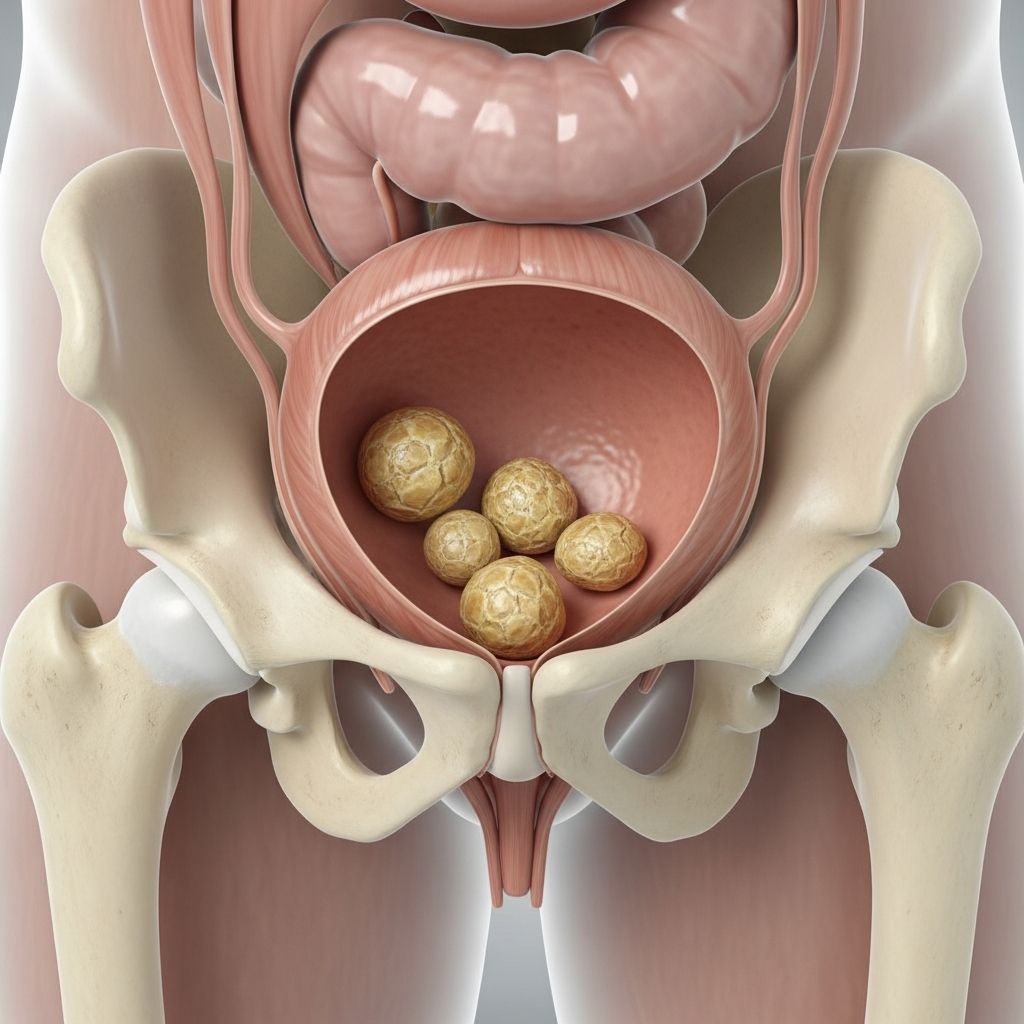
Bladder stones, known medically as vesical calculi or cystoliths, develop when minerals in urine crystallize and harden within the bladder. These formations primarily affect older men but can occur in anyone due to various underlying issues.
What Causes Bladder Stones to Form?
The primary trigger for
bladder stones
is urine retention in the bladder after urination. When the bladder fails to empty completely, stagnant urine concentrates, allowing minerals like uric acid, calcium, and others to form crystals that grow into stones.Common contributing factors include:
- Enlarged prostate (BPH): Benign prostatic hyperplasia compresses the urethra, obstructing urine flow, especially in men over 50.
- Neurogenic bladder: Nerve damage from conditions like stroke, diabetes, or spinal injury impairs bladder muscle signals, leading to incomplete emptying.
- Urinary tract obstructions: Structural issues such as strictures, bladder neck contractures, or foreign bodies like catheters promote stasis.
- Dehydration: Insufficient fluid intake concentrates urine minerals, accelerating crystal formation.
- Bladder abnormalities: Conditions like diverticula (pouches), cystocele in women, or inflammation from infections/radiation increase retention risk.
Stones vary in composition—uric acid, calcium oxalate, struvite, or cystine—affecting treatment approaches. Addressing root causes is essential to halt recurrence.
Recognizing Symptoms of Bladder Stones
Small stones may pass unnoticed during urination, but larger ones irritate the bladder lining or block outflow, causing noticeable distress.
| Symptom | Description | Common in |
|---|---|---|
| Lower abdominal pain | Severe, cramping discomfort | All patients |
| Painful/difficult urination | Burning, interrupted stream | Most cases |
| Frequent urination | Especially at night (nocturia) | Men with BPH |
| Blood in urine (hematuria) | Visible or microscopic | Due to irritation |
| Cloudy/dark urine | From infection or crystals | Advanced stones |
| Inability to urinate | Acute retention emergency | Large obstructing stones |
Women may experience pelvic pain, while men report penile or testicular discomfort. Untreated symptoms can signal complications like infections.
How Doctors Diagnose Bladder Stones
Diagnosis begins with a medical history and physical exam focusing on urinary habits and risk factors. Imaging confirms presence:
- Ultrasound: Non-invasive first-line tool detects stones and assesses bladder volume.
- X-ray (KUB): Identifies radiopaque stones like calcium-based ones.
- Cystoscopy: Direct visualization via scope through urethra for stone location and biopsy if needed.
Urine analysis checks for crystals, infection, or pH levels guiding composition. Blood tests evaluate kidney function and mineral imbalances.
Treatment Options for Bladder Stones
Treatment targets stone removal and underlying causes. Small stones (<5mm) may pass spontaneously with hydration. Larger ones require intervention.
Non-Surgical Approaches
For uric acid stones, oral alkalinizing agents like potassium citrate (60 mEq/day) dissolve them by raising urine pH to 6.5-7. Monitor serum potassium and pH; supplement with sodium bicarbonate if needed. This conservative method suits select cases but demands compliance.
Surgical Removal Techniques
Cystolitholapaxy is the gold standard minimally invasive procedure. A cystoscope accesses the bladder; laser, ultrasound, or mechanical tools fragment stones, which are irrigated out under anesthesia. Recovery takes 1-2 weeks with low complication risk (e.g., minor tears, infection).
- Open cystolithotomy for massive stones (>10cm) or anatomical issues.
- Percutaneous suprapubic lithotripsy for select large stones.
Post-removal, analyze stone composition to tailor prevention.
Potential Complications if Untreated
Neglected bladder stones lead to:
- Recurrent UTIs: Stagnation breeds bacteria.
- Bladder dysfunction: Chronic pain, incontinence.
- Hydronephrosis: Backpressure damages kidneys.
- Squamous metaplasia: Long-term irritation risks cancer.
Prompt intervention prevents permanent damage.
Preventing Bladder Stones Recurrence
Proactive steps reduce risk:
- Drink 2-3 liters water daily to dilute urine.
- Manage BPH with medications (alpha-blockers) or surgery.
- Treat neurogenic issues with catheterization if needed.
- Avoid dehydration; limit bladder irritants like caffeine.
- Regular urologic check-ups for at-risk individuals.
Diet tweaks—low purine for uric acid stones, adequate citrate—aid prevention.
When to Seek Immediate Medical Help
Consult a urologist if experiencing sudden inability to urinate, severe pain, fever, or gross hematuria. These signal obstruction or infection requiring urgent care.
Frequently Asked Questions (FAQs)
Can bladder stones dissolve on their own?
Small ones may pass with hydration; uric acid types can dissolve via medication, but most need procedures.
Who is most at risk for bladder stones?
Men over 50 with BPH, those with nerve damage, or chronic catheter users.
Is cystolitholapaxy painful?
Performed under anesthesia; post-op discomfort is mild, resolving in days.
Do bladder stones cause cancer?
Chronic irritation raises risk slightly; removal mitigates this.
How long is recovery after stone removal?
Most resume normal activities in 1-2 weeks.
Outlook and Long-Term Management
With treatment, prognosis is excellent—no permanent bladder damage if addressed timely. Recurrence drops significantly when causes like BPH are corrected. Regular follow-ups ensure sustained urinary health.
References
- Bladder stones: Causes, symptoms, and treatments — Medical News Today. 2023-10-12. https://www.medicalnewstoday.com/articles/184998
- Bladder Stones – StatPearls — NCBI Bookshelf. 2023-07-17. https://www.ncbi.nlm.nih.gov/books/NBK441944/
- Bladder Stones: Causes, Symptoms, Treatment & Removal — Cleveland Clinic. 2023-11-15. https://my.clevelandclinic.org/health/diseases/16312-bladder-stones
- Bladder stones — Penn Medicine. 2024-01-20. https://www.pennmedicine.org/conditions/bladder-stones
- Bladder stones – Symptoms & causes — Mayo Clinic. 2023-09-14. https://www.mayoclinic.org/diseases-conditions/bladder-stones/symptoms-causes/syc-20354339
- Bladder stones — NHS. 2023-05-03. https://www.nhs.uk/conditions/bladder-stones/
Similar Articles








Read full bio of medha deb


