

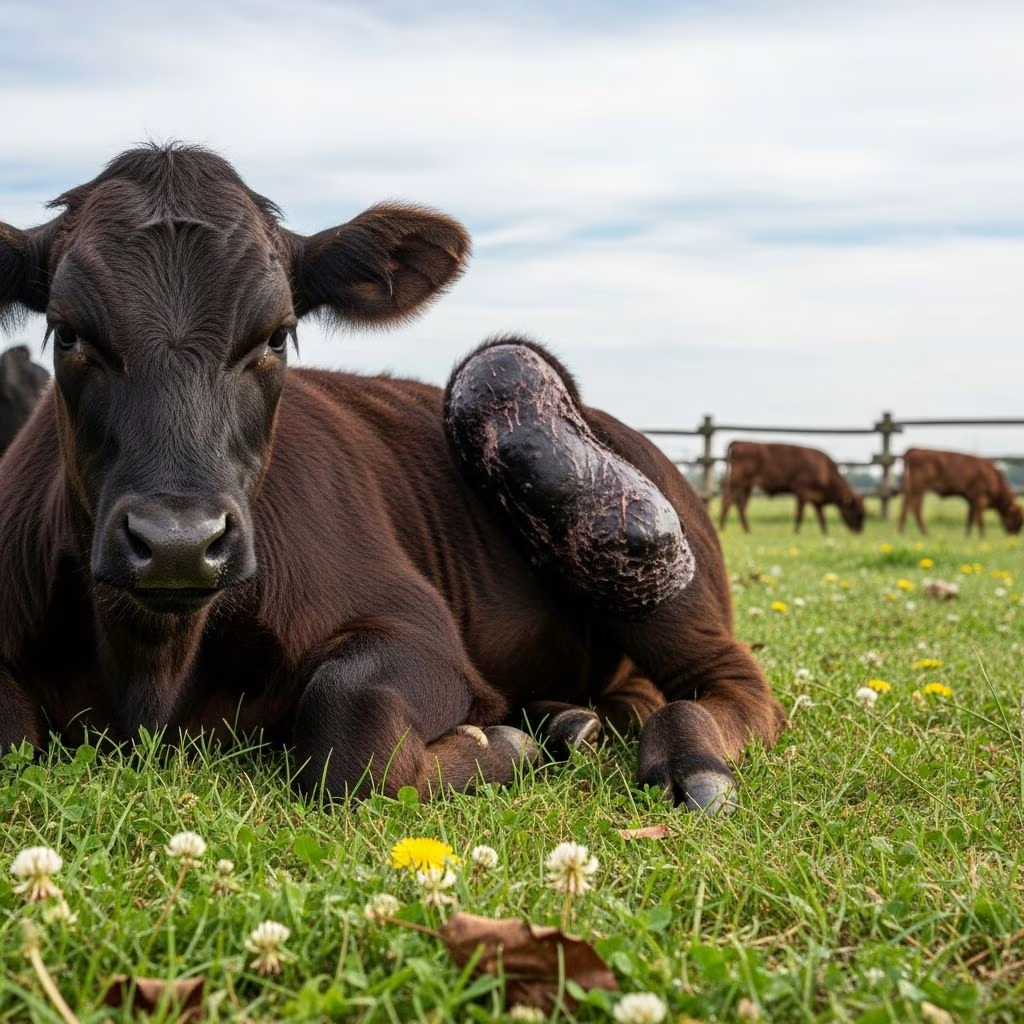
Blackleg, a severe bacterial infection primarily affecting young cattle and occasionally sheep, poses a significant threat to livestock operations due to its rapid progression and high fatality rate. Caused by the spore-forming bacterium Clostridium chauvoei, this disease leads to gas gangrene in muscles, often resulting in death within hours to days if untreated. Understanding its pathology, clinical presentation, and control methods is crucial for farmers and veterinarians aiming to protect herd health.
The Pathophysiology of Blackleg
At the core of blackleg is Clostridium chauvoei, an anaerobic bacterium that thrives in low-oxygen environments like deep soil or animal tissues. Spores of this pathogen persist in soil for years, activated by ingesting contaminated feed or entering through minor wounds. Once inside the body, spores germinate in muscle tissue, producing potent toxins and gases that destroy cells and cause necrosis.
In cattle, infection typically targets large muscle groups such as those in the hindquarters, shoulders, or neck. The bacteria multiply swiftly, releasing exotoxins that impair blood supply and trigger emphysema-like swelling. This process can culminate in systemic toxemia, leading to prostration and death often before obvious signs emerge. Sheep cases more commonly stem from wound contamination during procedures like shearing or castration.
Recognizing Clinical Manifestations
Blackleg’s hallmark is its explosive onset, with animals appearing healthy one moment and severely compromised the next. Key indicators include:
- Sudden lameness in one or more limbs, often the first noticeable sign as swelling affects mobility.
- Muscle swelling that feels hot and painful initially, progressing to cool, painless areas with a crackling crepitus from gas bubbles.
- Fever, rapid breathing, and depression, accompanied by loss of appetite and reluctance to move.
- Darkening skin over affected sites, sometimes with edema extending to other body regions.
In advanced stages, tremors and prostration precede death, typically within 12-48 hours. Post-mortem, carcasses bloat rapidly, exude frothy blood from orifices, and reveal darkened, foul-smelling muscles upon incision. These signs distinguish blackleg from slower-progressing conditions like foot rot or joint infections.
Differential Diagnosis Challenges
Distinguishing blackleg from similar ailments requires vigilance. Conditions mimicking it include:
| Disease | Key Differentiators | Progression Speed |
|---|---|---|
| Malignant Edema | Swelling without crepitus; more wound-associated | Slower |
| Foot Rot | Hoof involvement; chronic lameness | Gradual |
| Lightning Strike | No swelling; sudden collapse in groups | Instant |
| Other Clostridials (e.g., Tetanus) | Muscle rigidity/spasms vs. gangrene | Variable |
Laboratory confirmation via muscle smears or culture from fresh carcasses is ideal, revealing gram-positive rods. Field diagnosis relies on history, rapid onset, and necropsy findings.
Treatment Strategies and Limitations
Therapeutic success is rare due to blackleg’s velocity. Early intervention with high-dose penicillin or oxytetracycline targets bacterial proliferation, potentially halting progression if administered at symptom onset. Supportive measures include:
- Anti-inflammatories to reduce swelling.
- Wound debridement or fasciotomy for accessible lesions.
- Isolation and fluid therapy to combat toxemia.
However, most cases evade timely treatment; survivors often suffer permanent muscle damage. Veterinary prognosis is grave once crepitus develops. This underscores prevention over cure.
Comprehensive Prevention Protocols
Vaccination forms the cornerstone of blackleg control. Multivalent clostridial vaccines (e.g., 7-way or 8-way) protect against blackleg and related diseases like tetanus. Protocols include:
- Initial vaccination at 2-4 months for calves, with booster 4-6 weeks later.
- Annual boosters for adults, especially pre-turnout in endemic areas.
- Pre-lambing doses for ewes to confer colostral immunity.
Biosecurity enhances vaccine efficacy:
- Carcass disposal: Burn rather than bury to eliminate spores; avoid soil contamination.
- Wound management: Disinfect castration/docking sites; apply antibiotics.
- Pasture hygiene: Rotate grazing; avoid flooding-prone soils rich in clostridia.
Monitor high-risk groups: calves 6-24 months on lush pastures during warm months.
Economic and Epidemiological Impact
Blackleg inflicts substantial losses via sudden deaths, often 100% fatal per outbreak. Endemic in regions with alkaline, spore-laden soils, outbreaks peak in warm, humid seasons. U.S. Extension services report clusters in beef herds post-flooding or soil disturbance. Proactive management averts multimillion-dollar herd impacts annually.
Advanced Diagnostic Techniques
Beyond gross necropsy, labs employ PCR for C. chauvoei detection and toxin assays. Fluorescent antibody tests on tissue smears provide rapid presumptive diagnosis. Producers should submit samples from recently deceased animals to state veterinary labs for confirmation, aiding surveillance.
Global Perspectives and Research Updates
While cattle dominate cases, blackleg affects sheep, goats, and rarely horses worldwide. Recent studies emphasize spore ecology, advocating soil sampling in high-risk farms. Vaccine innovations, like subunit toxoids, promise broader protection with fewer boosters. Regulatory bodies like USDA endorse standardized protocols.
Frequently Asked Questions (FAQs)
What triggers blackleg outbreaks?
Ingestion of soil spores during grazing or wound entry; lush, disturbed pastures heighten risk.
Is blackleg contagious?
No, it’s not spread animal-to-animal but via environmental spores.
How effective are vaccines?
Nearly 100% if properly timed; failures stem from improper storage or timing.
Can survivors develop immunity?
Rarely; revaccinate post-recovery to ensure protection.
What if I find a dead animal?
Do not necropsy on-farm; notify vet, burn carcass deeply.
References
- Blackleg in Cattle: Signs, Treatment, and Prevention Tips — Cattlytics. 2023. https://www.cattlytics.com/blog/blackleg-in-cattle-signs-treatment/
- Understanding the Black Leg and Tetanus Disease in Livestock — Bivatec. 2023. https://www.bivatec.com/blog/understanding-the-black-leg-and-tetanus-disease-in-livestock
- Blackleg and Other Clostridial Diseases in Cattle — Alabama Cooperative Extension System (aces.edu). 2022-10-15. https://www.aces.edu/blog/topics/beef/blackleg-and-other-clostridial-diseases-in-cattle/
- Blackleg: A deadly disease with a hidden cause — PubMed Central (pmc.ncbi.nlm.nih.gov). 2024. https://pmc.ncbi.nlm.nih.gov/articles/PMC12451119/
- Blackleg: A Preventable Disease of Cattle — West Virginia University Extension (extension.wvu.edu). 2023. https://extension.wvu.edu/agriculture/livestock/beef-cattle/cattle-health/blackleg
- Blackleg in Animals — Merck Veterinary Manual (merckvetmanual.com). 2025-01-01. https://www.merckvetmanual.com/infectious-diseases/clostridial-diseases/blackleg-in-animals
- Blackleg (Clostridial myositis) in cattle — Texas A&M Veterinary Medical Diagnostic Laboratory (tvmdl.tamu.edu). 2024. https://tvmdl.tamu.edu/case-studies/blackleg-clostridial-myositis-in-cattle/



