

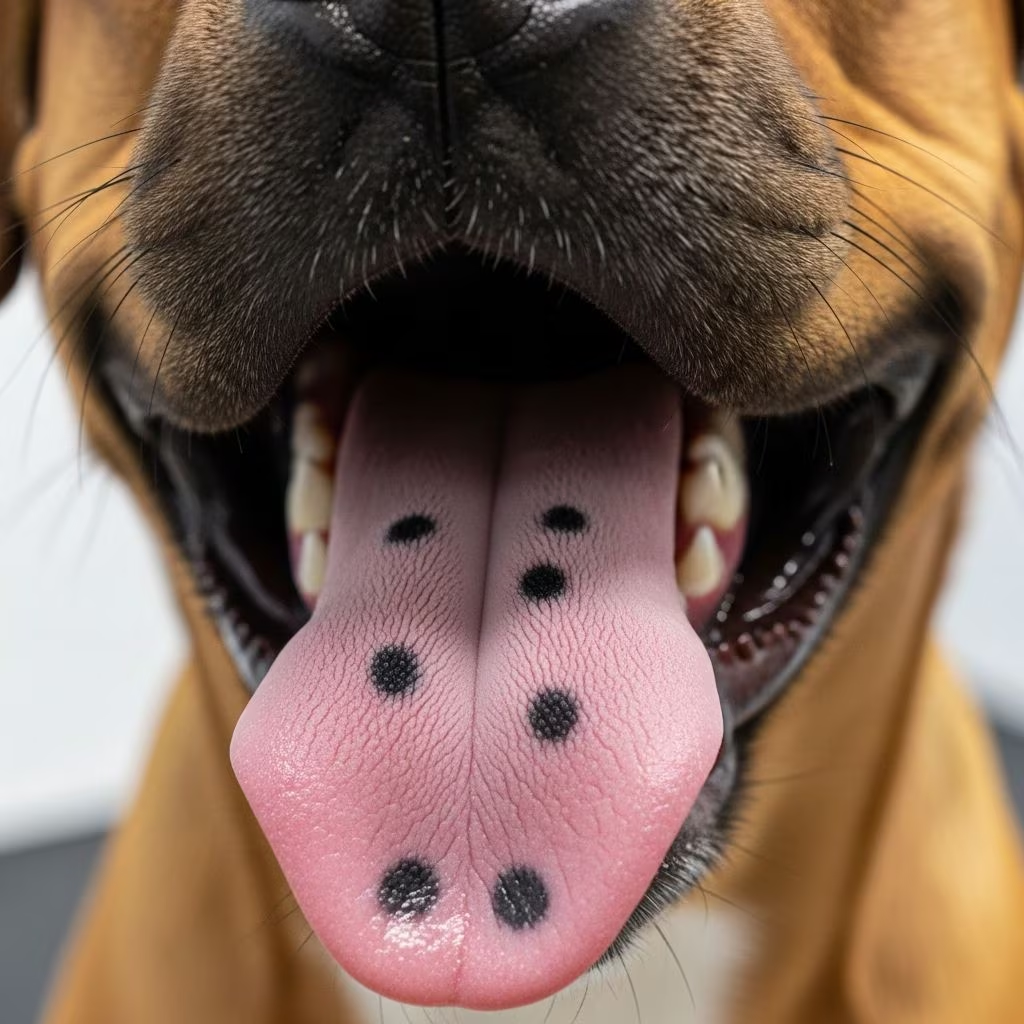
Dark patches on a dog’s tongue often spark concern among pet owners, but in most cases, they represent nothing more than natural pigmentation. These spots, akin to human freckles, stem from melanin deposits and pose no health risk. However, discerning benign markings from potential problems requires attention to details like size, texture, and changes over time.
The Science Behind Tongue Pigmentation in Dogs
Melanin, the pigment responsible for coloring skin, fur, and eyes, also influences oral tissues. In dogs, it can create flat, smooth black or bluish spots on the tongue, gums, lips, nose, and paw pads. These markings typically emerge in puppyhood or early adulthood and remain stable throughout life.
Genetic factors dictate pigmentation patterns. Just as some humans have darker freckles, dogs inherit variations that manifest as irregular dark areas. This is a normal cosmetic trait, not a defect, and does not impact tasting, chewing, or overall oral function.
- Key characteristics of normal spots: Flat, even with tongue surface, consistent color, no growth.
- Present from young age, unchanged over years.
- No associated pain, odor, or behavioral shifts.
Breeds Commonly Featuring Dark Tongues or Spots
While any dog can develop these spots, certain breeds show higher prevalence due to genetics. Chow Chows famously possess entirely black tongues, a hallmark trait. Other breeds frequently display spotted or partially pigmented tongues.
| Breed | Pigmentation Trait |
|---|---|
| Chow Chow | Fully black tongue |
| Shar-Pei | Dark or spotted tongue |
| Golden Retriever | Spots or patches |
| Labrador Retriever | Common spots |
| Cocker Spaniel | Freckle-like markings |
| Miniature Poodle | Occasional dark areas |
These breeds carry genes promoting extra melanocytes—pigment-producing cells—in oral mucosa. Mixed-breed dogs may inherit similar traits unpredictably.
Why Spots Might Seem to Appear Suddenly
Owners often panic when noticing a “new” spot, but it usually existed unnoticed. Factors like lighting, panting angles, or grooming reveal hidden patches. In rare instances, age-related pigment shifts occur, similar to human age spots, without harm.
New spots in adult or senior dogs warrant monitoring. They could signal systemic issues like niacin deficiency, kidney problems, or heart conditions, though these typically involve multiple symptoms beyond isolated tongue changes.
Red Flags: When to Consult a Veterinarian Immediately
Not all dark areas are benign. Changes indicate possible pathology. Veterinary examination, possibly including biopsy, clarifies risks.
- Growth or rapid change: Expanding size signals tumors.
- Texture shifts: Raised, lumpy, or rough surfaces differ from smooth pigmentation.
- Bleeding or ulceration: Open sores suggest malignancy.
- Foul odor or bad breath: Infection or necrosis indicator.
- Behavioral cues: Drooling, eating reluctance, one-sided chewing, facial swelling.
Colors beyond black/blue—red, white, yellow—plus pain on touch demand urgent care.
Understanding Oral Melanoma and Other Cancers
Oral melanoma, the most common mouth cancer in dogs, arises from melanocytes and appears as dark, aggressive masses. It spreads rapidly, often to lungs or lymph nodes, with poor prognosis if advanced. Breeds like Golden Retrievers and Cocker Spaniels face elevated risk.
Squamous cell carcinoma, less pigmented, causes ulcers. Early detection via fine-needle aspiration or biopsy improves outcomes. Surgery, radiation, or chemotherapy treat confirmed cases.
Other Health Conditions Mimicking Pigment Spots
Beyond cancer, issues alter tongue appearance:
- Stomatitis: Inflammation causing red/black discoloration, pain.
- Ulcers from deficiencies: Niacin lack yields dark lesions.
- Infections/Burns: Viral warts, chemical injury create irregular patches.
- Systemic disease: Kidney failure darkens mucosa.
Regular home exams—gently inspecting during play—track changes. Brush teeth, monitor breath for issues.
Home Monitoring and Oral Care Best Practices
Prevent problems with routine care:
- Weekly tongue/gum inspections for anomalies.
- Daily tooth brushing with dog-safe paste.
- Veterinary dental cleanings yearly.
- Balanced diet supporting nutrition.
- Prompt vet visits for any mouth oddities.
Tools like dental chews, water additives reduce plaque, indirectly safeguarding tongue health.
FAQs: Common Questions About Dog Tongue Spots
Are black spots on a puppy’s tongue normal?
Yes, they often indicate lifelong pigmentation. Monitor stability into adulthood.
Can a pink-tongued dog develop black spots later?
Rarely; new spots suggest vet evaluation for underlying causes.
Is a fully black tongue dangerous?
No, if inherited (e.g., Chow Chow). Changes prompt checks.
How does a vet diagnose spot issues?
Visual exam, biopsy if suspicious, imaging for spread.
Can diet cause tongue discoloration?
Deficiencies like niacin can; quality food prevents this.
Expert Tips for Peace of Mind
Veterinarians stress observation over alarm. Photograph spots monthly for comparison. Breeds with predispositions benefit from oral screenings post-7 years. Early intervention saves lives and costs.
Ultimately, most dark tongue spots enhance your dog’s unique look without harm. Knowledge empowers owners to protect furry friends effectively.
References
- Why Do Some Dogs Have Black Spots on Their Tongue? — Canidae. 2023. https://canidae.com/blog/why-do-some-dogs-have-black-spots-on-their-tongue
- Black Spot on Dog Tongue: When It’s Normal and When to Worry — Furry Green. 2024. https://furrygreen.hk/blogs/blog/black-spot-on-dog-tongue-normal-or-not
- What Are Those Black Spots on a Dog’s Tongue, Anyway? — American Kennel Club (AKC). 2023-05-15. https://www.akc.org/expert-advice/health/black-spots-on-a-dogs-tongue/
- Discovering the Charm: Black Spots on Your Dog’s Tongue — Impact Dog Crates. 2024. https://www.impactdogcrates.com/blogs/puppy-news/discovering-the-charm-black-spots-on-your-dog-s-tongue
- What Does A Black Tongue Mean On A Dog? — Rover.com. 2023. https://www.rover.com/blog/black-tongue-dog/



