

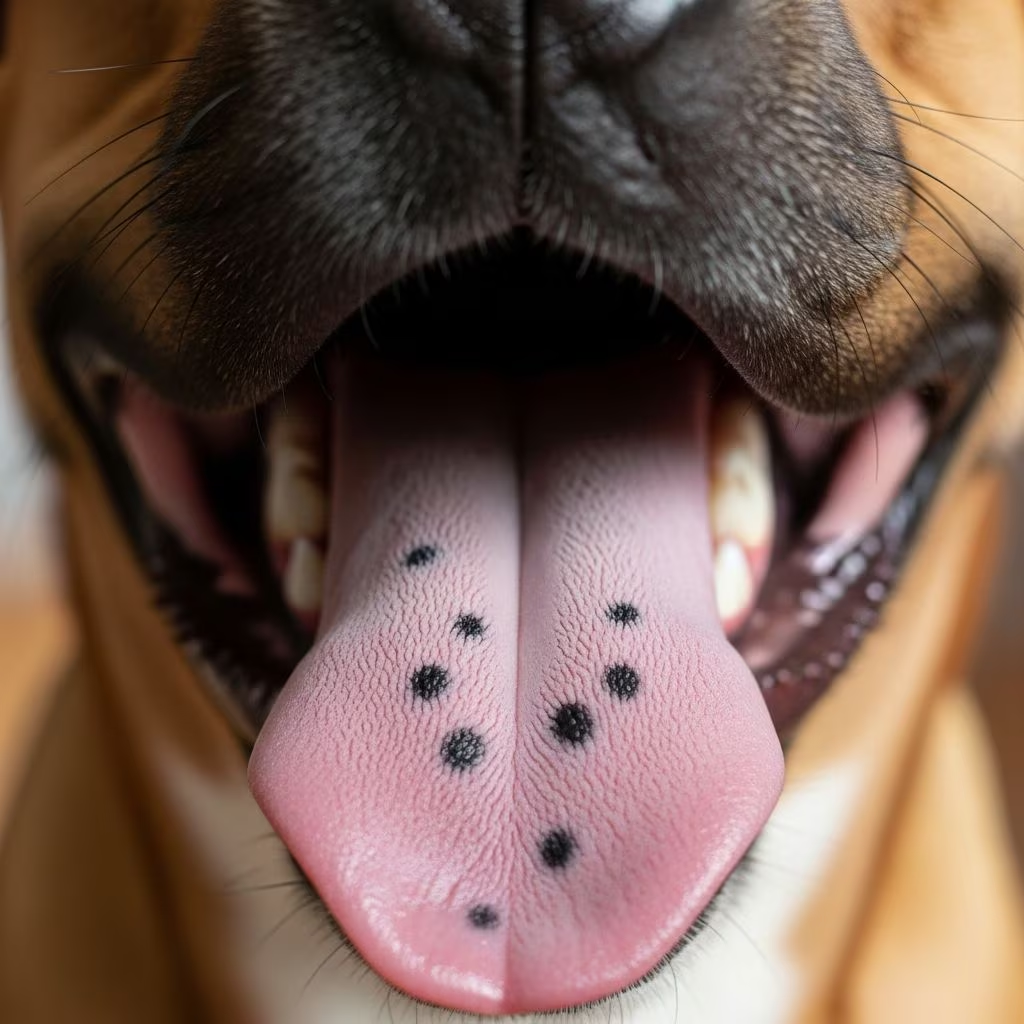
Many dog owners notice dark patches on their pet’s tongue and wonder if it’s a health issue. In most cases, these **black spots** result from harmless pigmentation similar to human freckles. This guide explains the causes, breed tendencies, monitoring tips, and red flags that warrant veterinary attention.
Understanding Tongue Pigmentation in Dogs
Dogs’ tongues vary in color from bright pink to solid black due to **melanin**, the pigment responsible for skin, fur, and eye coloration. Localized melanin deposits create spots or blotches that are flat, smooth, and present from puppyhood. These do not impact eating, breathing, or overall comfort.
Pigmentation patterns often match other body areas. Dogs with dark lips, gums, noses, or paw pads frequently show similar markings inside the mouth. Unlike humans, canine tongue color is genetically determined and stable throughout life unless affected by disease.
Breeds Prone to Dark Tongues and Spots
While any dog can have pigmented tongues, certain breeds exhibit this trait more prominently:
- Chow Chow: Famous for entirely black tongues, a defining breed characteristic.
- Shar-Pei: Often solid blue-black tongues due to high melanin levels.
- Golden Retriever: Common freckle-like spots amid pink areas.
- Labrador Retriever: Frequent dark patches on tongues and gums.
- Cocker Spaniel, Miniature Poodle: Prone to spots that may mimic serious issues.
Mixed breeds inherit these traits unpredictably, so spots appear across all genetics.
Why Spots Appear ‘Suddenly’ in Adult Dogs
Owners often spot markings later in life, sparking worry. Common explanations include:
- Better visibility during panting or yawning under specific lighting.
- Age-related subtle darkening, akin to human age spots.
- Missed presence since puppyhood due to rapid growth or infrequent checks.
True new pigmentation in seniors requires evaluation to rule out pathology.
Red Flags: When Spots Signal Health Problems
Benign spots remain unchanged. Consult a vet if you observe:
| Warning Sign | Description | Possible Causes |
|---|---|---|
| New or rapidly growing | Sudden appearance in adult/senior dogs | Cancer, infection |
| Raised/thickened texture | Lumpy, not flat like surrounding tissue | Melanoma, tumors |
| Bleeding/ulcerated | Oozing, raw surface | Carcinoma, injury |
| Color changes | From black/blue to red/brown, foul odor | Inflammation, necrosis |
| Associated symptoms | Drooling, eating difficulty, bad breath | Stomatitis, salivary issues |
**Oral melanoma** tops concerns—a aggressive cancer forming dark, nodular masses. It causes pain, swelling, and one-sided chewing. Breeds like Goldens and Cocker Spaniels face higher risk. Early biopsy improves outcomes.
Other issues: Niacin deficiency (rare in balanced diets), kidney disease (systemic discoloration), burns, or viral papillomas.
How Veterinarians Diagnose Tongue Spots
During exams, vets:
- Inspect size, shape, texture under good light.
- Palpate for lumps or pain response.
- Check full oral cavity, lymph nodes, teeth.
- May biopsy suspicious lesions or run bloodwork.
Regular dental cleanings aid early detection. Home exams: Gently lift lips/tongue weekly, noting changes.
Preventing and Managing Oral Health Issues
Maintain pristine mouth hygiene:
- Daily tooth brushing with enzymatic toothpaste.
- Vet-recommended dental chews/diets.
- Annual oral exams during wellness visits.
- Watch for breed cancer risks via genetic screening.
For confirmed pigmentation: No treatment needed. Monitor photos track stability.
FAQs: Common Questions About Dog Tongue Spots
Are black spots on my puppy’s tongue normal?
Yes, they indicate genetic melanin and persist lifelong if benign.
Can a flat black spot turn cancerous later?
Stable spots rarely do, but any growth/change needs vet review—melanoma arises de novo more often.
Should I worry if my pink-tongued breed develops spots?
New spots in non-pigmented breeds merit checking, especially if irregular.
How do I differentiate pigmentation from melanoma at home?
Benign: Flat, even color, no odor/pain. Melanoma: Raised, growing, symptomatic. Professional diagnosis essential.
Is tongue color linked to overall health?
Mostly cosmetic, but changes signal issues like dehydration or systemic disease.
Expert Tips for Peace of Mind
Photograph spots monthly for comparison. Breeds with dark features normalize faster for owners. If anxious, schedule a vet oral exam—better safe. Most spots prove harmless, letting you enjoy your dog’s unique smile.
References
- Why Do Some Dogs Have Black Spots on Their Tongue? — Canidae. 2023. https://canidae.com/blog/why-do-some-dogs-have-black-spots-on-their-tongue
- Black Spot on Dog Tongue: Normal or Not — Furry Green. 2024. https://furrygreen.hk/blogs/blog/black-spot-on-dog-tongue-normal-or-not
- What Are Those Black Spots on a Dog’s Tongue, Anyway? — American Kennel Club (AKC). 2023-10-12. https://www.akc.org/expert-advice/health/black-spots-on-a-dogs-tongue/
- Discovering the Charm: Black Spots on Your Dog’s Tongue — Impact Dog Crates. 2024. https://www.impactdogcrates.com/blogs/puppy-news/discovering-the-charm-black-spots-on-your-dog-s-tongue
- What Does A Black Tongue Mean On A Dog? — Rover.com. 2024. https://www.rover.com/blog/black-tongue-dog/
- Black Spot on Dog’s Tongue: Is This Normal? — CVHSaratoga. 2023. https://cvhsaratoga.com/blog/black-spot-on-dog-tongue/



