

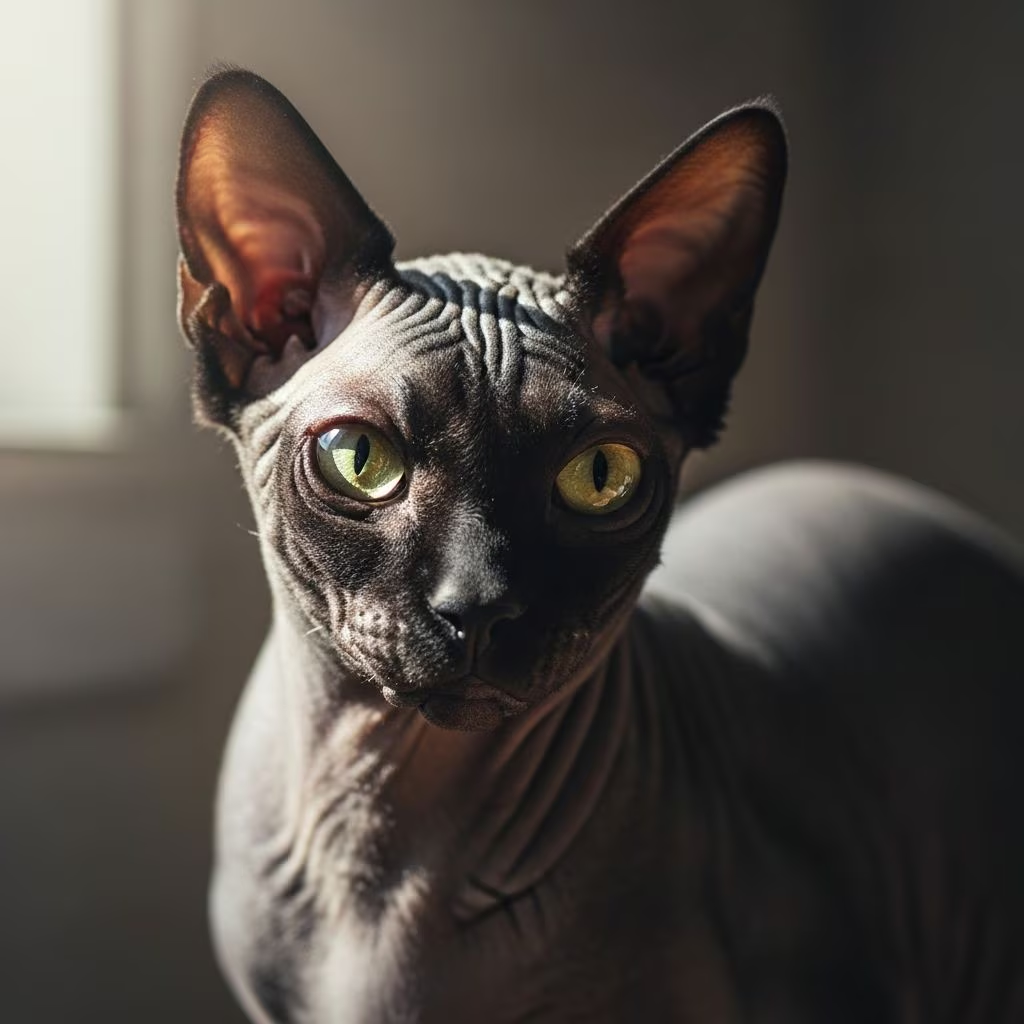
The black Sphynx cat captivates with its sleek, hairless body and deep ebony skin tone, offering a distinctive look among feline companions. This breed combines athletic grace, boundless energy, and unwavering devotion, making it an ideal pet for those seeking a close-knit bond.
Origins and Development of the Sphynx Breed
The Sphynx breed emerged in the 1960s in Canada when a hairless kitten named Prune was born to a domestic cat, sparking interest in its unique genetics. Breeders selectively paired cats carrying the recessive hairless gene, known as “hr,” which affects the KRT71 protein responsible for hair anchorage, resulting in minimal to no fur. Over decades, the breed standardized through organizations like The International Cat Association (TICA) and The Cat Fanciers’ Association (CFA), emphasizing muscular builds and varied skin colors, including solid black.
Black Sphynx cats arise from genetic combinations yielding uniform dark pigmentation across their skin, nose leather, and paw pads. Unlike furred breeds, their color is vividly apparent without hair interference, showcasing shades from deep jet black to softer blue-black tones. Today, Sphynx cats, including black variants, thrive globally due to their sociable traits and exotic appeal.
Distinctive Physical Features
Sphynx cats possess a medium-sized, robust frame that belies their hairless appearance. Their bodies feel warm and suede-like to the touch, covered in fine down or completely bald, with prominent wrinkles adding character. Key traits include:
- Wedge-shaped head: Featuring high cheekbones, lemon-shaped eyes, and oversized ears set high on the skull for an alert expression.
- Muscular physique: Barrel-chested with a rounded abdomen, sturdy legs, and a whiplike tail, enabling impressive jumps and agility.
- Paw details: Thick, cushioned pads that provide a soft gait, often black or brown in black Sphynx.
- Skin variations: Black Sphynx display solid ebony coloring, sometimes with subtle patterns like tabby markings faintly visible on the skin.
Males typically outweigh females, reaching 8-12 pounds, with females around 6-9 pounds. Their skin suits multiple hues, but black offers a dramatic, velvety contrast.
Temperament and Daily Behavior
Black Sphynx cats embody extroversion, often likened to dogs for their greeting rituals and stranger-friendly demeanor. Highly intelligent and curious, they follow owners room-to-room, vocalizing needs with chirps and trills rather than loud meows.
These felines crave interaction, excelling in homes with playmates or patient humans. Their playful acrobatics—leaping to shelves or “swimming” on blankets—stem from high energy levels. Affectionate cuddlers, they burrow under covers for warmth, forging deep loyalties. Children and other pets suit them well, provided introductions are gentle.
| Trait | Sphynx Rating | Typical Domestic Cat |
|---|---|---|
| Friendliness to Strangers | High | Moderate |
| Energy Level | Very High | Medium |
| Affection Demand | High | Variable |
| Trainability | Excellent | Fair |
Neglect leads to mischief, like knocking items off counters, underscoring their need for engagement.
Grooming and Skin Care Essentials
Absence of fur shifts care focus to skin maintenance. Weekly baths with mild, cat-safe shampoos remove oils, preventing blackhead acne or greasy buildup. Dry them thoroughly to avoid chills, then apply unscented lotion if needed.
- Bathing routine: Use lukewarm water; aim for 1-2 times weekly.
- Ear cleaning: Wipe insides bi-weekly to curb wax accumulation in large ears.
- Nail trimming: Every 2-3 weeks, as they lack fur to dull claws.
- Sun protection: Limit exposure to prevent burns on pinker skin areas; use pet-safe sunscreen for outdoors.
Nourish with high-quality diets rich in omega fatty acids for skin health. Their warm body temperature (up to 4 degrees higher than furred cats) aids oil regulation but demands vigilance.
Health Considerations and Lifespan
Sphynx cats enjoy 8-14 year lifespans with proper care, though prone to hypertrophic cardiomyopathy (HCM), a heart condition monitored via annual ultrasounds. Other risks include:
- Hypertrophic Cardiomyopathy (HCM): Genetic screening recommended for breeders.
- Skin infections: From poor hygiene or allergies.
- Periodontal disease: Brush teeth weekly; provide dental treats.
- Temperature sensitivity: Provide heated beds or clothing in cool climates.
Veterinary-endorsed vaccines, flea preventives (despite no fur), and spaying/neutering are crucial. Black Sphynx share these traits, with dark skin potentially masking minor issues like freckles, which are benign.
Ideal Living Environment
Indoor-only living suits Sphynx best, shielding their skin from elements and predators. Draft-free homes with climbing trees, interactive toys, and perches foster their agility. They adapt to apartments if exercise is ample.
For families:
- Supervise young kids to prevent rough play.
- Introduce dogs gradually for harmony.
- Avoid isolation; puzzle feeders combat boredom.
Nutrition and Feeding Guidelines
High-protein, calorie-dense foods match their metabolism. Feed 2-3 meals daily, adjusting for activity:
| Weight (lbs) | Cups Dry Food | Calories (Approx.) |
|---|---|---|
| 6-8 | 1/4 – 1/3 | 250-350 |
| 9-11 | 1/3 – 1/2 | 350-450 |
| 12+ | 1/2 – 3/4 | 450-550 |
Hydration is key; fountains encourage drinking. Avoid obesity by measuring portions.
Bringing Home Your Black Sphynx
Select ethical breeders adhering to TICA/CFA standards, requesting health clearances. Kittens thrive post-12 weeks. Initial setup: litter box, scratching posts, warm bedding. Socialize early for well-rounded adults.
Costs range $1,800-$4,000; factor vet bills. Their loyalty repays investment manifold.
Frequently Asked Questions (FAQs)
Are black Sphynx cats truly hairless?
Mostly; they have fine peach-fuzz or none, with genetics causing hair fragility.
Do Sphynx cats smell?
Not if bathed regularly; skin oils require cleaning to stay fresh.
Can black Sphynx tolerate cold weather?
They prefer warmth; sweaters or heated spots help in winter.
Are they good with kids?
Yes, their playful nature meshes well with gentle children.
How often should I bathe a Sphynx?
Weekly to bi-weekly, using gentle products.
References
- Sphynx Cat Personality and Traits — Litter-Robot. 2023. https://www.litter-robot.com/blog/sphynx-cat-personality/
- Sphynx cat — Wikipedia. 2024-01-15. https://en.wikipedia.org/wiki/Sphynx_cat
- Sphynx Cat Breed — Hill’s Pet. 2024. https://www.hillspet.com/cat-care/cat-breeds/sphynx
- Sphynx — TICA. 2023-10-01. https://tica.org/breed/sphynx/
- Sphynx — CFA. 2024. https://cfa.org/breed/sphynx/
- Black Sphynx Cats – Personality Traits — Purebred Kitties. 2023. https://purebredkitties.com/blogs/sphynx-cat/black-sphynx-cats-personality-traits



