

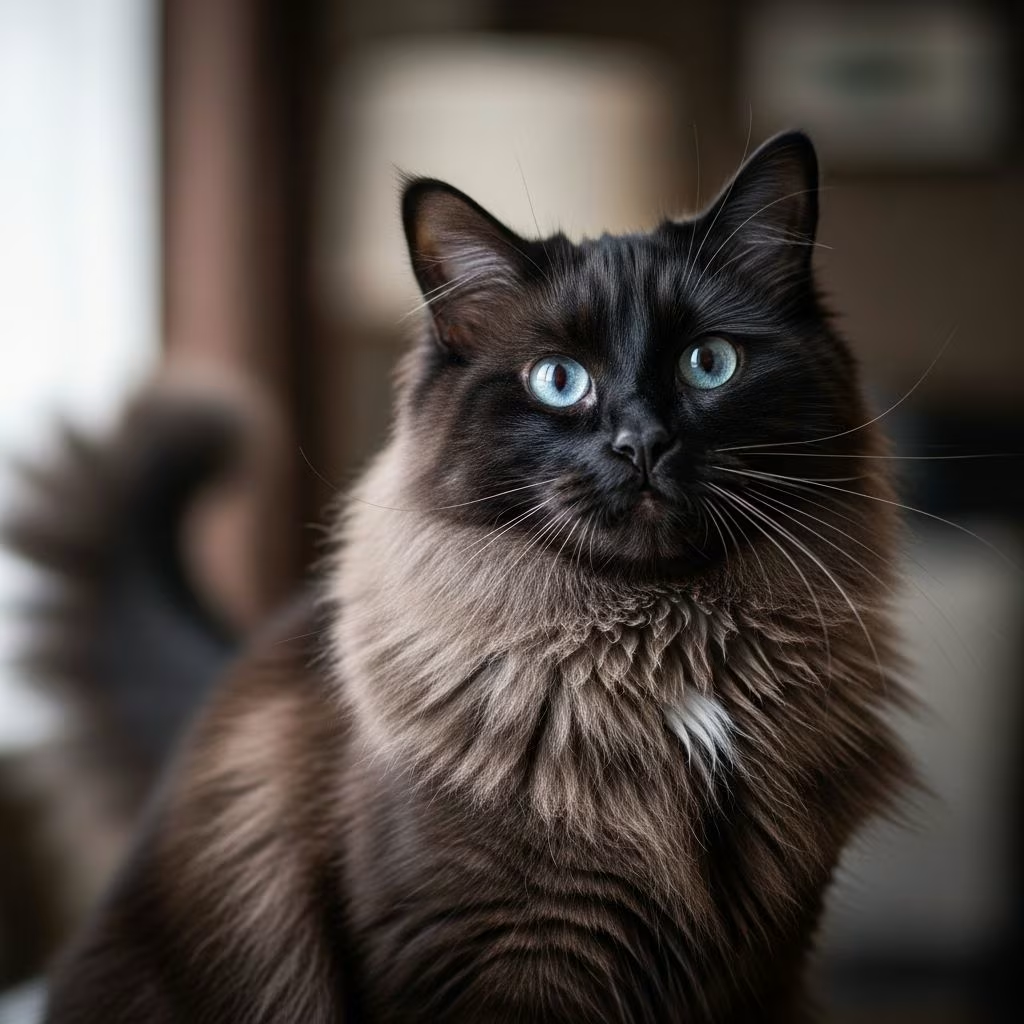
Black Ragdoll cats combine the iconic traits of the Ragdoll breed with a captivating solid black coat, offering pet owners a blend of elegance and companionship. These gentle giants retain the breed’s signature relaxed demeanor while standing out with their deep, uniform coloration.
Origins and Genetic Foundations
The Ragdoll breed emerged in the 1960s through the efforts of breeder Ann Baker, who selectively crossed cats to produce the now-famous colorpoint patterns and placid temperament. Traditional Ragdolls feature lighter bodies contrasting with darker points on the ears, face, legs, and tail, often accompanied by striking blue eyes. Black Ragdolls, however, represent a variation achieved through specific genetic pairings that suppress the colorpoint restriction gene, resulting in a full solid black coat from nose to tail.
This solid coloration arises from the interaction of the non-colorpoint gene with the Ragdoll’s foundational genetics, allowing breeders to produce kittens that embody all breed standards minus the points. The International Cat Association (TICA) recognizes these cats under the Cherubim category, affirming their status within the breed while distinguishing them from traditional patterns.
Breeding Black Ragdolls requires precision to preserve the large size, semi-longhair coat, and floppy personality. Notably, these cats carry the point gene recessively, meaning pairings with traditional Ragdolls can yield both solid black and pointed offspring, enriching breeding programs.
Distinctive Physical Features
Black Ragdolls mirror the Ragdoll’s robust build, growing into one of the largest domestic cat breeds. Males typically weigh 15-20 pounds, while females range from 10-15 pounds, with full maturity taking up to four years. Their bodies are long and rectangular, supported by substantial boning and muscular frames that convey strength without bulkiness.
The coat is a hallmark: plush, silky, and medium-length with guard hairs dominating over a minimal undercoat, which reduces shedding and matting compared to other longhaired breeds. In Black Ragdolls, this fur appears as a deep ebony, sometimes warming to brownish-black tones. Sunlight can reveal subtle ghost tabby markings, adding intrigue to their otherwise uniform appearance.
Eye color deviates from the breed’s classic deep blue; Black Ragdolls often display vivid green, gold, or copper hues, enhancing their mysterious allure. Heads are broad with rounded features, medium ears, and substantial paws, all contributing to their sweet, expressive faces.
| Feature | Black Ragdoll | Traditional Ragdoll |
|---|---|---|
| Coat Color | Solid black | Colorpoint (e.g., seal, blue) |
| Eye Color | Green, gold, copper | Blue |
| Weight (Males) | 15-20 lbs | 15-20 lbs |
| Coat Length | Semi-long, silky | Semi-long, silky |
Affectionate Nature and Behavioral Traits
Renowned for their dog-like devotion, Black Ragdolls follow owners room-to-room, greet arrivals at the door, and relish interactive play like fetching toys. Their temperament is calm, sociable, and remarkably patient, making them ideal for households with children or other pets.
The breed’s namesake trait—going limp when lifted—persists in Black variants, stemming from early handling that fosters trust. They communicate needs vocally, express emotions openly, and adapt well to family routines, though they thrive on attention and may vocalize if ignored.
Intelligence shines through quick learning of tricks, litter training, and even leash walking. Despite their laid-back vibe, they enjoy moderate activity, balancing play with long naps in sunny spots.
- Highly tolerant of handling and cuddling
- Social butterflies who bond deeply with humans
- Playful yet non-destructive
- Low aggression toward strangers or animals
Essential Grooming and Daily Care
Maintaining a Black Ragdoll’s coat demands weekly brushing to distribute oils, remove debris, and prevent tangles—especially vital as dark fur highlights dirt more visibly. Tools like slicker brushes and wide-tooth combs work best, with increased sessions during spring shedding.
Provide a balanced diet rich in high-quality protein to support their large frames, monitoring portions to avoid obesity. Fresh water, clean litter boxes, and scratching posts are non-negotiable. Their heat-absorbent black coats necessitate shaded, cool areas in warm weather, plus cooling mats if needed.
Exercise comes naturally through play, but interactive sessions with wand toys or balls keep them fit. Annual vet visits screen for breed predispositions like hypertrophic cardiomyopathy (HCM) and polycystic kidney disease (PKD).
Health Considerations and Longevity
Ragdolls generally live 12-15 years, with Black variants sharing this lifespan when properly cared for. Genetic testing in breeding lines minimizes hereditary issues, though vigilance for heart conditions, joint problems, and urinary tract sensitivities remains key.
Regular dental care, vaccinations, and parasite prevention bolster wellness. Their sturdy builds offer resilience, but early spaying/neutering aids behavior and health.
Acquiring and Integrating a Black Ragdoll
Seek reputable breeders registered with TICA, prioritizing health certifications and transparent lineages. Kittens should be socialized early, weaned at 8-12 weeks, and microchipped. Adoption fees range based on pedigree, but rescues occasionally feature Ragdoll mixes.
Integration tips: Set up a quiet introduction space, use pheromone diffusers for stress relief, and gradually expose to household dynamics. Their adaptability shines, forming bonds swiftly.
Debunking Common Misconceptions
Black Ragdolls face myths questioning their authenticity, but TICA’s Cherubim recognition confirms their purebred status and identical traits to pointed kin.
- Myth: They lack Ragdoll personality. Fact: Equally docile and loving.
- Myth: Special diets required. Fact: Standard Ragdoll nutrition suffices.
- Myth: Infertile for breeding points. Fact: They carry and transmit point genes.
Frequently Asked Questions
Are Black Ragdolls recognized by cat associations?
Yes, TICA accepts them as Cherubim Ragdolls, validating their breed purity and standards.
Do Black Ragdolls have blue eyes?
No, they typically feature green, gold, or copper eyes due to absent colorpoint genes.
How do I groom a Black Ragdoll effectively?
Brush weekly, bathe sparingly, and check for debris, as dark fur shows dirt prominently.
Are they good with kids and dogs?
Absolutely—their patient, social nature suits multi-pet, family homes.
What’s the average size of a Black Ragdoll?
Males: 15-20 lbs; females: 10-15 lbs; height 9-11 inches at shoulder.
Why Choose a Black Ragdoll?
These cats offer unmatched companionship: striking beauty, unwavering loyalty, and effortless integration into loving homes. Their solid black elegance pairs with proven gentleness, making them a top pick for discerning cat enthusiasts seeking a forever friend.
References
- Ragdoll – TICA — The International Cat Association. 2023. https://tica.org/breed/ragdoll/
- Black Ragdoll Cat Breed Info: Pictures, Temperament & Traits — Catster. 2023-10-15. https://www.catster.com/cat-breeds/black-ragdoll-cat/
- Ragdoll — Wikipedia. 2026-01-28. https://en.wikipedia.org/wiki/Ragdoll
- Black Ragdoll Cats — Posh Raggies. 2024. https://poshraggies.com/blog/black-ragdoll-cats/



