

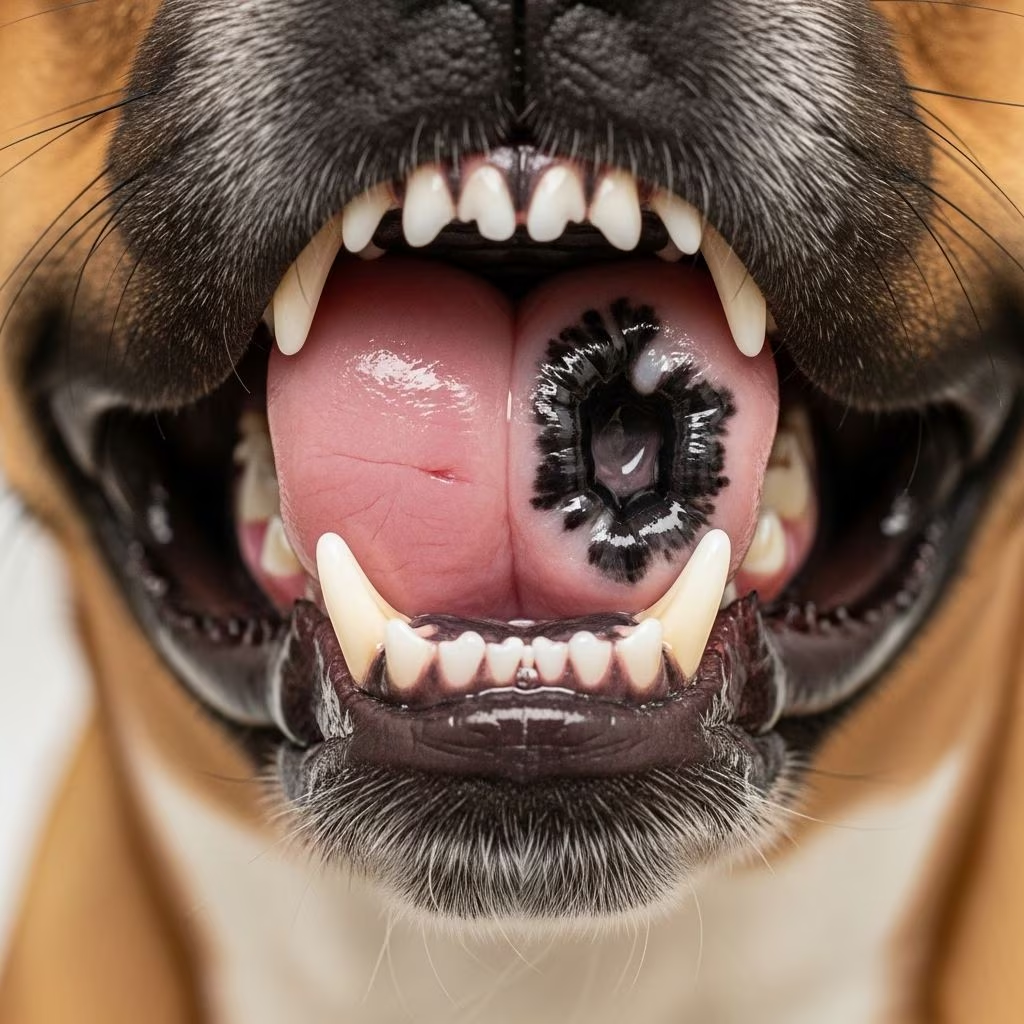
Black discoloration on a dog’s gums can be completely normal or a red flag for serious health issues. Many breeds naturally have black or spotted gums, but sudden changes like new raised spots or darkening accompanied by bad breath may indicate periodontal disease, infections, or even oral cancer such as melanoma. Regularly checking your dog’s gums is crucial for early detection of problems, as gum color reflects overall health, circulation, and oxygenation.
What Color Should Dog Gums Be?
Healthy dog gums are typically **light pink**, firm, and moist, resembling bubblegum in texture and color. They should blanch white when pressed gently with a finger and return to pink within 1-2 seconds, indicating good capillary refill time and blood flow. Some dogs have natural variations: black, brown spots, or fully pigmented gums are common and harmless in certain breeds.
However, deviations from your dog’s baseline—such as sudden paling, darkening, or unusual hues—warrant attention. Gums are a vital health indicator because they reveal issues with circulation, oxygenation, anemia, or systemic diseases.
Black Gums in Dogs: When It’s Normal
Black gums are a **normal pigmentation trait** in many dogs, especially those with dark snouts, lips, or tongues. This melanin-based coloring is genetic and present from birth, posing no health risk.
- Breeds with naturally black gums: Chow Chows, Shar-Peis, Black-Mouth Curs, Samoyeds (often blue-black tongues and gums), and some hounds or mixed breeds.
- Spotted or patchy black areas on pink gums are also common across breeds and perfectly healthy.
- These dogs maintain excellent oral health with no associated symptoms like odor or inflammation.
If your dog’s gums have always been black and they eat normally without discomfort, it’s likely benign. Pigmentation doesn’t affect gum function or increase disease risk.
Black Spots on Dog Gums: Causes and Concerns
New or changing black spots differ from lifelong pigmentation. Raised, irregular, or rapidly growing black areas could signal serious conditions.
| Condition | Symptoms | Potential Causes |
|---|---|---|
| Periodontal Disease | Darkening gums, bad breath, bleeding, tooth loss | Plaque buildup leading to infection and pigmentation changes |
| Gingivitis | Black line at gumline, inflammation, swelling | Early gum infection from poor hygiene |
| Melanoma/Oral Cancer | Raised black spots, growths, ulcers, bleeding | Malignant tumors common in mouth; early detection critical |
| Periodontal Tumors | Abnormal growths causing darkening | Benign or malignant masses affecting blood flow |
| Acanthosis Nigricans | Discoloration in gums and skin | Skin disorder leading to hyperpigmentation |
Black gums that develop suddenly, especially with foul breath or visible plaque, often stem from **periodontal disease**, affecting over 80% of dogs by age three due to bacteria. Cancerous melanomas appear as dark, pigmented masses and are aggressive, spreading quickly if untreated.
Other Dog Gum Colors and What They Mean
Beyond black, gum color variations signal specific health emergencies:
- Pale/White Gums: Anemia, blood loss, shock, heart disease, or poor circulation. Often with lethargy or weakness—vet emergency.
- Yellow/Icteric Gums: Liver disease, jaundice, or hemolytic anemia. May follow blood transfusions.
- Blue/Purple/Gray Gums (Cyanosis): Oxygen deprivation from respiratory issues, heart disease, hypothermia, or low blood pressure.
- Bright Red/Cherry Red Gums: Heatstroke, high blood pressure, poisoning, or infection.
- Bleeding/Inflamed Gums: Gingivitis, infections, or clotting disorders.
Any shift from your dog’s normal color requires prompt veterinary evaluation.
Signs of Unhealthy Dog Gums
Beyond color, monitor these red flags during weekly mouth checks:
- Bleeding when brushing or eating hard food.
- Swelling, redness, or ulceration.
- Growths, masses, or loose teeth.
- Persistent bad breath (halitosis).
- Pain, drooling, or reluctance to eat.
- Visible tartar or plaque buildup.
These symptoms often accompany blackening from disease progression.
How to Check Your Dog’s Gums at Home
Perform a simple 30-second exam weekly:
- Wash hands and gently lift lips.
- Inspect color: Compare to baseline (take photos).
- Check texture: Firm, not spongy or receding.
- Test capillary refill: Press on gum—should pink up in <2 seconds.
- Smell breath and note teeth for tartar.
- Look for abnormalities: Spots, sores, or swelling.
Train puppies early to tolerate handling for lifelong oral health.
Preventing Gum Problems in Dogs
Proactive care keeps gums healthy and prevents blackening from disease:
- Daily Brushing: Use dog-safe enzymatic toothpaste 3-7 times weekly.
- Dental Chews/Treats: VOHC-approved products reduce plaque.
- Professional Cleanings: Annually under anesthesia for thorough scaling.
- Diet: High-quality food rich in vitamins C/E; avoid sugars that feed bacteria.
- Water Additives/Rinses: Antimicrobial options for daily use.
- Regular Vet Dental Exams: Catch issues early.
Good hygiene halves periodontal risk.
When to See a Vet for Black Gums
Consult a vet immediately if:
- Black spots are new, raised, or growing.
- Accompanied by bad breath, bleeding, or pain.
- Color change from previous pink baseline.
- Any other unhealthy signs like paleness or cyanosis.
Diagnosis may involve biopsy for cancer, X-rays for tumors, or bloodwork. Treatments range from antibiotics and cleanings to surgery or chemotherapy. Early intervention improves outcomes dramatically.
Frequently Asked Questions (FAQs)
Are black gums normal in dogs?
Yes, for breeds like Chow Chows and Shar-Peis, black gums are a natural pigmentation. New blackening isn’t.
My dog has black gums and bad breath—what does it mean?
Likely periodontal disease or gingivitis. See a vet for cleaning and treatment.
Can black spots on gums be cancer?
Yes, melanoma often presents as dark spots. Biopsy confirms; early removal is key.
What if my dog’s gums turned black suddenly?
Not normal—could be infection, tumor, or disease. Vet evaluation urgent.
How do I know if black gums are healthy?
If lifelong, no symptoms, good refill time, and firm texture—they’re fine. Otherwise, check with vet.
References
- What Color Should My Dog’s Gums Be? — The Farmer’s Dog. 2023. https://www.thefarmersdog.com/digest/what-color-should-my-dogs-gums-be/
- What colour should my dog’s gums be? — Pooch & Mutt. 2023. https://www.poochandmutt.co.uk/blogs/health/what-colour-should-my-dog-s-gums-be
- Dog Gum Colors and What They Mean — PetMD. 2024-01-14. https://www.petmd.com/dog/general-health/dog-gum-colors-and-what-they-mean
- Dog Gum Colour Chart: Healthy Vs. Unhealthy Signs — PetLab Co. 2024. https://thepetlabco.ca/learn/health-wellness/dog-gum-colour
- What A Dog’s Gum Color Reveals About Their Health — Animal Dental Services. 2023. https://animaldentalservices.net/what-a-dogs-gum-color-reveals-about-their-health/
- Why Are My Dog’s Gums Black? — Petcube. 2023. https://petcube.com/blog/dog-has-black-gums/



