

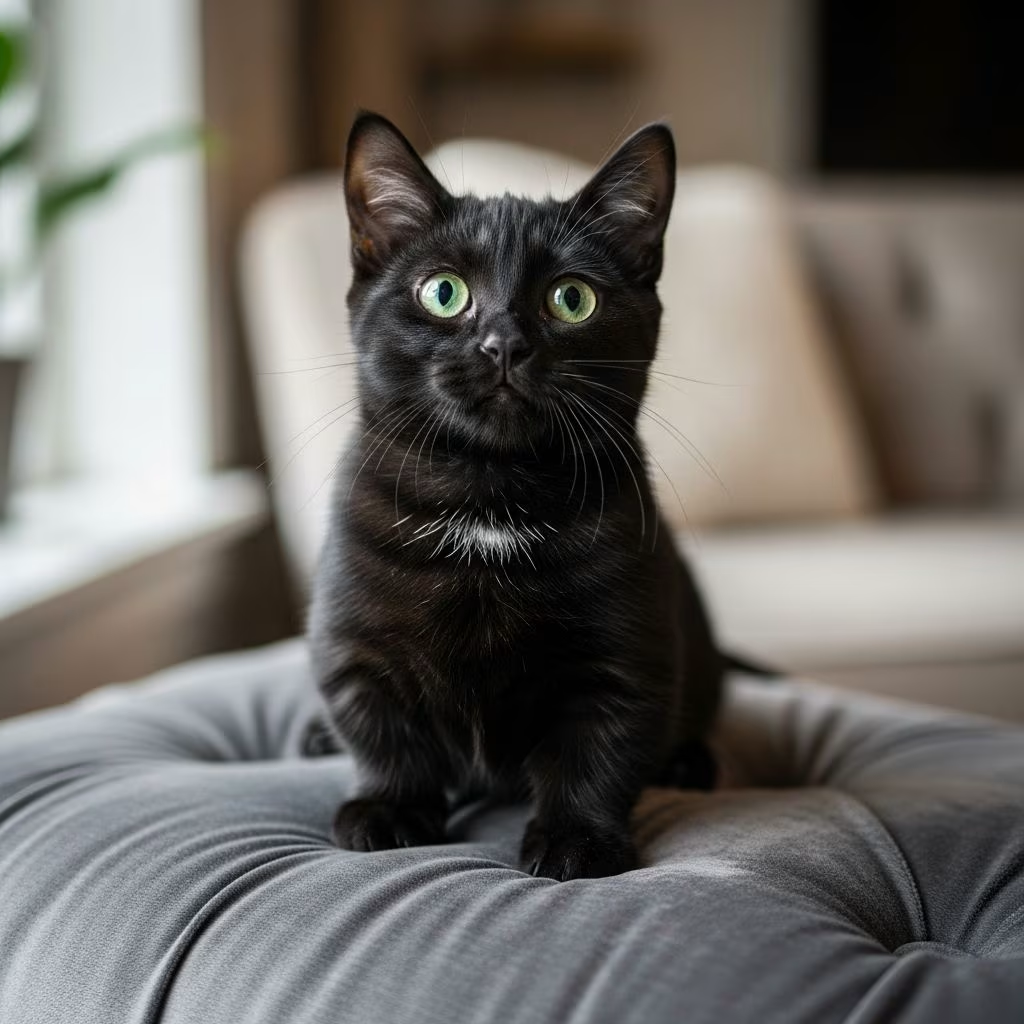
Black Munchkin cats captivate with their striking ebony coats and notably short legs, resembling everyday domestic cats scaled down in height. This breed arises from a natural genetic variation that shortens the leg bones while preserving a standard-length body, creating a distinctive silhouette that blends familiarity with novelty.
The Distinctive Physical Characteristics
These cats typically stand between 6 and 9 inches tall at the shoulder, significantly shorter than the average domestic cat’s 9 to 12 inches, yet their torsos match standard proportions, resulting in a compact, athletic build. Adult black Munchkins weigh 5 to 9 pounds, with males often on the higher end, supported by muscular frames that belie their diminutive stature.
Their glossy black fur is dense and plush, available in short or semi-long varieties, accentuating their rounded heads, large expressive eyes, and rounded ears. This coloration provides a sleek, mysterious allure, while eye colors range from vivid green to deep gold, adding to their kittenish charm that persists into adulthood.
Origins and Genetic Background
The Munchkin breed traces back to spontaneous mutations observed in domestic cats, first documented in the 1980s when a cat named Blackberry in Louisiana produced kittens with shortened limbs. Breeders selectively developed this trait through careful outcrossing to other domestic lines, ensuring no impact on other skeletal structures like the spine. The International Cat Association (TICA) recognizes both short-haired and long-haired Munchkins, validating their health and vitality under genetic oversight.
Black-coated variants emerge from standard Munchkin genetics combined with solid black pigmentation, a common feline color gene that produces uniform, lustrous fur without patterns or markings.
Temperament and Daily Behavior
Black Munchkins exude boundless energy and curiosity, often described as perpetually playful with a kitten-like spirit that endures. They excel at interactive games, eagerly chasing toys, retrieving small objects, and even mastering leash walking due to their intelligence and adaptability.
- Playful Explorers: Despite short legs, they dash swiftly, slide under furniture with ease, and navigate heights via stepwise climbs rather than high jumps.
- Affectionate Bonds: Highly social, they form deep attachments to owners, craving involvement in household activities and offering lap cuddles after play sessions.
- Family Adaptability: They thrive with children, dogs, and other cats, displaying patience and friendliness in multi-pet homes.
Owners note their dog-like devotion, including following family members room-to-room and vocalizing to engage attention, making them less suited for long solitary periods.
Ideal Living Environments
These cats flourish in engaged households where stimulation abounds. Apartments suit them well, provided vertical spaces like cat trees accommodate their climbing style, and interactive toys prevent boredom-induced mischief.
| Environment Type | Suitability | Key Considerations |
|---|---|---|
| Family Homes | Excellent | Supervise young kids; provide play outlets. |
| Singles/Couples | Very Good | Daily interaction essential to curb clinginess. |
| Multi-Pet Households | Good | Proper introductions ensure harmony. |
| Senior Living | Moderate | Gentle nature fits, but activity levels vary. |
Health Considerations and Lifespan
Responsible breeding yields healthy Munchkins with lifespans of 12 to 15 years, comparable to other domestics. The short-leg gene, while dominant, requires heterozygous pairing to avoid lethal homozygous offspring, a practice enforced by ethical breeders.
Potential musculoskeletal issues, such as osteoarthritis, pose risks due to the limb mutation, necessitating weight management and joint-supportive nutrition. Unlike dwarf dogs, their spines remain unaffected, preserving mobility into old age.
- Maintain ideal weight via balanced, protein-rich diets to minimize joint stress.
- Schedule biannual veterinary exams for early detection of issues.
- Encourage low-impact exercise like chasing laser pointers over excessive jumping.
Grooming and Maintenance Routines
Short-haired black Munchkins need weekly brushing to distribute oils and reduce shedding, while long-haired variants demand twice-weekly sessions to prevent mats. Their coats resist weathering, staying resilient year-round.
Nail trims every 10-14 days, ear cleanings monthly, and dental care via brushing or treats promote overall hygiene. Litter box training comes naturally, with their low stature aiding access to standard designs.
Nutrition and Exercise Essentials
A high-quality diet emphasizing lean proteins supports muscle tone and energy needs, with portion control preventing obesity that exacerbates joint strain. Fresh water access and puzzle feeders enhance mental stimulation.
Daily 15-20 minute play sessions suffice, leveraging their agility for fun without overexertion. Toys mimicking prey encourage hunting instincts, keeping them fit and engaged.
Bringing Home a Black Munchkin Kitten
Select reputable breeders adhering to TICA standards, verifying health clearances and avoiding extreme leg shortness. Kittens reach near-adult size by 12 months, displaying full personality by 18 months.
Prepare with scratching posts, elevated beds, and safe exploration zones. Early socialization fosters their sociable traits, ensuring a smooth transition.
Common Myths and Facts
| Myth | Fact | Source Insight |
|---|---|---|
| Munchkins suffer constant pain. | Research shows no inherent pain; issues arise mainly from obesity. | TICA Genetics Committee. |
| They can’t jump or run well. | They run fast, jump stepwise, and keep pace with dogs. | Breeder observations. |
| Black coats mean different temperament. | Color doesn’t alter personality; all Munchkins are playful. | Vet consensus. |
FAQs About Black Munchkin Cats
Are black Munchkin cats more prone to health issues than other colors?
No, coat color does not influence health; concerns stem solely from the leg gene, managed through breeding and care.
How much exercise do they need?
15-30 minutes daily of interactive play meets their needs, preventing boredom.
Do they get along with other pets?
Yes, their sociable nature facilitates bonds with dogs and cats after proper introductions.
What’s the grooming like for black fur?
Weekly brushing maintains shine; black fur shows dust easily, so regular wiping helps.
Can they live long, healthy lives?
With proper care, expect 12-15 years; vet monitoring is key.
References
- Adult Munchkin Cat: Size, Appearance & Personality Guide — Purebred Kitties. 2023. https://purebredkitties.com/blogs/munchkin-cat/adult-munchkin-cat-size-appearance-and-personality-guide
- Munchkin – TICA — The International Cat Association. 2024-01-15. https://tica.org/breed/munchkin/
- Black Munchkin Cat: Info, Pictures, Facts & History — Catster. 2023-05-20. https://www.catster.com/cat-breeds/black-munchkin-cat/
- Munchkin Cat Personality: How Do Munchkin Cats Act? — Litter-Robot. 2024. https://www.litter-robot.com/blog/munchkin-cat-personality/
- Munchkin Cat Breed Health and Care — PetMD. 2023-11-10. https://www.petmd.com/cat/breeds/munchkin



