

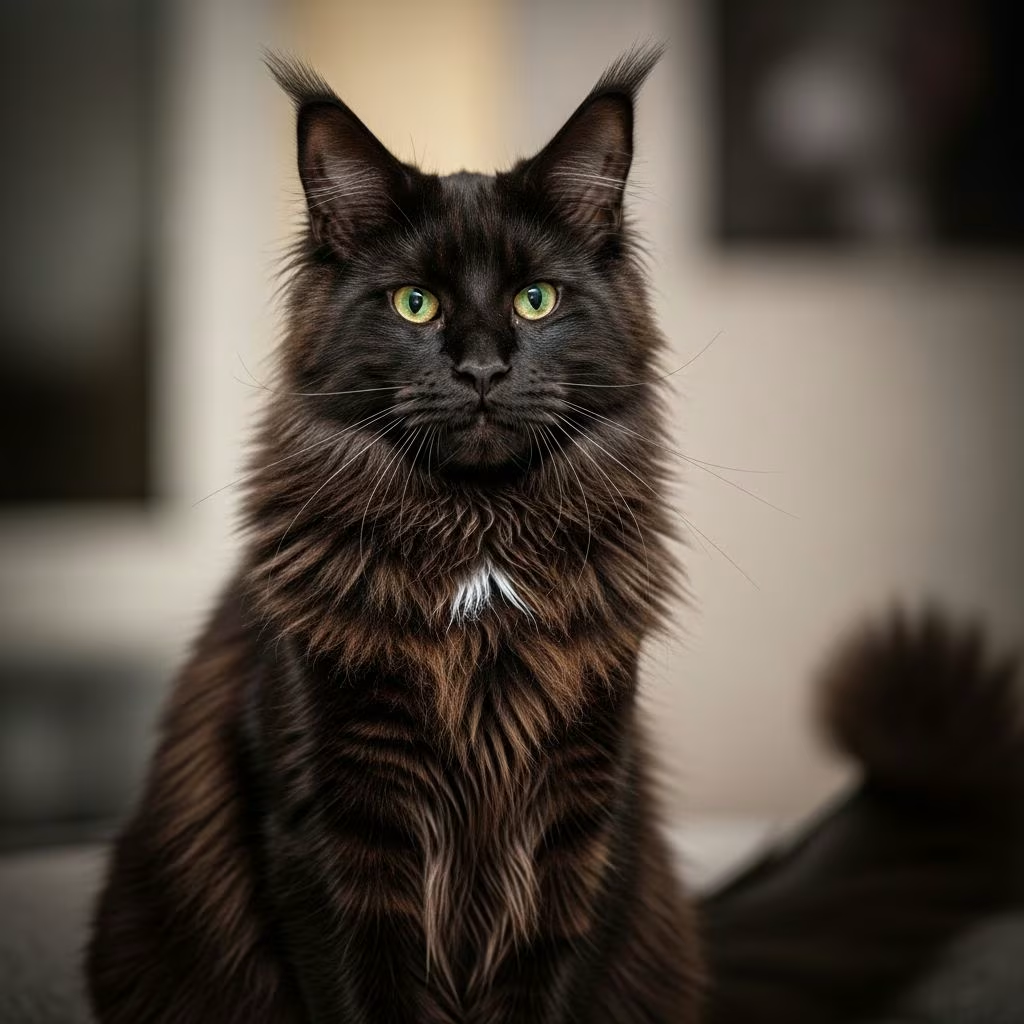
Black Maine Coon cats stand out as one of the most captivating felines, combining enormous size with a luxurious all-black coat that exudes mystery and elegance. Renowned as the largest domesticated breed, these cats possess a rugged build adapted for harsh climates, yet they display a remarkably affectionate and dog-like personality that endears them to families worldwide.
Origins and Historical Legacy of the Maine Coon Breed
The Maine Coon breed traces its roots to the rugged northeastern United States, particularly the state of Maine, where it developed as a resilient working cat during long, frigid winters. Folklore suggests influences from long-haired cats brought by sailors or even escaped domesticated cats from ships, contributing to their distinctive tufted ears and water-repellent fur. By the late 19th century, Maine Coons gained fame in cat shows, solidifying their status as an American icon.
While the breed standard encompasses various colors, the solid black variant emerged prominently due to selective breeding, highlighting the deep, glossy ebony hue that absorbs light and creates a sleek silhouette. Historical records from breed registries note black Maine Coons competing successfully, prized for their balanced proportions and amiable demeanor.
Defining Physical Attributes of Black Maine Coons
Black Maine Coons epitomize grandeur with their substantial frames. Males typically weigh 13 to 18 pounds, while females range from 8 to 12 pounds, though exceptional individuals exceed 20 pounds. Their rectangular bodies feature broad chests, muscular legs, and a long, bushy tail often as long as the torso itself, providing balance and warmth.
The hallmark coat is dense and shaggy, longer along the stomach, britches, and neck forming a ruff reminiscent of a lion’s mane. In black specimens, this fur appears uniformly jet-black, from roots to tips, with a natural oil layer rendering it water-resistant for snowy treks. Ear tufts, resembling lynx tips, and paw furnishings aid in traversing rough terrain, while large, tufted paws act like natural snowshoes.
Eyes in black Maine Coons are usually vivid green, gold, or copper, contrasting strikingly against the dark fur, though blue eyes occur in some lines. Their square muzzles and high cheekbones contribute to an expressive, friendly face.
| Feature | Male Average | Female Average | Notable Trait |
|---|---|---|---|
| Weight | 13-18 lbs | 8-12 lbs | Largest domestic breed |
| Length (body + tail) | 40-48 inches | 36-42 inches | Bushy tail for warmth |
| Coat (Black Variant) | Jet black, shaggy | Jet black, shaggy | Water-repellent oil |
| Ears | Large, tufted | Large, tufted | Lynx-like tips |
Temperament: The Dog-Like Affection of Black Maine Coons
Far from aloof, black Maine Coons are sociable extroverts with a “gentle giant” reputation. They form deep bonds with owners, often following them room-to-room and greeting arrivals with chirps, trills, and chirrups rather than meows. Highly intelligent, they excel at fetch, puzzle toys, and even leash walking, blending cat independence with canine loyalty.
- Social Butterflies: Thrive in households with children, dogs, and other pets; rarely aggressive.
- Playful Lifelong: Retain kittenish energy into senior years, loving interactive games.
- Gentle Guardians: Alert to threats without excessive vocalization; make soft “singing” sounds.
- Affectionate: Enjoy lap time, head-butts, and belly rubs when earned.
Unlike high-strung breeds, they adapt to apartments if provided enrichment, though they flourish in spacious homes with vertical spaces.
Care Essentials for Thriving Black Maine Coons
Maintaining the lustrous black coat requires weekly brushing to prevent mats, especially during shedding seasons. Use a wide-tooth comb for the ruff and tail. Their size demands a high-protein diet supporting lean muscle; portion control prevents obesity.
- Grooming Routine: Brush 2-3 times weekly; check ears monthly; trim nails biweekly.
- Nutrition: 300-500 calories daily, split into meals; wet food aids hydration.
- Exercise: 30-60 minutes daily of play; cat trees for climbing.
- Litter: Large, uncovered boxes due to size.
Interactive toys like feather wands stimulate their hunter instincts, while puzzle feeders engage their smarts.
Health Considerations Specific to Black Maine Coons
Robust overall, Maine Coons live 12-15 years but face breed predispositions like hypertrophic cardiomyopathy (HCM), hip dysplasia, and spinal muscular atrophy (SMA). Annual vet checks with heart ultrasounds are crucial from age one. Black coat owners should monitor for skin issues under dense fur.
Genetic screening via DNA tests from reputable breeders reduces risks. Early spaying/neutering aids weight management.
| Common Issue | Symptoms | Prevention |
|---|---|---|
| HCM | Lethargy, coughing | Genetic testing, echo |
| Hip Dysplasia | Limping, reluctance to jump | Weight control, X-rays |
| Obesity | Weight gain, low energy | Diet, exercise |
Finding and Selecting a Black Maine Coon Kitten
Reputable breeders prioritize health testing and socialization. Expect waitlists; kittens reach maturity at 3-5 years. Shelters occasionally have rescues. Budget $1,000-$2,500 for pedigreed kittens.
Look for alert, friendly kittens with clear eyes and no signs of respiratory distress. Post-adoption, provide a quiet adjustment space.
Unique Appeal of the Black Coat Variant
The solid black coloration in Maine Coons results from the dominant black gene (B), producing uniform melanin without tabby patterns. This rare solid shade amplifies their imposing presence, often mistaken for wild cats at a distance. Sun exposure may lighten tips to rusty brown, but proper care preserves the midnight sheen.
Black Maine Coons symbolize elegance and strength, making them favorites in photography and media.
Daily Life with a Black Maine Coon
Expect a companion who supervises chores, dips paws in water bowls, and curls tail around guests. Their vocal repertoire includes purring trills and chirps during play. Training succeeds with positive reinforcement; many learn “sit” or high-five.
In multi-pet homes, they mediate with calm authority, rarely scratching. Seniors appreciate their low-climb preference, staying at ground level.
FAQs About Black Maine Coons
Are Black Maine Coons rare?
Solid black is less common than tabby but available from ethical breeders.
Do they shed a lot?
Moderate shedding; regular brushing manages it effectively.
Are they good with kids?
Yes, patient and tolerant, ideal family pets.
How big do they really get?
Males up to 4 feet including tail; largest natural domestic breed.
What’s their lifespan?
12-15 years with proper care.
Why Choose a Black Maine Coon?
These ebony giants offer unmatched companionship: intelligence, loyalty, and visual splendor. Their adaptability suits varied lifestyles, from farms to condos, provided needs are met.
References
- Maine Coon Cat: A Complete Breed Profile — WHISKAS® UK. 2023. https://www.whiskas.co.uk/cat-breeds/maine-coon
- Maine Coon Traits, Appearance, Character — VetAmerikan. 2024. https://www.vetamerikan.org/our-best-friends/cat-types/maine-coon
- Maine Coon Cat Characteristics & Care Guide — Cat Evolution. 2023. https://catevolution.com.au/blogs/cat_tips_tricks/maine-coon-cat-characteristics
- Maine Coon Cat Breed Standard — Cat Fanciers’ Association. 2024-01-15. https://cfa.org/breed/maine-coon-cat/
- Maine Coon Breed Characteristics — Chewy. 2024. https://www.chewy.com/education/cat-breeds/maine-coon
- Maine Coon Cat Breed — Hill’s Pet Nutrition. 2023. https://www.hillspet.com/cat-care/cat-breeds/maine-coon



