

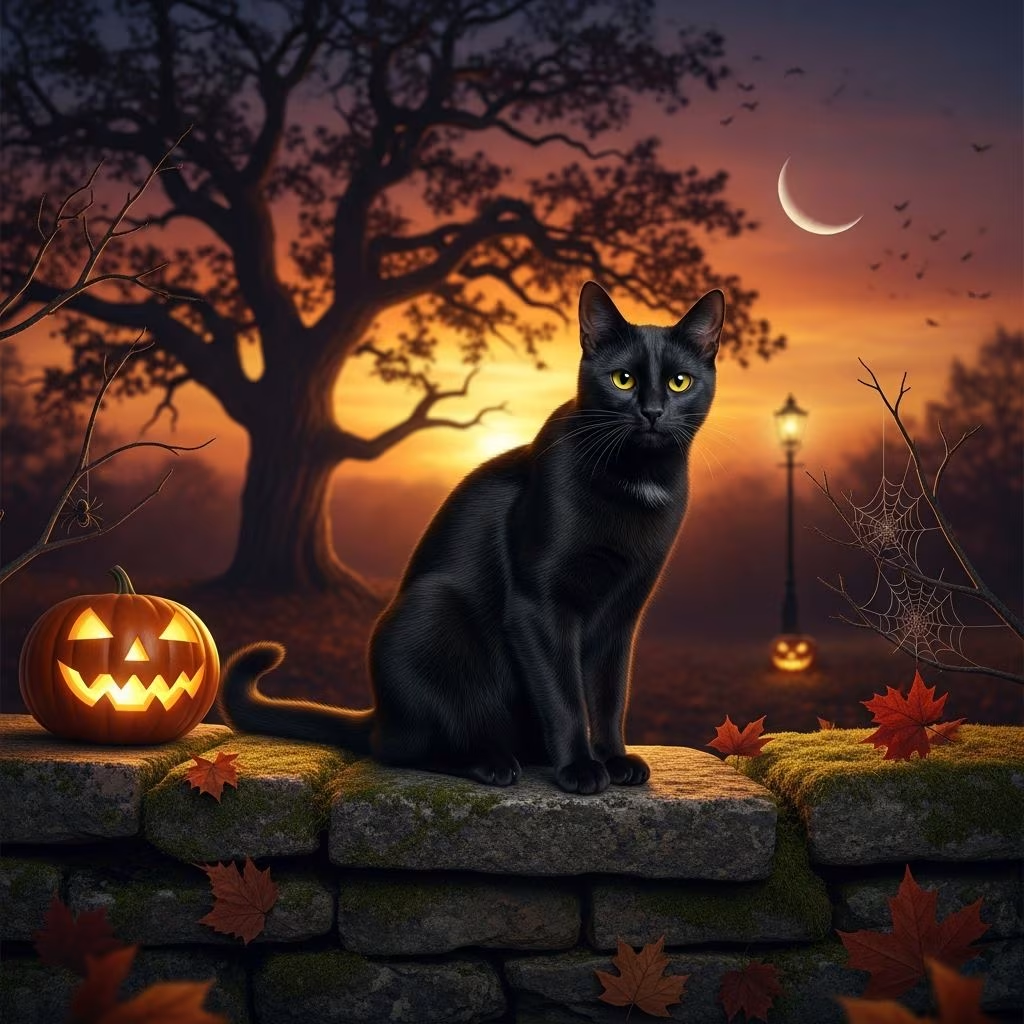
When October arrives, black cats suddenly dominate popular culture—featured on decorations, costumes, and holiday merchandise everywhere. Yet alongside this festive imagery comes a persistent narrative that black cats face extraordinary danger during Halloween. Parents warn their children, shelters restrict adoptions, and pet owners become anxious about letting their feline companions outdoors. But does this widespread concern reflect actual danger, or have we allowed folklore to override evidence? Understanding the true risks facing black cats requires examining both historical superstitions and contemporary data.
The Historical Foundation of Black Cat Superstitions
The association between black cats and malevolence stretches back centuries. Medieval Europe linked black felines to witchcraft, demonology, and dark magic, a connection that persisted through the ages. This historical baggage created a framework where black cats became symbols of ill fortune and evil, particularly during Halloween—a holiday rooted in ancient traditions that blur boundaries between the living and supernatural realms.
These superstitions influenced cultural attitudes so deeply that they continue shaping decisions today. Shelters implement adoption restrictions, rescue organizations warn prospective adopters, and concerned cat owners keep their black pets strictly indoors during October. The assumption underlying these precautions is straightforward: if centuries of tradition identify black cats as targets for dark purposes, modern Halloween celebrations likely perpetuate these practices.
What Research Actually Reveals About Halloween Dangers
Despite the pervasiveness of Halloween-related black cat concerns, empirical evidence tells a strikingly different story. Experts specializing in cult practices, animal welfare, and the history of Halloween have consistently reached the same conclusion: there is no documented evidence supporting the claim that black cats face elevated danger on Halloween. According to research cited by National Geographic, experts have found “no confirmed statistics, court cases, or studies to support the idea that serious satanic cult crime even exists.”
Major animal rescue organizations have publicly stated their position on this matter. Alley Cat Allies, a respected cat rescue group, declares unequivocally that “black cats are in no more danger on Halloween than any other time of the year.” Best Friends Animal Society similarly notes that “there is no evidence that adopting black cats around Halloween poses any greater risk to the pets than adopting them at any other time of the year.”
Even anecdotal evidence of black cat violence spiking during Halloween remains sparse and typically secondhand. While disturbing incidents involving animal cruelty do occasionally occur, these cases are exceptional rather than systemic. The stories that circulate tend to become memorialized in collective memory precisely because they are unusual—not because they represent a widespread pattern.
The Paradox of Well-Intentioned Restrictions
Many shelters and rescue organizations have adopted policies restricting black cat adoptions during October and early November, operating from a protective impulse. However, these restrictions create an unintended consequence that may harm the very animals they aim to protect.
Black cats already face significant disadvantages in the adoption process year-round. They represent the largest proportion of cats in rescue facilities, yet they are consistently the last animals to find homes. Their lack of distinctive markings makes them harder to feature in promotional photography, reducing their visibility to potential adopters. Additionally, black cats spend longer in shelters than their lighter-furred counterparts, and euthanasia rates for black cats exceed those of other colored cats.
When shelters remove black cats from adoption availability for extended periods around Halloween, they inadvertently worsen these existing disparities. During weeks when potential adopters are actively seeking black cats—motivated by holiday enthusiasm or genuine interest—these animals remain caged instead of being placed in homes. This creates a paradoxical situation where protective measures may ultimately decrease the likelihood that vulnerable black cats will escape shelter environments, where they face far greater danger than any Halloween celebration could pose.
Real Dangers Versus Imagined Ones: A Comparison Table
| Perceived Halloween Danger | Evidence Level | Actual Risk Assessment |
|---|---|---|
| Ritualistic sacrifice by satanic groups | None documented | Unfounded urban legend |
| Targeted violence and abuse | Anecdotal only | No statistical pattern established |
| Difficulty seeing black cats at night | Physically logical | Genuine safety concern year-round |
| Increased traffic and foot traffic | Observable during Halloween | Real hazard on holiday night |
| Shelter euthanasia | Well documented | Leading cause of cat death daily |
Actual Hazards That Deserve Attention
While black cats face no exceptional Halloween-specific dangers, the holiday does create legitimate risks that affect all cats, particularly black ones. These genuine concerns merit practical responses:
Visibility Issues: Black cats’ dark coloring makes them nearly invisible in nighttime conditions. During Halloween, when increased street activity and trick-or-treating occur after dark, motor vehicle accidents involving black cats increase plausibly. This danger exists year-round but intensifies during Halloween’s heightened evening activity.
Environmental Stress: Halloween transforms familiar neighborhoods into chaotic, unfamiliar spaces. Costume-wearing visitors appear suddenly and unpredictably. Decorations change the visual landscape. Noise levels spike dramatically. For anxious cats, these environmental changes create stress that can lead to escape attempts or hiding behavior that puts them at risk of becoming lost.
Accidental Poisoning: Halloween treats and decorative items often contain substances toxic to cats, including chocolate, artificial sweeteners, and certain plants. When trick-or-treaters visit homes with cat owners, the risk of accidental poisoning increases if boundaries between human treats and cat areas blur.
Shelter Crisis: The most significant danger black cats face year-round—not specifically on Halloween—is death in animal shelters. According to animal welfare advocates, countless cats are killed every day in shelters regardless of their coloring. For black cats specifically, this systemic danger far exceeds any Halloween-related risk.
The Biological Advantages of Black Coats
Interestingly, black cats possess certain biological advantages that contradict their association with bad luck or vulnerability. Research indicates that black cats have stronger immune systems compared to cats with other fur colors, making them more resistant to certain diseases. Their dark coats also provide a practical advantage: dirt and debris show less readily on black fur, meaning these cats maintain a cleaner appearance with less frequent bathing than their light-colored counterparts.
These biological facts reinforce that black cats differ from other cats primarily in appearance, not in their capacity to thrive, survive, or bring joy to their families. The superstitions surrounding them have no basis in their actual nature or vulnerabilities.
Screening Processes and Responsible Adoption
One argument sometimes offered in support of Halloween adoption restrictions is that shelters cannot adequately screen adopters for harmful intent. However, professional adoption agencies have developed sophisticated evaluation processes specifically designed to identify unsuitable homes. Adoption professionals can assess living conditions, interview prospective owners extensively, conduct reference checks, and make determinations about whether an adoption should proceed.
The premise that shelters cannot distinguish between genuinely interested adopters and those with harmful motives underestimates the expertise of adoption professionals. Many of whom have dedicated their careers to making appropriate matches between pets and families. If anything, restricting adoptions prevents these professionals from fulfilling their primary mission: finding homes for vulnerable animals.
Practical Safety Strategies for Halloween Season
Rather than implementing blanket adoption restrictions based on unfounded fears, cat owners and shelters should focus on evidence-based safety measures that address real Halloween risks:
- Keep cats indoors: The most effective Halloween safety measure involves preventing outdoor access during the holiday week. This protects cats from traffic, encourages escape, and prevents contact with strangers.
- Update microchips and identification: Ensure current information is registered with microchip companies. Collars and tags should be secure and legible.
- Maintain normal routines: Reduce stress by keeping feeding, play, and sleep schedules consistent despite Halloween disruptions.
- Create safe spaces: Provide quiet rooms away from decorations, visitors, and noise where cats can retreat and feel secure.
- Secure treats and decorations: Store candy, artificial sweeteners, and potentially toxic decorative items where cats cannot access them.
- Continue adoption programs: Rather than pausing adoptions, shelters should maintain their placement efforts and employ thorough screening processes for all adopters regardless of season.
The Broader Context of Black Cat Welfare
Black cats face a year-round adoption disadvantage that deserves attention independent of Halloween concerns. Their overrepresentation in rescue facilities, longer shelter stays, lower adoption rates, and higher euthanasia rates represent systemic inequities that demand solutions. Halloween should not become an excuse to compound these existing disadvantages through adoption restrictions.
If anything, Halloween season—when public interest in black cats peaks—offers an opportunity to increase adoptions and reduce shelter populations. Marketing campaigns can highlight black cats’ appealing qualities and excellent temperaments. Adoption events specifically celebrating black cats could accelerate their placement into loving homes.
Frequently Asked Questions
Are black cats really in more danger on Halloween?
No. Research and expert consensus indicate that black cats face no greater danger on Halloween than any other day. The persistent belief in elevated Halloween risks lacks supporting evidence.
Should shelters stop adopting out black cats before Halloween?
No. Adoption restrictions based on unfounded safety concerns may harm black cats by keeping them in shelters longer during periods when adoption interest is high. Thorough screening processes are sufficient to ensure appropriate adoptions.
What are the real dangers to black cats on Halloween?
Black cats face the same dangers all cats encounter on Halloween: increased traffic from foot traffic and vehicles, visibility challenges in darkness, environmental stress from unfamiliar decorations and noise, and accidental poisoning from treats and decorations.
Do black cats have weaker immune systems?
The opposite is true. Research suggests black cats have stronger immune systems than cats with other fur colors, making them more disease-resistant.
What should I do to keep my black cat safe during Halloween?
Keep your cat indoors during Halloween week, ensure microchip and identification information is current, maintain normal routines, create safe retreats away from activity, and secure potentially toxic items.
Conclusion: Evidence Over Superstition
The narrative surrounding black cat danger on Halloween has become so entrenched in popular culture that it persists despite the absence of supporting evidence. Well-meaning individuals perpetuate the story, shelters implement restrictive policies, and concerned pet owners unnecessarily limit their cats’ lives—all based on superstitions rather than facts.
Moving forward requires distinguishing between the genuine hazards that Halloween poses to all cats and the mythological dangers that exist only in collective imagination. Black cats deserve adoption opportunities based on their individual personalities and needs, not on baseless historical associations with evil. They merit the same adoption access and protective care as any other feline, regardless of their coat color or the calendar date.
By focusing on evidence-based safety measures and maintaining adoption programs throughout the year, communities can honor both the welfare of black cats and the integrity of the adoption process. Halloween should be a season of celebration—for humans and the cats that share our homes—not a time when superstition overrides reason and compassion.
References
- Network for Animals: Black Cats and Halloween: The Myths, The Facts and The Potential Dangers — Network for Animals. https://networkforanimals.org/black-cats-and-halloween-the-myths-the-facts-and-the-potential-dangers/
- Breaking Down Halloween Black Cat Myths — Operation Kindness. https://www.operationkindness.org/breaking-down-halloween-black-cat-myths/
- The Dark Truth About Black Cats and Halloween — Oak Forest Veterinary Clinic. https://oakforestvet.com/the-dark-truth-about-black-cats-and-halloween/
- How We Can REALLY Protect Black Cats on Halloween and Every Day — Alley Cat Allies. https://www.alleycat.org/how-we-can-really-protect-black-cats-on-halloween-and-every-day/
- Myth Buster: Adopting Black Cats at Halloween — Best Friends Animal Society. https://bestfriends.org/stories/julie-castle-blog/myth-buster-adopting-black-cats-halloween
- Halloween Pet Safety: Tips to Keep Your Furry Friends Safe — Shelter Animals Count. https://www.shelteranimalscount.org/halloween-pet-safety-tips-to-keep-your-furry-friends-safe-this-trick-or-treat-season/



