

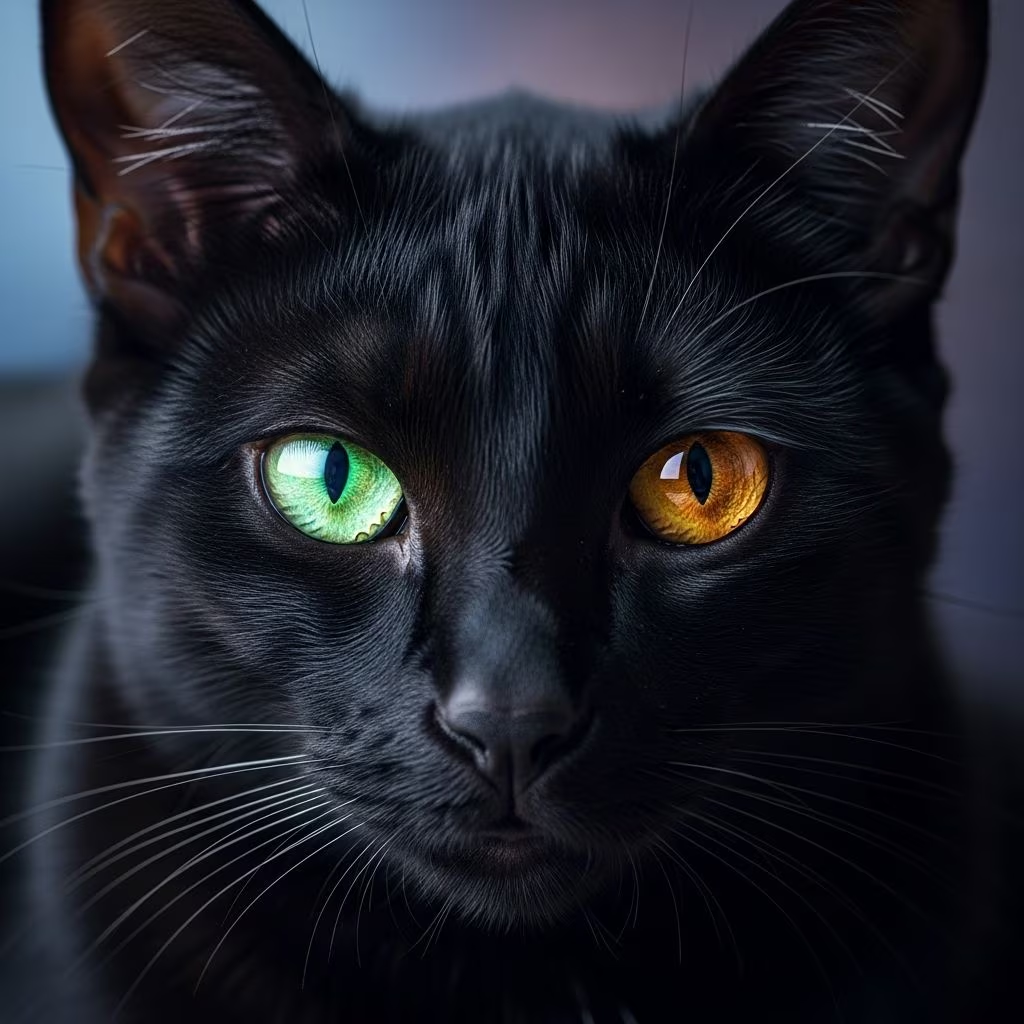
The image of a black cat with gleaming green eyes is iconic in popular culture and folklore. However, this romanticized picture doesn’t reflect the biological reality of feline eye color genetics. Black cats display a remarkable variety of eye colors, and understanding why requires diving into the fascinating science of melanin production and genetic inheritance.
Understanding the Genetic Foundation of Eye Color
The color of a cat’s eyes, regardless of coat color, depends fundamentally on the amount of melanin present in the iris structure. Melanocytes are specialized cells responsible for producing melanin, the pigment that determines not only eye color but also fur color and skin pigmentation across all mammals. In cats, these melanocytes create two distinct types of pigment granules: pheomelanin, which produces red-yellow hues, and eumelanin, which creates black-brown coloring.
The iris itself contains two critical layers where pigmentation occurs: the stroma (the outer, thickest layer) and the posterior pigmented epithelium (the inner layer). The concentration and distribution of melanin across these layers determine the final eye color. This process isn’t directly linked to coat color genetics, meaning a black-furred cat isn’t automatically destined to have any particular eye color.
Why Black Cats Don’t All Have Green Eyes
The persistent myth that all black cats have green eyes likely stems from the striking visual contrast between dark fur and light-colored eyes. In reality, black cats exhibit a spectrum of eye colors that reflects the independent nature of eye and coat color genetics. While coat color in black cats results from high eumelanin production, eye color follows its own genetic blueprint.
Black cats commonly display the following eye colors:
- Yellow and Gold: The most frequently observed eye color in black cats, resulting from moderate melanin levels in the iris
- Orange and Copper: A rich, reddish-brown hue caused by high melanin concentration, particularly common in breeds like the Bombay
- Green: Occurs when melanin levels are lower than those producing orange eyes but higher than those producing blue
- Amber: A warm, brownish tone representing another variation in melanin distribution
- Blue: Extremely rare in solid black cats, appearing when melanin is nearly or completely absent from the iris stroma, allowing light to scatter and create the blue appearance
The Role of Melanin in Eye Color Variation
The amount of melanin-producing cells active in a cat’s iris directly correlates with the intensity and warmth of eye color. Cats with abundant active melanocytes develop warmer, deeper eye colors like orange or copper. Those with fewer active melanocytes display lighter colors like green or yellow. The complete absence or near-absence of melanin in the stroma results in blue eyes, as light entering the eye scatters without melanin to absorb it.
This variation in melanocyte activity isn’t random—it’s controlled by multiple genes that work together to determine the final phenotype. Some genes suppress melanin production entirely, while others regulate its intensity. The interaction between these genetic factors creates the diverse eye color palette observed in black cats worldwide.
Genetic Patterns and Breed Influences
While any domestic black cat can theoretically develop any eye color variation, certain breeds show genetic predispositions toward specific eye colors due to selective breeding practices and concentrated gene pools.
Bombay cats, deliberately bred to resemble miniature panthers, typically display copper or gold eyes. Their genetics heavily favor warm eye colors that complement their jet-black coats. However, when Bombays are crossed with other breeds or when recessive genes emerge, unexpected eye color variations can occur.
Siamese mixes represent another interesting genetic scenario. Pure Siamese cats are renowned for their brilliant blue eyes, but their coats are typically pointed rather than solid black. When Siamese genetics are introduced into black-coated breeds through mixed breeding, the offspring may inherit the blue-eyed trait alongside black fur—a combination that appears striking but remains relatively uncommon.
Ojos Azules represent a unique breed exception. This breed carries a dominant blue-eyed gene that functions independently of coat color. This means Ojos Azules cats can display blue eyes with virtually any coat color, including solid black, making them one of the few cat types where blue eyes in black fur are more predictable from a genetic standpoint.
The Distinction Between Coat and Eye Color Genetics
One of the most important genetic concepts to understand is that coat color and eye color operate largely independently in cats. A black cat’s dark fur results from high eumelanin production in the hair shaft, but this doesn’t dictate eye color. The genes controlling melanin production in fur are separate from those controlling melanin in the iris.
This independence explains why black cats with green, yellow, orange, and even blue eyes all exist naturally. It also explains why certain breeds, like Siamese, can have blue eyes despite their pointed (non-black) coat colors. The genes responsible for colorpoint patterns suppress pigment production in specific body areas, leading to cream or light-colored fur but allowing blue eyes through a different genetic mechanism.
The white coat color presents another instructive example. The dominant white (W) gene produces white fur in 100% of cats carrying it, and it simultaneously influences eye color and hearing ability. White cats frequently have blue eyes because the W gene suppresses melanin production throughout the body, including the iris. Interestingly, this same gene is responsible for the high rate of deafness in white cats with blue eyes, as the genetic mechanism affecting pigment production also affects inner ear development.
Rare Blue Eyes in Black Cats: How Does It Happen?
Blue-eyed black cats represent a genetic rarity that captures attention precisely because it seems contradictory. How can a cat with abundant eumelanin in its fur have minimal melanin in its eyes? The answer lies in rare genetic variations or mutations that allow conflicting genes to coexist.
These variations might involve:
- Mutations in genes controlling melanin production specifically in the iris
- Inherited genes from breeds carrying the blue-eyed trait, such as Siamese or Ojos Azules ancestry
- Rare combinations of recessive genes that escape normal pigmentation pathways
- Genetic mosaicism, where different cell lineages carry different genetic instructions
While these scenarios are uncommon, they demonstrate that cat genetics maintains enough flexibility to produce unexpected and beautiful results. Each blue-eyed black cat represents a unique genetic story, making these felines particularly special to their owners.
Health Implications of Different Eye Colors
Eye color in cats carries more significance than pure aesthetics. Certain eye color genetics correlate with health considerations that responsible cat owners should understand.
Blue eyes in white cats present the most notable health connection. Approximately 40% to 85% of white cats with blue eyes experience some degree of deafness, depending on whether they have one or two blue eyes. This occurs because the genes producing blue eyes also affect melanocyte migration to the inner ear during fetal development.
Odd-eyed cats (heterochromia), where each eye displays a different color, also frequently appear in white or partially white cats. Like blue-eyed white cats, these felines may experience hearing loss in one or both ears. The genetic mutation causing the color difference in one eye affects pigment cell migration in that region, sometimes extending to nearby neural tissue.
Copper and orange eyes in black cats generally indicate healthy melanin production and carry no known health risks. These warm eye colors are considered desirable in show cats, particularly in breeds like Bombays and Persians, and reflect robust genetic health.
Sudden eye color changes warrant veterinary evaluation regardless of the cat’s normal eye color. While gradual deepening of eye color intensity is normal as kittens mature, sudden shifts might indicate underlying health issues requiring professional assessment.
Common Questions About Black Cat Eye Color
Do all black cats have the same eye color?
No. Black cats display a full spectrum of eye colors including yellow, green, orange, copper, amber, and rarely blue. Each cat’s eye color depends on its individual genetic makeup rather than its coat color.
Why do some black cats have bright yellow eyes while others have orange?
The difference reflects varying levels of melanin concentration in the iris. Higher melanin levels produce warmer orange or copper tones, while moderate levels create yellow or gold. The specific intensity depends on how active that individual cat’s melanocytes are.
Can a black kitten’s eye color change as it grows?
Yes. Many kittens are born with blue eyes that gradually change color as melanin develops in their irises. This process can take weeks to months, eventually settling on the cat’s permanent adult eye color. Eye color may also gradually intensify and deepen throughout the cat’s first year of life.
Is heterochromia (odd eyes) common in black cats?
Heterochromia is most common in white or partially white cats. It’s much rarer in solid black cats but can occasionally occur due to genetic mutations, mosaicism, or congenital conditions. When it does appear in black cats, it’s typically not hereditary.
What determines whether a black cat will have blue eyes?
Blue eyes in black cats require specific genetic circumstances that are quite rare. These might include ancestry from blue-eyed breeds, carrier genes for blue eye traits, or spontaneous genetic mutations. Most black cats will never develop blue eyes due to their genetic programming for high eumelanin production.
The Beauty of Genetic Diversity in Black Cats
Rather than conforming to a single eye color stereotype, black cats celebrate the remarkable diversity possible within feline genetics. From the warm glow of amber eyes to the striking contrast of blue, each eye color tells a story of genetic inheritance and mutation. Understanding that black cats can and do display variable eye colors helps cat lovers appreciate the individuality of their pets while recognizing the sophisticated genetic systems underlying these visible traits.
The persistence of the “green-eyed black cat” myth in popular culture shouldn’t diminish appreciation for the yellow-eyed, orange-eyed, and copper-eyed black cats that far more commonly grace households and shelters. Each variation represents the beautiful unpredictability of genetic expression, reminding us that nature’s palette extends far beyond cultural stereotypes.
References
- Secrets Behind the Rare Black Cat With Blue Eyes Revealed — Zeze Life. Accessed January 2026. https://www.zezelife.com/secrets-behind-the-rare-black-cat-with-blue-eyes-revealed/
- Why Do Some Black Cats Have Orange Eyes? Vet Approved Facts — Catster. Accessed January 2026. https://www.catster.com/cat-health-care/why-do-some-black-cats-have-orange-eyes/
- Cat Coloring – Where Do Eye and Coat Colors Come From? — Colorado Feline Foster Rescue. Accessed January 2026. https://coloradofelinefosterrescue.org/cat-coloring-where-do-eye-and-coat-colors-come-from/
- What Cat Eye Colors Reveal About Their Health and Genetics — Pet Barn Kuwait. Accessed January 2026. https://petbarnkw.com/what-cat-eye-colors-reveal-about-their-health-and-genetics/
- Eye Colours — The Messybeast. Accessed January 2026. http://messybeast.com/eye-colours.htm



