

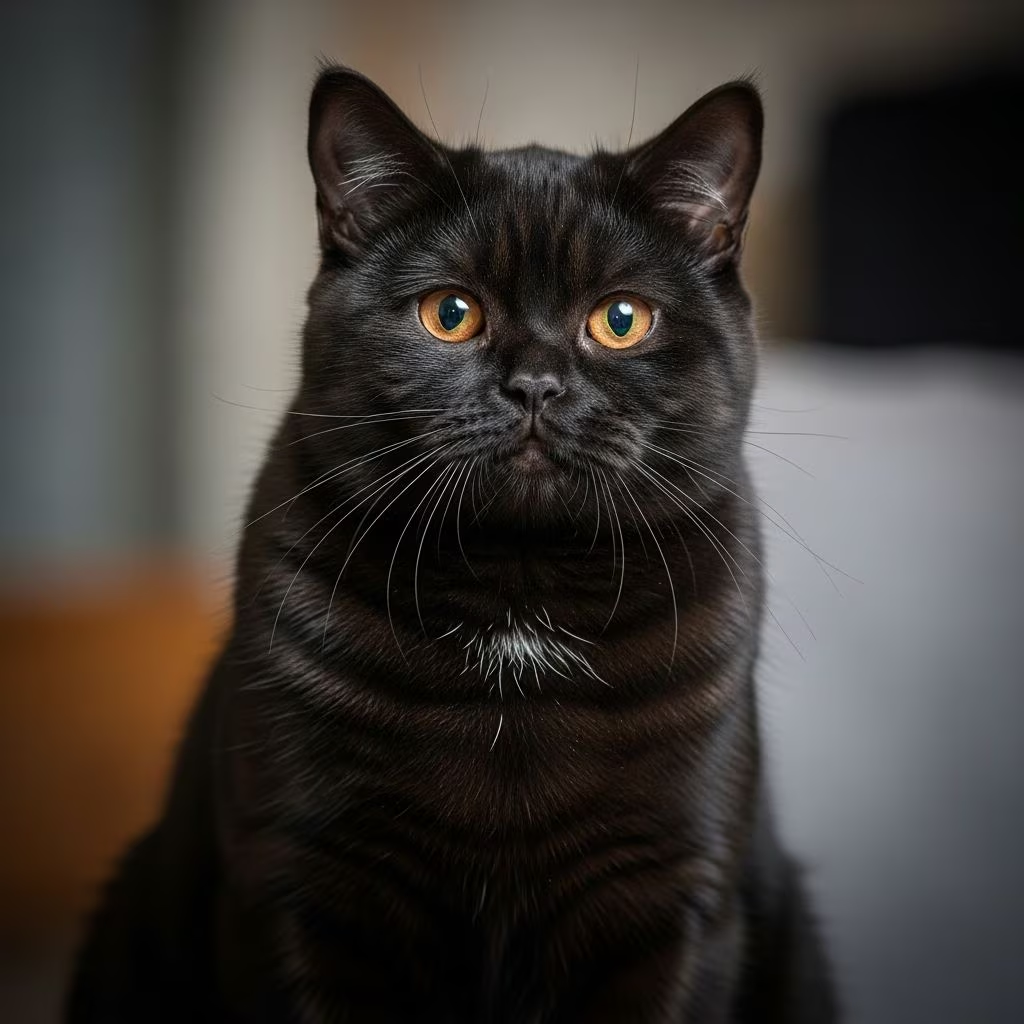
The Black British Shorthair stands out as a majestic variant of one of the oldest pedigreed cat breeds, boasting a lustrous jet-black coat that gleams like polished obsidian. This sturdy, affectionate companion combines a plush texture with a serene demeanor, making it an exceptional choice for households seeking a low-drama pet.
Origins and Evolution of the Breed
Tracing back centuries, the British Shorthair emerged from the sturdy domestic cats of Britain, initially valued for their prowess in rodent control on farms and in homes. By the 19th century, selective breeding refined their traits, elevating them to show status at events like London’s Crystal Palace exhibitions. The black color variation, with its solid ebony hue from root to tip, became prized for its dramatic elegance, free of any rust or white intrusions.
Post-World War II, dedicated breeders rebuilt the population by crossing with Persian cats, enhancing density while preserving the signature short, crisp coat. Today, registries like the Cat Fanciers’ Association (CFA) and The International Cat Association (TICA) uphold strict standards, ensuring the Black British Shorthair retains its robust form and vivid coloring. This heritage instills a resilient character, adaptable to modern living.
Distinctive Physical Traits
Renowned for a compact, muscular build, the Black British Shorthair features a broad chest, short powerful legs, and rounded paws that convey balance and strength. The head is notably round with full cheeks—especially prominent in males—framing large, expressive eyes typically in shades of gold or copper that pierce with quiet intelligence.
The tail thickens at the base, tapering to a gentle blunt tip, complementing the overall semi-cobby body type. Unlike fluffier breeds, their frame exudes solidity without excess weight, typically weighing 9-18 pounds for males and 7-12 pounds for females, with maturity reached around 3-5 years.
Coat Characteristics in Black Variants
The hallmark is the short, exceptionally dense coat packing more hairs per square inch than most breeds, yielding a luxurious feel that’s resilient and easy to maintain. For black specimens, the color must be profound jet black throughout, sans any brown undertones or spotting, with black outlining eye rims, nose leather, and paw pads. When stroked against the grain, it springs back neatly, resisting matting.
| Feature | Description | Black-Specific Note |
|---|---|---|
| Body Structure | Compact, muscular, broad chest | Supports dense fur layering |
| Head | Round with chubby cheeks | Gold/copper eyes contrast sharply |
| Coat | Short, plush, crisp texture | Jet black root to tip, no rust |
| Legs & Paws | Short, sturdy, rounded | Black paw pads |
Temperament and Daily Behavior
These cats embody calm confidence, observing household activities from afar before joining in with subtle affection. They bond deeply with all family members rather than fixating on one, offering gentle paw touches or couch-side lounging over lap-sitting demands. Quiet by nature, they chirp softly rather than meow incessantly, adapting seamlessly to routines.
Males tend outgoing and jovial, commanding space playfully, while females maintain a dignified reserve, rewarding trust with purring devotion. Their patience shines with children and dogs, though they prefer not to be scooped up abruptly—teach kids respectful interactions to avoid withdrawal during rowdy play.
- Play Style: Moderately energetic; enjoys toys and perches but favors chill surveying over frenzy.
- Social Fit: Apartment-friendly, non-destructive, follows owners room-to-room curiously.
- Independence: Self-assured, low-maintenance yet affectionate on their terms.
Health and Wellness Essentials
Generally robust, Black British Shorthairs inherit hearty genes but watch for hypertrophic cardiomyopathy (HCM), a heart condition screened via DNA tests by responsible breeders. Obesity risks loom due to sedentary tendencies and hearty appetites—measure portions to sustain ideal weight. Dental care prevents plaque, given their strong jaws.
Annual vet checkups, vaccinations, and parasite prevention form the care backbone. Their dense coat sheds seasonally; brush weekly to distribute oils and monitor skin. Expect a lifespan of 12-20 years with proactive management.
Nutrition Guidelines
Opt for high-quality, protein-rich kibble suited to their age and activity. Wet food aids hydration, curbing urinary issues common in thicker-set breeds. Avoid free-feeding to prevent overindulgence—divide into 2-3 meals daily.
| Life Stage | Daily Calories (Approx.) | Key Nutrients |
|---|---|---|
| Kitten | 200-300 | High protein, DHA for growth |
| Adult | 250-350 | Balanced fat, joint support |
| Senior | 200-280 | Reduced calories, antioxidants |
Grooming and Upkeep Routines
Minimalist grooming suits their coat: a weekly comb removes loose fur, preventing ingestion during self-baths. Bathing is rare, as they self-maintain impeccably. Trim nails biweekly, clean ears monthly, and brush teeth daily with pet-safe paste for optimal hygiene.
Provide scratching posts to protect furniture, aligning with their sturdy claws. Litter training succeeds effortlessly; they favor privacy and cleanliness.
Bringing Home Your Black British Shorthair
Select from CFA/TICA-registered catteries emphasizing health testing. Kittens thrive post-12 weeks, socialized for multi-pet homes. Prepare with tall trees, window perches, and puzzle feeders to engage their intellect without overexertion.
Integration tips: Allow gradual introductions to residents, offering safe zones. Their adaptability shines, settling into calm routines swiftly.
Fun Facts and Unique Quirks
- The breed inspired the Cheshire Cat’s grin in Alice in Adventures in Wonderland, capturing their smug expression.
- Black coats enhance stealth, harking to mousing ancestors.
- They “smile” via whisker pads and eye shape, endearing pet parents instantly.
- Exceptional hunters indoors, toying with insects patiently.
Frequently Asked Questions (FAQs)
Are Black British Shorthairs good with kids?
Yes, their patient nature suits gentle children, though supervise to prevent rough handling.
How often should I groom a Black British Shorthair?
Weekly brushing suffices; their coat resists tangles naturally.
Do they get along with dogs?
Typically yes, establishing hierarchy calmly if introduced properly.
What’s the average lifespan?
12-20 years with proper care.
Are they vocal cats?
No, they communicate softly with chirps and trills.
Why Choose a Black British Shorthair?
This breed offers plush beauty, unwavering loyalty, and effortless companionship. Their jet-black allure paired with teddy-bear plushness creates an iconic pet that thrives in diverse homes, from bustling families to quiet apartments. Invest in one for years of serene joy.
References
- British Shorthair Breed Standard — Cat Fanciers’ Association. 2023. https://cfa.org/breed/british-shorthair/
- British Shorthair — The International Cat Association. 2024. https://tica.org/breed/british-shorthair/
- British Shorthair Personality: Characteristics & Temperament — Litter-Robot Blog. 2023-05-15. https://www.litter-robot.com/blog/british-shorthair-personality/
- British Shorthair — Wikipedia (informed by primary standards). 2026. https://en.wikipedia.org/wiki/British_Shorthair
- British Shorthair Cat Breed — Hill’s Pet. 2024. https://www.hillspet.com/cat-care/cat-breeds/british-shorthair



