

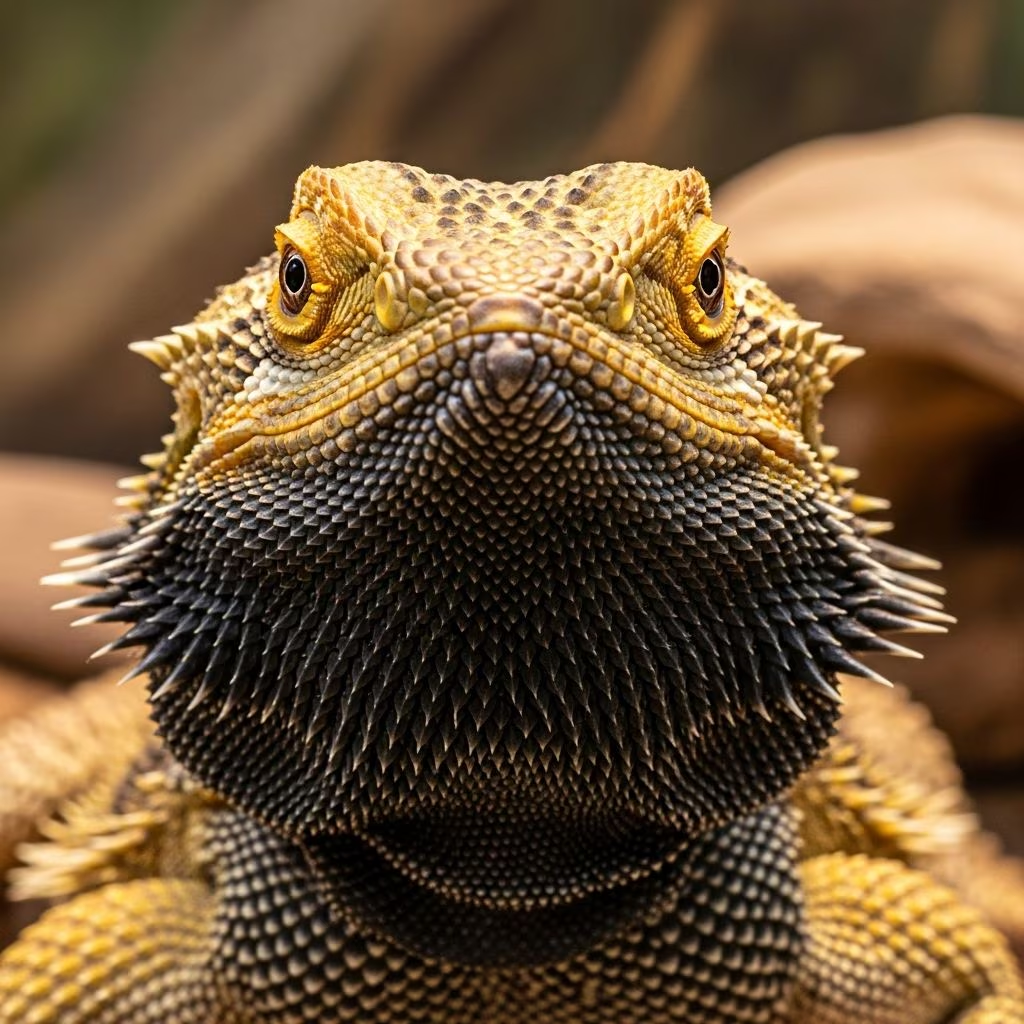
Bearded dragons, popular reptile pets known for their distinctive throat pouches, often display a striking black coloration in their beards. This phenomenon serves as a key communication tool, signaling various emotional or physical states. Understanding these changes helps owners provide optimal care and detect potential health concerns early.
Understanding the Bearded Dragon’s Beard Mechanism
The beard consists of small, spiny scales under the jaw that can expand and darken due to specialized melanophores—pigment cells that contract or expand to alter color rapidly. This adaptation, evolved from their Australian wild ancestors, aids in thermoregulation, display, and threat response. In captivity, similar triggers activate this response, making it essential for owners to interpret these signals accurately.
Primary Emotional Triggers for Beard Darkening
Emotional states frequently cause temporary black beards, which typically resolve once the stimulus subsides. Recognizing patterns in behavior alongside coloration provides crucial insights.
- Stress Responses: Everyday stressors like shedding, relocation to a new enclosure, or disruptive noises (e.g., traffic or loud music) prompt beard blackening. Accompanying signs include glass surfing—pacing against tank walls—dark stress marks on the belly, and reduced activity.
- Fear or Perceived Threats: Sudden movements, overhead grabs, or proximity to predators like household pets trigger a defensive black beard puff. In the wild, this deters attackers; domestically, it signals unease during acclimation periods.
- Territorial Displays: Males may darken their beards when viewing reflections in glass, mistaking them for rivals, often paired with head bobbing or arm waving.
Environmental Factors Influencing Beard Color
Bearded dragons are ectothermic, relying on external conditions for body temperature regulation. Suboptimal habitats directly impact beard appearance.
| Factor | Ideal Range | Effects of Imbalance |
|---|---|---|
| Basking Spot Temperature | 95-110°F (35-43°C) | Too low: Pancaking and black beard for heat absorption; Too high: Distress puffing |
| Cool Side Temperature | 75-85°F (24-29°C) | Inadequate gradient hinders thermoregulation, causing stress |
| UVB Lighting | 10-12 hours daily | Deficiency leads to metabolic issues and darkened beard |
Improper setups, such as uniform temperatures or insufficient UVB, force dragons to extend beards to maximize heat uptake or signal discomfort. Regular checks with reliable thermometers and timers prevent these issues.
Health-Related Causes of Persistent Black Beards
Prolonged darkening beyond a few hours warrants scrutiny for underlying medical conditions. Early intervention prevents escalation.
- Illnesses and Infections: Conditions like metabolic bone disease (MBD), mouth rot, or respiratory infections manifest with black beards due to pain or inflammation. Watch for lethargy, appetite loss, swollen jaws, or labored breathing.
- Gut Impaction: Ingested substrates like sand block digestion, causing abdominal distension and beard puffing from discomfort. Symptoms include infrequent defecation and dragging the rear.
- Malnutrition and Dehydration: Diets lacking calcium or excessive in high-oxalate foods weaken dragons, darkening beards chronically. Dehydration signs: wrinkled skin, sunken eyes, and sticky urates.
Seasonal and Hormonal Influences
Life cycle events also provoke beard changes without indicating problems.
- Mating Behaviors: Males exhibit black beards, glass surfing, and aggression during breeding seasons, even solo, driven by hormonal surges.
- Brumation Transitions: Pre- or post-hibernation grumpiness, including darkened beards, accompanies appetite shifts and light adjustments, normalizing within weeks.
These are natural but monitor to rule out concurrent stressors.
Diagnostic Steps for Owners
Systematically assess your dragon’s condition to pinpoint causes.
- Observe duration: Brief episodes (<1 hour) suggest emotional triggers; persistent ones signal health issues.
- Check enclosure: Verify temperatures, humidity (30-40%), and clean substrate.
- Review diet: Ensure 80% insects/greens balance with calcium dusting.
- Monitor behaviors: Log eating, defecation, and activity for vet consultations.
Corrective Actions and Prevention Strategies
Address identified triggers promptly.
- Habitat Optimization: Use ceramic heat emitters for stable gradients and replace UVB bulbs every 6-12 months.
- Stress Reduction: Provide hides, minimize handling during sheds, and maintain quiet environments.
- Nutrition Enhancements: Offer varied feeders like dubia roaches, leafy greens, and hydration via baths.
- Veterinary Care: Consult exotic vets for bloodwork if symptoms persist over a week.
Frequently Asked Questions (FAQs)
Is a black beard always a bad sign?
No, it often reflects normal reactions like stress or mating. Persistent cases require attention.
How long should a black beard last?
Minutes to hours for benign causes; longer indicates potential issues.
Can diet fix a black beard?
Yes, if malnutrition-related; supplement calcium and ensure hydration.
When to see a vet for black beard?
If accompanied by lethargy, non-eating, or over 7 days.
Do female bearded dragons get black beards?
Less commonly than males, but stress or illness can trigger it.
Long-Term Care for Vibrant Bearded Dragons
Maintaining holistic husbandry fosters healthy beard displays as natural signals rather than distress indicators. Regular weigh-ins, fecal checks, and annual exams ensure thriving pets. Enthusiasts report fewer episodes with enriched enclosures mimicking arid Australian habitats—branch perches, dig boxes, and varied lighting cycles enhance well-being.
By decoding beard changes, owners strengthen bonds and extend lifespans up to 15 years. Patience during adjustments, like new setups, yields calmer dragons over time.
References
- Why Do Bearded Dragons’ Beards Turn Black? — Dragons Diet. 2023-05-15. https://dragonsdiet.com/blogs/dragon-care/why-do-bearded-dragons-beards-turn-black
- Why Your Bearded Dragon’s Beard is Black — Veg.com. 2024-02-10. https://www.veg.com/post/the-bearded-dragon-the-mystique-of-the-black-beard
- Why is My Bearded Dragon’s Beard Black? — BeardedDragon.org. 2023-11-20. https://www.beardeddragon.org/threads/why-is-my-bearded-dragons-beard-black.266713/



