

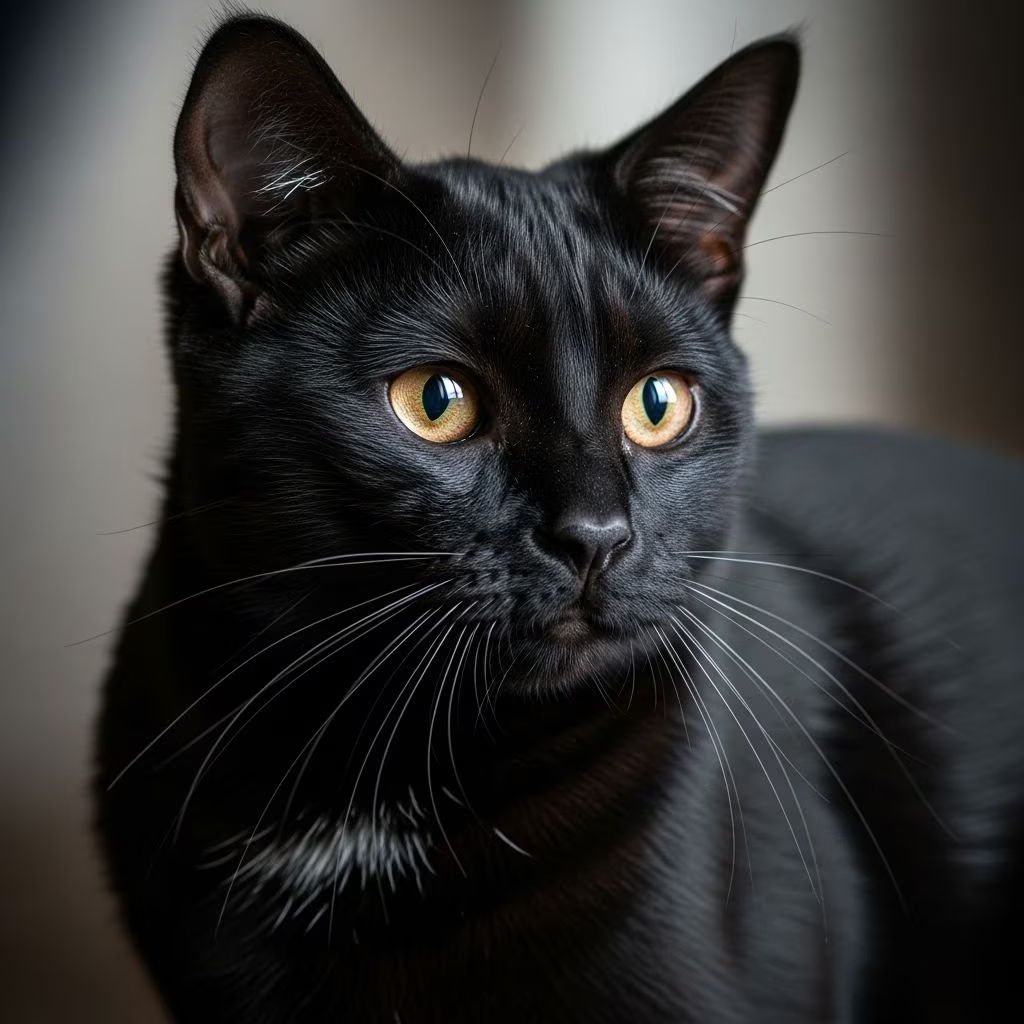
The black American Shorthair stands out as a striking variant of the beloved American Shorthair breed, known for its deep, glossy coal-black coat that gleams under light. This color variation highlights the breed’s versatility, as American Shorthairs appear in numerous hues, but the solid black offers a particularly elegant and mysterious allure. Originating from hardy working cats brought to America by early settlers, these felines embody strength, adaptability, and a calm demeanor that makes them exceptional companions today.
Origins and Historical Background
American Shorthairs trace their lineage to European shorthaired cats transported across the Atlantic on the Mayflower and subsequent ships in the 17th century. These cats served vital roles as rodent hunters on farms, ships, and homesteads, protecting grain stores and preventing disease outbreaks. Over time, selective breeding refined their traits, leading to the recognition of the American Shorthair as a distinct pedigree breed by organizations like The Cat Fanciers’ Association (CFA) in 1906.
The black coat color, described in breed standards as “dense coal black, sound from roots to tip of fur, free from any tinge of rust,” became one of many accepted variations. Unlike mixed-breed domestic shorthairs, which are not selectively bred, American Shorthairs prioritize balanced conformation, temperament, and health. Their history as versatile workers contributes to their robust genetics and low-maintenance appeal.
Physical Characteristics and Appearance
Black American Shorthairs exhibit a powerful, muscular build suited to their ancestral hunting roles. They feature a broad chest, strong jaws, and thick legs that convey agility and endurance.
- Size: Males typically weigh 11-15 pounds, females 8-12 pounds; height ranges from 12-14 inches at the shoulder.
- Head and Face: Broad head with well-developed cheeks (especially in males), medium-short nose, and squarish muzzle for a balanced, open expression.
- Eyes: Medium to large, rounded, gold or hazel in black variants, set wide apart for an alert look.
- Coat: Short, dense, and hard-textured double coat that thickens in winter for protection; the black variety shows no undercoat smoke or rust.
A distinctive trait is their loose skin and paunch, which historically shielded them from bites during hunts. This stocky yet symmetrical frame avoids exaggeration, emphasizing functionality over showy extremes.
Temperament and Personality Traits
Renowned for their easygoing nature, black American Shorthairs are mellow, intelligent, and affectionate without being demanding. They form strong bonds with family members, tolerating children and other pets with patience.
These cats communicate subtly via a “silent meow”—an open-mouthed gesture without sound—politely seeking attention. Playful yet not hyperactive, they enjoy interactive toys like feather wands, often anticipating daily sessions with enthusiasm. Their low vocalization and independent streak make them ideal for busy households or apartments.
| Trait | Description |
|---|---|
| Affection Level | High; loves lap time but self-entertains |
| Energy Level | Moderate; prefers relaxed play over constant activity |
| Social Compatibility | Excellent with kids, dogs, and other cats |
| Vocalization | Low; quiet and unobtrusive |
Grooming and Daily Care Essentials
The short, protective coat requires minimal upkeep—a weekly brushing removes loose fur and distributes natural oils, preventing mats even during seasonal sheds. Bathing is rare, as they self-groom efficiently.
- Bathe only if needed with cat-safe shampoo.
- Trim nails biweekly.
- Clean ears monthly with vet-approved solution.
- Brush teeth 2-3 times weekly to combat tartar.
Provide a clean litter box, scratching posts, and perches to support their hunting instincts and claw health.
Nutrition, Exercise, and Weight Management
Prone to obesity due to their stocky build and sedentary tendencies, black American Shorthairs need portion-controlled, high-quality diets rich in protein. Feed measured meals twice daily, avoiding free-feeding.
Encourage activity through play sessions totaling 15-20 minutes daily. Interactive toys mimic prey, keeping them agile and preventing issues like osteoarthritis. Monitor weight quarterly; ideal body condition allows feeling ribs without excess fat.
Health Considerations and Lifespan
With a lifespan of 15-20 years, these cats benefit from diverse genetics, reducing hereditary issues compared to more inbred breeds. Common concerns include:
- Obesity-related conditions: Diabetes, hypertension.
- Hypertrophic cardiomyopathy (HCM): Heart muscle thickening; annual screenings recommended.
- Dental disease: Gingivitis from plaque buildup.
Regular vet checkups, vaccinations, and parasite prevention ensure longevity. Spaying/neutering curbs cancers and behaviors like spraying.
Breed Standards from CFA and TICA
CFA emphasizes a “strongly built, well-balanced” cat indicating power without weakness, disqualifying traits like kinked tails or obesity. TICA describes a “medium size, medium boned” body with firm musculature and proportionate features. Black coats must be uniform, with matching black nose leather and paw pads, gold eyes preferred.
Why Choose a Black American Shorthair?
Perfect for apartments, families, or seniors, their adaptability shines in varied homes. The black coat adds sophistication, while their heritage ensures resilience. Adoption from shelters or ethical breeders supports health testing.
Frequently Asked Questions (FAQs)
Are black American Shorthairs hypoallergenic?
No, but their short coat sheds less than longhaired breeds, easing allergy management.
How do they differ from Bombay cats?
Bombays have a sleeker, panther-like build and copper eyes from Burmese crosses; American Shorthairs are stockier with gold eyes.
What’s the best food for them?
High-protein kibble or wet food tailored to age/weight; consult vets for specifics.
Do they get along with dogs?
Yes, their tolerant nature fosters harmony with respectful dogs.
How active are they as kittens?
Kittens are playful but mellow into adults; provide toys for energy outlet.
References
- Black American Shorthair: Info, Pictures, Facts & History — Catster. 2023. https://www.catster.com/cat-breeds/black-american-shorthair/
- American Shorthair — The Cat Fanciers’ Association (CFA). 2024-01-15. https://cfa.org/breed/american-shorthair/
- American Shorthair — The International Cat Association (TICA). 2023-06-10. https://tica.org/breed/american-shorthair/
- American Shorthair Cat Breed — Hill’s Pet Nutrition. 2024. https://www.hillspet.com/cat-care/cat-breeds/american-shorthair
- Bombay cat — Wikipedia. 2025-01-20. https://en.wikipedia.org/wiki/Bombay_cat



