

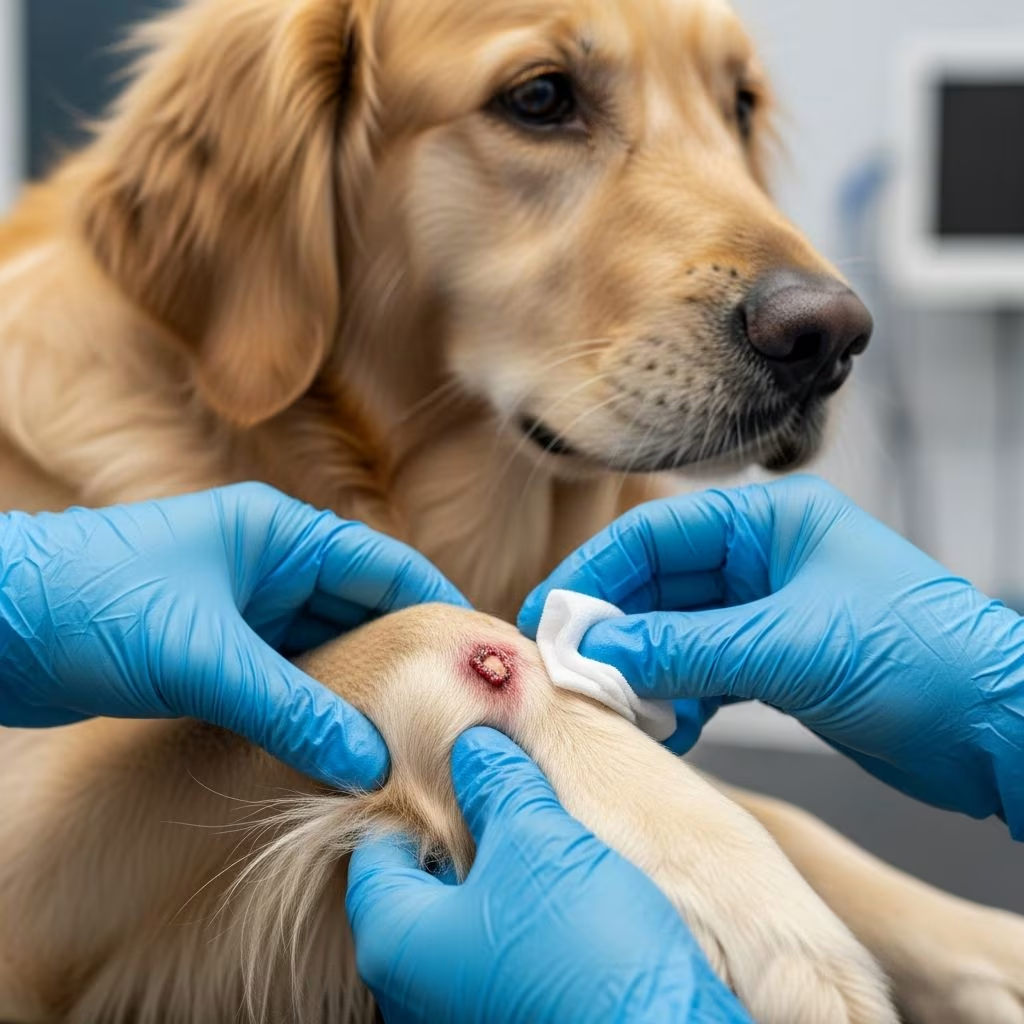
Bite Wounds in Dogs: A Comprehensive Guide to Treatment and Care
Bite wounds are among the most common injuries that veterinarians treat in dogs. Whether resulting from encounters with other dogs, wildlife, or other animals, bite wounds require prompt and proper care to prevent serious complications such as infection, abscess formation, and tissue damage. Understanding how to recognize bite wounds, provide immediate care, and follow veterinary treatment protocols is essential for every dog owner.
Understanding Bite Wounds in Dogs
Bite wounds in dogs vary significantly in severity and type. A dog’s mouth contains numerous bacteria, and even seemingly minor punctures can develop serious infections if not treated properly. The challenge with bite wounds is that external damage often masks more severe internal injury. When a dog bites, the teeth penetrate the skin and create puncture wounds or lacerations. The force of a bite can crush tissue beneath the surface, creating “dead space”—pockets where skin separates from underlying tissue—which increases infection risk.
The most dangerous aspect of bite wounds is their tendency to seal quickly on the surface while infection develops internally. This is why immediate veterinary attention is crucial, even for wounds that appear minor.
Types of Bite Wounds
Bite wounds generally fall into two categories:
Puncture Wounds
Puncture wounds are created by teeth piercing the skin and penetrating deeper tissues. These wounds are particularly problematic because they often seal quickly, trapping bacteria and creating an ideal environment for infection. Puncture wounds may appear small on the surface but can cause significant internal damage. The location of puncture wounds matters greatly—those near vital organs, eyes, or the mouth require immediate professional attention.
Lacerations
Lacerations are tears or cuts in the skin, often resulting from bites that tear at the flesh rather than creating clean punctures. These wounds may bleed more visibly than puncture wounds, but they are often easier to assess and treat because the damage is more visible to the veterinarian.
Recognizing Signs of Bite Wounds
Dog owners should be alert to several signs that indicate their dog has suffered a bite wound:
– Visible punctures, tears, or cuts in the skin- Swelling and inflammation around the injured area- Limping or difficulty moving if the bite affects a limb- Excessive licking or biting at a particular area- Discharge or pus from the wound- Reluctance to eat (if the bite involves the face or mouth)- Fever or lethargy developing days after the bite- Visible bruising or discoloration
Some bite wounds may be hidden under the dog’s fur, so a thorough physical examination is important after any potential bite incident.
Initial First Aid and Home Care
If you discover that another dog or animal has bitten your dog, taking immediate action can help prevent complications. While veterinary care should be sought as soon as possible, some initial first aid measures can be helpful:
Immediate Wound Cleaning
If you cannot reach a veterinarian immediately, gentle wound cleaning is important. Start by very gently washing the bite wound with soap and water, then pat dry with a clean gauze pad. Avoid vigorous scrubbing, which can cause further tissue damage.
Disinfection Steps
After washing, dab the wound with hydrogen peroxide, chlorhexidine, or betadine to help kill bacteria. However, note that continuous use of hydrogen peroxide is not recommended as it can interfere with the healing process. A single application is typically sufficient for initial disinfection.
Antibiotic Application
Apply an antibiotic ointment such as Neosporin to the wound after disinfection. This creates a barrier against bacteria and supports the initial healing process.
Ongoing Care Until Veterinary Visit
Clean the wound three to four times daily and reapply antibiotic ointment to help prevent infection until your dog can be examined by a veterinarian.
Veterinary Examination and Diagnosis
A thorough veterinary examination is essential for all bite wounds. The veterinarian will assess several critical factors:
– The depth of the wound- The amount of dead space created by the bite- Signs of nerve damage, broken bones, or bleeding under the skin- The location of the wound and involvement of vital structures- Whether the bite has penetrated into body cavities or near sensitive areas
For extensive wounds, severely contaminated wounds, or wounds in sensitive areas such as near the eyes, mouth, ears, or vital organs, the veterinarian will place your dog under general anesthesia to safely and thoroughly assess and treat the injuries. This allows for complete visualization of all tissue damage.
The veterinarian may also recommend diagnostic testing such as X-rays or ultrasound to identify injuries that are not immediately obvious, particularly if the bite involves the thorax, abdomen, or neck.
Professional Wound Treatment
Proper wound management is the cornerstone of bite wound treatment. The veterinarian will follow specific protocols to minimize infection risk and promote healing.
Pain Management
Most bite wounds are painful, and veterinarians will administer appropriate pain medication, sedatives, or anesthesia before attempting to assess and treat the wounds. Additional pain medications will typically be sent home, most commonly nonsteroidal anti-inflammatory drugs (NSAIDs) such as meloxicam, deracoxib, or carprofen.
Wound Preparation
The veterinarian will shave the fur surrounding the wounds to reduce contamination risk and allow better visualization of the injury. The wound area will then be prepared for cleaning and treatment.
Cleaning and Debridement
Optimal bite wound treatment begins with generous irrigation using saline solution to remove contaminants and debris. Debridement—the removal of dead, damaged, or foreign tissue—is performed to reduce infection risk and promote proper healing. In many cases, skin wounds will be enlarged to allow thorough examination and cleaning of underlying tissues.
Wound Closure Decisions
Treatment decisions depend on the wound type and severity:
– Small puncture wounds are usually left open to allow drainage of infection- Lacerations are typically sutured closed- Temporary drains may be placed if damage is extensive or fluid buildup is likely- Most lacerations will be debrided with edges trimmed for proper healing
Antibiotic Therapy
Antibiotics play a crucial role in bite wound treatment. Antibiotics may be prescribed for wounds that have penetrated the skin, depending on the location and time elapsed since the bite occurred. The sooner antibiotics are started after a bite injury, the quicker infection will be brought under control. Wounds treated within six hours of injury have the best chance of healing without complications.
For wounds with any doubt about skin penetration, veterinarians typically prescribe broad-spectrum antibiotics such as amoxicillin-clavulanate (Clavamox) or, for more complicated cases, enrofloxacin (Baytril) to reduce the chance of serious infection developing. For minor injuries or wounds that must remain open to heal, topical antibiotics may be prescribed.
Completing the Antibiotic Course
It is critical to administer prescribed antibiotics for the full duration as directed, even if the wound appears healed. Stopping antibiotic treatment early can cause infection to return and become more difficult to eliminate.
Severe Bite Wound Treatment
For deeper or more serious bite wounds, additional interventions may be necessary:
– Surgical removal of damaged tissue- Placement of drains to help the body eliminate pooled infection- Careful assessment of damage to muscles, nerves, and vital organs- Possible surgical repair of damaged structures
These complex cases often require referral to a veterinary specialist and may involve multiple treatment sessions.
Post-Treatment Care and Prevention of Complications
Proper aftercare is essential for successful wound healing and infection prevention.
Preventing Self-Trauma
To prevent your dog from licking the wound, which significantly increases infection risk, your veterinarian will likely recommend that your dog wear an Elizabethan collar (cone). This simple device prevents access to the wound while it heals.
Ongoing Wound Monitoring
Monitor the bite wound daily for signs of infection such as increased swelling, discharge, foul odor, or heat at the injury site. Watch for systemic signs of infection including fever, lethargy, or loss of appetite.
Activity Restriction
Restrict your dog’s activity during healing to prevent stress on the wound and reinjury. Follow your veterinarian’s specific recommendations for exercise limitation.
Regular Cleaning
Continue cleaning the wound as directed by your veterinarian, typically three to four times daily, and reapply any prescribed topical medications.
Preventing Bite Wounds
While not all bite incidents can be prevented, several strategies can reduce risk:
– Supervise interactions between dogs, especially during introductions- Ensure your dog is properly socialized and trained- Avoid situations where dogs may feel threatened or defensive- Keep your dog’s vaccinations current, particularly rabies- Use appropriate restraint and control when walking your dog- Teach children how to safely interact with dogs- Be aware of your dog’s body language and stress signals
Timeline for Healing
The healing timeline for bite wounds varies depending on severity. Minor wounds may show significant improvement within seven to ten days, while more serious wounds may require several weeks to heal fully. Deeper wounds and those requiring surgical intervention may take even longer. Your veterinarian will provide specific guidance based on your dog’s particular injury.
Frequently Asked Questions
Q: How quickly should I seek veterinary care for a bite wound?
A: Veterinary care should be sought as soon as possible, ideally within six hours of the bite. Wounds treated within this timeframe have the best chance of healing without complications. However, veterinary attention is important even if several hours have passed since the bite occurred.
Q: Can I treat my dog’s bite wound at home?
A: While initial first aid such as gentle cleaning and antibiotic ointment application can be helpful, professional veterinary evaluation and treatment are essential. Even small-appearing puncture wounds can cause serious internal damage and infection that requires professional care.
Q: What should I do if the bite wound won’t stop bleeding?
A: Apply direct pressure with a clean, dry cloth for five to ten minutes. If bleeding continues after this time, seek immediate veterinary care as this may indicate injury to a blood vessel or more serious damage.
Q: How long will my dog need to wear a cone after a bite wound?
A: The duration depends on the wound severity and healing progress. Your veterinarian will advise when it is safe to remove the cone. Generally, it should remain in place for at least one to two weeks or until sutures are removed.
Q: Can bite wounds lead to permanent damage?
A: Depending on severity and location, bite wounds can potentially cause lasting effects. Wounds affecting nerves may cause permanent weakness or numbness. Early and appropriate treatment significantly reduces the risk of lasting complications.
Q: What signs indicate my dog’s bite wound has become infected?
A: Signs of infection include increased swelling and heat at the wound site, discharge or pus, foul odor, fever, lethargy, or loss of appetite. Contact your veterinarian immediately if you notice these signs.
References
- Caring for Dog Bite Wounds — Animal Hospital of Clemmons. 2020-11-19. https://www.animalhospitalofclemmons.com/site/veterinary-pet-care-blog/2020/11/19/caring-for-dog-bite
- My Dog Has Been Bitten by Another Dog! What Should I Do? — Northeast Veterinary Hospital. 2020-10-05. https://www.northeast-vet.com/site/pet-care-blog-plains-vet/2020/10/05/my-dog-has-been-bitten-by-another-dog-what-should-i-do
- Bite Wounds in Dogs — VCA Animal Hospitals. 2025-11-28. https://vcahospitals.com/know-your-pet/bite-wounds-in-dogs
- Dog Bites — National Center for Biotechnology Information (NIH). 2018. https://pmc.ncbi.nlm.nih.gov/articles/PMC5790559/
- Bite Wounds — Animal Specialty & Emergency Center of Brevard. 2025. https://www.animalspecialtyemergencycenter.com/pet-parents/medical-briefs-and-information/bite-wounds
- Bite Wound Treatment Refresher — American Animal Hospital Association (AAHA). 2025. https://www.aaha.org/trends-magazine/publications/bite-wound-treatment-refresher/
- Dog and Cat Bites — American Academy of Family Physicians (AAFP). 2014-08-15. https://www.aafp.org/pubs/afp/issues/2014/0815/p239.html



