

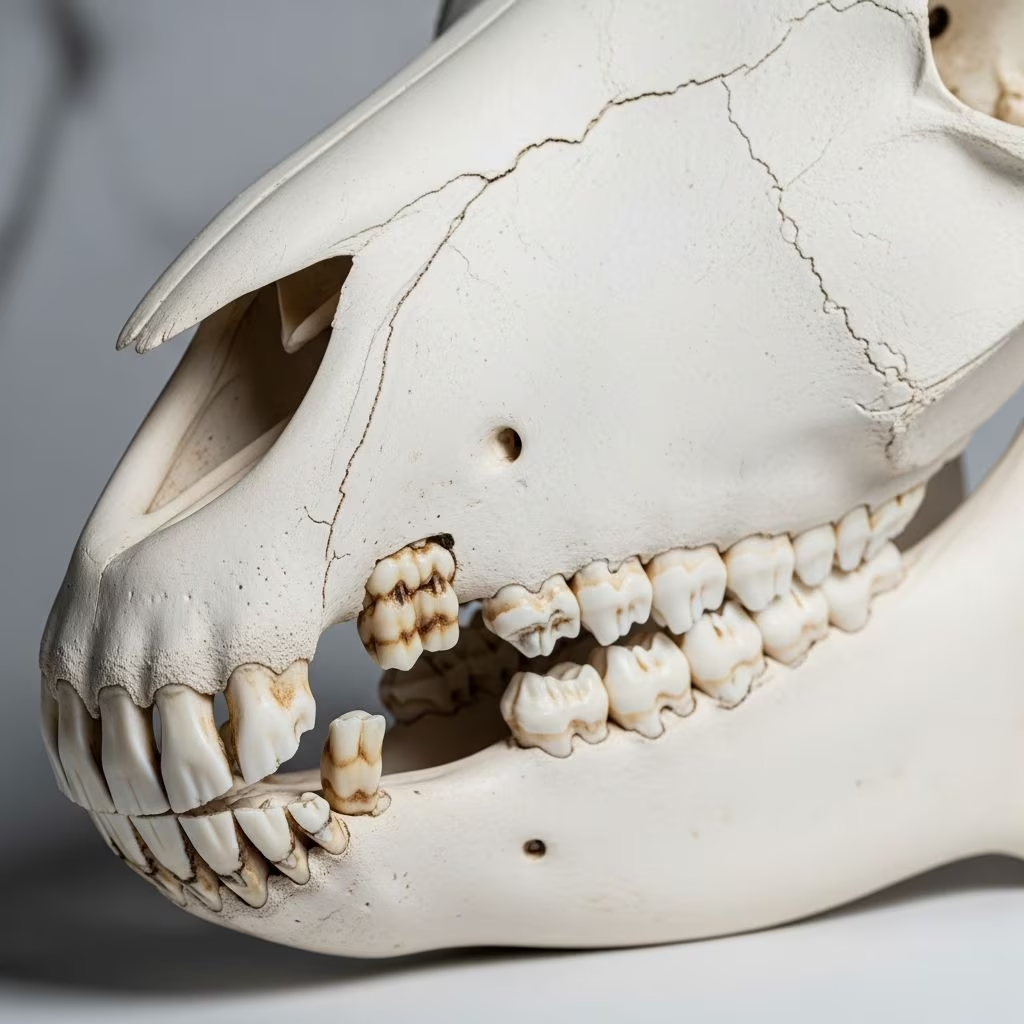
Horses can be born with or develop structural issues in their mouths and teeth that affect eating, growth, and overall well-being. These conditions, known as congenital and developmental anomalies, range from jaw misalignments to abnormal tooth numbers and shapes. Early detection by veterinarians is crucial, as many problems worsen with age due to the horse’s unique hypsodont teeth that continuously erupt and wear.
Understanding Jaw Misalignments in Young Horses
Jaw discrepancies are among the most frequent issues observed at birth or shortly after. These malocclusions alter how incisors and cheek teeth meet, leading to inefficient chewing and potential malnutrition if untreated.
- Parrot Mouth (Brachygnathia Superior): The upper jaw protrudes beyond the lower one, causing the top incisors to extend forward. This prevents normal grinding of grass, and over time, cheek teeth develop hooks or ramps that push the lower jaw back further.
- Sow Mouth (Prognathia Inferior): Conversely, the lower jaw extends ahead of the upper, also called monkey mouth. Incisors overgrow without proper wear, and cheek teeth misalign, fostering food traps and gum disease.
These conditions often stem from genetic factors or in-utero influences like toxin exposure. In miniature breeds, small skulls with large teeth exacerbate impingements on developing buds. Treatment in foals under six months involves orthodontic appliances to guide jaw growth, prioritizing function over appearance.
Abnormal Tooth Counts: Too Many or Too Few
Variations in tooth number disrupt the dental arcade’s alignment. Supernumerary teeth crowd the mouth, while missing ones create gaps.
| Condition | Description | Common Locations | Effects |
|---|---|---|---|
| Polydontia (Supernumerary Teeth) | Extra teeth beyond the normal 40-44 in adults | Cheek teeth arcades, rarely canines | Overgrowths, gaps (diastemata), periodontal issues |
| Oligodontia (Hypodontia) | Congenital absence of teeth | Last cheek teeth (Triadan 08, 11) | Opposing teeth elongate, abnormal wear patterns |
Radiographs are essential for diagnosis, as clinical exams may miss embedded extras or absent buds. In one case, a colt lacked multiple teeth from birth, confirmed via serial imaging up to 28 months. Genetic links are suspected, especially in miniatures. Management includes extraction of extras and monitoring for secondary problems.
Structural Flaws and Positioning Errors
Beyond numbers, teeth can form incorrectly or settle in wrong spots. Dental dysplasia involves malformed enamel, dentin, or overall shape, often from genetics, neonatal illness, or trauma.
- Displaced teeth: Buds develop too far apart or crowded, causing rotation or impaction.
- Diastemata: False gaps from poor angulation or spacing, trapping food and leading to infections.
- Vertical impaction: Teeth fail to erupt properly due to overcrowding.
These issues compound in growing horses, as permanent teeth replace deciduous ones around 2-5 years. Retained baby teeth can block eruption, irritating soft tissues.
Facial and Palate Deformities Impacting Dentition
Not all anomalies are purely dental; some involve broader craniofacial structures. Wry nose (campylorrhinus lateralis) twists the upper jaw and nose, complicating nursing and breathing. Cleft palate creates openings in the roof of the mouth, allowing milk to enter airways.
Surgical corrections for severe cases improve survival, but mild ones may self-correct or require supportive care. Early intervention prevents secondary dental wear issues.
Recognizing Signs in Foals and Juveniles
Owners should watch for drooling, uneven milk intake, weight loss, or facial asymmetry. Quidding (dropping partially chewed food) signals malocclusion. Routine vet checks at 12 weeks, shedding times, and annually catch issues early.
Diagnostic tools include oral exams, sedated floats, and full-mouth radiographs to view buds and roots.
Veterinary Interventions and Long-Term Care
Treatment strategies evolve with the horse’s age:
- Neonatal (0-6 months): Orthodontics for jaws, surgical fixes for palates.
- Weanling/Juvenile: Extractions, restorations, wolf tooth removal to prevent bits issues.
- Adult: Corrective floats, addressing acquired overgrowths from congenital roots.
Prognosis improves with prompt care; neglected cases lead to chronic pain, colic, and poor performance. Nutrition via soft feeds or supplements aids recovery.
Genetic and Environmental Risk Factors
Heredity plays a key role, so breeding records matter. Avoid pairing sires/dams with histories of defects. Environmental toxins during gestation heighten risks, as do maternal nutrition deficits. Miniature horses face higher hypodontia rates due to anatomy.
Preventive Strategies for Breeders and Owners
- Pre-purchase dental exams with rads.
- Annual professional dentistry from age 1.
- Monitor growth; intervene at first signs.
- Select breeding stock with sound pedigrees.
Case Studies: Real-World Outcomes
A Thoroughbred colt with oligodontia and dysplasia showed bilateral overgrowths from missing cheek teeth. Floating and monitoring restored mastication. Another foal’s parrot mouth, treated at 12 weeks, reduced severity by adulthood. These highlight early action’s value.
FAQs on Equine Dental Birth Defects
Can all congenital dental issues be fixed?
Many respond well to early intervention, but severe skeletal cases may need lifelong management.
At what age should foals get their first dental check?
By 12 weeks, then during shedding phases.
Do miniature horses have more problems?
Yes, due to skull-tooth disproportion, especially hypodontia.
Is parrot mouth hereditary?
Often yes, alongside environmental factors.
How do I know if my horse has diastemata?
Look for quidding, bad breath, or sinus issues; vet exam confirms.
This comprehensive guide equips horse enthusiasts with knowledge to safeguard oral health from birth. Consult certified equine dentists for tailored advice.
References
- Dental Problems of the Young Horse — Equine Dental Vets. Accessed 2026. http://equinedentalvets.com/articles/dental-problems-of-the-young-horse
- Dental Disease: Prevalence and Risk Factors — PMC (NCBI). 2023-11-29. https://pmc.ncbi.nlm.nih.gov/articles/PMC10720032/
- Dental Problems of Growing Horses — Stable Management. Accessed 2026. https://stablemanagement.com/articles/dental-problems-growing-horses-10943/
- Equine Dental Developmental Abnormalities — Longworth Veterinary (PDF). Accessed 2026. https://longworthveterinary.com/Dental.pdf
- 20+ Common Dental Issues in Horses — Mad Barn. Accessed 2026. https://madbarn.com/dental-issues-in-horses/



