

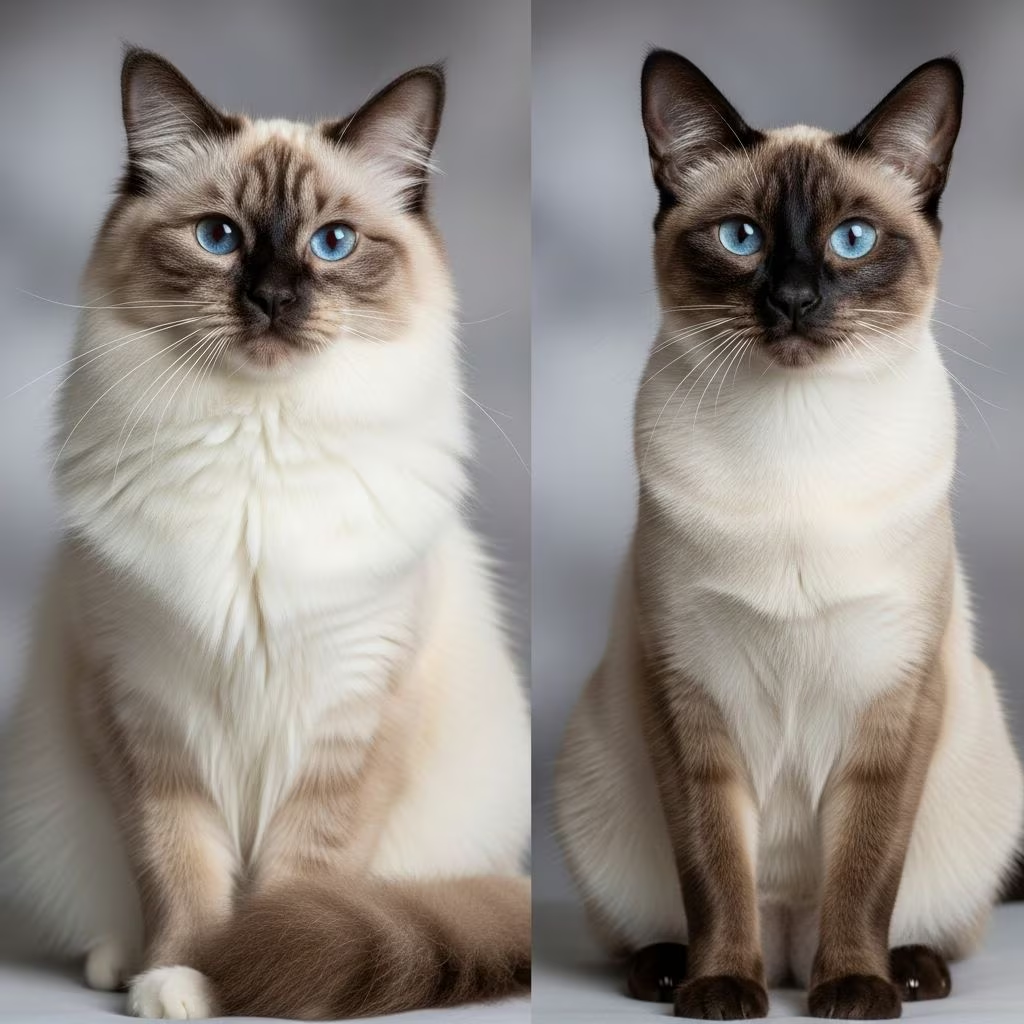
Both Birman and Siamese cats captivate with their striking blue eyes and colorpoint patterns, but they offer distinct experiences as pets. Birmans bring calm elegance, while Siamese deliver energetic charisma—ideal choices depend on your home dynamics and preferences.
Historical Roots of These Iconic Breeds
The Birman, often called the Sacred Cat of Burma, traces its legacy to ancient temples in Myanmar, where legends claim these cats guarded priests and gained their unique white paws upon a holy death. Recognized formally in France around 1925, Birmans blend mystery and grace from their supposed royal palace origins.
Siamese cats hail from Thailand, formerly Siam, with mentions in ancient texts like the Cat-Book Poems. Prized by royalty, they arrived in the West in the late 19th century, influencing many modern breeds through their foundational genetics.
Physical Traits: Spotting the Differences
Birmans present a medium-sized, sturdy frame with a rounded head, Roman nose, and deep chin. Their bodies are long yet compact, supported by short legs, weighing 6-12 pounds. Distinctive white mittens grace their paws, contrasting darker points on ears, face, tail, and legs.
Siamese boast a taller, slender, tubular build with a triangular head, large pointed ears, and almond-shaped eyes. Their elegant, flexible forms weigh 8-14 pounds, emphasizing agility over bulk.
| Feature | Birman | Siamese |
|---|---|---|
| Body Type | Compact, bulky | Slender, lanky |
| Head Shape | Rounded | Triangular |
| Eyes | Round, bright blue | Almond, blue |
| Legs | Short | Long, flexible |
| Weight (lbs) | 6-12 | 8-14 |
Coat Variations and Colors
Birmans feature silky, medium-long single coats without undercoats, resisting mats. Color points include seal, chocolate, blue, lilac, red, cream, and tortie on cream bodies.
Siamese typically have short, glossy, low-shedding coats in seal, chocolate, blue, or lilac points, though a long-haired variant exists. Their pale bodies highlight vivid extremities.
Personality Profiles: Calm vs Vocal Companions
Birmans embody gentle affection, curiosity, and friendliness, thriving in family settings with kids and other pets. They prefer quiet observation over high energy, showing jealousy subtly when attention wanes.
Siamese shine as social, intelligent extroverts—playful, vocal, and interactive. Known for fetch-like games, they demand engagement, excelling with active families but potentially overwhelming quieter homes.
- Birman Strengths: Relaxed, adaptable, low-drama.
- Siamese Strengths: Energetic, trainable, people-oriented.
Care Essentials: Grooming and Daily Routines
Birmans need weekly brushing to maintain their flowing coats, which shed minimally. Nail trims, ear checks, and dental care round out low-maintenance routines.
Siamese require minimal grooming due to short fur—occasional brushing suffices. Their high energy calls for 15+ minutes of daily play with toys and posts.
| Aspect | Birman | Siamese |
|---|---|---|
| Grooming Frequency | Weekly brush | Minimal |
| Shedding | Low | Very low |
| Exercise Needs | Moderate | High |
Health Considerations and Lifespan
Birmans enjoy sturdy health with few issues like hypertrophic cardiomyopathy (HCM) or polycystic kidney disease (PKD). Proper weight management supports their 12-16 year lifespan.
Siamese face risks including dental problems, amyloidosis, and vestibular disease, but thrive 10-15 years with stimulation and diet vigilance.
Both benefit from reputable breeders screening for genetics; regular vet visits ensure longevity.
Which Breed Fits Your Lifestyle?
Ideal Homes for Birmans
Choose Birmans for apartments, busy families, or multi-pet households. Their mellow nature suits seniors or first-timers seeking cuddly, unobtrusive companions.
Best Environments for Siamese
Siamese excel in spacious homes with interactive owners, children, or yards. Their vocal demands fit outgoing lifestyles craving constant feline dialogue.
Adoption Costs and Availability
Birman kittens range $400-$2,000, reflecting rarity and sacred heritage. Siamese cost $600-$1,200, more common yet premium for pure lines.
Rescues offer both breeds; prioritize health-tested parents over impulse buys.
Frequently Asked Questions
Are Birman and Siamese cats hypoallergenic?
Neither is truly hypoallergenic, but low-shedding coats minimize allergens. Siamese edge out slightly due to shorter fur.
Which breed is better with children?
Both are family-friendly; Siamese engage more actively, Birmans offer gentle play.
Do these cats get along with dogs?
Yes, Birmans adapt easily; Siamese may assert dominance but coexist well.
How vocal are Siamese compared to Birmans?
Siamese are notably chatty; Birmans communicate softly.
What diet suits these breeds?
High-quality, colorpoint-supporting formulas prevent obesity; portion control is key.
Training and Enrichment Tips
Birmans respond to positive reinforcement for litter use and basic tricks, enjoying puzzle feeders. Siamese excel in fetch, agility, and clicker training, craving mental challenges.
Enrich both with vertical spaces, scratching surfaces, and rotation toys to curb boredom.
References
- Birman vs. Siamese Cats: The Differences (With Pictures) — Hepper. 2023. https://articles.hepper.com/birman-vs-siamese-cat/
- Birman Cat vs Siamese Cat: What Are The Differences? — A-Z Animals. 2023. https://a-z-animals.com/blog/birman-cat-vs-siamese-cat-what-are-the-differences/
- Birman vs Siamese Cat: Main Differences (With Pictures) — Catster. 2023. https://www.catster.com/cat-breeds/birman-vs-siamese-cat/
- Birman Cat vs Siamese: Which Cat Should You Get? — YouTube (Video Description). 2023. https://www.youtube.com/watch?v=gQTP58soHC8



