

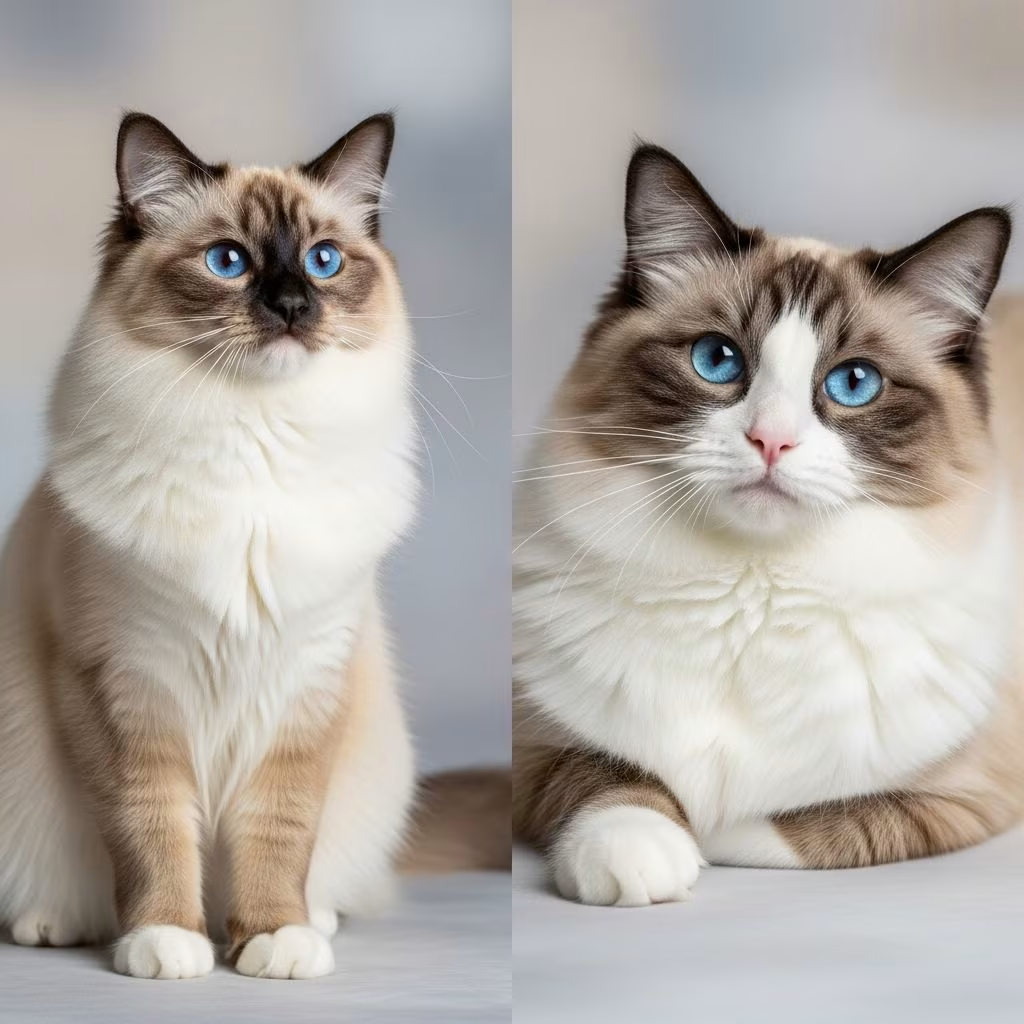
Both Birman and Ragdoll cats captivate with their stunning blue eyes and pointed coats, but subtle distinctions in size, personality, and care make each breed unique. This guide explores their histories, physical traits, behaviors, and practical considerations to help you decide between these affectionate companions.
Historical Backgrounds of These Elegant Breeds
The Birman traces its roots to ancient temples in what is now Myanmar, where legends describe sacred cats guarding priests with white-gloved paws symbolizing purity. These cats arrived in Europe in the early 20th century, with the first documented pair smuggled out during World War I. Breeders meticulously revived the line after near extinction, standardizing the striking colorpoint pattern with ivory bodies and darker extremities by the 1950s.
In contrast, the Ragdoll emerged in the 1960s in Riverside, California, thanks to breeder Ann Baker. She crossed a white longhaired cat with Birman-like traits and Persians, selecting for a relaxed temperament that inspired the breed’s name—cats that flop like dolls when picked up. Recognized by cat fanciers in the 1970s, Ragdolls quickly gained popularity for their gentle nature.
While Birmans carry a mystical heritage tied to spirituality, Ragdolls represent modern selective breeding focused on companionship, highlighting how cultural stories shape breed identities.
Physical Characteristics: Spotting the Differences
Birmans and Ragdolls share colorpoint genetics, born white and developing darker points on ears, face, tail, and legs as they mature around age two. However, body structure and markings set them apart.
| Feature | Birman | Ragdoll |
|---|---|---|
| Size | Medium (7-12 lbs) | Large (10-20 lbs) |
| Build | Slender, balanced | Muscular, substantial |
| Head Shape | Round | Wedge-shaped |
| Eyes | Round, deep blue | Oval, piercing blue |
| Ears | Small | Medium, wide-set |
Birmans feature signature white “gloves” on paws and sometimes socks up the legs, with a colored chin distinguishing them further. Their silky, single-layered coat resists matting better than the Ragdoll’s plush, denser fur.
Ragdolls display varied patterns: colorpoint (no white), mitted (white paws and chin), or bicolor (white inverted V on face, legs, and belly). Males often reach 20 pounds with a robust frame hidden under soft fur, maturing slowly up to four years.
Coat Colors and Patterns Explained
Both breeds offer seal, blue, chocolate, lilac, red, and cream points, with bodies in pale cream or fawn shades. Birmans maintain clearer bodies and even white markings, emphasizing symmetry. Ragdolls allow more variation, including tortie points in some lines.
- Seal Point: Dark brown-black points on cream body—most classic for both.
- Blue Point: Softer gray-blue dilutions.
- Chocolate/Lilac: Warmer browns and frosty grays.
- Red/Cream: Vibrant or pastel oranges.
Ragdoll bicolor patterns uniquely feature facial white, absent in Birmans, aiding quick identification.
Temperament and Behavior Profiles
Ragdolls embody ultimate lap cats, going limp in arms with a placid, dog-like devotion. They follow owners room-to-room, crave affection, and greet strangers warmly, thriving in social homes but suffering loneliness if left alone long.
Birmans blend affection with independence, forming deep one-on-one bonds while enjoying play sessions. More vocal in soft chirps, they explore curiously without Ragdoll-level clinginess, suiting moderately busy households.
Both adore children and tolerate dogs, but Ragdolls’ size and gentleness make them toddler-proof, while Birmans’ agility shines in interactive games.
Grooming and Maintenance Needs
Weekly brushing suffices for Birman silky coats, minimizing shedding and tangles due to minimal undercoat. Baths are rare; focus on paw pad cleaning to preserve glove purity.
Ragdolls demand more: their plush fur sheds heavily, requiring twice-weekly combing to prevent mats, especially around ruffs and bellies. They enjoy water, easing occasional baths.
- Tools: Slicker brush, wide-tooth comb, de-shedding glove.
- Frequency: Birman (1x/week), Ragdoll (2-3x/week).
- Nail trims biweekly; ear cleaning monthly for both.
Health Considerations and Lifespan
Both enjoy 12-17 year lifespans with proper care, but genetics differ. Birmans risk hypertrophic cardiomyopathy (HCM), aortic vestibule enlargement, and corneal dermoids—annual vet checks recommended.
Ragdolls face higher HCM and polycystic kidney disease (PKD) incidences; DNA screening in breeders is crucial. Obesity looms due to size and sedentary habits—measured feeding prevents it.
Feline leukemia vaccines, dental care, and spaying/neutering bolster longevity for either breed.
Living Environment and Lifestyle Fit
Ragdolls flourish indoors with ample lap time, disliking solitude—ideal for work-from-home families or retirees. Vertical spaces encourage gentle exercise.
Birmans adapt to apartments or houses, content solo for hours with toys. They enjoy windows for bird-watching and moderate outdoor enclosures.
Neither suits constant neglect; both need interactive feeders, scratching posts, and puzzle toys for mental stimulation.
Training and Daily Interaction Tips
Ragdolls excel in clicker training, mastering leashes, fetches, and doors due to food motivation and patience. Positive reinforcement yields quick results.
Birmans respond to play-based training, learning tricks via wand toys. Their curiosity aids litter training and recall.
Daily 15-minute sessions build bonds; harness walks suit both for safe exploration.
Cost of Ownership Breakdown
| Expense | Birman (Annual) | Ragdoll (Annual) |
|---|---|---|
| Kitten Price | $800-$2000 | $1000-$2500 |
| Food | $400-$600 | $500-$800 |
| Vet Care | $300-$500 | $400-$700 |
| Grooming Supplies | $100-$200 | $150-$300 |
Breeder costs reflect pedigrees and health tests; adoption saves money. Larger Ragdolls eat more, hike expenses.
Which Breed Suits Your Home?
Opt for a Birman if you seek a playful, somewhat independent friend for active days with evening cuddles. Choose Ragdoll for serene companionship in affectionate, present households.
Visit breeders or rescues; interact to feel their vibe. Both promise joy, loyalty, and mesmerizing gazes.
Frequently Asked Questions
Are Birman and Ragdoll cats hypoallergenic?
No, neither is truly hypoallergenic, though low-shedding coats help allergy sufferers. Regular grooming reduces dander.
Do they get along with other pets?
Yes, both integrate well with dogs and cats if socialized early, thanks to friendly dispositions.
How big do Ragdolls really get?
Males up to 20 lbs, females 10-15 lbs, fully mature by 3-4 years.
What’s the Birman’s signature marking?
White gloves on paws and often socks, with a clear body contrast.
Can I keep them outdoors?
Best indoors for safety; supervised enclosures work for enrichment.
References
- Unveiling the Distinctive Traits: Birman vs Ragdoll Cats – Vocal Media — Vocal Media. 2023. https://vocal.media/petlife/unveiling-the-distinctive-traits-birman-vs-ragdoll-cats-a-definitive-comparison-for-cat-lovers
- Birman vs Ragdoll: The Differences (With Pictures) – Catster — Catster. 2024-01-15. https://www.catster.com/cat-breeds/birman-vs-ragdoll/
- What are the differences Ragdoll Birman cat — The Little Carnivore. 2023-05-10. https://thelittlecarnivore.com/en/blog/what-are-the-differences-ragdoll-birman-cat
- What makes the Birman cat different from other cat breeds? — Birmans.eu. 2022-11-20. https://birmans.eu/blog-en/what-makes-the-birman-cat-different-from-other-cat-breeds/
- Birman vs. Ragdoll: 5 Key Differences — Airtasker US. 2024. https://www.airtasker.com/us/comparisons/birman-vs-ragdoll/
- Birman Cat VS. Ragdoll Cat – YouTube — YouTube. 2023-07-12. https://www.youtube.com/watch?v=0dsRaD50v88



