

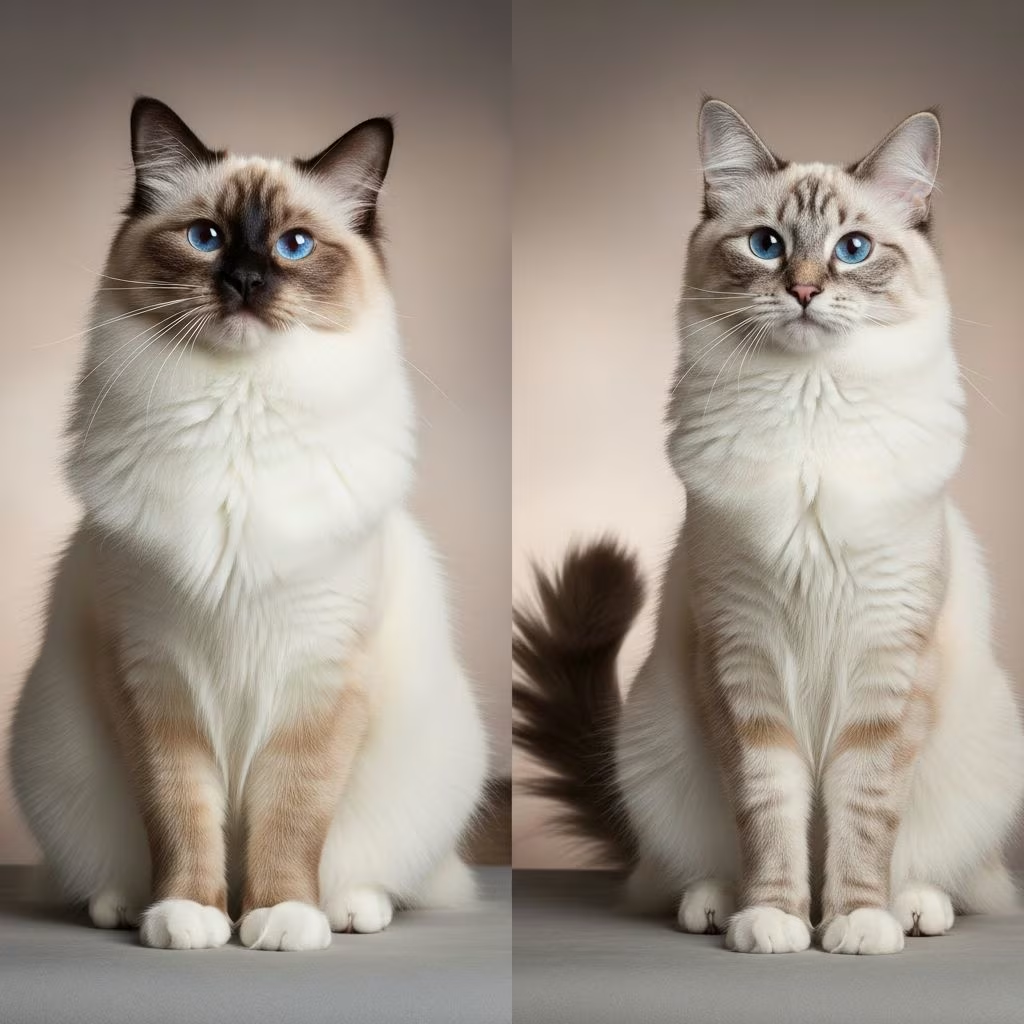
Both the Birman and Balinese are elegant long-haired cat breeds admired for their striking blue eyes and pointed color patterns, making them popular choices among cat enthusiasts. While they share visual similarities, differences in size, energy levels, and care requirements can influence which one fits best into various households.
Historical Background and Origins
The Birman, often called the “Sacred Cat of Burma,” traces its roots to Myanmar, where legends describe it as a temple guardian with mystical qualities. These cats feature a distinctive golden body with darker points and white paws, believed to have been introduced to the West in the early 20th century after a pair was gifted to a French explorer. Their development involved selective breeding to preserve the unique gloved feet and color points.
In contrast, the Balinese emerged in the United States during the mid-20th century as a spontaneous long-haired variant of the Siamese cat. Despite the name evoking Indonesian grace, no direct link to Bali exists; breeders named it for its dancer-like poise. Initially not recognized separately, it gained official status by the 1970s through dedicated breeding programs emphasizing its silky coat and Siamese-like body.
Understanding these origins helps appreciate their temperaments: Birmans retain a serene, temple-cat demeanor, while Balinese inherit the vocal, social traits of Siamese ancestors.
Physical Traits and Appearance
Birmans present a medium-to-large frame, typically weighing 6-12 pounds and standing 8-10 inches tall at the shoulder. Their semi-long, silky coat lacks a dense undercoat, resulting in minimal matting. Key identifiers include vivid blue eyes, a rounded head, medium ears, and signature white “gloves” on all four paws, paired with a golden-cream body and points in colors like seal, chocolate, blue, lilac, red, cream, tabby, or tortie variations.
Balinese cats are sleeker, ranging from 5-12 pounds and 8-11 inches in height, with a tubular, muscular build resembling Siamese. Their medium-length coat is fine and plumed, especially on the tail, in traditional points (seal, chocolate, blue, lilac) plus lynx, tortie, and smoke varieties. Eyes are deep blue to violet, set in a wedge-shaped head with large, pointed ears.
| Feature | Birman | Balinese |
|---|---|---|
| Size/Weight | 6-12 lbs, stockier build | 5-12 lbs, slender & elegant |
| Coat | Silky, medium-long, no undercoat | Fine, plumed tail, seasonal shed |
| Eyes | Round, bright blue | Almond-shaped, blue-violet |
| Distinct Marks | White mittens on paws | No white markings, pointed only |
This table highlights how Birmans appear more robust with their paw accents, while Balinese exude a lithe, oriental elegance.
Personality and Behavior Profiles
Birmans embody gentleness, thriving as affectionate lap companions who communicate softly, often for cuddles or meals. They adapt well to calm homes, showing patience with children and other pets, though they dislike prolonged solitude, which can lead to mild anxiety. Playful yet low-energy, they prefer relaxed interaction over high jinks.
Balinese are outgoing dynamos, highly intelligent, vocal, and curious, demanding interaction and mental stimulation. Their Siamese heritage shines in athletic leaps, shoulder rides, and trainability—many master tricks or walks on leashes. They bond deeply but may vocalize if bored, suiting active families who provide enrichment.
- Birman strengths: Quiet, cuddly, family-oriented.
- Balinese strengths: Playful, social, trainable.
- Both breeds are loyal and people-loving, rarely aggressive.
Care Essentials: Grooming and Maintenance
Neither breed requires intensive grooming due to their coat structure. Birmans benefit from weekly brushing to manage silkier fur and reduce shedding, preventing rare tangles. Balinese shed seasonally but self-maintain well, needing similar brushing for plume preservation. Both have low dander, appealing to mild allergy sufferers, though not truly hypoallergenic.
Bathing is infrequent; focus on dental care, nail trims, and ear checks. Provide scratching posts to protect furniture, as both enjoy marking territory.
Health Considerations and Longevity
Birmans live 12-16 years, prone to hypertrophic cardiomyopathy (HCM), patellar luxation, and congenital deafness in some lines. Responsible breeding screens for these. Balinese often reach 15-20 years, sharing Siamese risks like anesthesia sensitivity, crossed eyes, and dental issues, but generally robust.
Annual vet visits, balanced diet, and weight monitoring are crucial. Balinese may need extra calories for their activity, while Birmans watch portions to avoid obesity.
Lifestyle Fit: Ideal Homes for Each Breed
Choosing a Birman
Opt for a Birman if you seek a serene, snuggly pet for apartments or quiet families. They tolerate alone time better than Balinese but flourish with companionship. Vertical spaces and soft beds enhance their comfort.
Choosing a Balinese
Balinese suit energetic households with time for play, climbing gyms, and interactive toys. They excel with kids or multi-pet homes but struggle in isolation, potentially becoming destructive.
Both adapt to indoors, needing no special climate, though cooler areas darken points more vividly.
Training and Daily Enrichment
Birmans respond to gentle positive reinforcement, learning basics like litter use effortlessly. Balinese shine in advanced training, enjoying puzzle feeders, agility courses, or fetch due to high intelligence.
Enrich both with window perches, cat trees, and safe herbs like catnip for engagement.
Adoption and Breeding Tips
Source from reputable breeders via Cat Fanciers’ Association (CFA) or The International Cat Association (TICA), verifying health tests. Shelters occasionally have mixes. Kittens develop points by 4 weeks; Birmans show gloves early.
Expect $800-$2000 for pedigreed kittens. Prioritize socialization for optimal temperament.
Frequently Asked Questions
Which cat is better for first-time owners?
Birmans, due to lower energy and easier management.
Do they get along with dogs?
Yes, both are sociable with proper introductions.
How often should I groom them?
Weekly brushing suffices for both.
Are they vocal breeds?
Balinese more so; Birmans are softer-spoken.
Can they live outdoors?
Indoor-only recommended for safety and longevity.
Final Thoughts on Your Perfect Match
Decide based on lifestyle: Birman for cozy companionship, Balinese for lively adventure. Both offer years of devotion, blue-eyed beauty, and joy. Assess your activity level and interaction time to ensure a happy, healthy bond.
References
- Birman Cat vs Balinese Cat: Pictures, Differences, & Which … — Hepper. 2023. https://articles.hepper.com/birman-vs-balinese-cat/
- Birman Cat VS. Balinese Cat — YouTube. 2022-10-15. https://www.youtube.com/watch?v=uGIPw8OTisw
- Birman Cat vs. Balinese Cat: Main Differences (With Pictures) — Catster. 2024. https://www.catster.com/cat-breeds/birman-cat-vs-balinese-cat/
- Birman vs Balinese Cat Breed Comparison — Dogell. 2023. https://dogell.com/en/compare-cat-breeds/birman-vs-balinese



