

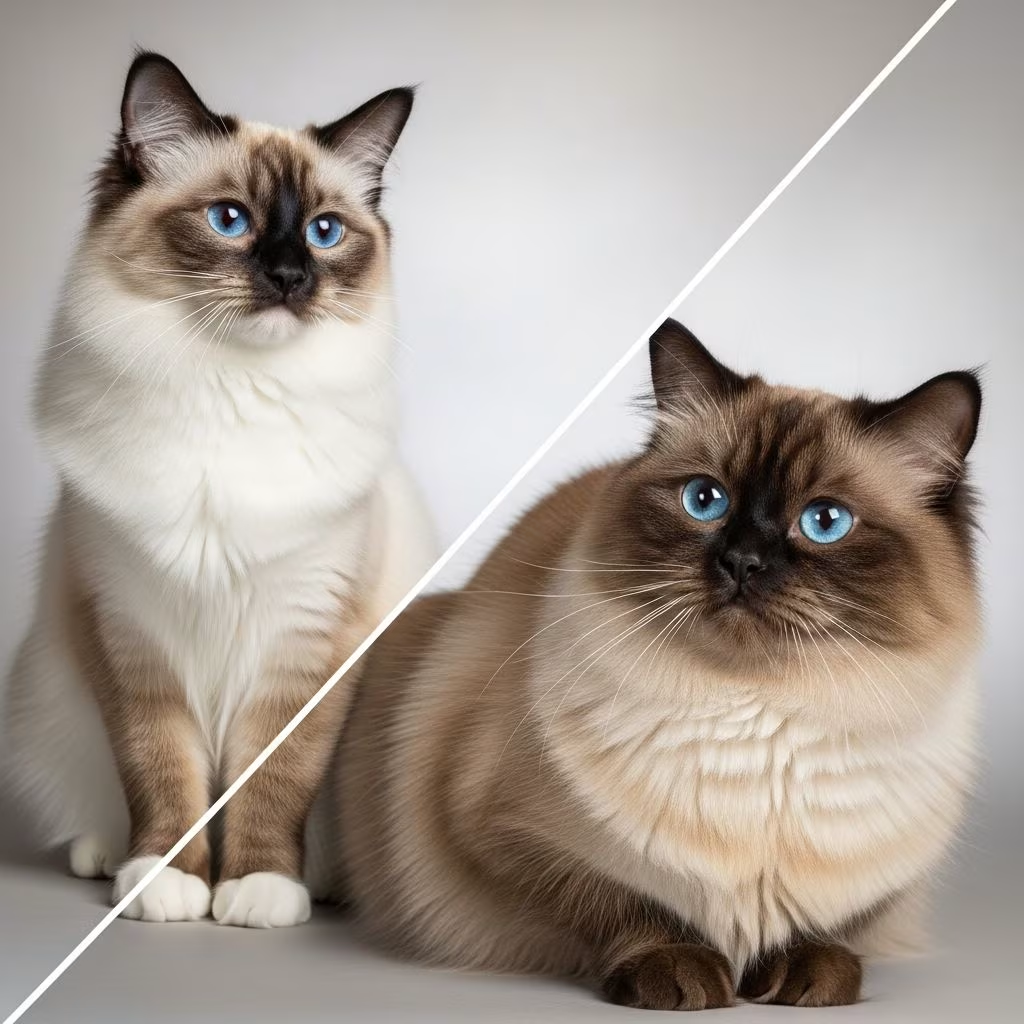
When searching for a long-haired feline companion, prospective cat owners often encounter two visually striking breeds: the Birman and the Himalayan. While these cats share certain aesthetic qualities—including vibrant blue eyes and colorpoint patterns—they possess distinct characteristics that set them apart. Understanding the nuances between these breeds is essential for making an informed decision about which feline might best complement your lifestyle and home environment.
Physical Traits and Bodily Structure
The physical appearance of Birman and Himalayan cats reveals their distinct breeding histories and genetic backgrounds. Birmans display a more refined, elongated facial structure with a medium-length silky coat that maintains a manageable texture. These cats typically stand 8 to 10 inches in height and weigh between 6 and 12 pounds, with males generally exceeding females in size. Their bodies feature wider-set proportions with relatively short legs, creating a balanced, athletic appearance.
Himalayans, by contrast, embody the classic Persian phenotype with modifications for colorpoint genetics. Standing slightly taller at 10 to 12 inches and weighing 7 to 12 pounds, Himalayans possess a distinctly different skeletal framework. Their heads are notably rounder with pronounced facial flattening—a characteristic known as brachycephalic structure. This breed displays a compact body type referred to as “cobby,” featuring short, thick legs, a deep broad chest, and a thick muscular neck.
Distinctive Coat Characteristics and Maintenance
Coat quality and density represent one of the most significant differentiators between these breeds. The Birman’s medium-to-long fur possesses a silky, lustrous quality that resists matting more effectively than many other long-haired breeds. This characteristic makes grooming less demanding for owners who prefer lower-maintenance coat care routines.
Himalayans feature a substantially longer and denser coat structure that closely mirrors Persian breed standards. Their fur includes an extensive ruff around the neck, deep frills between the front legs, prominent ear tufts, and a luxuriously full tail. While undeniably beautiful, this dense coat requires more frequent grooming sessions to prevent matting and tangling.
Coat Shedding and Grooming Needs
- Birman shedding: Moderate levels with manageable grooming requirements
- Himalayan shedding: Moderate to heavy with intensive grooming demands
- Birman grooming frequency: 2-3 times weekly brushing recommended
- Himalayan grooming frequency: Daily brushing necessary to maintain coat health
Colorpoint Patterns and Eye Characteristics
Both breeds share the striking colorpoint pattern—darker coloration concentrated on the face, ears, legs, and tail with a lighter body base. However, Birmans possess an exclusive distinguishing feature: white \”gloves\” or socks on all four paws. Additionally, white coloration ascending the back of the rear legs, termed \”laces,\” further distinguishes this breed.
Both breeds consistently display brilliant blue eyes, though Himalayans’ round, large-format eyes contribute to their distinct Persian appearance. Birmans’ blue eyes maintain a more moderate size proportion relative to their refined facial structure.
Available Color Variations
| Color Variety | Birman Availability | Himalayan Availability |
|---|---|---|
| Seal Point | Yes | Yes |
| Blue Point | Yes | Yes |
| Chocolate Point | Yes | Yes |
| Lilac Point | Yes | Yes |
| Flame Point | Limited | Yes |
| Cream Point | Limited | Yes |
| Lynx Point | Yes | Limited |
Temperament and Personality Distinctions
While both breeds demonstrate affectionate natures, their social proclivities differ meaningfully. Birmans tend toward greater sociability and outgoingness, readily engaging with multiple family members and adapting well to household environments with children and other pets. Their gentle disposition combined with high social drive creates companions that actively seek human interaction and thrive in interactive settings.
Himalayans typically exhibit more reserved temperaments, often bonding intensely with single household members rather than distributing affection evenly across the family. Despite their more selective social engagement, Himalayans are undeniably calm, affectionate, and devoted to their chosen companions. These cats often prefer quieter environments and may become stressed in highly stimulating or chaotic household dynamics.
Lifespan and Longevity Considerations
Both breeds offer comparable lifespans, though individual variation occurs based on genetics, nutrition, and healthcare quality. Birmans typically live 9 to 15 years, with some individuals exceeding 15 years with optimal care. Himalayans similarly experience lifespans ranging from 9 to 15 years, with some sources indicating potential longevity extending to 20 years under ideal circumstances.
Health Predispositions and Genetic Considerations
A critical distinction between these breeds concerns breed-specific health vulnerabilities. Birmans are remarkably healthy, with no distinctive breed-specific genetic conditions of significant concern. These cats generally experience only common feline health issues consistent with the broader domestic cat population.
Himalayans face greater health challenges, largely attributable to their Persian heritage and brachycephalic facial structure. Their flattened faces predispose them to breathing difficulties, dental malocclusions, and ocular problems. Additionally, Himalayans inherit Persian breed-specific conditions including polycystic kidney disease (PKD) and feline hyperesthesia syndrome. Prospective owners should factor these health considerations into their decision-making process and commit to specialized veterinary care.
Activity Levels and Exercise Requirements
Both breeds demonstrate moderate energy levels, requiring less than one hour of daily exercise. However, their activity preferences reflect their distinct temperaments. Birmans, with their more social inclinations, often engage enthusiastically in interactive play and environmental enrichment activities. They respond well to toy engagement and benefit from climbing structures that leverage their athletic build.
Himalayans typically prefer more sedentary lifestyles, engaging in play sessions but generally maintaining lower activity thresholds than their Birman counterparts. Their compact, cobby frame is less optimized for vigorous activity, and their facial structure limits exercise tolerance, particularly in warm environments.
Breeding History and Breed Recognition
Understanding these breeds’ origins illuminates their contemporary characteristics. The Birman originated in Burma, now Myanmar, with documented introduction to France in the early 1900s. This breed’s development reflects careful preservation of the original genetic line with its distinctive gloves and pointed coloration.
Himalayans represent a more recent breed development, emerging from deliberate crossings between Persian and Siamese cats beginning in the 1950s. This intentional hybridization aimed to combine Persian aesthetic qualities with Siamese colorpoint patterns. Himalayans gained official recognition with major cat registries, including the GCCF (Governing Council of the Cat Fancy) since 1955.
Family Compatibility and Household Suitability
Both breeds demonstrate family-friendly characteristics and typically coexist peacefully with other household pets. However, specific household dynamics may favor one breed over the other.
Ideal Household Profiles
- Birmans suit: Active families seeking social, interactive companions; households with children and multiple pets; owners preferring lower grooming maintenance
- Himalayans suit: Quieter, calmer home environments; owners preferring devoted single-person bonds; individuals capable of committed daily grooming; households without young children or highly active dynamics
Grooming Commitment and Time Investment
Prospective owners must realistically assess their grooming commitment capacity. Birman coat maintenance requires moderate attention—approximately 2 to 3 brushing sessions weekly—making them accessible for owners with limited grooming experience or time availability. Their silky coats respond well to standard long-haired cat brushes and rarely require professional grooming intervention.
Himalayans demand substantially greater grooming dedication. Daily brushing sessions prove essential for maintaining coat health and preventing matting. Many Himalayan owners employ professional grooming services every 6 to 8 weeks, representing a significant ongoing expense. Without consistent grooming, their dense coats quickly become matted and uncomfortable, potentially creating behavioral and health complications.
Decision Framework: Selecting Your Ideal Companion
Choosing between Birman and Himalayan cats requires careful consideration of multiple factors aligned with your lifestyle and preferences:
- Evaluate your grooming capacity and commitment level
- Assess your household’s activity level and noise tolerance
- Consider your ability to accommodate pet health monitoring and specialized veterinary care
- Reflect on your preference for social versus selective-affection companion relationships
- Factor in long-term financial commitment to grooming, healthcare, and breed-specific interventions
Frequently Asked Questions
Can Birman and Himalayan cats live together harmoniously?
Yes, both breeds generally demonstrate compatibility with other felines. Their calm, affectionate dispositions facilitate peaceful coexistence, though individual personality variations always apply.
Which breed produces fewer allergens?
No significant difference exists between breeds regarding allergen production. Both shed moderately to heavily, and neither breed is considered hypoallergenic.
Do Himalayans require professional grooming?
While professional grooming isn’t absolutely mandatory, most Himalayan owners find periodic professional services essential for maintaining coat health and addressing matting issues that develop between grooming sessions.
Are Birmans better suited for first-time cat owners?
Birmans’ lower grooming demands and hardier health profiles make them more accessible for inexperienced cat owners. Himalayans’ intensive grooming needs and health considerations require more experienced ownership.
How do these breeds respond to apartment living?
Both breeds adapt reasonably well to apartment environments given adequate vertical space and enrichment. Himalayans’ preference for quieter settings may make them particularly suitable for apartment living.
References
- Birman Cat vs Himalayan Cat: Pictures, Differences & What to Know — Hepper. https://articles.hepper.com/birman-vs-himalayan-cat/
- Birman Cat vs Himalayan Cat: Notable Differences (With Pictures) — Catster. https://www.catster.com/lifestyle/birman-cat-vs-himalayan/
- Birman or Himalayan: Which cat breed suits you best? — Pets4Homes. https://www.pets4homes.co.uk/pet-advice/birman-or-himalayan-which-cat-breed-is-best-for-you.html
- Himalayan Cat VS. Birman Cat — YouTube. https://www.youtube.com/watch?v=N5Rprxb9VUQ
- Birman vs Himalayan: Which Cat is Right for You? — Clawmate. https://clawmate.com/breeds/compare/birman-vs-himalayan



