Birdseed And Dogs: Risks, Symptoms, And 7 Prevention Tips
Discover why dogs love birdseed, the hidden dangers it poses, and practical steps to keep your pet safe from health risks.
Birdseed and Dogs: Risks and Solutions
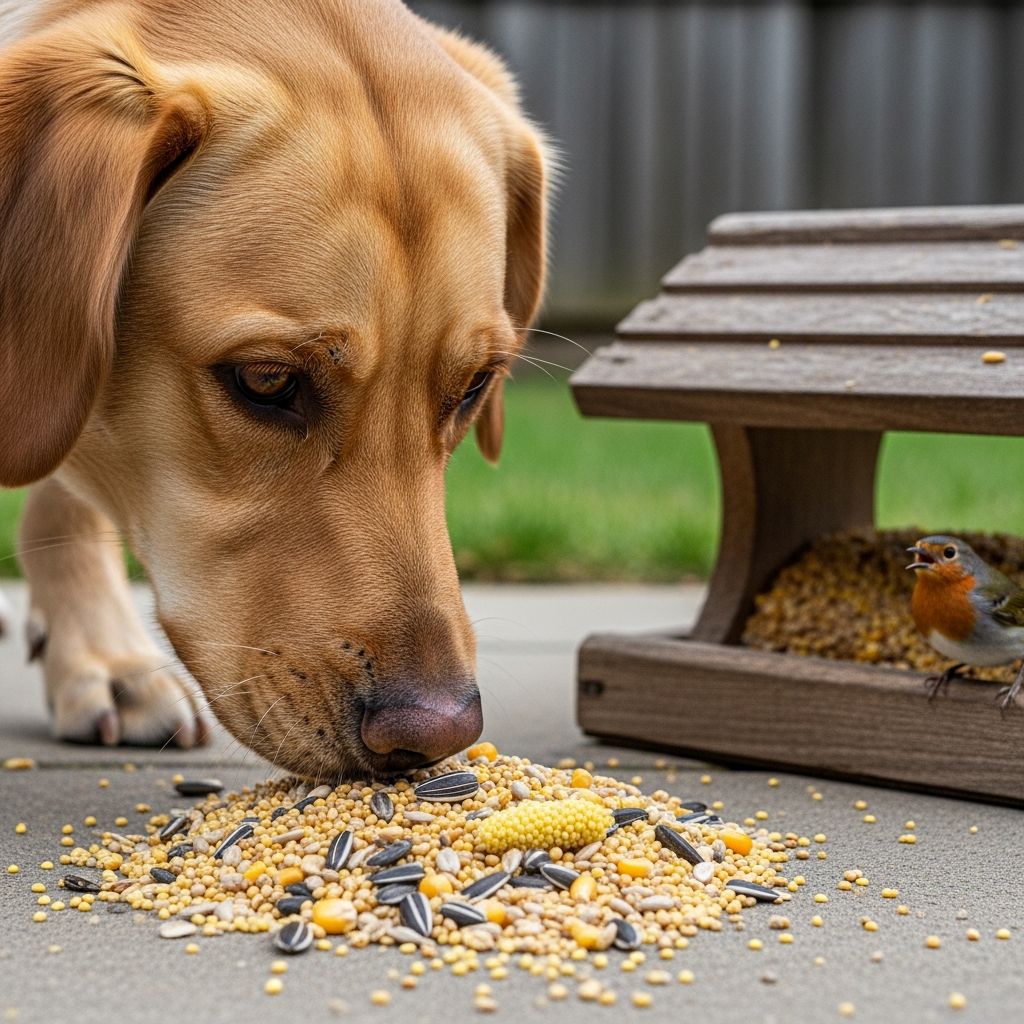
Dogs often show curiosity toward bird feeders, eagerly consuming spilled seeds. While small amounts of fresh birdseed typically pass harmlessly, larger quantities or contaminated seeds can lead to serious health complications. This article examines the nutritional mismatch, specific dangers, symptoms to watch for, and strategies to protect your canine companion.
Why Dogs Are Attracted to Birdseed
Canines possess a natural scavenging instinct, drawing them to novel foods like birdseed. Seeds such as sunflower hearts or peanuts offer a crunchy texture and nutty flavor that appeals to many dogs. Under bird feeders, seeds mix with debris, amplifying the temptation. Small breeds may access ground-level feeders more easily, increasing exposure risks.
Birdseed lacks the balanced proteins, fats, and vitamins essential for dogs. Its high fiber content overwhelms canine digestive systems designed for meat-based diets. Frequent indulgence disrupts normal eating patterns and nutrient absorption.
Nutritional Concerns with Birdseed Consumption
Birdseed formulations prioritize avian needs, featuring grains, nuts, and seeds high in carbohydrates and fiber. Dogs, obligate carnivores, struggle to process these efficiently. Excess fiber ferments in the gut, producing gas and discomfort. Over time, reliance on such snacks can lead to nutritional deficiencies if it replaces proper meals.
| Component | Birdseed Typical Content | Dog Dietary Needs | Potential Issue |
|---|---|---|---|
| Fiber | High (10-20%) | Moderate (2-5%) | Digestive overload |
| Protein | Low to moderate | High (20-30%) | Muscle wasting risk |
| Fats | Variable, often unsaturated | Balanced omega sources | Imbalanced energy |
| Carbs | High | Low | Weight gain, bloat |
This table highlights the mismatch, underscoring why birdseed serves as an occasional nibble at best, not a staple.
Immediate Digestive Reactions
The most frequent outcome of birdseed ingestion is gastrointestinal upset. Dogs may vomit undigested seeds or experience diarrhea as the body expels foreign material. Abdominal bloating and pain follow, with pets whining or pacing. These symptoms arise from indigestible hulls irritating the stomach lining and fiber speeding transit time.
- Vomiting: Often occurs within hours.
- Diarrhea: Loose stools with seed fragments.
- Bloating: Distended abdomen, reluctance to move.
- Pain: Hunched posture or tenderness on palpation.
Smaller dogs face amplified effects due to relative volume consumed. Hydration becomes critical, as fluid loss exacerbates issues.
Serious Threat: Aflatoxin Toxicity
Aflatoxins, produced by molds like Aspergillus on damp or aged seeds, pose a grave danger. The U.S. Food and Drug Administration notes high levels cause liver damage, illness, or death in dogs. Peanuts in bird mixes heighten risk if stored improperly.
Symptoms develop gradually: lethargy, appetite loss, vomiting, diarrhea, and jaundice (yellowing of eyes/gums). Cornell University Veterinary Medicine explains aflatoxins impair clotting proteins and cholesterol production, necessitating blood tests for diagnosis. Liver failure can occur silently, making early intervention vital.
Obstruction and Choking Hazards
Large seeds like whole sunflowers resist breakdown, risking blockages. Swallowed whole, they compact in intestines, causing impaction. Signs include persistent vomiting, drooling, panting, and appetite refusal. Choking manifests as coughing, pawing at mouth, or distress.
Surgical removal may be required for severe cases, emphasizing moderation. Breeds prone to bloat, like deep-chested ones, face compounded risks.
Hidden Dangers from Additives and Contaminants
Commercial mixes sometimes include raisins or sultanas, toxic to dogs causing kidney failure. Even trace amounts warrant concern. Ground seeds under feeders mingle with bird feces harboring Salmonella, Campylobacter, and parasites, triggering infections with bloody diarrhea or fever.
Bacterial transmission spreads via droppings, underscoring hygiene around feeders.
Recognizing and Assessing Severity
Observe quantity ingested: a handful of fresh seeds rarely harms, but cupsful or moldy batches demand action. Track symptoms over 24-48 hours. Mild cases resolve with fasting and hydration; persistent ones need veterinary evaluation.
- Mild: Transient vomiting, normal energy.
- Moderate: Diarrhea >24 hours, mild lethargy.
- Severe: Jaundice, collapse, bloody stools – emergency.
Prevention Tactics for Bird Feeder Owners
Elevate feeders 4-5 feet off ground, using baffles to minimize spillage. Place away from dog paths. Opt for seed catchers or no-mess mixes without hulls. Regularly clean under feeders, removing waste promptly.
Train with commands like “leave it,” rewarding alternatives. Supervise outdoor time, especially with avid foragers. Secure storage prevents indoor access.
First Response Steps If Ingestion Occurs
Don’t induce vomiting without vet guidance – risks aspiration. Withhold food 12-24 hours, offer ice cubes for hydration. Monitor vitals: temperature, gums, stool. Call vet if symptoms appear, providing details on amount, type, and timing.
Treatment varies: fluids for dehydration, anti-nausea meds, diagnostics for aflatoxin. Prognosis excels with prompt care.
Long-Term Health Monitoring
Post-incident, schedule check-ups for liver function tests. Maintain balanced diet, avoiding human scraps mimicking birdseed appeal. Annual wellness exams catch subclinical issues.
FAQs
Is a little birdseed okay for my dog?
Yes, small amounts of fresh seeds generally pass without issue, but monitor for upset.
What if my dog ate moldy seeds?
Contact vet immediately due to aflatoxin risk.
Can birdseed cause fatal blockages?
Rarely, but large quantities pose obstruction threat requiring surgery.
How to stop my dog from eating under feeders?
Elevate feeders, train commands, clean regularly.
Are all bird foods dangerous?
No, but avoid those with raisins; check labels.
Conclusion
While birdseed tempts dogs, awareness of risks empowers prevention. Vigilance ensures feeders benefit birds without harming pets.
References
- What Happens If Dogs Eat Bird Food: Understanding the Risks and Safety Measures — Houndsy. 2023. https://www.houndsy.com/blogs/modern-tails/what-happens-if-dogs-eat-bird-food-understanding-the-risks-and-safety-measures
- Dog Ate Birdseed: Is It Poisonous? — American Kennel Club. 2023-10-17. https://www.akc.org/expert-advice/health/dog-ate-birdseed-poisonous/
- Is Birdseed Safe for Dogs? 6 Things to Know If Your Dog Ate It — A-Z Animals. 2023. https://a-z-animals.com/pets/dogs/dog-facts/is-birdseed-safe-for-dogs/
- The Lowdown on Bird Seed: Is It Safe for Dogs? — Wiggly Wigglers. 2023. https://www.wigglywigglers.co.uk/blogs/blog/the-lowdown-on-bird-seed-is-it-safe-for-dogs
- Is Bird Seed Bad for Dogs? — Really Wild Bird Food. 2022-10-17. https://www.reallywildbirdfood.co.uk/news/post/2022/10/17/is-bird-seed-bad-for-dogs
Similar Articles





Read full bio of Sneha Tete