
Birds: Complete Owner’s Guide To Care, Nutrition, And Training
Discover the wonders of bird ownership, from biology and care to health and training essentials for happy feathered companions.
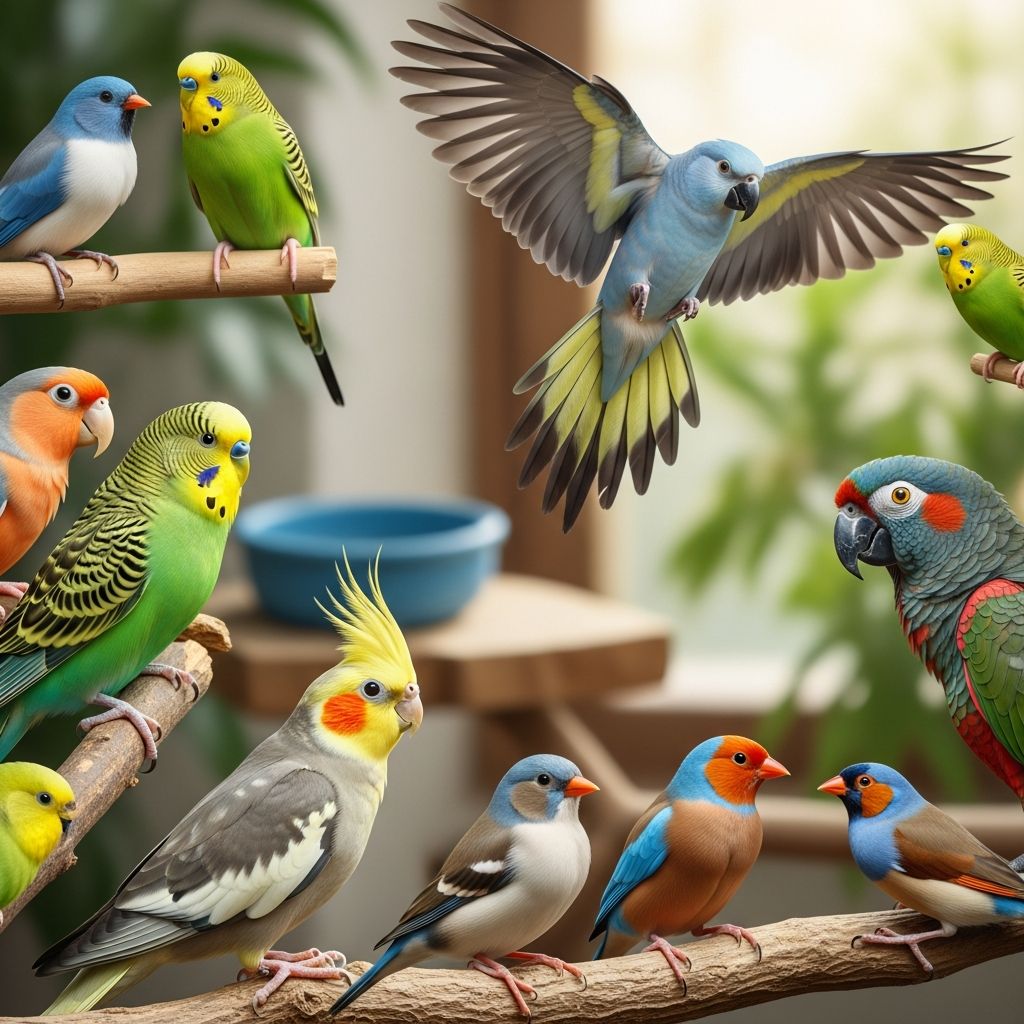
Birds make captivating pets due to their intelligence, vibrant colors, and ability to mimic sounds. With over 10,000 species worldwide, selecting and caring for one requires understanding their biology, needs, and behaviors. This guide provides pet owners with practical knowledge to ensure their birds thrive.
Understanding Avian Biology
Birds belong to the class
Aves
, distinguished by feathers, toothless beaked jaws, and hard-shelled eggs laid by females. They are warm-blooded vertebrates adapted primarily for flight, featuring a four-chambered heart and lightweight skeletons. Unlike mammals, birds lack teeth; instead, they have a horny beak suited to their diet, and a muscular gizzard grinds food.Feathers serve multiple roles: insulation, waterproofing, and flight. Down feathers provide warmth, while contour feathers streamline the body for aerodynamics. Their respiratory system includes air sacs for efficient oxygen use during sustained flight. Birds also possess a unique uncinate process on the ribs, enhancing breathing efficiency.
Bird Classification Basics
Ornithologists classify birds into orders based on structural traits like plumage, bill shape, and foot arrangement. Popular pet birds fall into groups such as
Psittaciformes
(parrots), known for hooked bills and zygodactyl feet (two toes forward, two backward), ideal for climbing and cracking seeds.- Psittaciformes: Includes parrots, cockatoos, and lovebirds; about 368 species, many colorful and long-lived.
- Passeriformes: Songbirds like finches; over half of all bird species, noted for complex songs.
- Piciformes: Woodpeckers and allies; specialized for drilling with reversible toes.
This taxonomy helps owners choose species matching their lifestyle, as flight capabilities and diets vary widely.
Popular Pet Bird Species
Common choices include budgerigars (budgies), cockatiels, and conures from the parrot family. Budgies are small, social, and easy for beginners, reaching 18 cm in length. Cockatiels offer whistling talents and crest displays, while African Greys excel in speech mimicry, living up to 50 years. Finches suit those preferring low-interaction flocks.
| Species | Size (cm) | Temperament | Best For |
|---|---|---|---|
| Budgerigar | 18 | Social, playful | Beginners |
| Cockatiel | 30 | Affectionate, whistler | Families |
| African Grey | 33 | Intelligent, talker | Experienced owners |
| Finch | 10-15 | Active, flock-oriented | Low maintenance |
Each species has unique needs; research prevents mismatches.
Setting Up the Perfect Habitat
A spacious cage is crucial, with bar spacing preventing escapes or injuries (1 cm for small birds, 2.5 cm for larger). Place horizontally for wing exercise, including perches of varying diameters (1-2 cm) to exercise feet. Toys like swings, bells, and puzzles stimulate mentally active birds.
Ideal location: quiet, draft-free room with 10-12 hours of light daily mimicking daylight cycles. Temperature should stay 18-24°C; humidity 40-60% for tropical species. Line floors with paper for waste monitoring. Supervised out-of-cage time daily promotes health.
Nutrition and Feeding Essentials
A balanced diet exceeds seeds, which lack vitamins. Pellets provide 75-80% nutrition, supplemented by 20-25% fresh veggies (kale, carrots), fruits (apples, berries), and occasional nuts. Avoid avocado, chocolate, and caffeine, which are toxic.
- Pellets: Formulated for species-specific needs.
- Vegetables: Dark leafy greens for calcium.
- Proteins: Cooked eggs or beans sparingly.
- Sprouted seeds: Enhance digestibility.
Fresh water daily; cuttlebones supply minerals. Overfeeding seeds leads to obesity.
Daily Care Routines
Clean cages weekly, spot-clean daily. Bathing options: shallow dishes or misting 2-3 times weekly keeps feathers pristine. Socialization prevents loneliness; parrots need 2-4 hours interaction daily. Handle gently from young age to build trust.
Monitor droppings: green feces, white urates, liquid urine indicate health. Changes signal issues.
Health Monitoring and Common Issues
Signs of illness: fluffed feathers, lethargy, tail bobbing, appetite loss. Common problems include psittacosis (bacterial infection), feather plucking from stress, and egg-binding in females.
Annual vet check-ups by avian specialists essential. Vaccinations rare, but quarantine new birds 30-45 days. Parasites like mites require prompt treatment.
- Respiratory: Wheezing from drafts or infections.
- Digestive: Diarrhea from diet errors.
- Behavioral: Screaming or biting from boredom.
Training Your Bird
Positive reinforcement works best: treats for target training or step-up commands. Consistency key; sessions 10-15 minutes daily. Parrots learn tricks like waving or fetching.
Speech training for mimics: repeat words in quiet settings. Patience yields results over months.
Long-Term Ownership Commitments
Many birds live 20-80 years, demanding lifelong care. Budget for food ($20-50/month), vet ($100-500/year), cages ($100+). Legal checks: some species CITES-protected.
Rehoming thoughtfully if needed; rescues abound.
Frequently Asked Questions (FAQs)
Can all birds talk?
No, only certain parrots like African Greys and Amazons mimic speech well.
How often should I clean the cage?
Daily spot-clean, full weekly disinfect.
What if my bird stops eating?
Seek vet immediately; could indicate illness.
Are birds good for apartments?
Yes, smaller species like budgies if noise managed.
Do birds need sunlight?
Indirect natural light aids vitamin D; full-spectrum bulbs alternative.
References
- Bird – Aves, Species, Orders — Britannica. 2023. https://www.britannica.com/animal/bird-animal/Classification
- Bird Classification — Maryland Ornithological Society. 2022. https://mdbirds.org/young-birders/educational-resources/bird-classification/
- Bird — Wikipedia (informational, primary sources referenced). 2024. https://en.wikipedia.org/wiki/Bird
- A Classification of Living Birds — Weber State University. 2020. https://faculty.weber.edu/jcavitt/A%20Classification%20of%20Living%20Birds.pdf
- Guide to North American Birds — National Audubon Society. 2024. https://www.audubon.org/bird-guide
- Browse by Family, All About Birds — Cornell Lab of Ornithology. 2024. https://www.allaboutbirds.org/guide/browse/taxonomy/
- What Makes a Bird a Bird? — Illinois Department of Natural Resources (.gov). 2023. https://dnr.illinois.gov/content/dam/soi/en/web/dnr/education/documents/birdsunit1.pdf
- Aves (birds) — Animal Diversity Web (University of Michigan .edu). 2024. https://animaldiversity.org/accounts/Aves/
Similar Articles








Read full bio of Sneha Tete


