
Bird Weight Guide: 3 At-Home Checks To Spot And Prevent Obesity
Learn essential techniques to monitor your bird's weight and detect obesity early for a healthier, longer life.
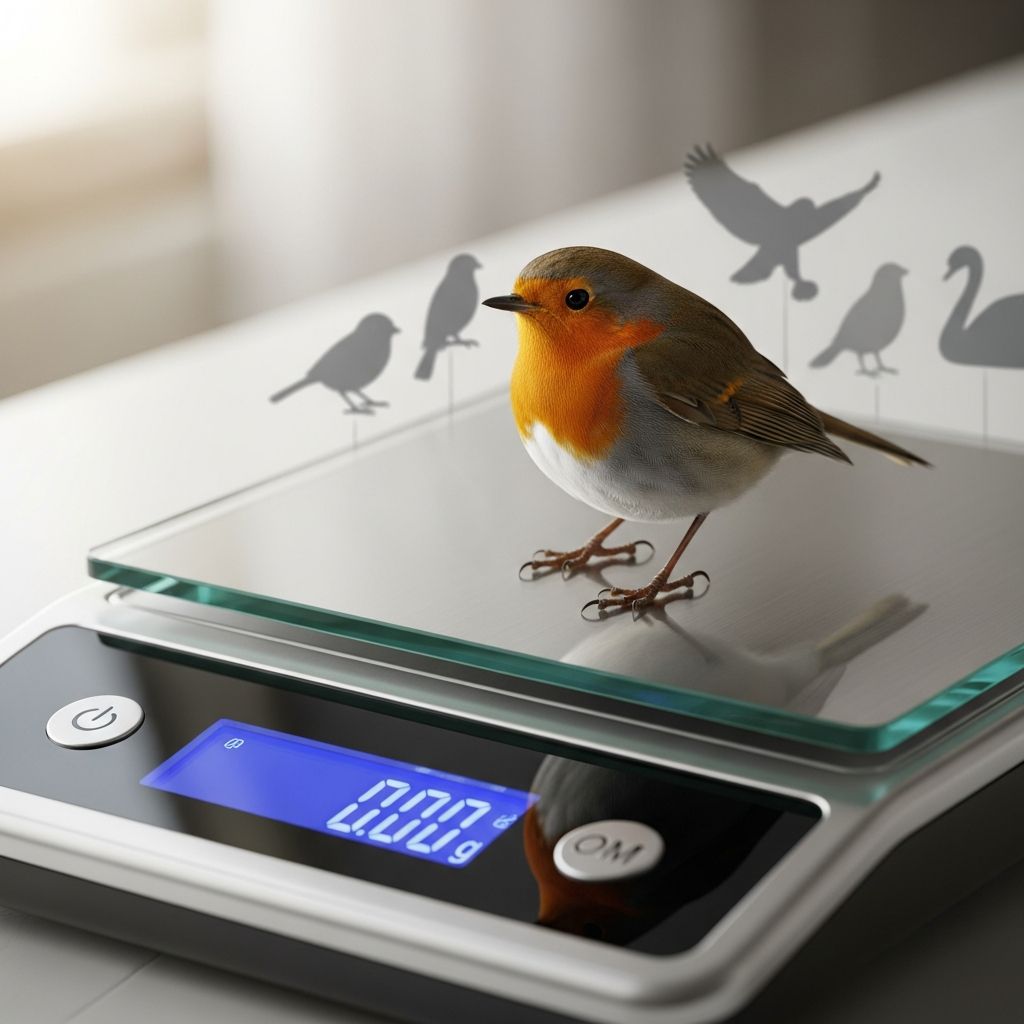
Pet birds bring joy and vibrancy to homes worldwide, but maintaining their ideal weight is crucial for overall well-being. Obesity in birds can lead to serious health complications, including feather plucking, liver disease, and reduced lifespan. This guide provides bird owners with practical tools to evaluate their feathered friends’ body condition, inspired by veterinary standards adapted for avian species. By learning to recognize healthy versus excessive weight, you can take proactive steps to ensure your bird thrives.
Why Weight Matters for Pet Birds
Birds have high metabolisms and active lifestyles in the wild, but captivity often leads to overfeeding and inactivity, resulting in weight gain. Excess fat accumulates around the chest, abdomen, and keel (breastbone), impairing flight and organ function. Regular monitoring helps catch issues early, much like body condition scoring (BCS) systems used for dogs and cats on a 1-9 scale, where scores of 8-9 indicate obesity equivalent to 30% over ideal weight. For birds, similar principles apply through visual and tactile assessments.
Studies show that overweight birds face higher risks of fatty liver syndrome, egg-binding in females, and joint strain. Neutered or older birds, or those on seed-heavy diets, are particularly vulnerable. Home checks empower owners to adjust diet and environment before veterinary intervention is needed.
Understanding Ideal Body Condition in Birds
An ideally conditioned bird exhibits a sharp keel bone that’s easily palpable without excess fat covering. From above, smaller species like finches show a gentle waist taper, while larger parrots display a subtle hourglass shape. The abdomen should not sag or bulge; instead, it tucks neatly.
- Ribs and Keel: Feel the breastbone; it should protrude slightly with minimal padding.
- Overall Silhouette: Viewed from the side, the body forms a streamlined profile without a potbelly.
- Activity Level: Healthy birds move fluidly, perch steadily, and preen vigorously.
Deviation from these norms signals potential overweight status. For instance, a rounded keel covered in fat or a distended belly indicates excess adipose tissue.
Step-by-Step At-Home Assessment Techniques
Perform weekly checks in a calm environment to acclimate your bird. Use these methods consistently for trends over time.
Visual Inspection
Observe your bird standing naturally. Healthy parakeets have visible keel contours under feathers; obese ones appear barrel-shaped. Compare to breed standards: cockatiels should show a defined chest ridge, not a puffed-out profile. Lighting matters—use natural light to avoid feather fluffing that masks fat.
Palpation Method
Gently part feathers along the keel with your fingers. In a fit bird, the bone feels prominent like a sharp V, with thin fat layers. Press lightly; excessive sponginess suggests obesity. For tiny birds like budgies, use one finger to avoid stress. Practice on multiple birds if possible to calibrate your touch.
Weighing Protocol
Daily or bi-weekly weighing on a gram-accurate digital scale is ideal, especially for small species. Weigh at the same time, post-defecation, without food. Track against adult baseline: 10-20% gain flags overweight; over 30% is obese. Use a perch or towel for comfort.
| Bird Type | Ideal Weight Range (grams) | Overweight Threshold | Obese Threshold |
|---|---|---|---|
| Budgerigar | 25-40 | 45+ | 55+ |
| Cockatiel | 80-120 | 140+ | 160+ |
| African Grey Parrot | 400-600 | 700+ | 800+ |
| Finch | 10-20 | 25+ | 30+ |
This table offers general benchmarks; consult breed-specific charts from avian vets.
Recognizing Signs of Overweight Birds
Beyond visuals, behavioral cues emerge. Overweight birds pant after minimal activity, favor one leg, or develop ‘clipped-wing’ gaits despite intact feathers. Panting, lethargy, or soiled vents from fat-obstructed cloacas are red flags.
- Frequent puffing or open-mouth breathing during play.
- Reluctance to fly or climb, even short distances.
- Overgrown nails from reduced perching activity.
- Patchy feathers due to stress or poor preening.
Juvenile birds grow rapidly; monitor puppy-like growth curves adapted for avians to spot deviations early.
Factors Contributing to Bird Obesity
Several elements drive weight gain:
- Diet Imbalance: Seed mixes high in fat (20-30%) exceed needs; pellets should dominate.
- Sedentary Lifestyle: Caged birds lack foraging; enrich with toys and flight space.
- Age and Hormones: Seniors metabolize slower; breeding pairs overeat.
- Medical Issues: Hypothyroidism or parasites mimic obesity.
BSAVA and WSAVA endorse routine BCS for early detection in predisposed pets.
Action Plan for Weight Management
If assessments reveal issues:
- Consult an avian vet for baseline BCS and bloodwork.
- Switch to measured pellet diets (80% of intake), veggies (15%), fruits/seeds (5%).
- Increase exercise: 2-4 hours daily out-of-cage time.
- Track progress bi-weekly; aim for 1-2% weekly loss.
Forums and apps aid logging, but vet oversight prevents crash dieting.
Common Myths About Bird Weight
- Myth: “Fluffy is Cute.” Puffiness often hides fat, not health.
- Myth: “Seeds Are Natural.” Wild diets vary; captive seeds cause obesity.
- Myth: “Birds Self-Regulate.” Many overeat treats.
FAQs
How often should I weigh my bird?
Daily for small species, weekly for larger ones to catch subtle gains.
What if my bird resists handling?
Towel-train gently or use scale perches; patience builds trust.
Can obesity be reversed in older birds?
Yes, with gradual changes; vets guide safe protocols.
Is BCS validated for birds?
Adapted from mammalian 1-9 scales, it’s widely used in avian practice for fat assessment.
When is vet help urgent?
If weight exceeds 30% ideal, or with lethargy/discharge.
Implementing these strategies fosters a balanced, active life for your bird. Regular vigilance turns potential problems into preventable ones, enhancing years of companionship.
References
- Obesity | BSAVA — British Small Animal Veterinary Association. 2023. https://www.bsava.com/position-statement/obesity/
- How Do I Know if My Dog or Cat is Overweight? — HART For Animals. 2022-10-15. https://hartforanimals.org/pet-health-blog/hn33iszkjhwof64yt4o39163fx2cs6
- Global Pet Obesity Initiative — Association for Pet Obesity Prevention. 2024. https://www.petobesityprevention.org/global-pet-obesity-initiative-apop
- Obesity in pets — Wikipedia (references primary studies). 2025-01-20. https://en.wikipedia.org/wiki/Obesity_in_pets
- How to Tell if Your Dog or Cat is Overweight — Animal Medical Center of New York. 2019-10-01. https://www.amcny.org/blog/2019/10/01/how-to-tell-if-your-dog-or-cat-is-overweight/
- The Responsibility of Veterinarians to Address Companion Animal Overweight and Obesity — PMC/NCBI. 2018-09-07. https://pmc.ncbi.nlm.nih.gov/articles/PMC6162666/
- Is my pet overweight? — American Animal Hospital Association (AAHA). 2023. https://www.aaha.org/resources/is-my-pet-overweight/
Similar Articles








Read full bio of Sneha Tete


