

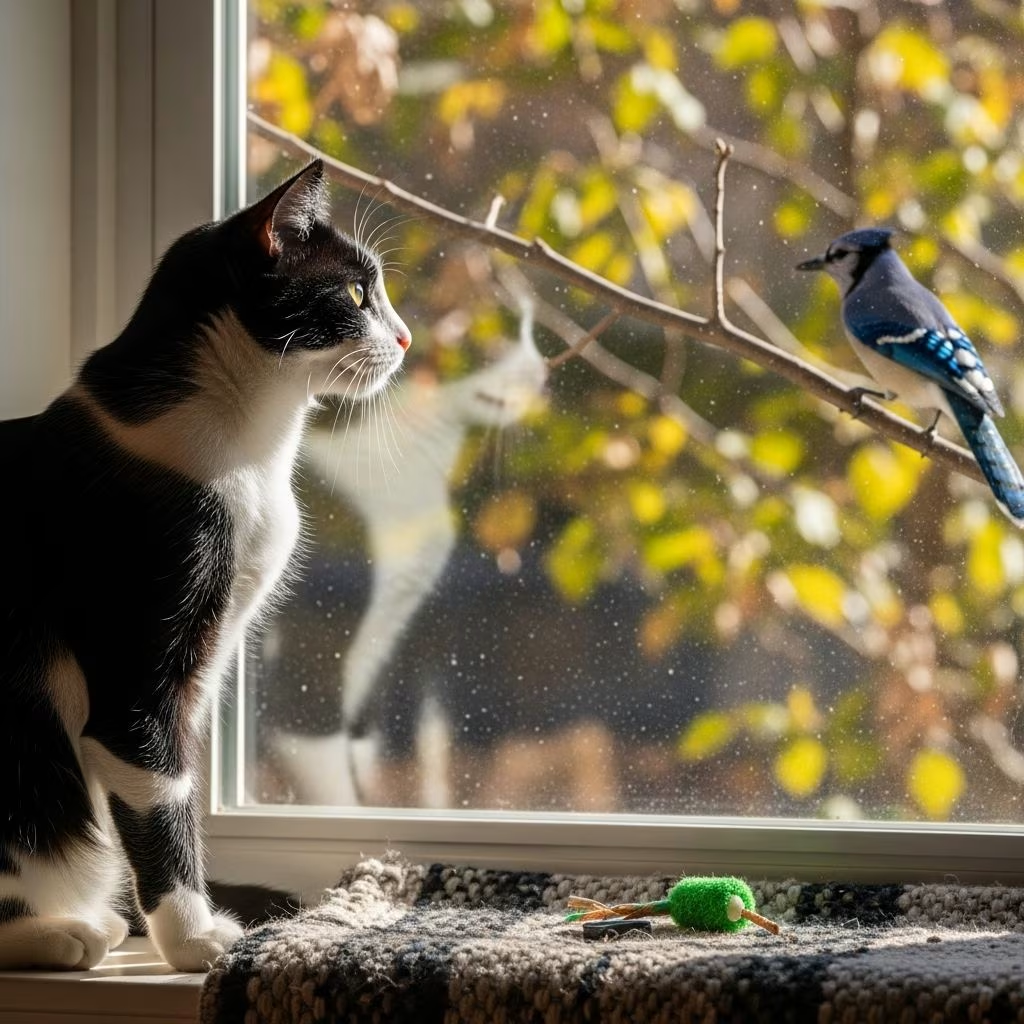
Bird Watching for Cats: Environmental Enrichment for Indoor Cats
Felines are natural predators, and although your indoor kitty might not be actively hunting these days, predators have an inherent need to locate and catch prey. This behavior keeps them mentally and physically stimulated. Science has demonstrated that cats need these types of stimulation to thrive, especially if they live indoors where opportunities for hunting are limited. While interactive toys offer some entertainment, many pets require more substantial mental enrichment to stay happy and healthy.
An excellent way to provide this enrichment is through bird watching. By attracting avian friends to your home, you allow your cat to watch (but not catch) birds while keeping your pet occupied within the safety of your home. This activity satisfies your cat’s predatory instincts while protecting wild bird populations from harm.
Understanding Your Cat’s Natural Attraction to Birds
Cats enjoy watching other animals because it intrigues their natural hunting instincts and curiosity. Their enjoyment of watching other animals is linked to their tendencies to hunt other animals, specifically smaller prey like rodents and birds. Cats are intelligent creatures with excellent observational skills that allow them to gather information from their surroundings.
When cats watch birds, they are not simply being entertained—they are engaging in behaviors that are deeply rooted in their evolutionary history. Watching prey is a crucial part of the hunting process and allows them to gather information for successful predation. However, by providing a bird-watching station, you can channel these instincts in a way that is beneficial for both your cat and the birds.
How Bird Watching Works for Indoor Cats
Setting up a bird-watching station is straightforward. Basically, all you need to do is attract birds to your home where your cat can see them, and let your cat lounge in front of a window or door to watch the action. The key to success is understanding what draws birds to residential areas and then strategically placing these attractions near windows where your cat can observe them.
Like other animals, birds need three essential things to survive: food, water, and shelter. You can attract them to your home for your cat to watch by providing one or more of these elements. When provided with the right resources near visible windows or doors, birds will be drawn in, and your cat will likely sit and watch them for hours at a time.
Types of Bird Attractions for Your Yard
Bird Feeders
Bird feeders are probably the easiest and most entertaining way to provide environmental enrichment for your cat. Birds eat frequently during the day, allowing your kitty to observe your feathered friends flying around regularly. This constant activity keeps your cat engaged and mentally stimulated throughout the day.
Interestingly, birds are typically inactive during the middle parts of the day when your cat is likely sleeping too. This is thought to be because the risk of predation in the middle part of the day is higher than the bird’s need for food. Instead, birds typically feed in the early morning and towards the end of the day. Ensuring the feeder is frequently cleaned and always filled is essential to keep them coming back for more.
Window-mounted feeders with suction cups offer an excellent way to observe the birds up close. These feeders allow you to position them directly on your window, giving your cat an up-close view of the action. Other types of feeders may need to be positioned some distance from your cat’s vantage point, which makes birdwatching somewhat less entertaining.
Bird Baths
Bird baths provide water for birds and also serve as gathering places where multiple birds congregate. This creates more activity for your cat to watch. However, you might not be able to put bird baths as close to your windows as you would a bird feeder, but that depends on your yard’s layout and individual preferences.
Birdhouses and Natural Shelter
You may already have shelter in place if you have trees or shrubs in your yard. Birds will use these areas to rest and nest during the mating season. Providing natural shelter encourages birds to stay in your yard longer, creating ongoing entertainment for your cat. Ideally, all three components—food, water, and shelter—will be near a window or door where your cat can watch the action.
Advantages of Bird Watching for Cats
The advantage of bird watching over other forms of enrichment is the variety and spontaneity of the activity. Cats often get bored with toys, so rotating them frequently is necessary. However, the scene changes daily with your avian friends, which will keep your pet’s interest in this form of entertainment high.
Consider these key benefits:
- Daily variety and spontaneity that prevents boredom
- Mental stimulation through observation and tracking
- Physical activity as cats move between windows to follow birds
- Natural behavioral engagement that satisfies hunting instincts
- Stress reduction through engaging enrichment activities
- Different bird species attracted by varying food types
Environmental Impact and Bird Safety
One of the most significant advantages of bird watching for cats is the protection it provides to wild bird populations. Giving your kitty outdoor access is problematic. Research has shown that cats are linked to the extinction of 40 bird species. The American Bird Conservancy estimates that felines kill up to 4 billion birds annually.
Setting up a bird-watching station for your indoor cat gives them visual access while keeping your feathered friends safe. Your cat gets to enjoy the activity of the avian visitors while the birds remain protected from predation. This arrangement allows you to manage your cat’s predatory instincts responsibly while supporting local bird populations.
Behavioral Benefits
Cats that are stimulated through enrichment and play are less likely to become stressed and therefore less likely to exhibit behavior problems. By providing bird watching as a regular enrichment activity, you can help ensure your cat remains mentally healthy and well-adjusted. The birds will ensure it doesn’t get boring, and your cat will be mentally stimulated for long periods on a daily basis.
Getting Your Cat to Use the Bird-Watching Station
You may need to show your cat the station when birds are actively feeding at it. It may only take one time for your pet to catch on to the new enrichment activity. Most cats will naturally gravitate toward the window or door once they notice the birds. They will likely chirp and squeal when the avian visitors flit around the feeder, indicating their excitement and engagement with the activity.
Tips for introducing your cat to the bird-watching station:
- Place comfortable seating near the window where your cat can lounge
- Start with a well-stocked feeder to ensure regular bird activity
- Position the feeder within clear sight lines from your cat’s favorite spots
- Use window perches or cat furniture to help your cat reach optimal viewing angles
- Ensure the area is quiet and free from distractions
Maximizing Bird Attraction to Your Yard
Birds learn from watching other birds and will quickly recognize feeders and what they have to offer. To keep birds coming back and maintain your cat’s interest, consider these strategies:
- Offer different types of seed and food to attract varied species
- Keep feeders clean and well-maintained
- Provide fresh water in bird baths
- Plant native trees and shrubs for natural shelter
- Maintain feeders throughout the year for consistent bird activity
- Rotate food types seasonally to attract different species
Offering different kinds of food will attract more birds and different species, ensuring that your cat’s bird-watching experience remains engaging and varied throughout the year.
Creating the Ideal Bird-Watching Environment
The success of your bird-watching station depends on thoughtful setup and maintenance. Consider the following factors when designing your setup:
- Window placement: Position feeders directly in front of windows where your cat spends time
- Distance from shelter: Keep feeders close enough to trees and shrubs for birds to feel safe, but far enough that predators cannot hide nearby
- Cat comfort: Provide comfortable seating like window perches or cat beds near the viewing area
- Safety: Ensure feeders are secure and won’t fall if your cat jumps against the window
- Maintenance: Choose a location easily accessible for cleaning and refilling feeders
Frequently Asked Questions
Q: Will bird watching actually keep my indoor cat entertained long-term?
A: Yes. Unlike toys that cats often get bored with, bird-watching provides daily variety and spontaneity. The constant activity and changing cast of bird visitors will keep your cat mentally stimulated for extended periods each day.
Q: What if I don’t have a yard? Can I still set up a bird-watching station?
A: Yes. You can mount window feeders with suction cups directly on your apartment or condo window. This creates an excellent viewing experience for your cat without requiring yard space.
Q: Is it cruel to let cats watch birds they cannot catch?
A: No. This activity actually satisfies your cat’s natural instincts in a safe and responsible way. It allows your cat to engage in natural behaviors while protecting birds from harm. Cats enjoy the mental stimulation regardless of whether they can physically catch the birds.
Q: How often should I clean and refill bird feeders?
A: This depends on the number of birds visiting and weather conditions. Generally, feeders should be cleaned and refilled every few days to weekly. Empty or dirty feeders will not attract birds and will disappoint your watching cat.
Q: What types of birds are most commonly attracted to residential feeders?
A: Common feeder birds include cardinals, chickadees, finches, sparrows, and jays. The specific species in your area depends on your geographic location and the types of seeds and food you provide.
Q: Can bird watching reduce behavior problems in indoor cats?
A: Yes. Cats that are stimulated through enrichment activities like bird watching are less likely to become stressed and exhibit behavior problems such as excessive scratching, aggression, or destructive behaviors.
Conclusion
Setting up a bird-watching station is an excellent way to help birds near your home while providing valuable enrichment for your indoor cat. Kitty gets to enjoy the activity of the avian visitors while keeping the birds safe from predation. This win-win arrangement allows you to satisfy your cat’s natural predatory instincts responsibly while supporting local wildlife.
Many people find connecting with nature through bird watching relaxing, providing welcome stress relief, and your pet will undoubtedly enjoy this novel entertainment too. By understanding your cat’s need for enrichment and providing appropriate outlets for their natural behaviors, you can ensure your indoor feline lives a happy, mentally stimulated, and fulfilled life.
References
- Why Do Cats Like Watching Other Animals? Vet-Reviewed Feline Behavior — Catster. https://www.catster.com/cat-behavior/cat-behavior-fascinated-watching-other-animals/
- Bird Watching for Cats: Environmental Enrichment for Indoor Cats — Catster. https://www.catster.com/lifestyle/bird-watching-for-cats/
- American Bird Conservancy Bird Predation Statistics — American Bird Conservancy. https://abcbirds.org/



