Bird Watching 101: Beginner Gear, ID Tips, And Top Spots
Start your bird watching journey with essential tips, equipment, and techniques for beginners.
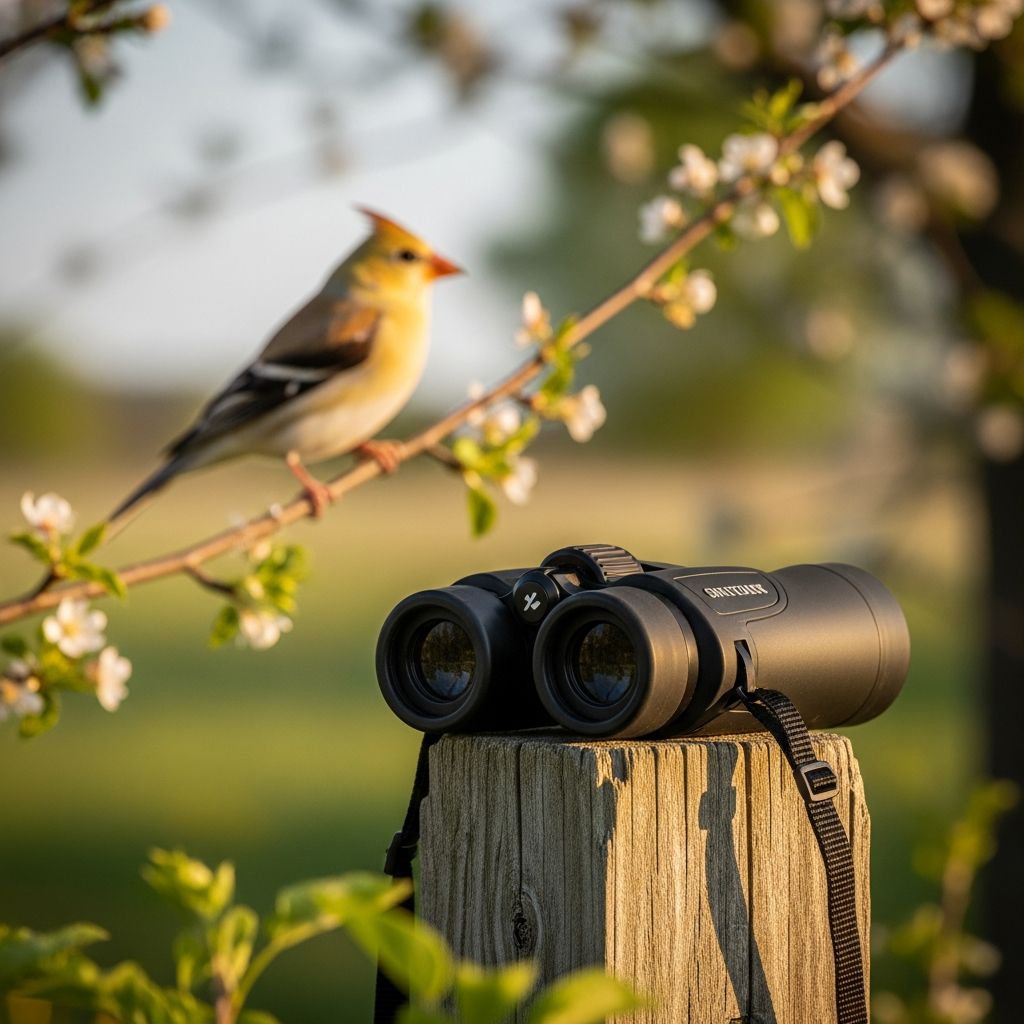
Bird Watching 101: A Beginner’s Guide to Getting Started
Bird watching, or birding as enthusiasts call it, is one of the most rewarding outdoor hobbies you can pursue. It requires minimal investment, can be done almost anywhere, and offers endless opportunities for discovery and connection with nature. Whether you’re interested in observing birds in your own backyard, local parks, or traveling to renowned birding hotspots, this guide will provide you with the essential knowledge and skills to begin your bird watching adventure.
Why Start Bird Watching?
Bird watching appeals to people of all ages and backgrounds for many reasons. It offers a peaceful escape from daily stress, provides excellent outdoor exercise, and fosters a deeper appreciation for wildlife and environmental conservation. Many beginners find that bird watching naturally evolves into a lifelong passion that takes them to beautiful natural areas they might never have explored otherwise. The hobby also connects you with a welcoming community of bird enthusiasts who are always eager to share their knowledge and discoveries.
Essential Equipment for Beginning Birders
While bird watching can be as simple as stepping outside and observing birds with your naked eye, certain equipment significantly enhances the experience and improves your ability to identify species accurately.
Binoculars: Your Window to the Bird World
Binoculars are arguably the most important tool in any birder’s arsenal. A quality pair of binoculars allows you to see intricate feather details, facial markings, and behaviors from a distance without disturbing the birds. When selecting binoculars, you’ll encounter specifications like “8×42” or “10×32.” The first number represents magnification power—how many times larger the bird will appear. The second number indicates the diameter of the objective lens in millimeters, which affects your field of view and light gathering capability.
For beginners, 8x magnification is typically recommended, as higher magnifications can be challenging when you’re still learning to locate birds quickly. The field of view is crucial for tracking moving birds; look for binoculars with an angle of view of at least 6.5 degrees, equivalent to approximately 341 feet at 1,000 yards. Remember that binoculars are an investment, so take time to try different models and choose a pair that feels comfortable in your hands and focuses clearly.
Practice is essential when using binoculars. Try focusing on a distant point, bring the binoculars to your eyes, and verify you’re still looking at the same spot. This fundamental skill prevents you from wasting time searching for birds you’ve momentarily lost sight of.
Field Guides: Your Identification Reference
A field guide specific to your region is indispensable for identifying bird species. These guides typically categorize birds by color, region, and shape, making it easier to narrow down possibilities. Popular options include the Sibley Guide, Kaufman’s guides, Peterson’s guides, and the National Geographic bird guide. Choose between a comprehensive guide covering your entire region or a more portable version focusing on your specific area.
Field guides aren’t limited to physical books anymore. Mobile apps like Merlin Bird ID, the Audubon app, and similar platforms offer convenience and often include audio recordings of bird calls and songs. Many birders use a combination of printed guides and apps, depending on their situation and preferences.
Recording Tools and Notebooks
Keeping a notebook handy is invaluable for documenting your observations. Record the date, time, location, and detailed descriptions of birds you encounter. Many birders create sketches or quick notes about distinctive features they observe. This practice helps you develop identification skills and creates a personal birding journal to track your progress. Over time, these records reveal patterns in bird movements and seasonal migrations in your area.
Optional: Spotting Scopes
As you advance in bird watching, you may consider a spotting scope, especially if you’re interested in observing distant waterfowl or shorebirds. Spotting scopes offer magnification ranging from 20x to 60x, allowing you to see extremely distant birds and minute details. However, they represent a significant investment and require a sturdy tripod for support. Experienced birders recommend researching thoroughly and talking to other enthusiasts before purchasing a scope.
Learning Bird Identification Basics
Identifying birds is both an art and a science. Rather than memorizing every species, successful birders learn to recognize key identification features and use systematic approaches to narrow down possibilities.
Key Identification Features
When observing a bird, pay attention to five primary identification factors:
- Size and Shape: Note the bird’s overall proportions, including body size, beak shape, and tail length. Compare the bird to familiar reference birds to estimate size.
- Color and Pattern: Observe plumage colors, markings, and patterns. These characteristics vary by species, season, age, and gender. Look for distinctive features like wing bars, eye rings, or chest patterns.
- Behavior: How a bird moves, feeds, and interacts with its environment provides crucial identification clues. For example, nuthatches are recognized for descending trees head-first. Feeding behavior, perching preferences, and flight patterns all contribute to identification.
- Voice: Bird calls and songs are invaluable for identifying elusive species you might not see clearly. Familiarizing yourself with common bird vocalizations helps you recognize species even when they’re hidden in foliage.
- Habitat: Understanding which birds prefer specific environments is essential for beginners. A bird found in open meadows differs from one in dense forest, and waterfowl require wetland habitats.
Birding Terminology
Learning birding vocabulary helps you communicate with other birders and better understand field guides. Common terms include:
- Crown: The top of the bird’s head
- Chin: The area just below the beak
- Flanks: The sides of the bird’s body between wings and tail
- Plumage: The bird’s feathers and coloring
- Field Marks: Distinctive identifying features
The Four-Step Identification Process
When you spot a bird, follow this systematic approach:
- Judge the bird’s size and shape
- Look for its main color pattern
- Take note of its behavior
- Consider what habitat it’s in
This methodical approach helps you quickly narrow down possibilities and avoid confusion between similar-looking species. With practice, this process becomes second nature.
Finding the Best Locations for Bird Watching
Location significantly influences what birds you’ll observe. Successful birders develop strategies for selecting productive birding spots.
Choosing Your Birding Location
You can bird watch almost anywhere—your backyard, local parks, nature preserves, and wildlife areas all offer opportunities. The best locations offer variety and resources that attract birds. Look for places where two different habitats meet, such as the edge of a forest and an open meadow, or where shorelines meet water. These transition zones attract diverse bird species because they provide varied food sources, shelter, and water access.
Research your area to identify birds common to your region. Learning these “regulars” helps you quickly identify them and notice when unusual species appear. Websites, local birding organizations, and community bird reports provide valuable information about what species to expect in your area.
Timing Your Bird Watching
When you go birding matters considerably. Location, time of day, weather, and time of year all influence what birds you might observe. Generally, early morning offers the best birding opportunities because birds are most active during dawn and dusk. During midday, birds often rest in shade and become less vocal. Weather also affects birding conditions; overcast days often produce better sightings than bright, sunny days when birds hide in shadows.
Seasonal changes dramatically impact bird populations. Spring and fall migrations bring waves of species passing through your area. Keeping detailed records of your observations helps you anticipate these movements and plan birding trips accordingly.
Developing Your Birding Skills
Like any hobby, bird watching improves with practice and intentional skill development.
Start in Your Neighborhood
Begin your birding journey close to home by observing birds in your own backyard or local parks. Learning to identify common resident species builds confidence and provides a foundation for recognizing unusual visitors. Notice their habits, feeding preferences, vocalizations, and seasonal patterns. This intimate knowledge of your local birds makes you a better birder overall.
Keep a Life List
Many birders maintain a “life list”—a comprehensive record of every bird species they’ve observed in the wild. This practice motivates continued exploration and helps you track your birding progress over time. Your life list becomes a personal record of your birding adventures and discoveries.
Join the Birding Community
Birding with experienced enthusiasts accelerates your learning curve significantly. Local birding clubs, guided bird walks, and online communities provide opportunities to learn from knowledgeable birders. These connections offer camaraderie, shared discoveries, and access to collective knowledge about local birds and prime birding locations.
Practical Tips for Successful Bird Watching
Dress Appropriately
Wear long, loose-fitting sleeves and pants to protect yourself from the sun and biting insects. Choose neutral colors that blend with your surroundings, as bright colors can startle birds. Comfortable, sturdy footwear is essential for navigating various terrain safely.
Stay Comfortable in the Field
Bring water and snacks to maintain your energy and hydration during birding sessions. Bird watching often involves standing or walking for extended periods, so stay hydrated and take breaks as needed. Sunscreen and insect repellent are also worthwhile additions to your birding kit.
Practice Binocular Skills
Proper binocular use dramatically improves your bird watching experience. Learn to find birds without binoculars first, then bring the optics to your eyes while maintaining focus on the bird. This technique prevents the frustration of losing sight of your target while adjusting your binoculars.
Move Slowly and Quietly
Birds are easily startled by sudden movements or loud noises. Move deliberately through birding habitats, pause frequently to scan your surroundings, and speak in hushed tones if birding with others. This approach allows you to observe birds behaving naturally rather than watching them flee in alarm.
Frequently Asked Questions
Q: What’s the best time of year to start bird watching?
A: You can begin bird watching any time of year, but spring and fall migrations bring the greatest diversity of species. However, winter offers excellent opportunities to observe resident species without dense foliage obscuring views.
Q: How much should I spend on binoculars?
A: Quality binoculars range from $150 to $1,000 or more. For beginners, mid-range binoculars ($300–$500) typically offer excellent value and performance. As your skills develop, you can upgrade to higher-end models.
Q: Can I bird watch in urban areas?
A: Absolutely! Many bird species thrive in urban and suburban environments. Parks, gardens, and green spaces in cities host diverse bird populations, making urban birding accessible and rewarding.
Q: How long does it take to become proficient at bird identification?
A: You can identify common species within a few weeks of regular practice. However, mastering subtle field marks and rare species identification takes years of dedicated birding. The learning process is part of the enjoyment.
Q: Do I need to join a birding club to enjoy the hobby?
A: No, bird watching is enjoyable as a solitary activity. However, joining a club or birding group enhances the experience by providing learning opportunities, social connections, and access to group knowledge about local birds.
Q: What’s the difference between a field guide and a birding app?
A: Field guides are comprehensive reference books offering detailed illustrations and descriptions. Birding apps provide convenience, audio recordings, and interactive identification features. Many birders use both for complementary advantages.
Q: How can I attract more birds to observe?
A: Provide water sources like bird baths, plant native vegetation for food and shelter, and maintain brush piles for cover. Avoid pesticides that eliminate insect food sources. These actions create inviting habitats for diverse bird species.
Conclusion
Bird watching offers an accessible, affordable gateway to appreciating wildlife and connecting with nature. By investing in basic equipment like binoculars and a field guide, learning systematic identification techniques, and choosing productive locations, you’re well-prepared to begin your birding journey. Remember that successful bird watching combines science and art—using analytical skills to identify species while maintaining the sense of wonder that makes each sighting special. Start small in familiar locations, practice regularly, and let your passion for birds guide your continued exploration. The natural world awaits, and countless fascinating birds are ready for you to discover.
References
- Birding For Beginners — U.S. National Park Service. 2024. https://www.nps.gov/articles/birding-for-beginners.htm
- Birding for Beginners — Mass Audubon. 2024. https://www.massaudubon.org/news/latest/birding-for-beginners
- A Beginners Guide to Birdwatching — SandMarc. 2024. https://www.sandmarc.com/blogs/articles/a-beginners-guide-to-birdwatching
- Binoculars and Beyond: Nine Tips for Beginning Birdwatchers — Cornell Lab of Ornithology. 2024. https://www.allaboutbirds.org/news/binoculars-and-beyond-nine-tips-for-begining-bird-watchers/
- Beginner’s Guide to Birdwatching in New York City — NYC Bird Alliance. 2024. https://nycbirdalliance.org/events-birding/birding-resources/birding-101
Similar Articles







Read full bio of Sneha Tete