

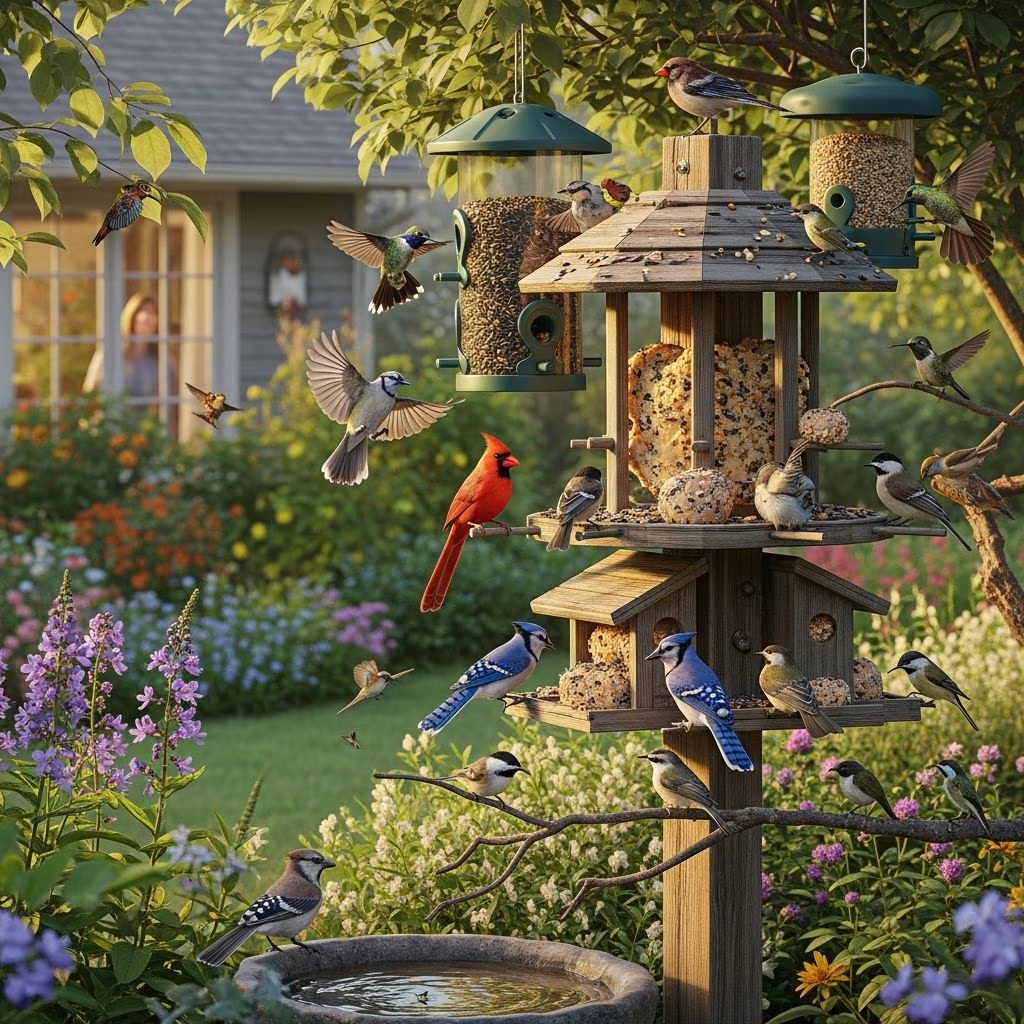
Attracting birds to your backyard is one of the most rewarding hobbies you can enjoy from the comfort of your home. Whether you’re a seasoned birder or just beginning to explore the world of bird watching, setting up a proper bird feeding station is the foundation for success. A well-designed bird feeder setup not only brings vibrant wildlife to your yard but also provides essential nutrition for local bird populations, especially during harsh seasons.
This comprehensive guide will walk you through everything you need to know about setting up your backyard bird feeder, from selecting the right feeder type to positioning it for maximum bird visits and minimal maintenance headaches.
Understanding Bird Feeder Types
Before you purchase a feeder or mount one in your yard, it’s crucial to understand the different types available. Each feeder design serves specific purposes and attracts particular bird species. By offering a variety of feeder types, you’ll dramatically increase the diversity of birds visiting your backyard.
Hopper Feeders
Hopper feeders are among the most popular and versatile options for backyard bird enthusiasts. These feeders feature a central seed reservoir with a sloped roof that protects the seed from rain and snow. Seeds are dispensed through gravity onto a tray or perch area below, where birds can comfortably feed. Hopper feeders attract a wide variety of bird species, including cardinals, finches, sparrows, and nuthatches. They hold a substantial amount of seed, reducing the frequency of refills needed. However, regular cleaning is essential to prevent mold buildup, which can harm birds.
Tube Feeders
Tube feeders are cylindrical containers with multiple small ports along their sides, each typically accompanied by a small perch. These feeders are particularly effective for small songbirds like finches and chickadees. Tube feeders work exceptionally well with smaller seeds such as nyjer seed or sunflower seeds. One of their primary advantages is waste reduction—birds can only access seeds at the port openings, preventing excessive seed spillage. Some tube feeders feature weight-activated mechanisms that close feeding ports if larger, unwanted birds like starlings attempt to feed.
Platform or Tray Feeders
Platform feeders consist of an open, flat feeding surface, sometimes slightly raised on a pole or suspended from a branch. Their open design makes them incredibly versatile—they can accommodate seeds, nuts, suet, dried fruits, and even mealworms. Platform feeders attract a broader range of birds than other feeder types, including ground-feeding species like doves, juncos, and towhees. The main drawback is that they offer no protection from rain or snow, so you’ll need to position them strategically or use covered models.
Suet Feeders
Suet feeders are wire cages or mesh containers designed to hold suet cakes—high-energy food blocks typically made from beef fat mixed with seeds, nuts, or dried fruit. These feeders are particularly attractive to woodpeckers, nuthatches, chickadees, and wrens. Suet feeders are typically hung from trees or poles and work best during colder months when the suet won’t melt excessively.
Nectar Feeders
Nectar feeders are specifically designed for hummingbirds and other nectar-loving species. These feeders feature multiple small ports with built-in flowers or colored tubes that attract hummingbirds. Nectar feeders require more frequent cleaning and refilling than seed feeders, as nectar can ferment quickly in warm weather.
Choosing the Optimal Location
The location of your bird feeders is just as important as the type of feeder you choose. A well-placed feeder will attract more birds and create a safer feeding environment for them.
Height Considerations
Different birds prefer feeding at different heights, so varying the heights of your feeders will attract greater diversity. Here are general height guidelines:
| Feeder Type | Recommended Height | Why |
|---|---|---|
| Ground Feeders | Ground level or slightly elevated | Caters to ground-feeding birds like doves and juncos |
| Hopper, Tube, Platform | 5-6 feet above ground | Deters ground predators while remaining accessible to perching birds |
| Suet Feeders | 5-7 feet high | Allows clinging birds like woodpeckers to easily access while staying secure |
| Nectar Feeders | 4-6 feet above ground | Ideal for hummingbirds to spot and approach safely |
Proximity to Natural Cover
Birds feel more confident visiting feeders when they have nearby escape routes and resting places. Position your feeders within 10-12 feet of trees, shrubs, or other natural cover. This distance allows birds to survey the feeding area safely from their perch before committing to a feeding visit. The nearby vegetation also provides shelter if a predator—such as a hawk—approaches. However, be careful not to position feeders so close to dense vegetation that cats or other predators can use it as cover to ambush feeding birds.
Visibility and Accessibility
While birds need nearby cover, the feeders themselves should be easily visible from a distance so birds can locate them. Place feeders in relatively open areas rather than obscured by fences, walls, or heavy foliage. Also consider positioning feeders where you can easily view them from a window, patio, or deck in your home. This allows you to enjoy the birds while protecting them—you’ll be able to spot when feeders need attention or if a predator is nearby.
Sun and Shade Balance
Try to position feeders where they receive a balance of sun and shade throughout the day. Birds often prefer feeding in sunny spots, particularly during cold weather when they need warmth. However, in hot climates, partial shade helps keep seed fresh and prevents nectar from spoiling too quickly. A location that receives morning sun and afternoon shade typically works well in most climates.
Protection from Weather
Rain and snow can quickly spoil seed, making it unappealing or even harmful to birds. Position feeders under natural or artificial protection when possible—a porch overhang, tree branches, or a specially designed feeder with a built-in cover works well. Wet seed can develop mold and other pathogens that sicken birds. Some feeders come with rain guards or domes that provide weather protection while still allowing birds access to food.
Distance from Windows
One critical safety consideration is window collisions. Position feeders either very close to windows (within three feet) or far away (at least 30 feet). When feeders are positioned at intermediate distances, birds startled while feeding may strike windows at high speeds. Very close feeders allow birds to recognize the glass and avoid collision, while distant feeders simply reduce collision risk by reducing the window strike zone from a feeding bird’s perspective.
Ensuring Feeder Stability and Security
Once you’ve selected a location, proper installation is essential for feeder longevity and bird safety.
Using Sturdy Poles
Metal or treated wood poles should be firmly anchored into the ground with concrete or a heavy-duty ground socket. Make sure the pole can withstand wind and the weight of multiple birds feeding simultaneously. Poles should be at least one inch in diameter for feeder mounting hardware.
Installing Baffles
Squirrel baffles are dome-shaped or cylindrical barriers that prevent squirrels and other climbing animals from reaching feeders mounted on poles. Baffles can be positioned either above the feeder (to prevent animals from jumping down onto it) or below it (to prevent climbing up). When installed correctly, baffles significantly reduce the number of seeds lost to squirrels while allowing birds to feed undisturbed.
Hanging from Tree Branches
If you prefer to hang feeders from tree branches, select a sturdy branch that can easily support the feeder’s weight plus multiple feeding birds. Use heavy-duty hooks rated for outdoor use—stainless steel or powder-coated metal hooks resist weathering better than standard hardware store hooks. Ensure hooks are securely fastened and that the branch shows no signs of damage or disease.
Maintenance and Hygiene
Regular feeder maintenance is crucial for bird health. A dirty feeder can harbor mold, bacteria, and parasites that sicken visiting birds.
Cleaning Schedule
Clean feeders at least every two weeks, or more frequently during warm, wet weather when mold grows quickly. Remove old seed completely and wash feeders with a dilute bleach solution (one part bleach to nine parts water), then rinse thoroughly with clean water. Allow feeders to dry completely before refilling.
Seed Quality and Storage
Store seed in airtight containers in a cool, dry location to prevent mold and pest infestations. Discard any seed that shows signs of mold, dampness, or unusual odors. Old seed loses nutritional value and may harbor harmful organisms.
Predator Prevention
Keep the area around feeders clear of spilled seed and debris, which can attract rodents and provide cover for predators. Remove seed from the ground daily during peak feeding times.
Attracting Greater Bird Diversity
To maximize the number and variety of birds visiting your feeders, provide multiple feeder types at different heights and locations. Offer a range of seed types: black oil sunflower seeds attract the broadest range of species, while nyjer seed appeals specifically to finches, and peanuts attract jays and woodpeckers. Position feeders in small clusters rather than spreading them far apart, which allows you to enjoy observations while minimizing resource waste.
Seasonal Considerations
Bird feeding needs change with the seasons. During spring and summer, supplement feeders with live insects like mealworms, which nesting birds desperately need for their young. In fall, increase feeder capacity as birds stock up before migration. During winter, maintain multiple well-stocked feeders—birds expend enormous energy staying warm and need consistent food sources. In late winter and early spring, gradually reduce feeding as natural food sources become available again.
Frequently Asked Questions
Q: What is the best time of year to start bird feeding?
A: You can feed birds year-round, but fall through spring is when birds benefit most from supplemental feeding. However, maintaining feeders through summer helps support nesting birds raising their young.
Q: How often should I refill my bird feeders?
A: Refill feeders when they’re empty or when seed has become wet or moldy. During peak season (fall and winter), this might be every 2-3 days. In summer, less frequent refilling may suffice.
Q: Why don’t birds visit my feeder?
A: Give birds time to discover new feeders—it can take days or weeks. Ensure feeders are visible, placed near cover, and contain fresh seed. Multiple feeders in different locations increase discovery odds.
Q: Can I feed birds year-round?
A: Yes, birds can be fed throughout the year if feeders are kept clean and filled. However, many experts recommend reducing or stopping supplemental feeding in late spring to encourage birds to eat natural foods and to prevent dependency.
Q: What should I do about squirrels at my feeders?
A: Use squirrel baffles on poles, choose squirrel-resistant feeders, and provide a separate feeding station with inexpensive seed or corn far from your main feeders to divert squirrels away.
Q: Is it safe to use pesticides near bird feeders?
A: No, pesticides can poison birds or eliminate their natural food sources. Avoid pesticide use in areas where you maintain feeders and near bird-friendly plantings.
Q: What type of seed attracts the most birds?
A: Black oil sunflower seeds attract the widest variety of bird species. Safflower seeds appeal to cardinals and some finches. Nyjer seed attracts finches specifically. Offering a mix attracts the greatest diversity.
References
- Bird Feeder Setup & Placement: A Comprehensive Guide — Kings Yard. 2024. https://www.kingsyard.com/blog/bird-feeder-setup-placement-guide/
- Where to Put Your Bird Feeder — All About Birds, Cornell Lab of Ornithology. 2024. https://www.allaboutbirds.org/news/where-to-put-your-bird-feeder/
- Bird Feeding and Care — National Audubon Society. 2024. https://www.audubon.org/birding/backyard
- A Beginner’s Guide to Backyard Bird Feeding — National Wildlife Federation. 2011. https://blog.nwf.org/2011/05/a-beginners-guide-to-backyard-bird-feeding/
- Attracting Backyard Birds: Bird Feeder Selection — University of Florida IFAS Extension. 2024. https://edis.ifas.ufl.edu/publication/UW192
- Backyard Bird-Feeding Resources — Project FeederWatch. 2024. https://feederwatch.org/learn/articles/backyard-bird-feeding-resources/



