
Bird Vitamins: Essential Nutrients for Healthy Pet Birds
Complete guide to bird vitamins and supplements for optimal avian health and wellness.
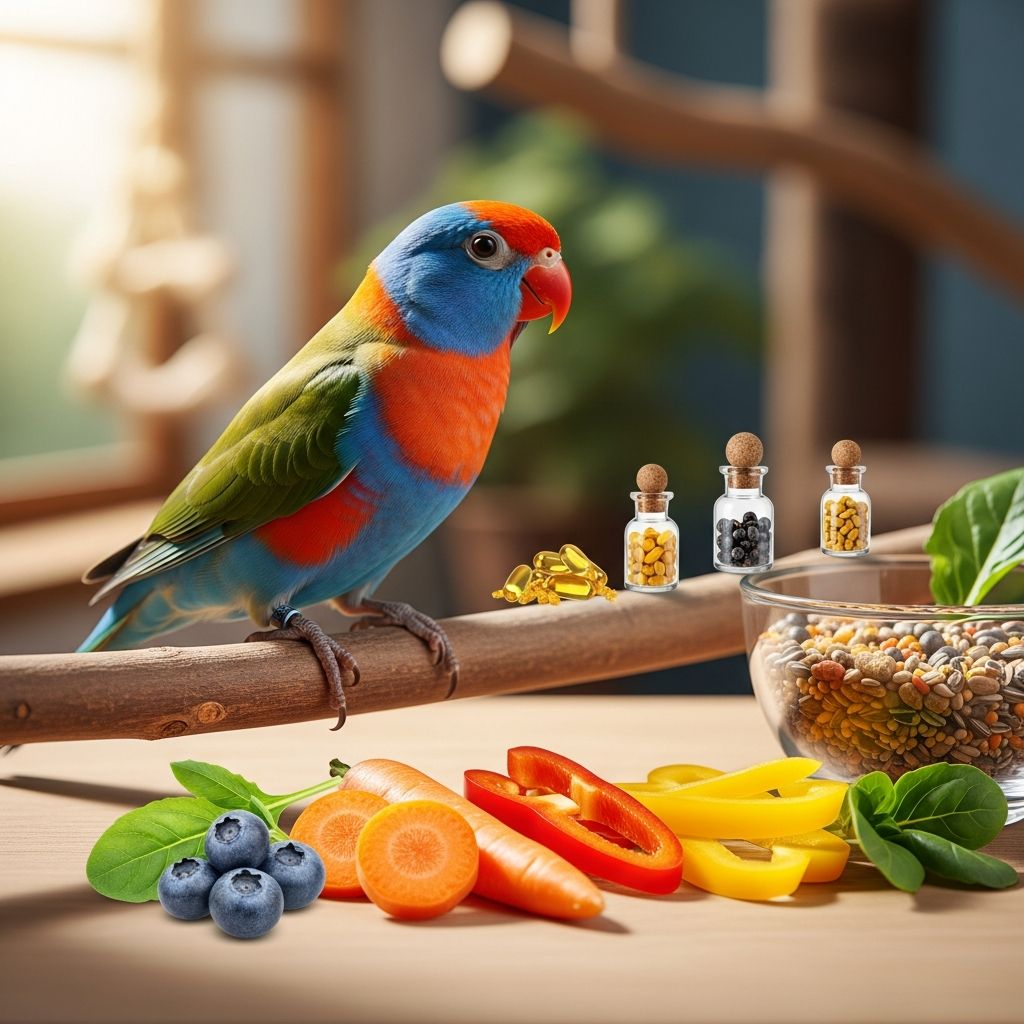
Understanding Bird Vitamins and Their Importance
Pet birds require a comprehensive nutritional profile to maintain optimal health, and vitamins play a crucial role in supporting their immune systems, metabolic functions, and overall well-being. Unlike wild birds that consume a diverse diet of naturally nutrient-rich foods, companion birds in captivity often have limited access to the full spectrum of vitamins they need. This nutritional gap can lead to serious health complications, making vitamin supplementation an important consideration for responsible bird owners.
Bird vitamins are micronutrients that support essential biological processes including energy metabolism, bone formation, immune function, and reproductive health. Birds require 13 essential vitamins that their bodies cannot synthesize on their own, making dietary intake the primary source of these vital compounds. Understanding which vitamins your bird needs and how to provide them is fundamental to preventing nutritional deficiencies and promoting longevity.
Common Vitamin Deficiencies in Pet Birds
Research into the nutritional content of pet bird diets has revealed that vitamin deficiencies are widespread among companion birds, particularly those consuming seed-based diets. Several specific deficiencies stand out as particularly concerning:
Vitamin A Deficiency: One of the most prevalent nutritional problems in pet birds, vitamin A deficiency affects approximately 57.8% of birds consuming less than recommended maintenance levels. Vitamin A is essential for maintaining healthy skin, feathers, mucous membranes, and eye function. Signs of deficiency include crusty eyes, respiratory infections, and poor feather quality. Birds consuming seed-only diets are at particularly high risk, as seeds are naturally low in vitamin A.
Vitamin D3 Deficiency: Nearly 98.5% of pet birds studied were found to consume less vitamin D3 than recommended. This vitamin is critical for calcium absorption and bone health. Deficiency can lead to soft bones, poor egg production, and skeletal deformities. Indoor birds especially struggle with vitamin D3 intake, as they lack exposure to natural sunlight, which helps synthesize this vital nutrient.
Calcium and Phosphorus Imbalances: Approximately 95.6% of birds consumed inadequate calcium levels, while 92.6% received insufficient phosphorus. These minerals work synergistically with vitamin D3 to maintain skeletal integrity and support numerous metabolic processes. Deficiencies can result in weakened bones, poor egg quality, and neurological problems.
Protein and Amino Acid Deficiencies: About 80% of pet birds consumed less crude protein than recommended for maintenance. Even more concerning, seeds are deficient in critical amino acids including tryptophan, methionine, arginine, and lysine. These amino acids are necessary for feather growth, immune function, and muscle development.
Vitamin E Deficiency: Fortunately, vitamin E deficiency is less common, affecting only 21.4% of birds studied. However, when it does occur, it can compromise immune function and cause muscle weakness.
Why Seed-Only Diets Are Nutritionally Inadequate
Many bird owners default to seed-only diets, believing they represent a natural food source. However, seeds present a significant nutritional problem. Seeds are deficient in many essential nutrients, including vitamin A, vitamin D3, several B vitamins, and critical minerals like calcium. Additionally, most seed diets are excessively high in fat, contributing to obesity and related health problems.
When birds have free choice of seed-only diets, they inevitably become both obese and malnourished—a paradoxical condition where birds consume excess energy while remaining nutritionally deficient. This occurs because seeds fail to provide the complete spectrum of micronutrients birds need, even though they may appear calorically adequate.
The nutritional inadequacy of seeds is compounded by selective eating behavior. Birds often choose the most palatable seeds while avoiding others, creating even greater nutritional imbalances. Furthermore, seeds lose nutritional value over time through oxidation and exposure, particularly their fat-soluble vitamins.
Formulated Diets and Vitamin Supplementation
Research demonstrates that the optimal diet for pet birds is high in complete and balanced formulated products, with limited seeds and minimal human food. Formulated diets—including pellets, Nutri-Berries, Avi-Cakes, and similar products—are specifically engineered to provide comprehensive nutritional profiles with all 13 essential vitamins birds require.
Birds consuming less than 50% of their diet as formulated products face significant risk of nutrient deficiencies, including vitamin A, vitamin D3, and calcium. However, diets containing 25-50% formulated content show notably higher vitamin A levels than those relying primarily on seeds and human food.
Despite the availability of nutritionally complete formulated diets, many bird owners continue supplementing with seeds for various reasons. In these cases, vitamin supplementation becomes particularly important. Avian veterinarians often recommend dietary supplementation for “seed junkies”—birds that refuse formulated foods and insist on seeds as their primary diet.
When Your Bird Needs Vitamin Supplements
While birds consuming primarily formulated diets need minimal supplementation, several situations warrant additional vitamin support:
Molting Periods: Feather growth demands substantial nutritional resources. During molting cycles, birds benefit from enhanced vitamin supplementation to support new feather development and maintain overall health during this metabolically demanding time.
Breeding and Egg Production: Reproductive birds require elevated nutrient levels to support egg production and chick-rearing. Vitamin supplementation helps ensure adequate reserves for these demanding physiological processes.
Recovery from Illness or Injury: Birds recuperating from illness, infection, or injury benefit from enhanced nutritional support. Vitamins boost immune function and support tissue repair during healing.
Stress Situations: Environmental stressors such as moving to a new home, loss of a mate, or changes in routine can deplete nutritional reserves. Supplementation helps buffer these stressful periods.
General Wellness: Just as humans sometimes take vitamins for general health maintenance, birds benefit from periodic supplementation. Offering a quality vitamin supplement a couple of days per week can help ensure your bird receives all necessary micronutrients.
Choosing Quality Bird Vitamin Products
When selecting vitamin supplements for your bird, quality and completeness are paramount. Look for products that contain all 13 essential vitamins that birds require. Professional formulation and independent testing provide assurance that the product delivers accurate nutrient levels and maintains product stability.
Quality bird vitamin supplements should include convenient dosing mechanisms. Many reputable products include measuring spoons to ensure accurate dosage with each administration. Proper dosing is critical because both under-supplementation and over-supplementation can cause problems.
Important Caution: Over-supplementation can harm your bird by creating nutrient imbalances or toxicity, particularly with fat-soluble vitamins like A, D, and E. Always consult your avian veterinarian before starting supplementation to determine appropriate products and dosing schedules for your specific bird’s needs.
Dietary Composition and Vitamin Intake
Research analyzing different dietary compositions reveals stark differences in nutrient intake based on diet type:
| Diet Type | Composition Range | Vitamin A Status | Vitamin D3 Status | Overall Nutrient Profile |
|---|---|---|---|---|
| Primarily Formulated (75-100%) | Formulated products only | Adequate | Adequate | Nutritionally complete |
| High Formulated (50-75%) | Formulated with some seed | Adequate | Below recommended | Generally adequate |
| Moderate Formulated (25-50%) | Mixed with substantial seed | Significantly higher than seed-based | Below recommended | Multiple deficiencies |
| Low Formulated (1-25%) | Mostly seed and human food | Deficient | Deficient | Serious deficiencies |
| Seed and Human Food Only | No formulated products | Severely deficient | Severely deficient | Multiple serious deficiencies |
The Role of Vegetables in Bird Nutrition
Fresh vegetables provide important vitamins, minerals, and phytonutrients that complement formulated diets. Dark leafy greens and orange-colored vegetables are particularly valuable, offering higher concentrations of vitamin A and other beneficial compounds. Appropriate vegetables for birds include kale, broccoli, carrots, sweet potatoes, and various dark lettuces. Including a variety of fresh vegetables in your bird’s diet supports comprehensive nutrient intake and provides important antioxidants and fiber.
Supplementation Strategy and Best Practices
An effective supplementation strategy begins with establishing your bird’s baseline diet composition. If your bird consumes primarily formulated products, supplementation may be unnecessary for maintenance. However, during special circumstances or for general wellness, periodic vitamin supplementation offers additional insurance.
Quality supplements should be offered according to veterinary recommendations—typically a few days per week rather than daily. This approach provides nutritional support without risking over-supplementation. Store all supplements in cool, dry conditions to preserve vitamin potency, as these compounds degrade with heat, light, and moisture exposure.
Monitor your bird’s response to supplementation, watching for improved feather quality, increased energy levels, and better appetite. Regular veterinary checkups can include blood work to assess nutrient status and guide supplementation decisions.
Common Questions About Bird Vitamins
Q: Are all bird vitamin products equally effective?
A: No. Quality varies significantly among products. Choose supplements that are professionally formulated, independently tested, and contain all 13 essential vitamins. Reputable products from established manufacturers tend to be more reliable than generic alternatives.
Q: Can I give my bird human vitamin supplements?
A: Human supplements are not formulated for avian nutritional requirements and may contain ingredients harmful to birds. Always use bird-specific vitamin products formulated by avian nutritionists.
Q: How often should I supplement my bird?
A: This depends on your bird’s diet and circumstances. Birds eating primarily formulated diets may need supplementation only occasionally, while seed-eating birds benefit from more regular supplementation. Consult your avian veterinarian for personalized recommendations.
Q: Can too many vitamins harm my bird?
A: Yes, over-supplementation can create nutrient imbalances and toxicity, particularly with fat-soluble vitamins. Follow product dosage instructions carefully and consult your veterinarian before beginning any supplementation regimen.
Q: What signs indicate my bird may need vitamin supplementation?
A: Signs include dull feathers, lethargy, poor appetite, or weak bones. If your bird is molting, breeding, recovering from illness, or stressed, supplementation may be beneficial. Consult your avian veterinarian to assess your bird’s individual needs.
Creating a Comprehensive Bird Nutrition Plan
Optimal bird health requires a multifaceted nutritional approach. Begin with a foundation of high-quality formulated diet, supplement with fresh vegetables and occasional fruits, include limited amounts of seeds for enrichment and foraging opportunities, and add targeted vitamin supplementation during special circumstances or as recommended by your avian veterinarian. This comprehensive strategy ensures your bird receives complete nutritional support for long-term health and vitality.
Remember that nutrition is foundational to prevention. Birds receiving adequate vitamins and minerals maintain stronger immune systems, develop healthier feathers, maintain appropriate body weight, and live longer, healthier lives. Investment in quality nutrition and appropriate supplementation pays dividends in your bird’s longevity and quality of life.
References
- The Nutritional Content of Pet Bird Diets — Lafeber Company Veterinary. https://lafeber.com/vet/the-nutritional-content-of-pet-bird-diets/
- Vitamins Products – LafeberVet — Lafeber Company. https://lafeber.com/vet/product-category/bird-food/vitamins/
- Bird Food Guide: An Insider’s Guide to The Ideal Avian Diet — Lafeber Company. https://lafeber.com/pet-birds/bird-food-guide/
- Vitamins – Lafeber Company — Lafeber Company. https://lafeber.com/pet-food/bird-food/vitamins/
- Frequently Asked Questions — Lafeber Company. https://lafeber.com/vet/wp-content/uploads/2019/08/Student-Program-FAQ-2019-2.pdf
Similar Articles








Read full bio of Sneha Tete


