

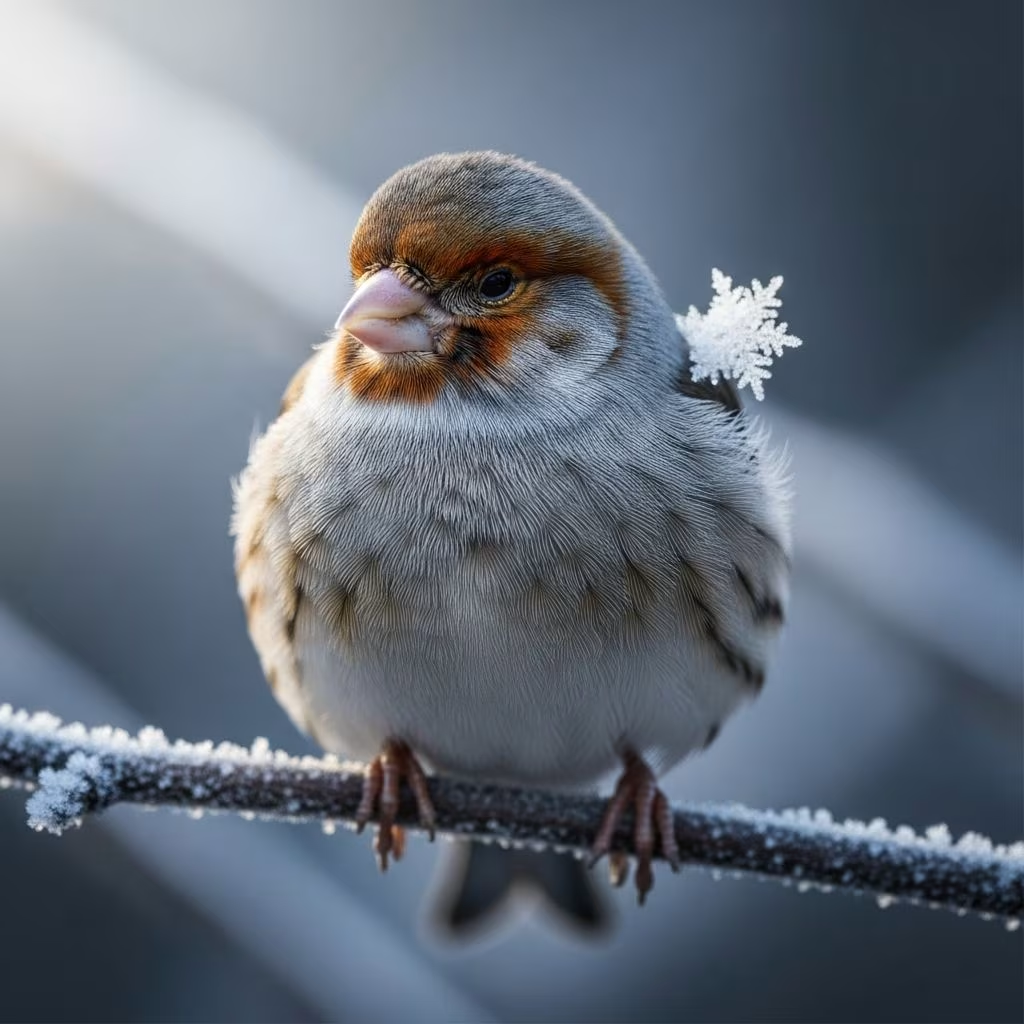
Is My Bird Susceptible to Cold or the Flu?
Pet bird owners often wonder whether their feathered companions can catch colds or the flu, just like humans do. The answer is more complex than a simple yes or no. While birds do experience respiratory illnesses, the viruses and bacteria that cause human colds differ significantly from those affecting avian species. Understanding the distinctions between bird colds, avian flu, and other respiratory conditions is essential for maintaining your pet’s health and preventing serious complications.
Understanding Avian Respiratory Illness
Birds are susceptible to various respiratory infections, though the pathogens responsible differ from human respiratory viruses. Pet birds can develop conditions ranging from mild upper respiratory infections to serious lower respiratory diseases. The ability of a bird to contract specific illnesses depends on several factors, including species, age, immune system strength, and exposure to infected animals or contaminated environments.
Unlike humans who catch colds from rhinoviruses and coronaviruses, birds may develop respiratory infections caused by different bacterial and viral agents. Parrot fever (psittacosis), a bacterial infection caused by Chlamydia psittaci, represents one of the most serious respiratory diseases affecting pet birds. Additionally, avian influenza, though rare in companion birds, poses a significant health threat to backyard flocks and wild bird populations.
Common Symptoms of Bird Respiratory Illness
Recognizing the signs of respiratory disease in your pet bird is critical for early intervention and treatment. Birds often hide signs of illness until conditions become severe, so vigilant observation is necessary. Common symptoms indicating your bird may have a respiratory infection include:
- Nasal discharge or mucus around the nostrils
- Sneezing or coughing
- Wheezing or labored breathing
- Discharge from the eyes
- Ruffled or fluffed feathers indicating difficulty maintaining body temperature
- Lethargy and decreased activity levels
- Loss of appetite or reduced food consumption
- Weight loss despite food availability
- Diarrhea or abnormal droppings, particularly lime-green or discolored feces
- Lack of coordination or balance problems
If your bird exhibits any of these symptoms, immediate veterinary attention is crucial. An avian veterinarian can perform diagnostic tests to identify the specific causative agent and recommend appropriate treatment.
Parrot Fever: A Serious Avian Respiratory Disease
Parrot fever, or psittacosis, is a bacterial respiratory infection that affects numerous bird species, not just parrots. This disease poses a dual concern: it affects bird health directly and can transmit to humans, making it a zoonotic disease of public health importance. The causative bacterium, Chlamydia psittaci, can survive for extended periods in dried bird droppings, feathers, and cage dust.
Symptoms in Birds
Infected birds may not display obvious symptoms immediately, as the disease can have an incubation period during which the bird carries the bacteria while appearing healthy. When symptoms do manifest, they include respiratory signs such as discharge from eyes or nose, difficulty breathing, and shivering. Digestive symptoms frequently accompany respiratory signs, including diarrhea and discolored droppings in various shades of green. Affected birds often exhibit weight loss, lethargy, reduced appetite, and may stop eating entirely in severe cases.
Treatment for Parrot Fever
Birds suspected of having parrot fever require immediate isolation and veterinary care. Treatment involves tetracycline antibiotics, with doxycycline being the preferred oral medication. Injectable doxycycline (Vibravenous) may be administered once every 5-7 days under veterinary supervision for at least 6 weeks. Medicated feeds containing 1% chlortetracycline (CTC) represent an alternative but less commonly available option, requiring 45 days of administration. Severely ill birds need supportive care including warmth, oxygen supplementation, intravenous fluids, and assisted feeding until they regain strength.
The extended treatment duration—minimum 45 days for oral medications or 6 weeks for injections—reflects the bacterium’s complicated life cycle. The antibiotic only kills bacteria during active replication, necessitating prolonged therapy to eliminate the infection completely.
Avian Influenza in Pet Birds
Avian influenza, commonly known as bird flu, represents a more serious respiratory threat, though it rarely affects companion birds. This viral infection spreads rapidly through wild bird populations and commercial poultry operations but seldom infects pet birds kept indoors. However, backyard flocks and birds with outdoor exposure face higher risk of infection.
Symptoms of Avian Influenza
Birds infected with avian influenza may display sudden onset of severe illness. Symptoms include nasal discharge, coughing, sneezing, lack of coordination, diarrhea, and respiratory distress. Some infected birds may die suddenly with minimal prior symptoms. Immediate veterinary consultation is essential if these signs appear, particularly in backyard flocks or outdoor birds.
Treatment for Bird Flu
No specific treatment exists for avian influenza in birds. Management focuses on supportive care and biosecurity measures to prevent spread to other birds. Antivirals like oseltamivir (Tamiflu) are used for human treatment but have limited application in birds. The primary approach involves isolation, environmental disinfection, and monitoring for spread within the flock.
Transmission and Risk Factors
Understanding how respiratory diseases spread helps prevent infection in your birds. Many avian respiratory pathogens transmit through direct contact with infected birds, inhalation of contaminated dust or aerosol particles, and contact with contaminated environmental surfaces. Disease transmission risk increases in situations involving:
- Recent exposure to wild birds or new birds introduced without quarantine
- Poor cage sanitation and accumulation of dust from droppings and feathers
- Inadequate ventilation in bird housing areas
- Exposure to drafts or temperature fluctuations
- Stress from improper diet, overcrowding, or environmental changes
- Immunocompromised birds with underlying health conditions
- Younger birds with developing immune systems
- Older birds with declining immune function
Prevention Strategies for Bird Owners
Protecting your bird from respiratory illness involves implementing comprehensive preventive measures. These strategies significantly reduce the risk of your pet contracting common avian respiratory diseases.
Hygiene and Sanitation
Regular cage cleaning remains fundamental to disease prevention. Clean cages with appropriate disinfectants at least weekly, using plenty of water to minimize floating dander and dust. Pay special attention to areas where droppings accumulate, as bacteria like Chlamydia psittaci can survive for months in dried feces and feathers. When cleaning, wear protective masks and gloves to prevent inhalation of contaminated particles. Wash hands thoroughly after handling your bird or cleaning its environment.
Environmental Management
Maintain optimal environmental conditions to support your bird’s respiratory health. Provide adequate ventilation without exposing the bird to drafts, which can stress the respiratory system. Keep room temperature consistent and appropriate for your bird species, typically between 65-75°F for most pet birds. Avoid placing cage near kitchens where cooking fumes can irritate airways. Use air filters to reduce dust and particulates in the bird’s environment.
Quarantine Procedures
Isolate new birds for at least 30 days before introducing them to existing flocks. This quarantine period allows any latent infections to manifest, reducing disease transmission risk. House quarantined birds in separate rooms with separate feeding and cleaning supplies. Monitor quarantined birds closely for respiratory symptoms before integration with established birds.
Avoid Sick Bird Contact
Minimize unnecessary handling of sick birds and avoid exposure to birds showing respiratory symptoms. If you encounter sick birds, wash your hands and change clothes before returning home to prevent bringing pathogens to your pet.
When to Seek Veterinary Care
Prompt veterinary attention is essential when your bird displays respiratory symptoms. An avian veterinarian can perform diagnostic testing including blood tests, bacterial cultures, and chest X-rays to identify the causative agent. Early diagnosis and treatment significantly improve outcomes and prevent disease progression to more serious conditions.
Contact your veterinarian immediately if your bird exhibits nasal or ocular discharge, persistent sneezing or coughing, labored breathing, sudden behavioral changes, appetite loss, or abnormal droppings. These symptoms may indicate treatable conditions that worsen without intervention.
Diagnostic Testing and Confirmation
Avian veterinarians employ several diagnostic methods to identify respiratory infections. Blood tests can detect antibodies or antigens indicating specific infections. Bacterial cultures from respiratory secretions or droppings identify the causative organism and guide antibiotic selection. Chest X-rays reveal pneumonia or other lower respiratory involvement. These diagnostic tools help ensure appropriate treatment and prevent unnecessary antibiotic administration.
Recovery and Aftercare
Birds recovering from respiratory illness require continued supportive care and monitoring. Maintain optimal environmental conditions with warmth, proper humidity, and minimal stress during recovery. Follow all veterinary treatment recommendations completely, continuing antibiotics for the prescribed duration even if symptoms resolve. Maintain isolation of recovering birds from other household birds until fully healed and deemed non-contagious by your veterinarian.
Monitor food consumption, activity levels, and droppings closely during recovery. Provide nutritious foods supporting immune function and recovery. Follow-up veterinary visits ensure complete recovery and rule out chronic complications.
Zoonotic Concerns and Human Health
Some avian respiratory diseases, particularly psittacosis, can transmit to humans. People exposed to infected birds may develop flu-like illness or pneumonia weeks after exposure. Symptoms typically appear 10-19 days after contact with infected birds, though some develop illness within 4 days. Humans with parrot fever experience fever, chills, muscle pain, nausea, vomiting, dry cough, and weakness.
Antibiotic treatment with tetracycline or doxycycline effectively treats human psittacosis when started early. Healthcare providers typically continue antibiotic treatment for 10-14 days after fever resolution. Most people make full recoveries with appropriate treatment, though recovery may be slower in elderly individuals, young children, or those with other health conditions.
To prevent transmission to household members, implement strict hygiene protocols when handling potentially infected birds. Wear masks and gloves, maintain hand hygiene, and minimize dust exposure from cage cleaning. Inform healthcare providers about bird contact if household members develop respiratory illness.
Species-Specific Susceptibility
Different bird species show varying susceptibility to specific respiratory diseases. Psittacines (parrots, parakeets, macaws) historically show association with psittacosis, though the disease affects numerous species. Poultry and backyard flocks face higher avian influenza risk than indoor companion birds. Understanding your specific bird species’ health vulnerabilities helps guide preventive strategies and early recognition of species-specific diseases.
Frequently Asked Questions
Q: Can my pet bird catch a cold from me?
A: Unlikely. Human cold viruses rarely infect birds because they are species-specific. However, birds can develop respiratory infections from different pathogens, so sick humans should minimize close contact with birds to prevent transmission of any zoonotic agents in reverse.
Q: How long do bird respiratory infections typically last?
A: Duration depends on the causative agent. Bacterial infections like psittacosis require 45 days minimum antibiotic treatment. Viral infections may resolve within 7-14 days with supportive care, though some birds experience prolonged recovery. Prompt treatment significantly shortens illness duration.
Q: Are antibiotics always necessary for bird respiratory illness?
A: Bacterial respiratory infections require antibiotics to resolve, as these infections are not self-limiting. Viral infections typically resolve with supportive care alone. Your veterinarian determines whether antibiotics are appropriate based on diagnostic testing results.
Q: What should I do if my bird shows respiratory symptoms?
A: Contact your avian veterinarian immediately. Move the bird to a warm, quiet location away from drafts. Maintain elevated temperature using a heat lamp if available. Do not delay seeking veterinary care, as early treatment improves outcomes significantly.
Q: Can respiratory illness be prevented entirely?
A: Complete prevention is impossible, but comprehensive preventive measures significantly reduce risk. Regular cage cleaning, appropriate environmental conditions, quarantine of new birds, and minimizing stress create an environment supporting respiratory health.
References
- Parrot Fever (Psittacosis): Symptoms, Diagnosis, and Treatments — Healthline. 2024. https://www.healthline.com/health/psittacosis
- Treatment of Bird Flu — Centers for Disease Control and Prevention (CDC). 2024. https://www.cdc.gov/bird-flu/treatment/index.html
- Parrot Fever (Psittacosis): Cause, Symptoms, and Treatment — Long Beach Animal Hospital. https://lbah.com/avian/parrot-fever-psittacosis/
- Psittacosis – Parrot Fever — Better Health Channel, State Government of Victoria. 2024. https://www.betterhealth.vic.gov.au/health/conditionsandtreatments/psittacosis-parrot-fever
- Psittacosis (Ornithosis, Parrot Fever) — Hawaii Department of Health, Disease Outbreak Control. https://health.hawaii.gov/docd/disease_listing/psittacosis-ornithosis-parrot-fever/
- Nursing Care for Sick Pet Birds — VCA Animal Hospitals. https://vcahospitals.com/know-your-pet/nursing-care-for-sick-pet-birds
- Cold and Sneezing in Birds — Birds Online. https://www.birds-online.de/wp/en/birds-online-english/health-and-diseases/infectious-diseases/cold/



