

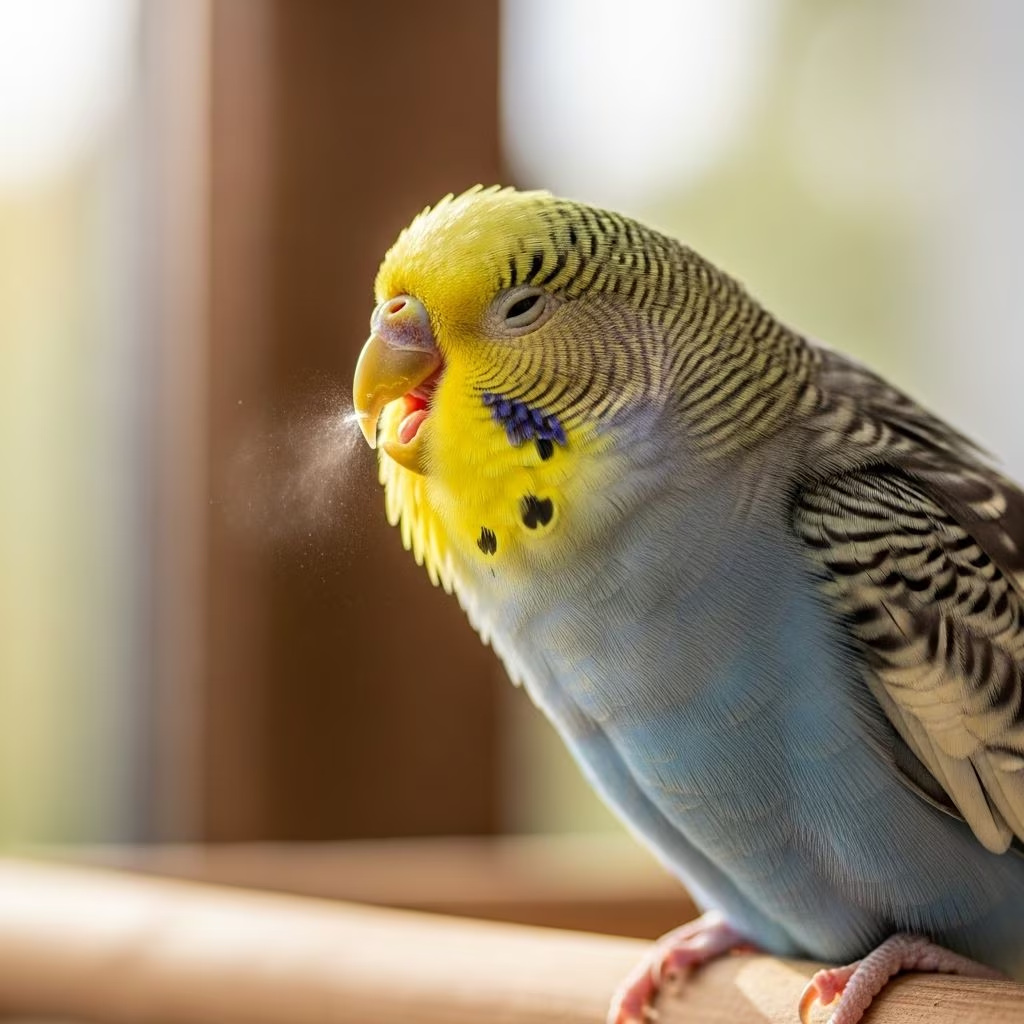
Understanding Bird Sneezing: When It’s Normal and When It’s Not
Occasionally, birds sneeze just like humans do. A single sneeze or an infrequent bout of sneezing is typically not a cause for concern and may simply be your bird clearing its nasal passages of dust or debris. However, frequent sneezing or sneezing accompanied by other symptoms can indicate an underlying health issue that requires veterinary attention.
The key to determining whether your bird’s sneezing is normal or problematic lies in observing the frequency, consistency, and any accompanying symptoms. Birds are remarkably resilient creatures, but they can be susceptible to various respiratory conditions that warrant prompt medical evaluation.
Common Causes of Bird Sneezing
Bird sneezing can stem from numerous factors, ranging from simple environmental irritants to serious infections. Understanding these causes helps you identify whether your bird needs immediate veterinary care or if lifestyle adjustments might resolve the issue.
Environmental Irritants and Low Humidity
One of the most prevalent causes of sneezing in pet birds is an excessively dry environment. Many bird species, particularly tropical varieties like Amazon parrots and macaws, are adapted to humid climates. When household heating systems activate during colder months or air conditioning runs continuously, the air becomes dry, causing discomfort to your bird’s delicate nasal passages. In response to this dryness, the cilia—tiny hair-like structures that line the respiratory tract—cannot effectively clear debris, leading to nasal irritation and sneezing.
Beyond humidity levels, other environmental factors can trigger sneezing episodes. Dust, dander, cigarette smoke, and dried fecal matter suspended in the air create constant nasal irritation. Most birds are exceptionally sensitive to cigarette and cigar smoke, which can severely irritate their respiratory systems. Additionally, new furniture off-gassing, household cleaning products, and even certain flowers can provoke sneezing responses in sensitive birds.
Nutritional Deficiencies
Vitamin A deficiency, or hypovitaminosis A, represents a significant nutritional concern for pet birds and a common cause of respiratory issues. Vitamin A is essential for maintaining the health of soft tissues throughout the body, including the cells lining the nasal cavity and respiratory tract. When birds consume inadequate vitamin A—particularly those fed exclusively seed-based diets—the mucous membranes become compromised, making them more susceptible to infections. The body responds to this deficiency by producing excessive mucus, which can accumulate and lead to secondary bacterial or fungal infections.
Birds eating poor-quality diets lacking essential nutrients are especially prone to respiratory disease. The relationship between diet and respiratory health underscores the importance of providing a well-balanced nutritional foundation for your feathered companion.
Bacterial, Fungal, and Viral Infections
Infectious agents represent more serious causes of bird sneezing. Bacterial infections can develop as primary infections or as secondary complications following environmental irritation. Fungal infections, particularly aspergillosis—a fungus commonly found in environmental dust and mold—can cause severe, life-threatening disease in pet birds. Aspergillosis requires prolonged antifungal therapy lasting six months or longer, often combining systemic and topical treatments.
Chlamydiosis, also known as psittacosis or parrot fever, is a bacterial infection specific to birds that causes respiratory symptoms including sneezing and discharge. Candidiasis, a yeast infection, and various viral infections can also trigger sneezing responses. These infectious conditions typically produce visible discharge from the nares (nostrils) and may require extensive treatment.
Other Medical Causes
Less commonly, dry sneezing without discharge occurring after flying, eating, or during moments of excitement might indicate cardiomyopathy or other organ dysfunction. When parrots sneeze several times daily and the sneezing is dry without secretion, particularly in larger parrot species, heart disease should be considered and investigated through X-ray examination and blood work.
Foreign bodies lodged in the nasal passages or sinus cavities can also cause sneezing. Additionally, tumors or abnormal growths in the nasal region may produce sneezing as a presenting symptom, though most nasal tumors in birds are malignant and invasive.
Recognizing Symptoms That Require Veterinary Attention
While occasional sneezing is normal, certain symptoms warrant immediate veterinary evaluation. Your bird’s sneezing becomes concerning when it occurs frequently or persistently, or when it accompanies other clinical signs.
Key Symptoms to Monitor
Watch for nasal or eye discharge, particularly if the discharge appears thick, discolored (yellow or green), or cloudy rather than clear and thin. These changes suggest bacterial contamination of the mucous membranes and require bacterioscopic and culture examinations to identify the causative organism and appropriate antibiotic treatment.
Additional warning signs include audible breathing sounds, tail-bobbing, weight loss, changes in vocalizations, or alterations in eating habits. Open-mouth breathing, rapid breathing, and noisy respiration indicate severe respiratory compromise and demand immediate veterinary care. If your bird shakes its head wildly from side to side or bangs its beak on objects attempting to clear its nasal passages, infection or obstruction may be present.
When to Consult Your Avian Veterinarian
Discharge from your bird’s nares that is wet or dried, equivalent to a runny nose in humans, indicates infection requiring professional evaluation. Similarly, if sneezing continues for more than a few days, produces discharge, or occurs alongside other symptoms, schedule a veterinary appointment promptly.
Your avian veterinarian will perform diagnostic tests to identify the underlying cause. These may include sinus aspirates, bacterioscopic examinations providing results within ten minutes, cultures requiring several days to identify specific organisms and their antibiotic sensitivities, and X-ray imaging to assess the heart or detect tumors.
Treatment Options for Bird Sneezing
Treatment depends entirely on identifying the underlying cause. Environmental modifications may suffice for simple irritation, while infections require medical intervention.
Environmental Management
For mild nasal discharge without evidence of disease or infection, environmental modifications prove highly effective:
Humidity Management: Keep your bird in an adequately humid environment so the cilia in nasal passages can clear debris effectively. Several practical approaches include taking your bird into the bathroom while you shower to expose it to high humidity, moving the bird into a room with a humidifier (keeping water clean to prevent bacterial growth), periodically misting your bird, and placing bird-safe plants in the room to increase oxygen and humidity naturally.
Air Quality Improvement: Reduce allergens by running an air filter with HEPA filtration. Alternatively, run a box fan with an air conditioner filter on the back to catch dust, dander, and feathers, significantly increasing filtration efficiency.
Irritant Removal: Eliminate environmental irritants such as dust, cigarette smoke, and bird dander. Avoid areas where your bird might encounter household chemicals, perfumes, or cleaning products that irritate respiratory passages.
Nasal Flushing and Debris Removal
Your avian veterinarian can teach you how to periodically flush your bird’s nostrils with sterile saline solution to remove accumulated debris. This procedure helps prevent rhinoliths—firm plugs of debris that block the nares and result from sinusitis or rhinitis. Regular nasal flushing may be necessary for birds with recurring issues or permanently altered nasal anatomy.
Medical Treatments
Infections require antimicrobial therapy. Antibiotics or antifungal medications may be administered orally, by injection, or applied directly into the nostrils or sinuses, often requiring weeks or months of continuous treatment. It is crucial to complete the entire course of medication as directed by your veterinarian, even after symptoms resolve, as premature discontinuation can allow infections to recur.
For aspergillosis, combination therapy using both systemic and topical or nebulized antifungal medication is preferred, sometimes combined with surgical removal of infected material. Severely affected birds may require supportive care including fluid therapy administered subcutaneously or intravenously, particularly if dehydrated.
Surgical Interventions
Small benign tumors can often be surgically removed, resulting in cure. However, most tumors occurring in avian nasal cavities are malignant and invasive, making surgical outcomes less favorable. Rhinolith removal involves gentle traction under sedation or general anesthesia, with nasal flushing as required while ensuring the patient’s airway remains protected.
Long-Term Care and Prevention Strategies
Maintaining your bird’s respiratory health requires ongoing attention to environmental conditions and nutritional needs.
Dietary Considerations
Provide your bird with sufficient Vitamin A, which supports proper nasal passage function and maintains healthy mucous membranes. For birds with dietary deficiencies causing rhinoliths or chronic respiratory issues, transitioning from seed-based diets to pellet-based formulations ensures adequate vitamin and mineral intake. High-quality commercial pelleted diets formulated for your specific bird species provide balanced nutrition that supports immune function and respiratory health.
Environmental Optimization
Maintain humidity levels appropriate for your bird species year-round. Use humidifiers during heating season, provide misting opportunities, and incorporate bird-safe plants to naturally increase humidity. Ensure adequate air circulation and filtration to minimize dust and allergen accumulation.
Monitoring and Early Intervention
Establish a relationship with an avian veterinarian and schedule regular wellness examinations. These preventive visits allow your veterinarian to identify early signs of respiratory disease before they progress to serious conditions. Keep detailed records of your bird’s sneezing episodes, including frequency, presence of discharge, and any triggering factors you observe.
Frequently Asked Questions About Bird Sneezing
Q: Is it normal for birds to sneeze?
A: Yes, occasional sneezing is normal as birds clear nasal passages of dust and debris. However, frequent sneezing or sneezing accompanied by discharge, respiratory sounds, or behavioral changes indicates a health concern requiring veterinary evaluation.
Q: Why do tropical birds sneeze more during winter?
A: Tropical birds adapted to humid environments, such as Amazon parrots and macaws, often sneeze when household heating systems run, as this dramatically reduces ambient humidity. Their delicate respiratory systems struggle in artificially dried air, leading to increased sneezing.
Q: What does yellow or green nasal discharge indicate?
A: Thick, yellow, or green discharge from the nares indicates bacterial contamination of the mucous membranes, signaling a bacterial infection requiring prompt veterinary treatment with appropriate antibiotics identified through culture and sensitivity testing.
Q: Can vitamin A deficiency cause sneezing?
A: Yes, vitamin A deficiency compromises the health of mucous membranes lining the respiratory tract, making birds more susceptible to infections and causing excessive mucus production. Birds fed exclusively seed-based diets are particularly vulnerable to this deficiency.
Q: How can I increase humidity for my sneezing bird?
A: Several methods increase humidity: take your bird into steamy bathrooms during showers, place a clean humidifier in your bird’s room, regularly mist your bird with water, add bird-safe plants to the environment, and ensure adequate air circulation to prevent mold growth.
Q: What home treatments can I try before seeing a veterinarian?
A: For mild symptoms without discharge, first address environmental factors by increasing humidity, removing irritants, and improving air quality. Some bird owners use aromatherapy lamps with tea tree or manuka oil, though you should consult your veterinarian before trying alternative treatments to ensure they’re safe for your specific bird species.
Q: When should I seek emergency veterinary care for sneezing?
A: Seek emergency care if your bird displays open-mouth breathing, severe respiratory distress, significant weight loss, or behavioral changes accompanying sneezing. These symptoms indicate serious respiratory compromise requiring immediate professional intervention.
Conclusion
Bird sneezing ranges from innocuous and self-limiting to potentially serious and life-threatening depending on underlying causes. By understanding the various factors that trigger sneezing—from environmental irritants and nutritional deficiencies to infections and cardiac disease—you can take appropriate action to protect your bird’s health. Maintaining proper humidity, providing excellent nutrition, minimizing environmental irritants, and establishing preventive veterinary care form the foundation of respiratory wellness. When sneezing persists or accompanies concerning symptoms, prompt veterinary evaluation ensures accurate diagnosis and appropriate treatment, giving your feathered companion the best chance for a healthy, comfortable life.
References
- Sneezing and Nasal Discharge in Birds — PetPlace.com. Accessed 2025-11-28. https://www.petplace.com/article/birds/general/sneezing-and-nasal-discharge-in-birds
- Common Respiratory Problems in Psittacine Birds — Veterinary Practice. Accessed 2025-11-28. https://www.veterinary-practice.com/article/common-respiratory-problems-in-psittacine-birds
- Sneezing Parrot: Causes and Diagnostic Approach — AwiParrots. Accessed 2025-11-28. https://www.awiparrots.com/article/sneezing-parrot
- Is It Normal For A Parrot To Sneeze? — BirdTricks. Accessed 2025-11-28. https://birdtricksstore.com/blogs/birdtricks-blog/is-it-normal-for-a-parrot-to-sneeze
- What To Do If Your Bird Is Sneezing — Chewy. Accessed 2025-11-28. https://www.chewy.com/education/bird/health-and-wellness/sneezing
- Respiratory Disease in Birds — VCA Animal Hospitals. Accessed 2025-11-28. https://vcahospitals.com/know-your-pet/respiratory-disease-in-birds
- How to Tell if Your Pet Bird is Sick — myBird. Accessed 2025-11-28. https://myrightbird.com/articles/how-to-tell-if-your-pet-bird-is-sick



