
Why Is My Bird Sitting on the Food Bowl?
Understand why your pet bird sits in the food bowl and learn effective solutions.
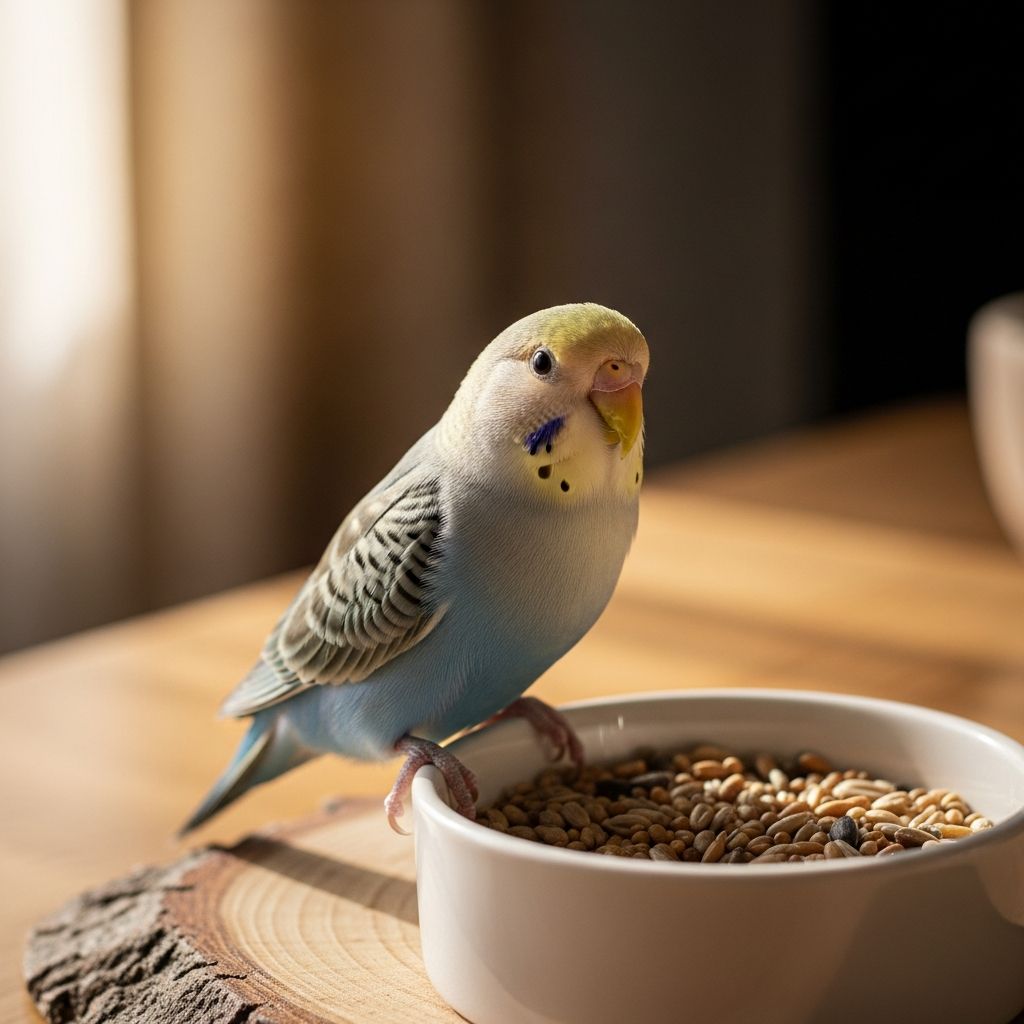
One of the most commonly observed behaviors in pet birds is sitting in their food bowls for extended periods. If you’ve noticed your feathered companion perched in their bowl, you’re not alone. This behavior can be puzzling and sometimes concerning for bird owners. Understanding why your bird engages in this behavior is essential for providing proper care and ensuring your pet’s wellbeing. The reasons behind this behavior vary depending on your bird’s age, species, gender, and overall health status.
Understanding Nesting and Breeding Behavior
The most common reason birds sit in their food bowls is that they are using the bowl as a makeshift nest. This behavior is particularly prevalent in birds that are ready to breed or experiencing hormonal fluctuations. When birds are in breeding season or experiencing reproductive urges, they seek enclosed or semi-enclosed spaces where they can feel secure and protected. A food bowl, with its rounded shape and contained space, can appear to be an ideal nesting location for a bird’s instincts.
Birds displaying nesting behavior in the food bowl often exhibit additional signs of reproductive activity. These birds may spend extended periods sitting in the bowl, sing or vocalize more frequently while in the bowl, and become protective of their chosen spot. Female birds may appear broody and reluctant to leave the bowl area, while male birds may feed females in or near the bowl as part of their natural mating behavior. Even without an actual mate present, hormonal birds will demonstrate these nesting behaviors, as their biological instincts drive them to prepare for breeding.
Age and Adjustment Factors
For newly acquired birds, sitting in the food bowl can be a sign of adjustment and stress rather than breeding behavior. Young birds, particularly those that are only a few days into their new home, may use the food bowl similarly to how they used a nest box in their previous environment. A 4-month-old cockatiel or young budgie might find comfort in the enclosed space of a food bowl because it mimics the security of the nest they were raised in.
When a bird first arrives in a new home, everything is unfamiliar and potentially frightening. The transition from a breeder, pet store, or previous owner can be stressful. During this adjustment period, young birds may retreat to the food bowl as a safe haven where they feel protected. This behavior typically subsides as the bird becomes more comfortable and confident in its new environment. Most birds will gradually start to explore their cage, interact with toys, and perch on regular bird perches as they adjust to their surroundings.
Signs of Normal Versus Problematic Behavior
Not all instances of a bird sitting in the food bowl indicate a serious problem. It’s important to distinguish between normal behavioral patterns and signs that your bird may be experiencing health issues. A bird that sits in the bowl occasionally but still eats well, flies around, chirps regularly, and appears alert is likely displaying normal nesting or exploratory behavior.
However, certain warning signs should prompt immediate veterinary attention. If your bird is sleeping most of the time and spending excessive time in the bowl, this could indicate illness. Additionally, if your bird is not eating properly, appears lethargic, or shows other signs of distress, a visit to an avian veterinarian is necessary. Some birds may sit in the food bowl due to physical discomfort, such as arthritis or foot pain, which is particularly common in older birds. An aging cockatiel with arthritis might find the flat surface of the food bowl more comfortable than perching on traditional perches.
Changes in Appearance and Behavior
When a bird sits in the food bowl and exhibits behavioral changes, pay attention to additional physical signs. A bird’s beak color can change during breeding season or due to hormonal influences. For example, a bird’s nose or cere (the area above the beak) may darken or change color when the bird is experiencing reproductive hormones. Behavioral changes might include increased vocalization, aggression, or a sudden unwillingness to be handled, which the bird previously tolerated without issue. These changes combined with food bowl sitting suggest hormonal or nesting behavior rather than a health emergency.
Practical Solutions and Management
Once you’ve determined that your bird is using the food bowl as a nest rather than experiencing a health problem, the best solution is to remove the large food bowl and replace it with smaller cups or dishes that the bird cannot sit in. This approach effectively prevents the bird from nesting in the food container while still allowing access to food and water.
Preventing Hormonal Behaviors
If your bird is displaying nesting behavior in the food bowl and you do not intend to breed, there are management techniques to reduce hormonal triggers. Excessive petting, particularly stroking the bird’s back or wings, can stimulate breeding behavior. Instead, limit physical contact to the bird’s head and neck. Additionally, reduce exposure to nesting materials and enclosed spaces. Some owners find that adjusting the photoperiod (the amount of daylight the bird receives) can help manage hormonal behavior, as seasonal light changes trigger breeding instincts in many bird species.
Monitoring Your Bird’s Overall Health
While sitting in the food bowl is usually not dangerous in itself, it’s important to monitor your bird for signs of illness or injury. Ensure your bird is eating the appropriate diet, which should consist primarily of high-quality pellets supplemented with vegetables, fruits, and whole grains. Birds require fresh water daily, and food and water dishes should be cleaned regularly to prevent bacterial growth and contamination.
Frequently Asked Questions
Q: Is it dangerous for my bird to sit in the food bowl?
A: Sitting in the food bowl itself is not inherently dangerous, but it can lead to contamination of the food with feces and feathers. More importantly, if your bird is spending excessive time in the bowl instead of maintaining normal perching behavior, it could indicate hormonal issues or health concerns that need attention.
Q: How long does the food bowl sitting behavior last?
A: For young birds adjusting to a new home, this behavior typically subsides within days to weeks as they become comfortable. For breeding-related behavior, the duration depends on hormonal cycles and can vary significantly. Once you remove the food bowl and replace it with smaller cups, the bird should redirect its nesting instincts appropriately.
Q: Can I use a different type of food bowl to prevent this behavior?
A: Yes, switching to shallow, narrow dishes or multiple small cups that the bird cannot sit in is the most effective solution. Some owners use divided feeding trays or separate small bowls to prevent the bird from sitting in any single container.
Q: Should I remove the food bowl at night?
A: Some bird owners remove food bowls at night if their birds consistently sit in them and this interferes with perching on appropriate roosting spots. However, ensure your bird has access to water at all times. Consult with an avian veterinarian for guidance specific to your bird’s needs and species.
Q: What if my older bird is sitting in the food bowl because of pain?
A: If your senior bird has arthritis or joint pain, it may find the flat surface of the food bowl more comfortable than traditional perches. In this case, provide additional soft perches of varying diameters at different cage levels, and consider pain management options in consultation with your avian vet.
Q: Does food bowl sitting behavior mean my bird wants to breed?
A: Food bowl sitting is a common nesting behavior signal, but it doesn’t necessarily mean your bird is ready to breed or should breed. Many factors influence breeding readiness. If you’re considering breeding, consult with an experienced aviculturist or avian veterinarian to ensure proper planning and care.
References
- Sitting in feeding Bowl — Lafeber Pet Birds. 2021-02-25. https://lafeber.com/pet-birds/questions/sitting-in-feeding-bowl/
- Bird sitting on the food bowl — Lafeber Pet Birds. 2018. https://lafeber.com/pet-birds/questions/bird-sitting-on-the-food-bowl/
- My finches both keep sitting in the food bowl — Lafeber Pet Birds. 2021-09-07. https://lafeber.com/pet-birds/questions/my-finches-both-keep-sitting-in-the-food-bowl/
- About my Canary — Lafeber Pet Birds. 2021-12-17. https://lafeber.com/pet-birds/questions/about-my-canary/
- My cockatiel is sitting in the food bowl — Lafeber Pet Birds. 2018-11-19. https://lafeber.com/pet-birds/questions/my-cockatiel-is-sitting-in-the-food-bowl/
- Feeding Your Pet Bird — Montgomery Animal Hospital. https://montgomeryanimalhospital.com/feeding-your-pet-bird/
- Introduction to Foraging for our Companion Birds — Rip Parrots. https://www.riparrots.org/education-library/introduction-to-foraging-for-our-companion-birds
Similar Articles








Read full bio of Sneha Tete


