

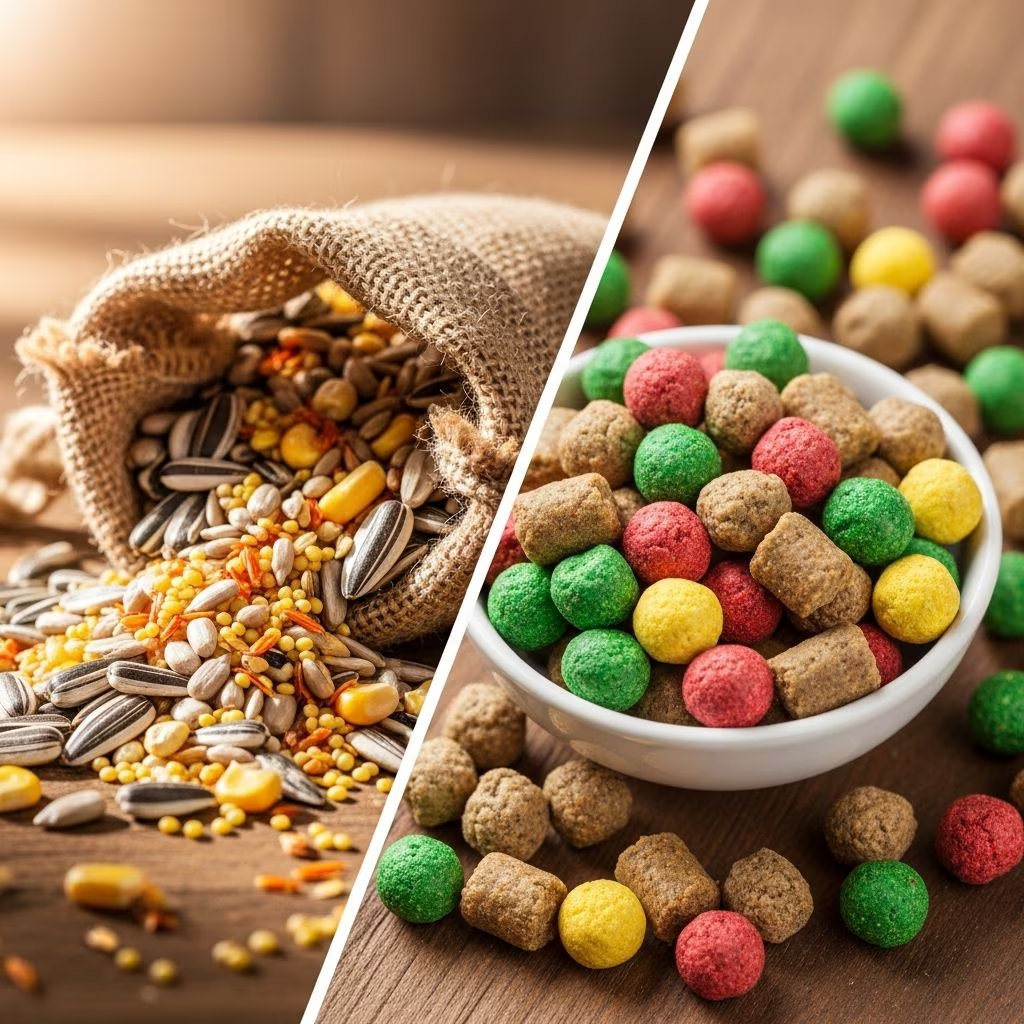
Bird Seeds vs. Pellets: Understanding Your Pet Bird’s Nutritional Needs
Choosing the right food for your pet bird is one of the most important decisions you can make as a bird owner. The debate between seeds and pellets has been ongoing in the avian community for years, and understanding the differences between these two food options is crucial for your bird’s long-term health and well-being. Both seeds and pellets have their place in avian nutrition, but they offer vastly different nutritional profiles and health benefits.
What Are Bird Seeds?
Bird seeds are whole grains and legumes that form the foundation of many traditional bird diets. Common types of bird seeds include sunflower seeds, safflower seeds, millet, canary seed, peanuts, and various other grains. Seeds are often what birds would eat in their natural habitat, and many bird owners are drawn to seed-based diets because they mimic what birds would forage for in the wild.
Seeds come in mixed varieties, allowing birds to select which seeds they prefer to eat. This variety can provide some enrichment and natural foraging behavior that pet birds might otherwise miss in captivity. However, the appeal of seeds goes beyond just their natural origin.
What Are Bird Pellets?
Bird pellets are formulated feed products containing nutritious ingredients specifically designed to provide comprehensive nutrition for pet birds. These pellets are created using a combination of carefully selected ingredients such as corn, psyllium, soybeans, peanuts, kelp, spirulina, wheat, and ground vegetables and fruits. The exact formula and size of pellets vary based on the bird species they’re intended for, ensuring that budgies, cockatiels, parrots, and other bird species receive species-appropriate nutrition.
Unlike seeds where birds can pick and choose what they eat, each pellet contains a uniform mix of nutrients. This consistency means that regardless of which pellets your bird consumes, they’re receiving the same balanced nutritional profile with every bite.
Nutritional Comparison: Seeds vs. Pellets
The nutritional differences between seeds and pellets are significant and worth understanding in detail. Seeds are notably high in fats and carbohydrates, which can lead to obesity, heart disease, and fatty liver disease. Additionally, seed-based diets are unbalanced in various nutrients, causing both deficiencies and excesses when fed as the main component of a bird’s diet.
Key Nutritional Deficiencies in Seed Diets
Pellets provide a much better balance of nutrients than seeds. Research in avian nutrition has identified several critical nutrients where seed-based diets fall short:
Sodium: Seeds do not supply adequate amounts of sodium, an important element for cell signaling and electrical conductance. Deficiencies can result in poor egg production and poor growth.
Zinc: Zinc functions as a cofactor for many different enzymes and is important for growth, reproduction, and tissue healing. Low levels of zinc found in seeds can result in poor growth, thicker and shorter long bones, scaling of the feet and skin, and poor feathering.
Vitamins and Minerals: Seed diets lack essential vitamins and minerals that pet birds need for optimal health.
Health Risks of Seed-Only Diets
Feeding your pet bird too many seeds doesn’t provide a well-balanced diet and can lead to malnutrition. Signs your bird may be malnourished from a seed-only diet include:
Weight loss, dullness of feather color, malformed feathers, protruding keel bone, lethargy, and droppings of unusual color or consistency. These signs indicate that your bird is not receiving adequate nutrition and may be developing serious health problems.
Simply put, seed diets aren’t a healthy choice for companion birds, nor do they offer all the vitamins and minerals your pet bird needs. If you really want to give your pet bird seeds, experts recommend a small amount as a treat for small birds like budgies, but bird seed isn’t recommended for larger birds such as African grey parrots, Amazon parrots, cockatoos, or macaws.
The Benefits of Pellet-Based Diets
Pellet-based diets offer numerous advantages for pet birds. Since pellets are a uniform diet, every pellet your bird eats is the same mix of nutrition. This consistency eliminates the guesswork about whether your bird is receiving adequate vitamins, minerals, and macronutrients. Pellets help supply nutrients that you can’t feed through fruits and vegetables alone, particularly micronutrients that would be difficult or impossible to provide otherwise.
Additionally, pelleted diets have been formulated based on research done in granivorous birds, including chickens, budgerigars, and cockatiels. While avian nutritionists acknowledge that we still need to learn more about pet parrot nutritional requirements, pellets provide a much better balance of nutrients than seeds and help prevent certain disorders and allow for a much healthier life.
The Selective Eating Problem with Seeds
One significant issue with seed-based diets is that birds often exhibit selective eating behaviors. Birds seem to prefer seeds like safflower and sunflower that are higher in fat, while avoiding less palatable seeds. This selective eating means your bird may not be consuming a balanced diet, even if the seed mix theoretically contains all necessary nutrients. The bird may be getting excessive fat from preferred seeds while missing other important nutrients from seeds they reject.
With pellets, since each piece contains the same nutritional profile, you don’t have to worry about your bird selectively eating inferior nutrition. Every pellet your bird consumes provides the intended nutritional balance.
Recommended Diet Composition for Pet Birds
Rather than feeding an all-seed or all-pellet diet, experts recommend a balanced approach. According to avian nutritionists, a healthy diet for pet birds should consist of:
Up to 10% seed, 60–70% pellets, and 20–30% fresh food. This composition ensures that your bird receives the nutritional completeness that pellets provide while still enjoying some of the enrichment and foraging opportunities that seeds and fresh foods offer.
In addition to pellets and seeds, fresh foods play an important role in a bird’s diet. Many bird sanctuaries and rescue organizations create various kinds of ‘chop,’ which are combinations of all sorts of healthy ingredients, allowing each bird to pick out what they like. This approach combines the nutritional benefits of pellets with the enrichment and variety of fresh foods.
Converting Your Bird to Pellets
If your bird has been eating a seed-based diet and you want to transition them to pellets, the process requires patience and persistence. Birds can be resistant to dietary changes, especially if they’re accustomed to seeds. Here are some strategies for successful transition:
Observation Learning: Allow the bird to observe another bird companion in the home eating pellets, which can persuade them to do the same.
Gradual Introduction: Introduce pellets gradually, incorporating them into the bird’s diet alongside their usual food. Over time, as the birds realize the pellets are safe and tasty, they are more likely to willingly eat them.
Restricted Feeding: If you restrict the amount of food provided, you can compel your bird to finish their daily rations, which may include consuming more pellets than they initially would choose.
It’s important to note that converting a bird from seed to pellets is generally harder than the reverse transition. This resistance demonstrates birds’ natural preference for seeds and their willingness to be selective eaters.
Pellets Plus Seeds: A Compromise Approach
Some bird owners choose to feed a mixture of both pellets and seeds as a compromise. This approach can work if you’re on the fence about which diet to choose or if you’re trying to satisfy veterinary recommendations for your bird. However, there are some drawbacks to consider.
Birds generally prefer seed so chances are they won’t eat many of the pellets in a mixed diet. Additionally, seed and pellet mixtures available on the market tend to be the worst of both worlds: a selection of very low-fat seeds mixed with processed low-fat pellets. If you choose to feed a mixture, it generally works best to choose one diet as primary and the other as supplementary, rather than offering equal amounts of both.
Nutritional Supplements: Do You Need Them?
One advantage of feeding pellets is that nutritional supplements are typically unnecessary. Bird sanctuaries and rescue organizations report that they don’t typically provide supplements unless directed by a veterinarian. Instead, they focus on feeding pellets along with fruits, vegetables, and grains to provide comprehensive nutrition.
With a seed-based diet, however, many bird owners feel compelled to add supplements to try to bridge the nutritional gaps. This adds complexity to feeding your bird and creates uncertainty about whether your bird is receiving adequate supplementation. Pellets simplify this process by providing complete nutrition without requiring additional supplementation for most healthy birds.
Important Considerations About Toxic Foods
Regardless of whether you feed seeds, pellets, or fresh foods, it’s essential to research any potentially toxic foods before introducing them to your bird’s diet. Some foods that are safe for humans can be dangerous or even fatal for birds. Always verify that any new food you’re considering is safe for your specific bird species before offering it.
Consulting With Your Avian Veterinarian
If your bird is not eating a complete and balanced diet or is resisting the transition to pellets, you should talk to your veterinarian about important ways to ensure your bird is getting the nutrition they need. Your avian veterinarian can provide personalized recommendations based on your bird’s specific species, age, health status, and individual needs.
What Does the Research Tell Us?
While pellet diets have become the most popular choice in the United States, seed-based diets predominate in other parts of the world. Anecdotal evidence and small studies suggest that pellet companies being mostly American may have influenced this preference. However, the growing body of nutritional research continues to support pellet-based diets as the most balanced and complete option for companion birds.
As avian nutrition science continues to evolve, dietary guidelines for birds will likely become more refined. Currently, birds are considered decades behind cats, dogs, and humans in modernizing dietary guidelines based on available science. Eventually, with more research and understanding, recommendations will likely continue to emphasize the importance of nutritional completeness and balance that pellets provide.
Frequently Asked Questions
Q: Are seeds completely bad for pet birds?
A: Seeds aren’t completely bad, but they shouldn’t be the primary component of your bird’s diet. A small amount of seeds (up to 10%) as a treat or foraging activity can be acceptable for some birds, particularly smaller species like budgies, but they lack the nutritional balance needed for optimal health.
Q: Can I feed my bird only pellets?
A: While pellets provide complete nutrition, experts recommend supplementing with fresh foods (20–30% of diet) to provide variety, enrichment, and additional nutrients. Fresh vegetables and fruits add important vitamins and provide natural foraging opportunities.
Q: How long does it take to transition a bird from seeds to pellets?
A: Transition times vary by individual bird, but the process typically takes several weeks to months. Patience and consistency are key, and consulting with your avian veterinarian can help ensure a smooth transition.
Q: Are pellets safe for all bird species?
A: Pellets are formulated for specific bird species and sizes. Always choose pellets designed for your particular bird species to ensure appropriate nutrition and pellet size.
Q: What fresh foods can I safely feed my bird alongside pellets?
A: Many fresh vegetables and fruits are safe for birds, including leafy greens, carrots, berries, and apples. Always research specific foods and remove any uneaten fresh food after a few hours to prevent spoilage and bacterial growth. Avoid toxic foods like avocado, chocolate, and salt.
Q: Do pellets contain artificial vitamins and are they effective?
A: Modern pellets contain vitamins formulated to meet avian nutritional requirements. Recent research suggests that natural and artificial vitamins have different bioavailability profiles, but pellet formulations are designed to be effective when combined with fresh foods and appropriate sunlight exposure.
References
- Pet Bird Food: Seeds vs. Pellets — PetMD. 2024. https://www.petmd.com/bird/pet-bird-food-seeds-vs-pellets
- Bird Seeds Versus Pellets: What’s The Difference? — Lafeber Company. 2024. https://lafeber.com/pet-birds/bird-seeds-versus-pellets-whats-the-difference/
- The Uncomfortable Debate: Seeds or Pellets? — Free Range Parrots. 2022. https://freerangeparrots.org/2022/05/13/the-million-dollar-question-seed-or-pellets/
- Feeding Your Bird: Seeds vs. Pellets — Revival Animal Health. 2024. https://www.revivalanimal.com/learning-center/feeding-your-bird-seeds-vs-pellets



