

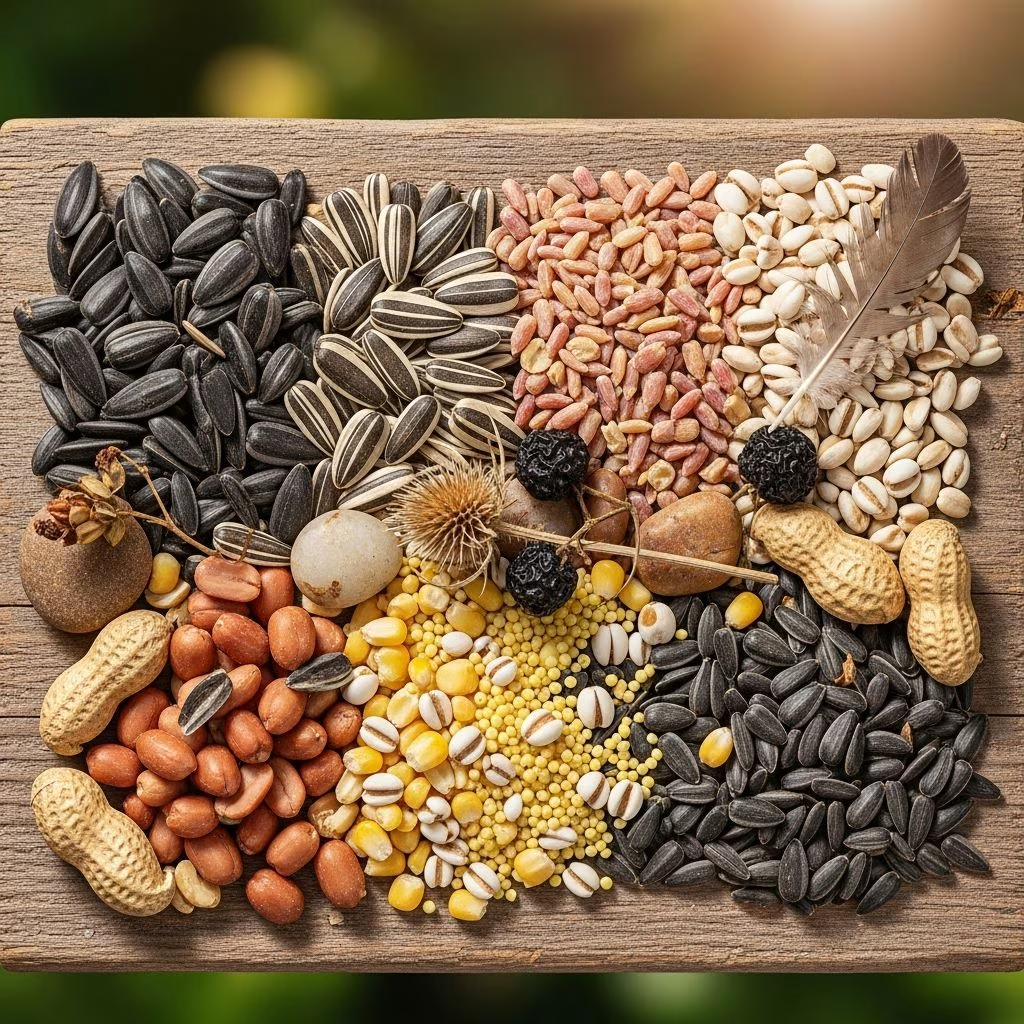
Supporting wild birds through proper nutrition is one of the most rewarding ways to connect with nature while contributing to ecosystem health. Birds encounter significant nutritional challenges, especially during seasonal transitions and harsh weather conditions. By understanding the nutritional composition of various seed types, bird enthusiasts can make informed decisions that maximize both bird health and feeding efficiency.
The Foundation of Avian Nutrition
Every wild bird requires a balanced diet containing specific nutrients to thrive. Protein forms the structural foundation for muscular development and feather growth, enabling birds to maintain the strength necessary for flight and survival. Beyond protein, birds need adequate fats and carbohydrates to fuel their remarkably high metabolic demands—some birds require up to 10,000 calories daily relative to their body size.
Fiber supports healthy digestion and nutrient absorption, while calcium becomes critically important during nesting season when birds require extra mineral density for eggshell production. Additional micronutrients including phosphorus, potassium, iron, and zinc create the complete nutritional profile necessary for optimal avian health.
Birds demonstrate remarkable dietary flexibility, adjusting their food preferences based on seasonal needs. During migration periods, birds prioritize calorie-dense foods for energy, while nesting birds seek calcium-rich options to support reproduction.
Premium Seed Options for Optimal Bird Health
Black Oil and Striped Sunflower Seeds: The Universal Favorite
Sunflower seeds represent the most versatile and widely preferred seed option across numerous bird species. Both black oil and striped varieties deliver impressive nutritional profiles, providing substantial quantities of protein, fat, and fiber. These seeds also contribute essential B and E vitamins, along with critical minerals including calcium, iron, and potassium.
The structural differences between varieties matter for feeding efficiency. Black oil sunflower seeds possess thinner shells that birds crack more easily, making them ideal for smaller species and younger birds. Striped sunflower seeds have thicker shells that require more effort but appeal to stronger-beaked species. Sunflower hearts offer a shell-free option, though they command premium pricing and require careful storage to prevent moisture-related mold development.
Safflower Seeds: The Selective Option
Safflower seeds present a strategic alternative for feeders experiencing unwanted wildlife competition. These medium-sized, white-hulled seeds pack substantial fat, carbohydrates, and protein alongside trace minerals including magnesium, phosphorus, and zinc. The nutritional density rivals sunflower seeds, making safflower an excellent year-round feeding choice.
The defining characteristic of safflower is its bitter taste. While bird palates remain unaffected by this flavor, squirrels, chipmunks, and raccoons actively avoid safflower seeds. This quality makes safflower an invaluable option for protecting premium seed supplies from unwanted visitors while still providing robust nutrition to targeted bird species.
Peanuts: High-Energy Nutrition
Peanuts deliver impressive nutritional density, concentrating fat, protein, vitamins A and E, plus essential trace minerals including zinc, iron, potassium, and phosphorus. Many premium birdseed blends incorporate whole or shelled peanuts, while whole and raw peanuts can be offered independently to enthusiastic bird populations.
Preparation matters significantly when offering peanuts. Always select unsalted, unroasted options without added seasonings, flavorings, or candy coatings, as these additives compromise avian health. The natural peanut provides complete nutritional benefits without processing-related complications.
Nyjer® Seed: Winter Energy Solution
Nyjer® seed represents a specialized feeding option designed for cold-season requirements. This seed achieves remarkable caloric density through high fat and oil content, delivering substantial quantities of protein and fiber simultaneously. During winter months when birds expend enormous energy maintaining body heat, Nyjer® provides the concentrated calories necessary for survival.
Small finch species including redpolls, siskins, and goldfinches demonstrate particular enthusiasm for Nyjer® seeds. These tiny seeds work best in specialized mesh or sock-style feeders designed for clinging birds to access the food while maintaining balance.
Millet: Quick Energy and Widespread Appeal
Millet seeds, despite their diminutive size, pack concentrated fiber, fat, and protein that deliver rapid energy release. These seeds contribute vitamin B and trace minerals that support overall avian nutrition. The widespread inclusion of millet in commercial birdseed blends reflects its popularity across diverse species.
Ground-feeding birds including juncos, buntings, tanagers, and sparrows eagerly consume millet seeds. The inclusion of millet in mixed seed blends attracts a broader range of bird species than single-seed offerings, making it a strategic component of comprehensive feeding programs.
Additional Seed Varieties Worth Considering
Milo, also recognized as sorghum, appears frequently in value-oriented birdseed blends. This BB-sized grain delivers notable carbohydrate and fiber content, though it lacks the nutritional density of premium sunflower or safflower seeds. Jays, quail, turkeys, grackles, starlings, and doves consume milo when available.
Canary grass seed provides protein, fat, and fiber to small seed-eating birds including finches, juncos, quail, and cowbirds. This less common offering works best as a supplementary component within mixed blends rather than a primary feeding option. Rape seed, conversely, concentrates fat alongside potassium, phosphoric acid, lime, and magnesium, making it a valuable mineral source despite limited species preference. Oat groats provide among the most complete amino acid profiles and vitamin B-complex available in seed form, supporting comprehensive nutritional requirements.
Strategic Seed Selection and Feeding Efficiency
Choosing appropriate seeds involves understanding both bird preferences and practical feeding considerations. Black oil sunflower seeds attract the widest variety of bird species, making them the foundational choice for most backyard feeding programs. However, mixed seed blends often create waste when birds selectively remove preferred seeds, leaving less desirable options scattered.
Offering different seed types in separate feeders maximizes feeding efficiency and reduces waste. This strategy allows birds to access their preferred nutrition while enabling feeders to observe which species visit their yards. Recommended seed combinations include sunflower seeds, Nyjer® seeds, and peanuts each in dedicated feeders.
Seasonal Feeding Strategies
Bird nutritional requirements fluctuate dramatically throughout the year. Strategic seasonal feeding ensures birds receive appropriate nutrition when natural food sources become scarce or insufficient.
Spring Feeding: Supporting Nesting and Migration
As birds transition from winter survival to nesting season, they require seed blends alongside sunflower seeds, sunflower chips, millet, fresh fruit, and peanut butter. During spring, birds also benefit from suet offerings when weather permits and from crushed eggshells that provide essential calcium for eggshell production. Nectar feeders and mealworms support migratory birds preparing for northward journeys.
Summer Maintenance: Energy for Growing Chicks
Summer feeding emphasizes nutrition for growing nestlings and breeding adults. Appropriate summer offerings include seed blends, sunflower seeds, sunflower chips, Nyjer seeds, millet, fresh fruit, jelly, mealworms, peanuts, and suet when dry conditions permit. Insects and protein-rich foods become especially important as parent birds feed hungry chicks.
Fall Preparation: Building Fat Reserves
As migratory birds prepare for southward journeys and resident birds prepare for winter, fall feeding emphasizes high-calorie options. Appropriate fall foods include seed blends, sunflower seeds, Nyjer seeds, millet, nectar, nuts, fruit, suet, and cracked corn. These options support rapid fat accumulation necessary for migration and cold-weather survival.
Winter Survival: Maximum Caloric Support
Winter presents the greatest nutritional challenge for birds. High-fat seeds blended with high-carbohydrate ingredients fuel the extraordinary metabolic demands of cold-weather survival. Winter feeding should prioritize seed blends, sunflower seeds, millet, Nyjer seeds, nuts, suet, cheese, fruit, peanut butter, and cracked corn. These concentrated calorie sources help birds maintain body heat during freezing temperatures.
Foods to Avoid: Protecting Bird Health
While many food items appear safe for bird consumption, certain offerings compromise avian health. Processed human foods including bread, crackers, and other refined products fill birds without providing nutritional value, potentially preventing adequate nutrient intake. Salted peanuts and nuts with artificial seasonings, flavorings, or candy coatings deliver harmful additives unsuitable for avian physiology.
Frequently Asked Questions
Which seed type attracts the most bird species?
Black oil sunflower seeds attract the widest variety of North American bird species and form the foundation for most effective backyard feeding programs.
How can I prevent squirrels from raiding my bird feeders?
Offering safflower seeds instead of sunflower seeds significantly reduces squirrel, chipmunk, and raccoon visits, as these animals find safflower’s bitter taste unappealing while birds consume it readily.
What seeds work best for winter bird feeding?
Nyjer® seed, sunflower seeds, nuts, and suet provide the high-fat, high-calorie content birds require for winter survival.
Are mixed seed blends effective for bird feeding?
While mixed blends offer convenience, birds often selectively remove preferred seeds, leaving waste. Offering different seeds in separate feeders improves feeding efficiency.
Can I offer peanuts to backyard birds?
Yes, peanuts provide excellent nutrition when offered unsalted and without additives. Both whole and shelled varieties work well.
Creating an Optimal Feeding Program
Successful bird feeding combines understanding nutritional requirements with strategic seed selection and seasonal adjustments. Begin with black oil sunflower seeds as your foundation, then add species-specific offerings based on birds visiting your yard. Monitor which seeds birds prefer and adjust accordingly to minimize waste while maximizing nutritional delivery.
By providing appropriate nutrition throughout the year, backyard feeders support wild bird populations during critical periods when natural food sources become scarce. This simple act of stewardship strengthens bird communities while offering observers the profound joy of connecting with nature at their own doorstep.
References
- Value of Wild Bird Ingredients — Kaytee (Energel, Inc.). Updated 2024. https://www.kaytee.com/learn-care/wild-bird/value-of-wild-bird-ingredients
- Wild Bird Feed Guide — Prince Corporation. October 2017. https://www.prince-corp.com/wp-content/uploads/2017/10/Wild-Bird-Feed-Guide.pdf
- Feeding Birds in Your Backyard: A Complete Guide — PetMD. Updated 2024. https://www.petmd.com/bird/feeding-birds-in-your-backyard
- Audubon Guide to Birdseed — National Audubon Society. June 2016. https://www.sfvaudubon.org/wp-content/uploads/2016/06/Audubon_Guide_Bird_Seed_printPDF.pdf
- Bird Feeding Best Practices — Massachusetts Audubon Society. Updated 2024. https://www.massaudubon.org/nature-wildlife/birds/bird-feeding
- Feeding Birds: a Quick Guide to Seed Types — All About Birds (Cornell Lab of Ornithology). Updated 2024. https://www.allaboutbirds.org/news/types-of-bird-seed-a-quick-guide/
- Best Bird Seed by Season: What to Feed Year-Round — Kalmbach Feeds. Updated 2024. https://www.kalmbachfeeds.com/blogs/wild-birds/what-to-feed-birds-in-every-season-the-complete-year-round-guide
- Which Bird Seeds Are Best? — National Wildlife Federation. 2010. https://www.nwf.org/Magazines/National-Wildlife/2010/Bird-seeds



