

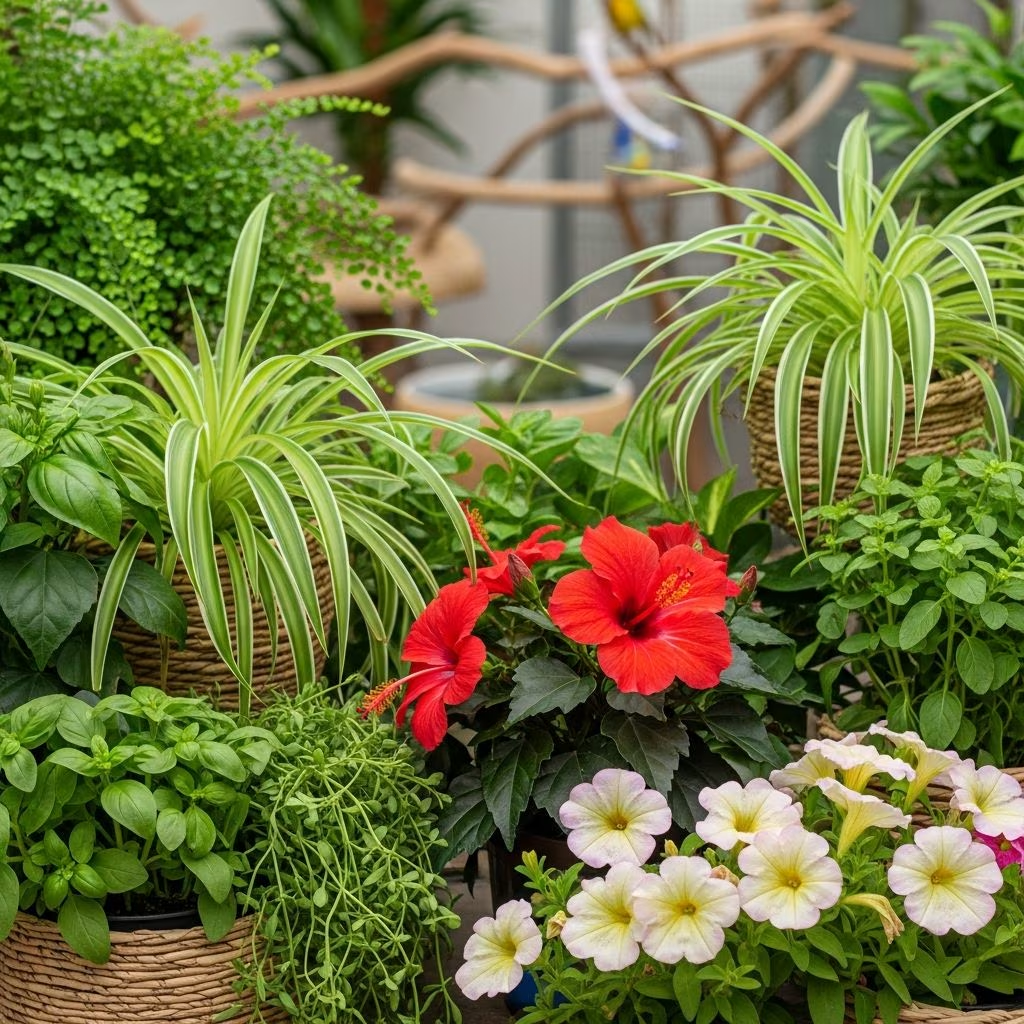
Decorate Your Home or Aviary with Bird-Safe Plants
Creating a beautiful and enriching environment for your pet birds requires careful consideration of the plants you choose. Many common houseplants and garden plants can be toxic to birds, posing serious health risks if ingested. Selecting bird-safe plants allows you to enhance your home or aviary with natural beauty while protecting the health and well-being of your feathered companions. This comprehensive guide explores the best bird-safe plants available and provides essential information about their care requirements and benefits.
Why Choose Bird-Safe Plants?
Birds are naturally curious creatures that love to explore, chew, and nibble on their surroundings. Many traditional decorative plants contain toxic compounds that can cause serious illness or even death if consumed by birds. Common houseplants such as avocado, chocolate plant, oleander, and philodendron are highly toxic to avian species. By selecting bird-safe plants, you create a secure environment where your birds can safely interact with their surroundings without the risk of accidental poisoning. Additionally, bird-safe plants provide natural enrichment, encouraging foraging behavior and mental stimulation that contributes to your bird’s overall well-being.
Popular Bird-Safe Flowering Plants
Flowering plants add color and vibrancy to any aviary or home space. The following flowering plants are safe for birds and make excellent decorative choices:
Begonias
Begonias are popular choices for bird owners due to their colorful flowers and glossy leaves. These plants are safe for birds and can grow in low light environments. Begonias require moderate watering and can be grown as small plants or hanging baskets. They add a touch of beauty and elegance to any birdcage or living space.
Calendula (Pot Marigold)
Calendula officinalis, commonly known as pot marigold, produces vibrant yellow and orange flowers that brighten any space. This plant is completely non-toxic to birds and provides natural beauty. Calendulas thrive in full sun and require moderate watering, making them easy to maintain both indoors and outdoors.
Gardenias
Gardenias are valued for their fragrant flowers and glossy leaves, making them an excellent choice for bird owners seeking to add both beauty and fragrance to their aviary. These plants are safe for birds and can grow in bright, indirect light. Gardenias require moderate watering and can be grown as small plants or shrubs, adding an elegant touch to any birdcage.
Roses
Roses are non-toxic to birds and make excellent decorative additions to aviaries and bird-friendly homes. However, it is crucial to note that roses have sharp thorns that can injure birds during interaction. If you choose to include roses, ensure they are placed where birds cannot easily access the thorny stems.
Bougainvillea
Bougainvillea plants are known for their vibrant, colorful bracts that provide stunning visual appeal. These plants are non-toxic to birds; however, like roses, they feature thorns that require careful placement away from direct bird contact. Bougainvillea thrives in full sun and requires moderate watering.
Safe Ferns and Fronds
Ferns are excellent choices for bird owners seeking to create a natural, tropical environment. These leafy plants provide visual interest and are completely safe for avian species.
Boston Ferns
Known for their lush, feathery fronds, Boston ferns (Nephrolepsis bostoniensis) are non-toxic to birds and thrive indoors with proper care. These plants require high humidity and indirect light, making them perfect for recreating a bird’s naturally tropical habitat. Birds love to play among their soft, dangling fronds, which provide excellent enrichment opportunities.
Bird’s Nest Fern
The Bird’s Nest Fern (Asplenium nidus) is a popular choice for bird owners seeking an attractive, safe plant option. This fern features broad, wavy fronds that create an interesting visual element. Bird’s Nest Ferns require bright, indirect light and moderate humidity, thriving in warm environments similar to those preferred by many bird species.
Spider Plants
Spider plants (Chlorophytum comosum) are hardy, easy-to-grow houseplants that are perfectly safe for birds. They sport arching green leaves with cream or white stripes that grow rapidly, creating an attractive appearance. Spider plants are extremely resilient and tolerate a wide range of light and moisture conditions, making them ideal for bird owners of all experience levels.
Bird-Safe Palms and Trees
Palms and trees create a natural, spacious environment for birds while adding significant visual interest to any aviary or home setting.
Areca Palm
The Areca palm (Dypsis lutescens), also known as the butterfly or golden cane palm, is a popular choice for indoor spaces due to its air-purifying abilities and lush, tropical appearance. This plant is not only non-toxic to birds but also helps remove harmful toxins from the air. The Areca palm features feathery, elegant fronds that create a natural, tropical environment.
Bamboo Palm
Another safe plant for birds, the bamboo palm (Chamaedorea seifrizii) adds a touch of tropical beauty to your home while providing excellent air-purifying benefits. The bamboo palm grows well in low light conditions and demonstrates good resistance to common pests. This hardy plant makes an excellent choice for creating a bird-friendly indoor garden.
Date Palm
Date palms (Phoenix dactylifera) are safe for birds and add a distinctive tropical element to any aviary or space. These plants produce dates that can serve as a nutritious treat for your feathered companions. Date palms require bright light and moderate watering to thrive.
Bay Tree
Bay trees are popular choices for bird owners due to their fragrant leaves and unique appearance. These trees are safe for birds and can be grown indoors as small trees or bonsai. Bay trees require moderate watering and prefer bright, indirect light. They can grow up to 20 feet tall and add a unique, aromatic touch to any birdcage or living space.
Herb and Vegetable Plants
Fresh herbs and vegetable plants are not only safe for birds but also provide nutritious food options that enhance your bird’s diet.
Dill
Dill (Anethum graveolens) is a bird-safe herb that provides both ornamental appeal and nutritional benefits. The feathery foliage creates an attractive visual element while offering a fresh herb that birds can safely nibble. Dill thrives in full sun and requires moderate watering.
Spearmint
Spearmint (Mentha spicata) is a fragrant, bird-safe herb that can be grown indoors or outdoors. This plant is completely non-toxic to birds and provides a fresh, aromatic addition to any aviary. Spearmint requires moderate watering and grows well in full sun to partial shade.
Dandelion
Dandelion (Taraxacum officinale) plants are completely safe for birds and provide both visual interest and nutritional benefits. All parts of the dandelion, including leaves, flowers, and roots, are non-toxic to birds. Dandelions are hardy plants that thrive in various conditions and require minimal maintenance.
Succulent and Cactus Plants
Succulent and cactus plants offer unique aesthetic appeal and are excellent choices for bird owners seeking low-maintenance options.
Echeveria
Echeveria species are rosette-shaped succulents that are completely safe for birds. These plants require minimal watering and thrive in bright light. Their distinctive appearance adds visual interest to any aviary or indoor space without requiring significant maintenance.
Hens and Chicks
Both Echeveria and Sempervivum species, commonly known as hens and chicks, are bird-safe succulents that provide unique visual appeal. These hardy plants require minimal watering and thrive in bright light. Their small, compact size makes them ideal for smaller aviaries or indoor bird spaces.
Easter Cactus
Easter cacti (Rhipsalidopsis spp.) are bird-safe plants that produce beautiful flowers. Unlike many cacti with sharp spines, Easter cacti feature soft, segmented stems that are safer for birds to interact with. These plants require moderate watering and bright, indirect light.
Cactus Pear
Cactus Pear, also known as Prickly Pear, is a species of cactus that produces edible fruit safe for birds. These plants are safe for birds and can be grown indoors as small plants or in outdoor gardens. Cactus Pear plants require little watering and prefer full sun, making them an excellent low-maintenance option.
Trees Safe for Outdoor Aviaries
For outdoor aviary settings, several tree species provide natural environments while remaining completely safe for birds.
Callistemon (Bottlebrush)
Callistemon, commonly known as bottlebrush, is a genus of plants native to Australia that includes over 50 species. These plants are safe for birds and are known for their unique bottlebrush-like flowers. Callistemon plants are easy to care for and can grow up to 10 feet tall, making them excellent choices for outdoor aviaries. They attract birds and other wildlife while providing natural enrichment.
Magnolia
Magnolias are popular choices for outdoor trees due to their fragrant flowers and glossy leaves. These trees are safe for birds and can grow in full sun to partial shade. Magnolias require moderate watering and can grow up to 80 feet tall. They add significant beauty and fragrance to any outdoor birdcage or garden setting.
Pine Trees
Pine trees are evergreen trees that provide a natural environment for birds. These trees are safe for birds and can be grown indoors as small trees or bonsai. Pine trees require moderate watering and prefer bright, indirect light. They add a unique, natural touch to any birdcage or outdoor aviary.
Decorative Foliage Plants
Beyond flowering plants and trees, several foliage plants provide decorative appeal while remaining completely safe for birds.
Dracaena Species
Dracaena plants, including varieties such as Gold Dust Dracaena and Dragon Tree, are bird-safe options that add tropical flair to any space. These plants feature distinctive foliage patterns and adapt well to indoor environments. Dracaenas require moderate light and watering, making them suitable for various living situations.
Rubber Plant
The Rubber Plant (Ficus elastica) is a popular indoor choice that is completely safe for birds. This plant features large, glossy leaves that create visual interest and help purify indoor air. Rubber plants require bright, indirect light and moderate watering.
Schefflera
Schefflera actinophylla is a bird-safe plant that adds tropical character to any indoor space. This plant features compound leaves and grows into an attractive, branching form. Schefflera requires bright, indirect light and moderate watering.
Important Considerations for Plant Safety
While the plants listed above are considered safe for birds, certain precautions remain essential for optimal bird health and safety.
Thorns and Sharp Edges
Several bird-safe plants, including roses and bougainvillea, feature thorns or sharp edges that can injure birds during interaction. When selecting these plants, position them carefully where birds cannot easily access the problematic stems or leaves. Consider your bird species and behavior patterns when deciding placement.
Pesticides and Chemicals
Before introducing any plant to your bird’s environment, ensure it has not been treated with pesticides, herbicides, or other harmful chemicals. Thoroughly wash plants with clean water and allow them to dry completely. If purchasing plants from commercial sources, inquire about treatment history and choose organic or pesticide-free options whenever possible.
Moderation in Consumption
While bird-safe plants are non-toxic, consuming excessive quantities of any plant material can cause digestive upset or nutritional imbalances. Monitor your bird’s plant consumption and ensure a balanced diet remains the priority. Bird-safe plants should supplement, not replace, appropriate avian nutrition.
Individual Bird Species Considerations
Different bird species have varying dietary needs and behaviors. Larger parrots may damage or destroy certain plants through aggressive foraging, while delicate songbirds may require gentler plant options. Research your specific bird species to determine the most appropriate plant choices for their particular needs and behaviors.
Care Requirements Summary
| Plant Name | Light Requirements | Water Needs | Special Features |
|---|---|---|---|
| Boston Fern | Indirect Light | High Humidity | Feathery Fronds |
| Areca Palm | Bright, Indirect | Moderate | Air Purifying |
| Spider Plant | Tolerates Various | Moderate | Hardy, Resilient |
| Begonia | Low to Indirect | Moderate | Colorful Flowers |
| Callistemon | Full Sun | Moderate | Bottlebrush Flowers |
| Bamboo Palm | Low Light | Moderate | Air Purifying, Hardy |
Frequently Asked Questions
Q: Which plants are most toxic to birds?
A: Plants such as avocado, chocolate plant, oleander, philodendron, dieffenbachia, and foxglove are highly toxic to birds. Always verify plant safety before introducing any vegetation to your bird’s environment.
Q: Can my bird eat the fruits from bird-safe plants?
A: Yes, many bird-safe plants produce edible fruits including date palms, paw paw trees, and cactus pear. However, ensure fruits are ripe and appropriately sized for your bird species. Always monitor consumption and maintain proper nutritional balance.
Q: How should I prepare plants before placing them in my bird’s environment?
A: Thoroughly wash all plants with clean water to remove dust, dirt, and potential pesticide residues. Allow plants to dry completely before introducing them to your bird’s space. Inspect plants for any signs of pest infestation or damage.
Q: Can I use commercial fertilizers on bird-safe plants?
A: Commercial fertilizers may contain harmful chemicals. Use organic, bird-safe fertilizers or skip fertilization if plants remain healthy without it. Always prioritize your bird’s safety over plant aesthetics.
Q: Which plants are best for small cages?
A: Small, compact plants such as spider plants, begonias, succulents, and small ferns work best for limited spaces. Choose plants that won’t overwhelm the cage while still providing enrichment and visual interest.
Q: How often should I replace plants in the aviary?
A: This depends on plant type, bird species, and consumption rates. Fast-growing, hardy plants may last longer, while plants heavily chewed by large parrots may require more frequent replacement. Monitor plant condition regularly and replace damaged or depleted plants as needed.
References
- Bird-Safe Plants For The Aviary — YouTube. Accessed 2025-11-28. https://www.youtube.com/watch?v=GAV3MFRJyJw
- Safe Aviary Plants and Toxic Plants for Birds — Finch Info. http://www.finchinfo.com/housing/safe_and_toxic_plants.php
- Discover the Ultimate Bird Safe Plants — Queenslander Aviaries. https://queenslanderaviaries.com/blogs/news/bird-safe-plants
- Houseplants that are Safe for Homes with Pet Birds — PlantVine. https://www.plantvine.com/2023/07/21/houseplants-that-are-safe-for-homes-with-pet-birds/
- Common Bird-safe and Toxic Plants — Birdhism. https://birdhism.com/blogs/news/common-bird-safe-house-plants



