

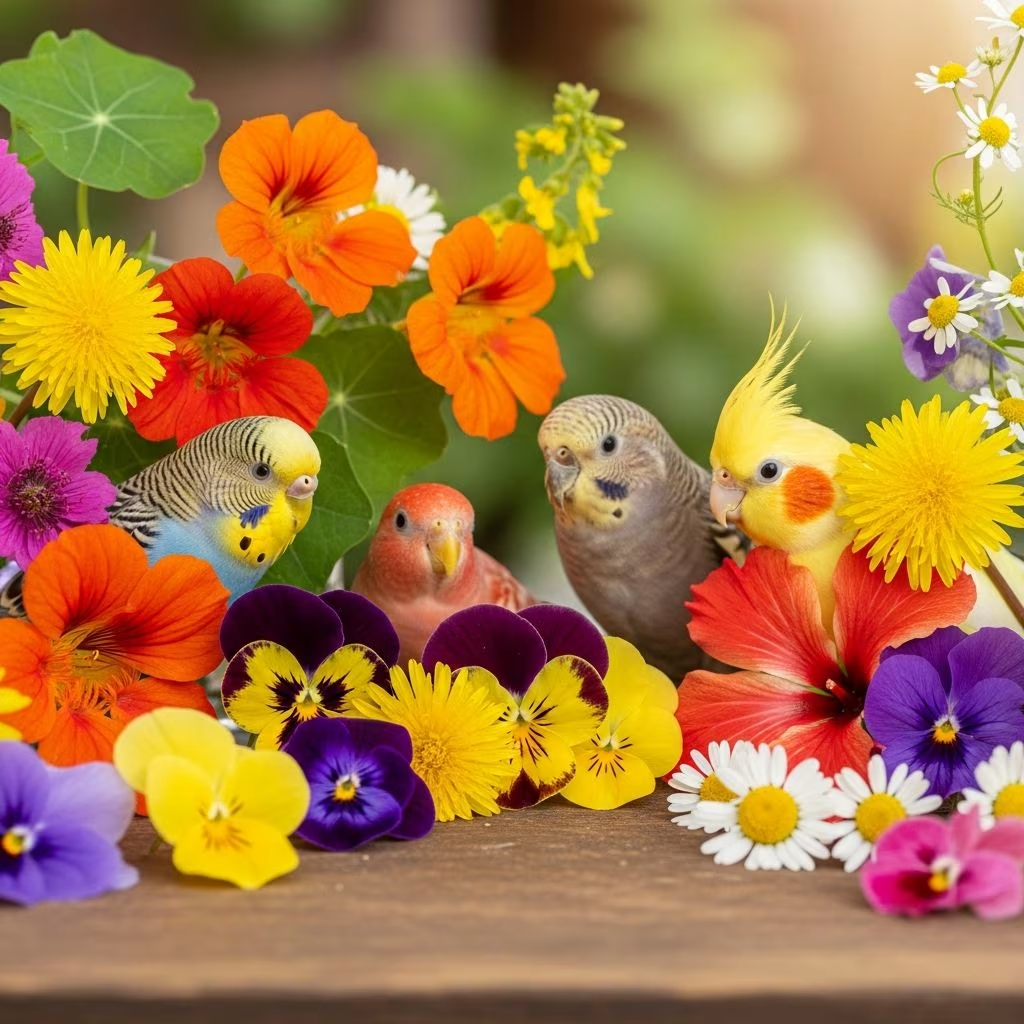
Bird-Safe Edible Flowers: A Nutritious Addition to Your Pet’s Diet
Adding edible flowers to your pet bird’s diet can provide nutritional variety, enrichment, and natural foraging opportunities. However, not all flowers are safe for avian consumption. Before you start picking petals for your parrot’s plate, it’s essential to understand which flowers are safe, how to properly prepare them, and which varieties to avoid entirely. This comprehensive guide will help you navigate the world of bird-safe edible flowers and make informed decisions about your feathered friend’s nutrition.
Understanding the Risks: What Not to Feed Your Bird
According to avian veterinarians, most edible flowers are harmless, but not all of them are safe for birds. Certain flowers can be toxic and cause serious health issues. The most important rule is to always research before introducing any new food item to your bird’s diet. Lilies, for example, are never safe and can be highly toxic to birds. Additionally, garlic and onion flowers should be completely avoided, as these plants contain compounds that can be harmful to avian species.
When selecting flowers for your bird, avoid varieties that have been treated with pesticides, herbicides, or fungicides. Dyed flowers, particularly carnations and other ornamental varieties that have been artificially colored, should never be offered to your pet. Always purchase flowers from reputable sources or grow them yourself in a pesticide-free environment.
Safe Edible Flowers for Your Bird
The following flowers have been verified as safe for bird consumption. However, it’s important to remember that moderation is key. Even safe flowers should be offered as part of a varied diet, not as the primary food source.
Herb Flowers
Herb flowers are among the most nutritious options for pet birds, offering both culinary appeal and health benefits:
- Basil – Feed only in tiny portions, and avoid the leaves if possible
- Bee Balm – Offers anti-inflammatory properties and can help with digestive issues
- Chives – Safe in moderation; the lavender-pink pom-pom flowers have a mild onion flavor
- Dill – Feed in moderation; beneficial for digestion
- Fennel – Safe when offered occasionally; similar benefits to dill
- Oregano – Feed in moderation for immune support
- Sage – Offer occasionally as part of a varied diet
- Thyme – Small amounts are safe and beneficial for respiratory health
Garden and Ornamental Flowers
These flowers provide visual appeal and nutritional benefits to your bird’s diet:
- Carnations – Avoid dyed varieties; red, pink, and white natural carnations have a pleasant clove taste
- Chamomile – Feed in moderation; excellent for calming anxious birds and supporting digestive health
- Daisies – Rich in vitamins A, C, and E; safe for regular feeding
- Dandelion – Nutritious leaves and flowers; feed flowers in moderation
- Hibiscus – Packed with vitamin C; popular choice among most bird species
- Honeysuckle (Japanese Lonicera japonica only) – Offer only the flowers; berries are extremely poisonous
- Impatiens – Feed in moderation; colorful and safe
- Marigolds – Excellent source of vitamins A and C; bright yellow and orange varieties
- Nasturtiums – Red, yellow, and orange flowers with tangy, peppery flavor; leaves are also edible
- Pansies – Colorful and safe for birds
- Passion Flowers – Feed in moderation; beautiful addition to your bird’s meals
- Petsunias – Safe when offered occasionally
- Roses and Rose Hips – Rich in vitamins A, C, and E; excellent nutritional value
- Sunflowers – Mature flowers contain nutritious seeds that most parrots find irresistible
- Tulips – Multi-colored flowers with crisp, cucumber-like taste
- Violets – Deep violet and white colors with sweet wintergreen taste
Specialty and Medicinal Flowers
These flowers offer specific health benefits and can be used strategically in your bird’s diet:
- Anise – Best offered as an occasional treat
- Borage Blossoms – Nutrient-dense flowers safe for regular feeding
- Calendula (Pot Marigold) – Use in salads; mild flavor and nutritional benefits
- Day Lilies – Many colored blossoms with sweet taste and crunchy lettuce texture
- Elderberry and Elderflower – Feed in moderation; great source of vitamin C
- Milk Thistle – Purple flowers are edible; leaves and seeds support liver health
Tree Flowers
Flowering blooms from various trees are safe and nutritious for birds:
- Apple tree flowers
- Bottlebrush flowers
- Citrus flowers (Orange, Lemon, Lime, Grapefruit, Kumquat)
- Eucalyptus flowers
- Melaleuca flowers
- Plum tree flowers
Nutritional Benefits of Edible Flowers
Different flowers offer varying nutritional profiles that can complement your bird’s regular diet:
| Flower | Key Nutrients | Health Benefits |
|---|---|---|
| Chamomile | Antioxidants | Calming, aids digestion, anti-inflammatory |
| Marigolds | Vitamins A & C | Immune support, eye health |
| Roses & Daisies | Vitamins A, C, & E | Antioxidant protection, overall health |
| Hibiscus | Vitamin C | Immune boost, hydration support |
| Milk Thistle | Silymarin compounds | Liver support and detoxification |
| Elderflower | Vitamin C | Cold and chill prevention, immune health |
| Bee Balm | Essential oils | Anti-inflammatory, digestive aid |
| Carnation & Lavender | Calming compounds | Reduces night frights and feather plucking |
Preparation and Feeding Guidelines
Proper preparation of edible flowers is crucial for your bird’s safety and health. Follow these essential guidelines when offering flowers to your pet:
Washing and Cleaning
Always wash flowers thoroughly before offering them to your bird. Use clean, filtered water to remove any pesticides, herbicides, fungicides, or bird droppings that may be present. If possible, grow your own flowers in a pesticide-free garden or purchase them from organic, bird-safe sources. Never use flowers from florists or garden centers that may have been treated with chemicals.
Portion Control and Frequency
As a general guideline, feed edible flowers in moderation to avoid upsetting your bird’s stomach. Flowers should supplement your bird’s regular diet, not replace it. Most birds do best with flower offerings two to three times per week. Start with small quantities to ensure your bird tolerates them well, and gradually increase if there are no adverse reactions.
Freshness and Storage
Fresh flowers are best, but dried flowers can also be offered to your bird. If using dried flowers, ensure they have been dried naturally without any chemical additives or preservatives. Store fresh flowers in the refrigerator and use within a few days of picking. Remove any uneaten flowers from your bird’s cage after a few hours to prevent spoilage and bacterial growth.
Species-Specific Considerations
Different bird species may have varying preferences and tolerances for flowers. Lorikeet species especially love honeysuckle nectar, while most parrots are attracted to sunflower seeds. Observe your bird’s preferences and adjust offerings accordingly. Some birds may prefer certain flowers based on taste and texture preferences.
Flowers to Avoid at All Costs
Certain flowers are known to be toxic to birds and should never be offered under any circumstances:
- Lilies – Particularly dangerous; contain alkaloids that are toxic to birds
- Azaleas – Contain toxins harmful to avian species
- Clematis – Not safe for bird consumption
- Hydrangeas – Should be avoided
- Lantanas – Potentially toxic
- Morning Glories – Can be harmful to birds
- Garlic and Onion Flowers – Contain compounds harmful to birds
Creating a Bird-Safe Flower Garden
If you want a reliable source of safe edible flowers, consider creating a dedicated bird-safe garden. Choose pesticide-free soil and seeds, and focus on growing the flowers listed in this guide. A small container garden or window box can provide fresh flowers year-round. Ensure that your garden is protected from chemical treatments and that you can harvest flowers safely without contamination from nearby treated plants or lawns.
Signs of Adverse Reactions
While safe flowers are generally well-tolerated, monitor your bird for any signs of adverse reactions when introducing new flowers:
- Vomiting or regurgitation
- Diarrhea or changes in droppings
- Loss of appetite
- Lethargy or unusual behavior
- Ruffled feathers or signs of discomfort
- Difficulty breathing
If you notice any of these symptoms after offering flowers, discontinue feeding that particular flower and consult with an avian veterinarian immediately.
Frequently Asked Questions
Q: Can I use store-bought flowers for my bird?
A: Store-bought flowers from florists are typically treated with pesticides and preservatives that are harmful to birds. Only use organic, untreated flowers or grow your own pesticide-free flowers. If purchasing, ensure they come from bird-safe, organic sources.
Q: How often should I offer edible flowers to my bird?
A: Two to three times per week is ideal for most birds. Flowers should complement a balanced diet of pellets, fresh vegetables, and other appropriate foods, not replace them. Always feed flowers in moderation.
Q: Are dried flowers as nutritious as fresh flowers?
A: Fresh flowers are generally more nutritious and contain more water and active compounds. However, naturally dried flowers can be offered as well and retain much of their nutritional value. Avoid commercially dried flowers that may contain added preservatives.
Q: What should I do if my bird eats a toxic flower?
A: Contact your avian veterinarian immediately. Provide information about which flower was consumed and when. Veterinary professionals can provide appropriate treatment and monitoring based on the specific toxin involved.
Q: Can I offer the entire flower plant, including stems and leaves?
A: It depends on the species. Some flowers like nasturtiums and dandelions have edible leaves and stems. However, for flowers like honeysuckle, only the blooms should be offered. Always research the specific flower before offering any part beyond the petals.
Q: Are there flowers that help with specific health issues like feather plucking?
A: Yes, certain flowers have calming properties that can help reduce stress-related behaviors. Chamomile, carnations, lavender, and passion flowers have anti-inflammatory and calming properties that may help birds prone to night frights or feather plucking.
Q: How do I know if a flower has been treated with pesticides?
A: The safest approach is to grow your own flowers without chemical treatments. When purchasing flowers, look for organic certifications or ask the grower about their pesticide use. If in doubt, it’s better to avoid the flower and choose one from a trusted, verified safe source.
Q: Can all bird species eat the same flowers?
A: Most safe flowers are appropriate for various bird species, but preferences vary. Some species, like lorikeets, may have particular affinity for certain flowers like honeysuckle nectar. Observe your bird’s preferences and adjust offerings accordingly while maintaining variety.
References
- Safe Flowers Your Bird Can Eat — Chewy. 2025. https://www.chewy.com/education/bird/food-and-nutrition/bird-safe-edible-flowers
- Plants for Parrots — World Parrot Trust. https://www.parrots.org/pdfs/PlantsforParrots.pdf
- Edible Flowers and Plants — Avian Avenue Parrot Forum. https://forums.avianavenue.com/index.php?threads/edible-flowers-and-plants.24390/
- Flowers & Petals — The Parrot Club. https://theparrotclub.co.uk/community/index.php?threads/flowers-petals.12186/
- 18 Edible Herb Flowers to Grow for People and Pollinators — Nurture Native Nature. https://www.nurturenativenature.com/post/18-edible-herb-flowers-to-grow-for-people-and-pollinators



