

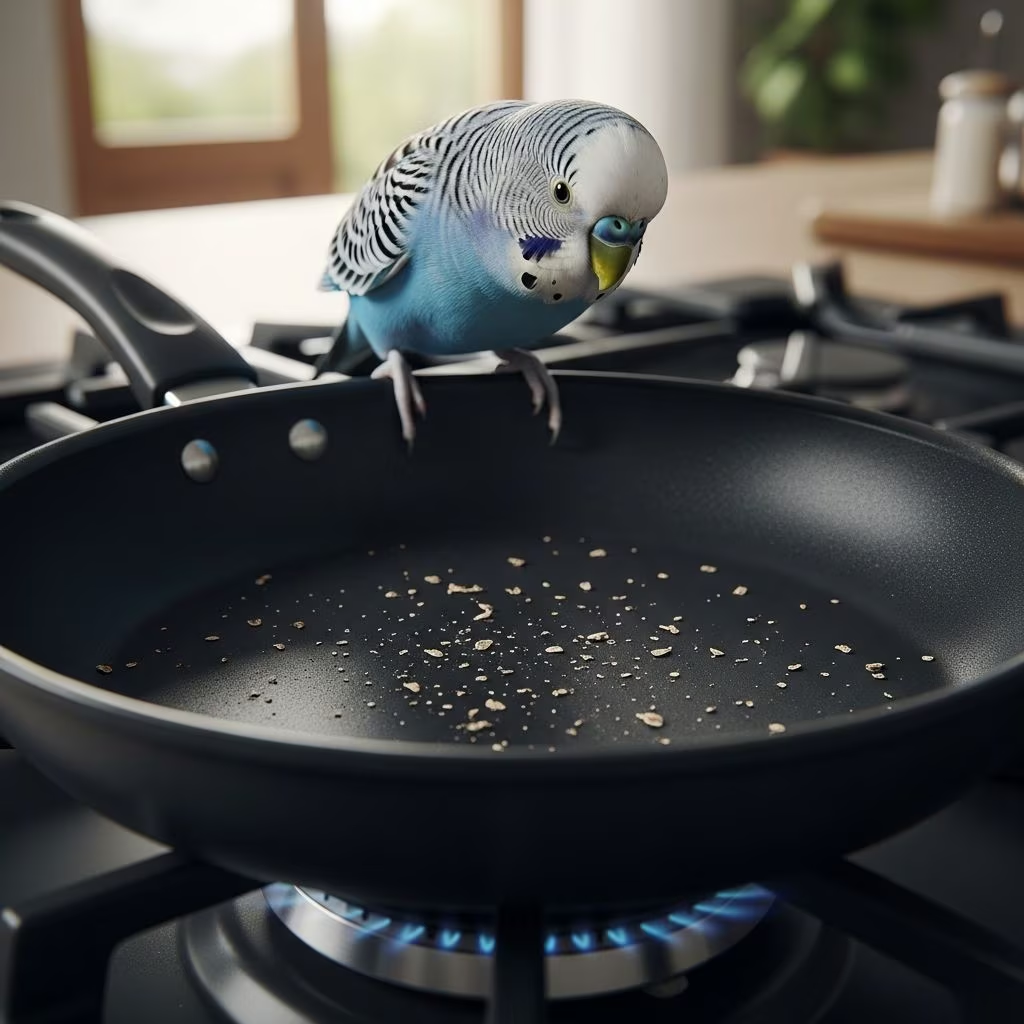
Bird-Safe Cookware: Is There a Killer in Your Kitchen?
When you bring a feathered companion into your home, you make a commitment to their safety and well-being. Most bird owners are careful about what they feed their pets and how they handle them, but many overlook one of the most significant hazards lurking in their kitchens: non-stick cookware. The truth is that your everyday cooking pans could be silently threatening your bird’s life. Understanding the dangers of certain cookware materials and knowing which options are safe can mean the difference between a healthy bird and a tragic accident.
The Hidden Danger: Teflon and PTFE
Teflon, the brand name for polytetrafluoroethylene (PTFE), has been a kitchen staple for decades. This non-stick coating makes cooking and cleanup easier for millions of people worldwide. However, what makes Teflon convenient for humans can be catastrophically dangerous for birds. The problem lies in what happens when Teflon-coated cookware is overheated.
When Teflon reaches high temperatures, typically around 500 to 700 degrees Fahrenheit, the coating begins to break down and release fumes into the air. These fumes are extremely toxic to birds, causing a condition known as Teflon poisoning or polymer fume fever. The insidious nature of this toxin is that it acts silently—birds may show no warning signs before respiratory failure occurs.
Birds have fundamentally different respiratory systems compared to mammals. Their lungs are far more efficient at extracting oxygen, which unfortunately also means they absorb toxins more readily and more severely. A parrot exposed to Teflon fumes can die within minutes, sometimes before an owner even realizes something is wrong. This makes Teflon cookware one of the most dangerous items a bird owner can have in their home.
Why Birds Are So Vulnerable
The avian respiratory system is uniquely susceptible to airborne toxins. Unlike human lungs, which are simple sacs, bird lungs are connected to a series of air sacs that create a unidirectional flow of air. This system is incredibly efficient for oxygen extraction but creates a critical vulnerability: toxins can bypass natural filtering mechanisms and reach the lung tissue almost immediately.
Additionally, birds have a faster metabolism than mammals of similar size, meaning they process both oxygen and toxins more rapidly. What might cause mild symptoms in a human can be fatal to a bird. This is why even brief exposure to Teflon fumes at high temperatures can result in sudden death in pet birds.
The danger extends beyond just Teflon cookware. Many kitchen appliances use non-stick coatings, including space heaters, hair dryers, some stove tops, bread makers, griddles, and even some oven liners. These devices can all pose similar risks if they overheat or malfunction.
PFOA and Other Toxic Chemicals
While PTFE is the primary concern for acute toxicity to birds, the dangers of non-stick cookware extend further. Perfluorooctanoic acid (PFOA) is a chemical historically used in the manufacturing process of Teflon. Although manufacturers have phased out PFOA in newer cookware, many older pans still contain it. Both PTFE and PFOA can accumulate in the body over time and cause long-term health effects.
Beyond Teflon, some cookware may contain lead, cadmium, nickel, or other heavy metals that can leach into food or air when heated. These toxins can cause chronic health problems in birds, including organ damage, neurological issues, and suppressed immune function. This is why choosing truly safe cookware requires careful consideration of the materials and manufacturing processes involved.
Safe Cookware Options for Bird Owners
The good news is that there are plenty of safe alternatives to Teflon-coated cookware. Bird owners can choose from several materials that don’t release toxic fumes when heated:
Stainless Steel
Stainless steel is one of the most popular and reliable choices for bird-safe cookware. This durable material doesn’t release harmful fumes at any normal cooking temperature and can withstand high heat without degrading. While stainless steel cookware requires slightly more technique to prevent sticking (such as preheating the pan and using adequate fat), many cooks prefer it for its versatility and longevity. Stainless steel pans are also relatively affordable and widely available.
Cast Iron
Cast iron is another excellent bird-safe option. These heavy-duty pans have been used for generations and can last a lifetime with proper care. Cast iron develops a natural non-stick patina over time, and it distributes heat evenly for excellent cooking results. However, cast iron requires more maintenance than other options, including seasoning and careful drying to prevent rust.
Glass Cookware
Glass cookware is completely safe for use around birds. Glass doesn’t react with food, doesn’t release fumes, and is easy to clean. The main drawback is that glass heats more slowly than metal and can be fragile if dropped. Glass lids on pots are particularly useful since they allow you to monitor cooking without removing the lid.
Aluminum
Plain aluminum cookware, without any non-stick coating, is considered safe for birds. Anodized aluminum (aluminum that has been treated with an electrical process to harden the surface) should be avoided, as the anodization process can create a surface that degrades when exposed to acidic foods. However, regular aluminum cookware is safe and lightweight, making it convenient for many cooks.
CorningWare and Ceramic-Coated Cookware
CorningWare and similar ceramic cookware are safe for birds, provided they are in good condition. Ceramic-coated pans with mineral-based coatings are designed to be non-toxic and don’t release harmful fumes when used properly. However, it’s essential to avoid overheating ceramic cookware, as extreme temperatures can compromise the coating. Regularly inspect ceramic pans for cracks or chips, as damaged cookware can become hazardous.
Enamel-Coated Cookware
Enamel-coated cookware, such as Le Creuset, is bird-safe when the enamel is intact. Enamel is a glass-like coating applied to metal, typically cast iron, and provides a non-stick surface without toxic chemicals. However, chipped or cracked enamel should be reason to replace the cookware, as exposed metal beneath can corrode or react with food.
Copper-Clad Stainless Steel
Copper-clad stainless steel cookware combines the benefits of both materials. These pans have a layer of copper sandwiched between stainless steel layers, which improves heat distribution while maintaining the safety of stainless steel. They’re more expensive than basic stainless steel but offer enhanced cooking performance.
Safe Cooking Practices for Bird Owners
Choosing safe cookware is only part of the equation. How you use that cookware matters equally for your bird’s safety. Here are essential practices to follow:
Keep Birds Out of the Kitchen While Cooking
The safest approach is to keep your bird out of the kitchen during meal preparation and cooking. Even with safe cookware, the heat, steam, and occasional splatters of hot liquid present risks. Move your bird to another room where they can’t be exposed to cooking fumes or accidents.
Never Preheat Cookware on High Heat
Even if you’re using safe cookware, overheating can still be dangerous. Never preheat pans on high heat settings. Instead, use medium or medium-low heat, which is sufficient for most cooking tasks and eliminates the risk of releasing any harmful fumes.
Don’t Leave Heated Cookware Unattended
Unattended cookware that overheats is one of the leading causes of Teflon poisoning in birds. Make it a rule to never leave the stove unattended when cooking. Stay in the kitchen and monitor your pans throughout the cooking process.
Ensure Proper Ventilation
Always open a window or turn on the exhaust fan when cooking. Good ventilation helps disperse any cooking fumes and keeps the air in your home fresher for both you and your bird. This is especially important when cooking at higher temperatures or preparing aromatic foods.
Avoid Self-Cleaning Ovens
Self-cleaning ovens reach extremely high temperatures and release fumes that can be toxic to birds, even if you don’t use Teflon cookware. When using a self-cleaning oven, ensure your bird is in a completely different area of the house with closed doors between them and the kitchen.
Be Cautious with Burned Food
Burned food can release harmful substances into the air, regardless of your cookware type. Always cook on low to medium heat and avoid burning anything in your pans. If you do accidentally burn food, immediately move your bird away from the kitchen and ensure adequate ventilation.
Cookware Comparison Table
| Cookware Type | Bird Safety | Heat Tolerance | Maintenance | Cost |
|---|---|---|---|---|
| Stainless Steel | Safe | Excellent | Low | Moderate |
| Cast Iron | Safe | Excellent | High | Low |
| Glass | Safe | Good | Low | Low |
| Ceramic-Coated | Safe (if maintained) | Good | Moderate | Moderate |
| Enamel-Coated | Safe (if intact) | Good | Low | Moderate to High |
| Aluminum | Safe | Good | Low | Low |
| Teflon/Non-Stick | Unsafe | Poor | Low | Low |
Other Kitchen Hazards Beyond Cookware
While cookware is the primary concern, bird owners should be aware that non-stick coatings exist on many other kitchen appliances and items. Space heaters placed in kitchens or near birds, hair dryers, certain stove models, bread makers, waffle irons, griddles, hot air popcorn poppers, and even some oven liners contain non-stick surfaces. Before bringing any new appliance into your home, research whether it has a non-stick coating. If it does, keep it away from your bird or avoid it altogether.
Frequently Asked Questions
Q: Can birds survive Teflon fume exposure?
A: Most birds cannot survive acute Teflon fume exposure. Death typically occurs within minutes of exposure to concentrated fumes. Some birds may survive mild exposure and show signs of respiratory distress, but they may have lasting lung damage.
Q: Are all non-stick pans dangerous to birds?
A: Most traditional non-stick pans with PTFE coatings are dangerous. However, some newer ceramic-coated non-stick cookware without PTFE is considered safer for birds, provided it’s maintained properly and not overheated.
Q: What should I do if my bird is exposed to Teflon fumes?
A: Immediately move your bird to fresh air and contact an avian veterinarian or emergency veterinary clinic. Time is critical, and emergency treatment may be necessary.
Q: Is stainless steel cookware truly bird-safe?
A: Yes, stainless steel is considered one of the safest cookware options for birds. It doesn’t release toxic fumes and is durable and long-lasting.
Q: How can I make the switch to bird-safe cookware on a budget?
A: Start by replacing the pans you use most frequently. Basic stainless steel or aluminum cookware is affordable and widely available. You can also check thrift stores or online marketplaces for good-quality used cookware.
Q: Do I need to replace all my kitchen appliances?
A: No, focus on items that get heated regularly or reach high temperatures. Cookware is the primary priority. For appliances like space heaters or hair dryers with non-stick coatings, keep them out of areas where your bird spends time.
Making the Switch: A Practical Guide
If you’re currently using Teflon cookware and want to transition to bird-safe options, you don’t need to replace everything immediately. Start with the pans you use most frequently, such as your everyday frying pan or saucepan. Consider your cooking style and needs when choosing replacements. If you enjoy non-stick convenience, ceramic-coated cookware may be the best compromise, though stainless steel offers superior safety and longevity.
Many bird owners who have made the switch report that they’ve also noticed personal health benefits. Since PTFE and PFOA can accumulate in the human body over time, switching to safer cookware is beneficial for your entire household.
Conclusion
Your pet bird depends on you to keep them safe, and that responsibility extends to every corner of your home, especially the kitchen. While Teflon-coated cookware may seem convenient, the risk to your bird’s life is simply not worth the minor convenience. By investing in bird-safe cookware such as stainless steel, cast iron, glass, or ceramic-coated options, and by following proper cooking safety practices, you can eliminate one of the most significant hazards in your home. Your feathered friend will thank you with years of happy, healthy companionship.
References
- Best Non-Toxic, Non-Stick Bird Safe Cookware — Natalie in the City. 2022-04-10. https://natalieinthecity.com/caraway-non-toxic-non-stick-parrot-safe-cookware/
- Parrots In The Kitchen – Bird Safe Cooking Pans — Parrot Essentials. https://parrotessentials.co.uk/blog/parrots-in-the-kitchen-bird-safe-cooking-pans
- Bird Safety Corner – Kitchen, Part 3 — The Parrot Club. https://www.cafabirdclub.org/safetycorner/Safety_Corner_Kitchen_Pt_3.pdf
- Bird Safe Cookware And Materials Guide — Bird Care Resources. https://docs.google.com/document/d/1Zd3NPQcgDFB5W7c_FL-L5zIxm5x0Awi1lL0MVeE25iU/
- Teflon™ Cookware and Bird Safety — Teflon Official. https://www.teflon.com/en/consumers/teflon-coatings-cookware-bakeware/safety/bird-safety



