

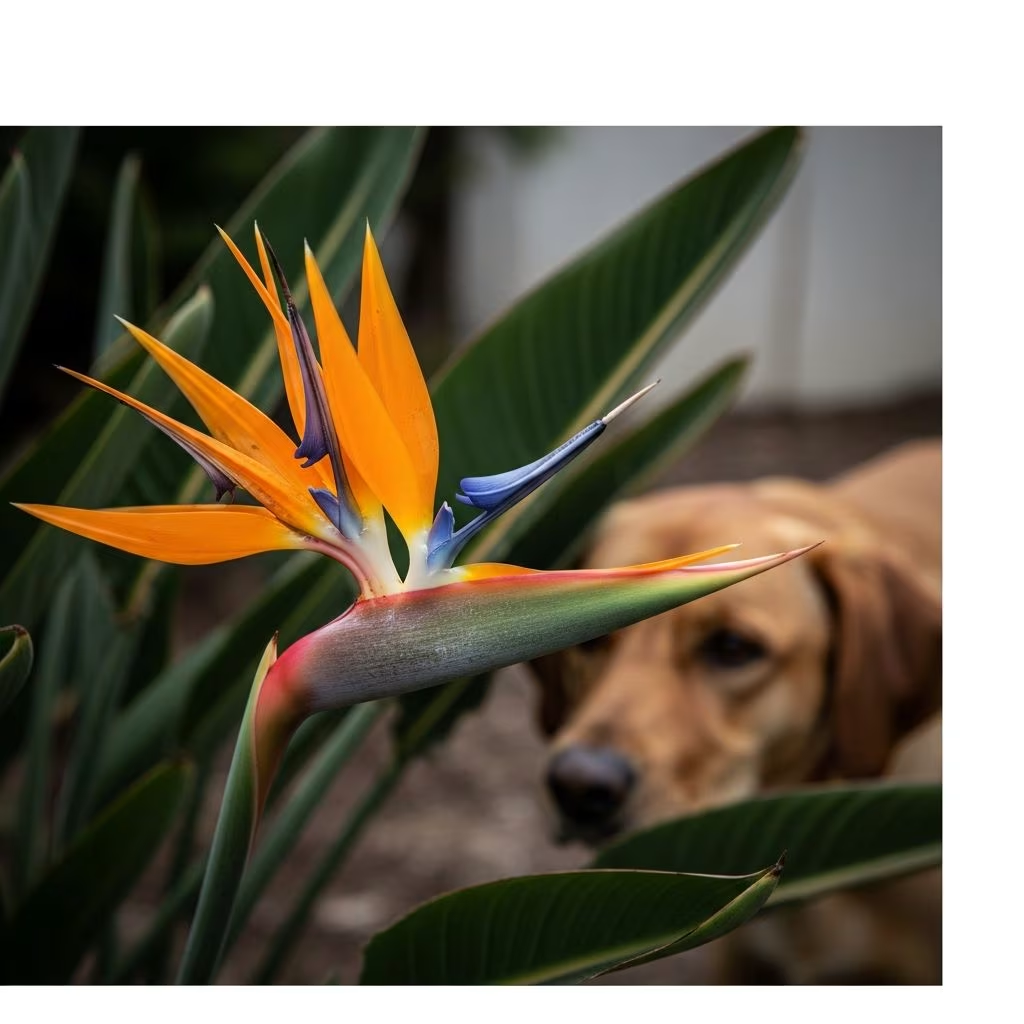
Beautiful tropical plants like Bird of Paradise add vibrant appeal to homes and gardens, but they carry hidden dangers for dogs. These plants, known scientifically as Strelitzia reginae, contain irritants that can cause gastrointestinal distress and other issues if chewed or ingested by pets.
Understanding the Bird of Paradise Plant
Bird of Paradise features striking orange and blue flowers atop long stalks, mimicking a bird in flight, with large, banana-like leaves. Growing up to 5 feet tall, it’s popular as both an indoor houseplant and outdoor ornamental in warmer climates. While visually stunning, its appeal to curious dogs makes it a concern for pet owners.
- Native origins: Originating from South Africa’s coastal regions, it thrives in bright light and well-drained soil.
- Common varieties: Includes Strelitzia reginae (dwarf) and Strelitzia nicolai (giant white-flowered type).
- Growth habits: Fast-growing with minimal care needs, making it a favorite for beginners.
Distinguish it from more toxic look-alikes like Caesalpinia gilliesii, which poses greater risks.
Why Is Bird of Paradise Harmful to Canines?
The plant’s toxicity stems from sharp, needle-like raphides—calcium oxalate crystals—in its leaves, stems, flowers, and seeds. When dogs chew them, these crystals penetrate mouth tissues, causing pain and inflammation. Ornamental fibers may also irritate the digestive tract.
| Plant Part | Toxicity Level | Primary Effects |
|---|---|---|
| Leaves | Mild | Oral irritation, drooling |
| Flowers/Seeds | Higher | Vomiting, drowsiness |
| Stems | Mild | GI upset |
Ingestion triggers mechanical irritation rather than systemic poisoning, but symptoms can mimic severe issues.
Recognizing Signs of Poisoning
Dogs often nibble plants out of boredom or curiosity, leading to quick onset of symptoms, usually within hours. Monitor for these indicators:
- Mouth and throat issues: Excessive drooling, pawing at mouth, redness or swelling.
- Stomach problems: Repeated vomiting, watery diarrhea, loss of appetite.
- Behavioral changes: Lethargy, weakness, unsteadiness (ataxia), drowsiness.
- Less common: Dehydration from fluid loss, mild fever.
Symptoms are typically mild and resolve without intervention, but large quantities can worsen outcomes. Puppies and small breeds face higher risks due to size.
What to Do If Your Dog Ingests Bird of Paradise
Act swiftly upon suspicion:
- Remove access: Prevent further chewing and clear plant debris.
- Examine mouth: Rinse gently with water if crystals are visible; avoid forcing.
- Contact professionals: Call vet, ASPCA Poison Control (888-426-4435), or Pet Poison Helpline (855-764-7661). Provide plant details and amount ingested.
- Monitor closely: Note symptom progression; withhold food temporarily.
Do not induce vomiting without guidance, as it may increase irritation.
Veterinary Interventions and Recovery
Treatment focuses on symptom relief:
- Supportive care: IV fluids for hydration, anti-nausea meds like maropitant.
- Pain management: Local anesthetics for mouth sores.
- Diagnostics: Bloodwork to rule out complications, X-rays if obstruction suspected.
Most dogs recover in 24-48 hours with home care or outpatient visits. Severe cases may need hospitalization. Prevention trumps treatment for long-term safety.
Safe Plant Alternatives for Dog-Friendly Homes
Opt for non-toxic greenery to maintain aesthetics without risks:
| Safe Plant | Benefits | Care Level |
|---|---|---|
| Spider Plant | Air-purifying, dangling foliage | Easy |
| Boston Fern | Lush, humidity-loving | Moderate |
| Parlor Palm | Tall, elegant, shade-tolerant | Easy |
| Calathea | Colorful leaves, low light | Moderate |
| Areca Palm | Bamboo-like, pet-safe | Easy |
Verify with ASPCA’s non-toxic list before purchase.
Preventing Plant-Related Mishaps
Proactive steps safeguard your dog:
- Elevate plants: Use high shelves, hanging baskets, or room dividers.
- Train commands: Teach “leave it” with positive reinforcement.
- Supervise outdoors: Fence off garden areas with toxic plants.
- Enrich environment: Provide chew toys, puzzle feeders to curb boredom.
- Dog-proof gardens: Choose pet-safe mulch, avoid pesticides.
Regular yard audits catch hazards early.
Broader Risks from Common Household Plants
Bird of Paradise isn’t alone; many popular plants threaten dogs:
- Sago Palm: Liver failure from cycasin.
- Azalea: Heart issues from grayanotoxins.
- Foxglove: Cardiac arrhythmias.
- Ivy: Saponins causing GI pain.
Awareness prevents multiple exposures.
FAQs on Bird of Paradise and Dogs
Is Bird of Paradise fatal to dogs?
Rarely; toxicity is mild, with no reported deaths from typical ingestions.
How much plant is dangerous?
Even small amounts irritate; flowers/seeds are riskiest.
Can symptoms appear immediately?
Yes, oral signs within minutes; GI effects in 1-4 hours.
Should I remove the plant entirely?
If feasible, yes; otherwise, secure it beyond reach.
What if my dog ate it yesterday?
Seek vet advice if symptoms persist or worsen.
Long-Term Pet Safety Strategies
Beyond plants, holistic approaches ensure safety:
- Pet insurance covering toxicoses.
- Emergency kit with vet contacts, hydrogen peroxide (guided use).
- Annual toxinology workshops for owners.
Knowledge empowers confident pet parenting.
References
- Bird of Paradise Is Toxic To Dogs — Pet Poison Helpline. Accessed 2026. https://www.petpoisonhelpline.com/poison/bird-of-paradise/
- Bird of Paradise Plants & Pet Safety — Animal Poisons Helpline. Accessed 2026. https://www.animalpoisons.com.au/news/birds-of-paradise/
- The Top 28 Plants + Flowers Toxic and Poisonous to Dogs — Bella & Duke. Accessed 2026. https://www.bellaandduke.com/dogs/expert-advice/dog-health/dangerous-toxic-plants-for-dogs/
- Bird of Paradise Flower — ASPCA. Accessed 2026. https://www.aspca.org/pet-care/aspca-poison-control/toxic-and-non-toxic-plants/bird-paradise-flower



