
Bird Nutrition Essentials: Complete Feeding Guide For Health
Master the art of feeding pet and zoo birds for optimal health, vitality, and longevity through balanced diets and smart supplementation.
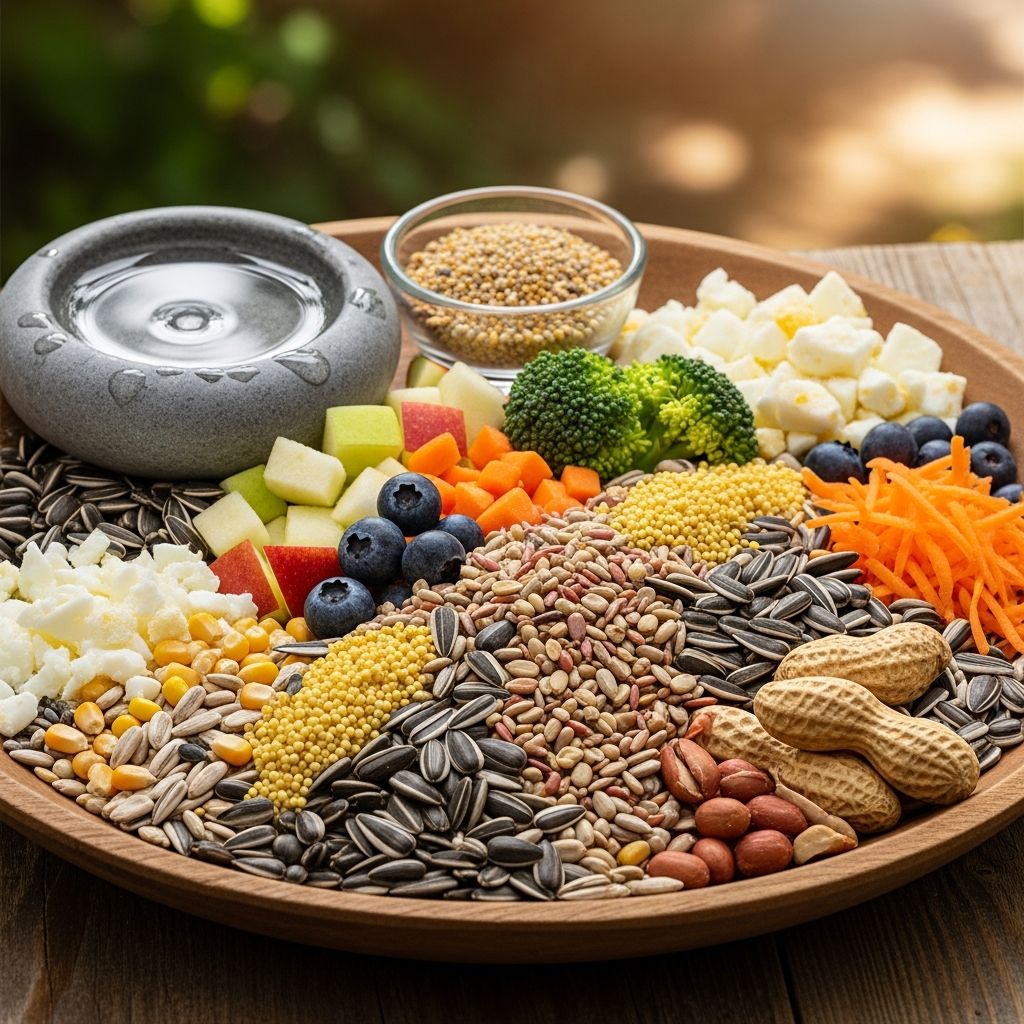
Proper nutrition forms the cornerstone of health for pet birds, zoo specimens, and wild aviaries alike. While exact requirements vary by species, a balanced approach emphasizing formulated feeds, fresh produce, and targeted supplements prevents common issues like obesity, feather problems, and metabolic disorders.
Why Nutrition Matters for Avian Health
Birds in captivity often face dietary challenges absent in the wild, where they forage diverse foods. Inadequate intake leads to 80-90% of diseases linked to nutrition deficits, including vitamin shortages and excess fats from seed-heavy diets. High-fat seeds like sunflower or safflower exacerbate obesity and liver strain, while lacking key nutrients such as calcium, iodine, and amino acids.
Formulated pellets address these gaps by providing complete profiles tailored to life stages and activities. Active birds, breeders, or molting individuals demand higher energy and protein, underscoring the need for customized plans. Regular veterinary assessments ensure diets evolve with the bird’s needs.
Core Components of a Balanced Avian Diet
Avoid all-seed regimens; instead, prioritize variety. Pellets should dominate, supplemented by perishables for enrichment and micronutrients.
- Pellets (50-80% of diet): These lab-formulated bases deliver balanced macros and micros. For parrots, aim for 70%; cockatiels and budgies, 50% to mitigate kidney risks.
- Fresh Fruits and Vegetables (20-25%): Offered twice daily, these supply carbs, vitamins, and hydration. Wash thoroughly; rotate to prevent boredom.
- Proteins (10-20%): Essential for growth and repair, sourced from cooked eggs, lean meats, tofu, or beans. Limit dairy for obese birds.
- Seeds and Nuts (under 20%, ideally 5%): Treats only, favoring grains like millet over oily varieties.
- Grains and Breads (10-15%): Whole-grain options provide B vitamins and sustained energy.
Recommended Daily Portions by Species
| Species Group | Pellets | Table Foods | Seeds/Nuts | Notes |
|---|---|---|---|---|
| Most Parrots (e.g., Amazons) | 70% | 25% | 5% | Higher fat for macaws |
| Cockatiels/Budgies | 50% | 25% | 25% | Limit pellets for kidney health |
| Finches/Canaries | 50% | 25% | 25% | Grain-heavy seeds okay |
| African Greys | 70-80% | 20% | <5% | Extra calcium mandatory |
Safe and Beneficial Fruits and Vegetables
Incorporate a rainbow of produce for antioxidants and fiber. Feed raw or lightly cooked to retain nutrients.
- Vegetables: Dark leafy greens (kale, collards, dandelion), broccoli, carrots, sweet potatoes, peppers, green beans, squash.
- Fruits: Apples, berries, melons, bananas, pears, oranges (no pits/seeds).
Juicy fruits increase urine output harmlessly but monitor for diarrhea if overfed. Avoid avocados, chocolate, onions, and caffeine.
Protein Sources and Preparation Tips
Proteins fuel muscle maintenance and egg production. Offer twice daily, discarding leftovers promptly to avoid spoilage.
- Cooked eggs (hard-boiled, chopped).
- Lean cooked meats (chicken, turkey).
- Legumes (beans, lentils, thawed frozen).
- Tofu or low-fat cheese (sparingly).
For a staple mix: Combine cooked brown rice, thawed beans, mixed veggies (with corn), and pellets (50-66% of ration). Freeze portions for convenience.
Supplementation Strategies
Pellet-dominant diets (over 50%) rarely need vitamins, but seed-fed birds require daily boosts.
- Vitamins: Powder on moist foods, not seeds or water (promotes bacteria). Skip if pellets exceed 70% to avoid toxicity.
- Calcium: Critical for greys, layers. Provide cuttlebone, oyster shell, mineral blocks, or crushed eggshells. Tums (no xylitol) as occasional treat.
- Iodine for Parakeets: Via mineral sources.
- Grit: Optional for seed-eaters; aids digestion.
Water changes daily; unclean vessels breed pathogens.
Species-Specific Nutritional Adjustments
Not all birds fit generic molds. Tailor for physiology and activity.
- Lories/Toucan/Mynahs: Low-iron formulas to prevent toxicity.
- Breeding Birds: Boost protein/energy; extra calcium pre-lay.
- Molting/Active Birds: Higher fats/proteins.
- Obese Birds: Cut eggs/cheese/seeds; emphasize veggies.
Transitioning to Optimal Diets
Sudden changes cause refusal. Gradual shifts over weeks succeed.
- Mix pellets with favored seeds initially.
- Soak pellets in juice for appeal.
- Offer as mash with veggies.
- Use treats like nuts for training.
- Praise acceptance; patience key.
Crackers or bread occasionally motivate wary eaters.
Common Dietary Pitfalls and Solutions
| Problem | Causes | Solutions |
|---|---|---|
| Obesity | Excess seeds/fats | Seeds as <10/day; more veggies |
| Feather Plucking | Nutrient gaps | Balanced pellets + supplements |
| Soft Eggs/Egg Binding | Calcium deficiency | Constant access to sources |
| Diarrhea | Too much fruit | Balance with fibers |
Monitoring and Veterinary Integration
Weigh monthly; track droppings (firm, green). Annual vet exams refine diets, especially for exotics. Bloodwork detects imbalances early.
Frequently Asked Questions (FAQs)
Can birds eat bread?
Yes, whole-grain sparingly (10-15%) for B vitamins.
Is grit necessary?
For seed diets; pellet-fed birds self-regulate.
How much seed is too much?
No more than 20%; treat-level best.
What about fruit juices?
Occasional soak for pellets; not daily water.
Do supplements go in water?
No; fosters bacteria. Use on food.
Long-Term Benefits of Proper Feeding
Balanced nutrition extends lifespan, enhances plumage, boosts immunity, and eases breeding. Invest time in diet for a thriving companion.
References
- 2-Birds-Nutrition.pdf — Ness Exotic Wellness Center. 2022-04. https://nessexotic.com/wp-content/uploads/2022/04/2-Birds-Nutrition.pdf
- Bird Nutrition | Bird Feeding Tips — Avian and Animal Hospital. Accessed 2026. https://www.avianandanimal.com/bird-nutrition.html
- Avian Nutrition Guidelines — Buffalo Bird Nerd / Laura Wade, DVM. 2008. https://www.buffalobirdnerd.com/storage/app/media/Avian_nutrition_guidelines.pdf
- Nutrition in Birds — Merck Veterinary Manual. Accessed 2026. https://www.merckvetmanual.com/management-and-nutrition/nutrition-exotic-and-zoo-animals/nutrition-in-birds
- Exotic Pet Nutrition Guide — Oldetowne Animal Hospital. Accessed 2026. https://www.oldetowneanimalhosp.com/exotic-pet-nutrition-tips/
Similar Articles








Read full bio of medha deb


