

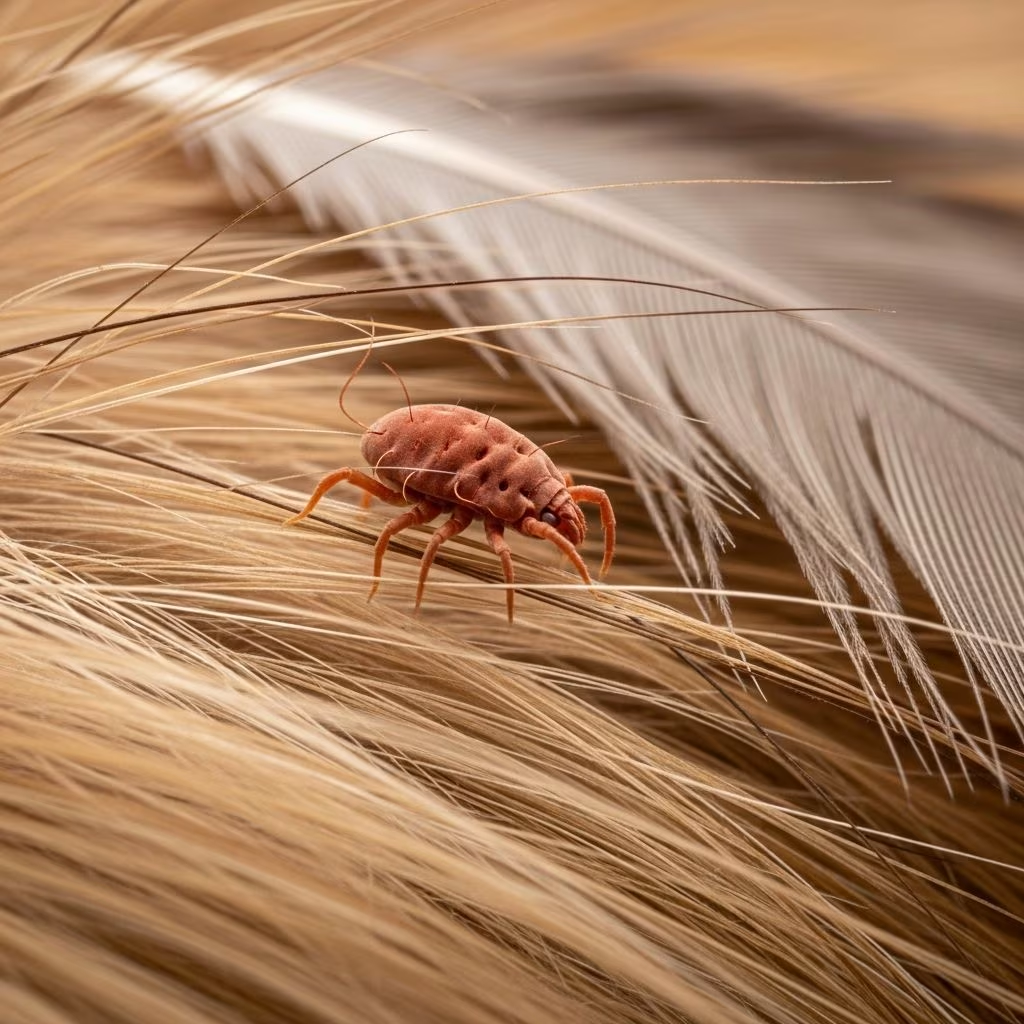
Pet owners often wonder about the various parasites that can affect their dogs, and one question that frequently arises is whether bird mites pose a threat to canine companions. While these tiny arthropods are primarily associated with avian species, the reality is more complex. Bird mites can indeed interact with dogs in ways that may cause discomfort and health concerns. Understanding the relationship between bird mites and dogs is essential for maintaining your pet’s well-being, especially if you live in proximity to bird populations or keep birds as pets alongside dogs.
Understanding Bird Mites and Their Nature
Bird mites are microscopic parasites that typically inhabit the feathers and skin of various bird species. These parasites have adapted to feed on avian blood and exist within the complex ecosystem of bird plumage. However, their opportunistic nature means they don’t exclusively target birds. When bird populations are present nearby—whether wild birds nesting in roof spaces, abandoned nests, or pet birds kept indoors—these mites can migrate to other hosts, including household pets and humans.
The life cycle of bird mites involves several stages of development. Female mites lay eggs in cracks and crevices near bird nesting areas. These eggs hatch into larvae, which progress through nymphal stages before becoming adults. Throughout this developmental process, mites require a blood meal to advance to the next stage. When birds are unavailable or mite populations become overcrowded, these parasites actively seek alternative hosts.
Can Dogs Actually Contract Bird Mites?
The short answer is yes—bird mites can bite dogs, though they cannot establish permanent colonies on canine hosts the way they do on birds. Unlike parasites specifically adapted to dogs, such as sarcoptic or demodectic mites, bird mites are generalist feeders that will bite dogs opportunistically. This distinction is important because it means your dog may experience bites and irritation without developing a sustained infestation that reproduces on the dog’s body.
When bird mites encounter dogs, they attempt to feed by piercing the skin and drawing blood. This feeding behavior can cause immediate physical responses in your dog, including discomfort, itching, and localized inflammation. The severity of these reactions depends on several factors, including the number of mites present, your dog’s individual sensitivity, and the frequency of exposure.
Recognizing Bird Mite Bites on Your Dog
Identifying bird mite bites on your dog requires careful observation, as the symptoms can resemble other common canine skin conditions. Being familiar with these signs allows you to distinguish bird mite exposure from allergies, fleas, or other parasitic infections.
Physical Symptoms and Skin Manifestations
- Localized skin irritation: Small red areas may appear where mites have fed, often appearing as tiny bumps or welts on less-furred areas of the body
- Itching and scratching: Your dog may scratch excessively at affected areas, potentially leading to secondary skin damage and infection
- Warm skin: Bite sites may feel warm to the touch due to localized inflammation and immune response
- Discharge or crusting: In some cases, bite sites may develop scabs or minor discharge if secondary infection occurs
- Hair loss: Excessive scratching can lead to alopecia in localized areas, revealing the underlying skin damage
Behavioral Changes
Beyond physical symptoms, dogs experiencing bird mite bites often display behavioral changes. You may notice your dog becoming restless, particularly during nighttime hours when bird mites are most active. Dogs may spend considerable time licking, biting, or scratching at their skin in attempt to relieve discomfort. Some dogs exhibit increased anxiety or agitation, as the persistent itching creates significant discomfort.
Factors That Increase Your Dog’s Risk
Certain situations and environmental conditions make dogs more susceptible to bird mite exposure. Understanding these risk factors helps you take preventive measures appropriate to your circumstances.
| Risk Factor | Description | Prevention Strategy |
|---|---|---|
| Proximity to bird nests | Dogs living near active bird nesting areas face greater exposure risk | Seal entry points, remove nests from structures, maintain distance |
| Pet birds in the home | Keeping caged birds indoors creates a direct mite source | Regular bird health checks, cage maintenance, separate dog areas |
| Wild bird feeders | Backyard bird feeders attract wild birds that may harbor mites | Position feeders away from dog areas, clean feeders regularly |
| Access to wildlife areas | Dogs with outdoor access in regions with high wild bird populations | Limit yard time during peak mite season, inspect dogs after outdoor time |
| Rodent infestations | Rodents can carry mites from birds, increasing indirect exposure | Implement rodent control measures in and around the home |
Health Complications Beyond Bites
While bird mites cannot establish breeding populations on dogs, the concern extends beyond simple bites. Bird mites have demonstrated potential as vectors for zoonotic diseases—illnesses that can transmit between animal species and potentially to humans. This role as disease vectors means that bird mite exposure could theoretically introduce pathogens into your dog’s body, leading to more serious health consequences than the direct irritation from bites.
Additionally, dogs that scratch excessively at mite bites create open wounds vulnerable to bacterial infection. These secondary infections can develop into more serious dermatological conditions requiring medical intervention. In dogs with compromised immune systems, elderly dogs, or puppies, such complications become particularly concerning.
Distinguishing Bird Mites from Other Canine Parasites
Accurate identification of the parasitic problem affecting your dog is crucial for appropriate treatment. Bird mite exposure requires different management approaches than other common canine parasites.
Comparison with Common Canine Mites
Sarcoptic mites and demodectic mites are the primary parasites that establish actual infestations on dogs. These mites burrow into the skin or live within hair follicles, creating persistent infestations that worsen over time without treatment. Bird mites, by contrast, cannot establish this type of parasitic relationship with dogs. They feed opportunistically but cannot reproduce on the dog’s body.
Flea infestations present another common comparison point. While both fleas and bird mites cause itching and skin irritation, fleas typically create more systematic infestations and leave visible flea dirt in the coat. Bird mite bites tend to be more sporadic and concentrated in areas where the dog encountered the mites.
Effective Management and Prevention Strategies
Protecting your dog from bird mite exposure involves a multi-faceted approach addressing both the environment and direct prevention measures.
Environmental Management
- Eliminate bird nesting sites: Seal roof vents, remove old nests, and install bird netting in vulnerable areas of your home
- Maintain distance from bird feeders: Position outdoor bird feeders away from areas where your dog spends time
- Regular cleaning: Keep dog bedding, toys, and resting areas clean, washing them regularly at hot temperatures
- Monitor pet birds: If you keep birds indoors, maintain strict cage hygiene and have birds regularly examined by an avian veterinarian
- Pest control: Address rodent populations that may carry mites from birds
Direct Protection Measures
When bird mite exposure is likely in your area, additional precautions can reduce your dog’s risk. Limiting outdoor exposure during peak mite season (typically spring and summer) helps minimize contact opportunities. After outdoor time in high-risk areas, thoroughly inspect your dog’s skin and coat for signs of mites or bites. Regular bathing with appropriate dog-specific shampoos can remove mites that have contacted your dog’s fur before they have opportunity to bite.
Treatment Options When Your Dog Is Affected
If your dog shows signs of bird mite bites, consulting with a veterinarian is the appropriate first step. A veterinarian can confirm bird mite exposure, rule out other parasitic conditions, and recommend suitable treatment approaches.
Veterinary Treatment Approaches
For confirmed bird mite bites, veterinarians may recommend topical treatments to relieve itching and inflammation. Mild steroid creams or antihistamine treatments can reduce the discomfort associated with bites and prevent excessive scratching that leads to secondary infections. If secondary bacterial infection has developed, your veterinarian may prescribe antibacterial treatments.
Systemic antiparasitic medications may be considered in cases of significant exposure or if your dog has concurrent parasitic conditions. These medications address not only bird mites but also other parasites that might be contributing to your dog’s discomfort.
Supportive Care
While treating the immediate effects of mite bites, managing the itching becomes essential to prevent self-inflicted damage. Maintaining a clean environment, providing cool baths with gentle dog-appropriate products, and using soft bedding all contribute to your dog’s comfort during recovery. Preventing your dog from excessive scratching protects the skin from deterioration and secondary infection.
Frequently Asked Questions
Can bird mites live permanently on my dog?
No, bird mites cannot establish permanent colonies or breeding populations on dogs. They may bite and feed temporarily, but dogs lack the specific feather structure and skin conditions that allow mite reproduction. The mites will eventually die without access to their preferred avian hosts.
How long do bird mite bites take to heal?
Uncomplicated bird mite bites typically resolve within several days to a few weeks, depending on the extent of irritation and your dog’s healing capacity. If secondary infection develops, healing may take considerably longer and require medical intervention.
Are bird mites contagious between dogs?
Bird mites are not contagious between dogs in the way that sarcoptic mites are. Since bird mites cannot establish infestations on canine hosts, they cannot spread from one dog to another through direct contact. However, if both dogs are exposed to the same bird mite source, they could both experience bites independently.
What time of year are bird mites most active?
Bird mites are typically most active during warmer months, particularly spring and summer, when bird populations are breeding and nesting. However, they can remain active year-round in warm indoor environments where pet birds are kept.
Should I be concerned about bird mites affecting my family?
While bird mites do bite humans and can cause temporary itching and irritation, they cannot establish infestations on people any more than they can on dogs. However, addressing bird mite problems in your home benefits everyone by eliminating the source of potential bites.
When to Seek Professional Help
Certain situations warrant professional veterinary consultation without delay. If your dog develops extensive irritation that doesn’t improve within a few days, shows signs of secondary infection with discharge or swelling, or exhibits behavioral changes suggesting significant discomfort, scheduling a veterinary appointment becomes important. Your veterinarian can properly diagnose the condition and prescribe appropriate treatments.
Additionally, if you suspect bird mite infestations in your home affecting multiple family members or pets, professional pest control services may be necessary to eliminate the source. Identifying and addressing the underlying bird mite population prevents ongoing exposure to all household members.
Conclusion: Protecting Your Canine Companion
While bird mites primarily target avian species, their opportunistic feeding behavior means dogs may experience bites and temporary irritation from these parasites. Understanding the nature of bird mites, recognizing symptoms of exposure, and implementing appropriate prevention and management strategies protects your dog from discomfort and potential complications. By maintaining awareness of environmental risk factors, practicing good hygiene and pest management, and seeking veterinary care when needed, you can minimize your dog’s exposure to bird mites and maintain optimal skin and coat health. Through informed vigilance and proactive management, bird mite exposure remains a manageable concern rather than a significant threat to your dog’s wellbeing.
References
- How To Get Rid of Bird Mites: Signs, Treatment, and Prevention — Chewy Education (BeChewy). 2024. https://www.chewy.com/education/bird/health-and-wellness/pet-bird-mites-and-symptoms
- How Can I Tell If My Bird Has Mites? — Jeffers Pet. 2024. https://jefferspet.com/blogs/livestock/how-can-i-tell-if-my-bird-has-mites
- What to Know About Bird Mites — WebMD Pets. 2024. https://www.webmd.com/pets/what-to-know-bird-mites
- Bird mites: what you can do — Zooplus Magazine. 2024. https://www.zooplus.co.uk/magazine/bird/bird-health-and-care/bird-mites-what-you-can-do
- Bird mites – prevention and treatment — SA Health. 2024. https://www.sahealth.sa.gov.au/wps/wcm/connect/public+content/sa+health+internet/conditions/bites+stings+and+pests/bird+mites+prevention+and+treatment
- Mites on dogs – Symptoms, Prevention & Treatment — NexGard Australia. 2024. https://nexgard.com.au/dog-parasites/mites/mites-on-dogs



