
Why Your Bird Loved You But Now Seems Scared
Understand why your affectionate bird suddenly seems fearful or aggressive and how to rebuild trust.
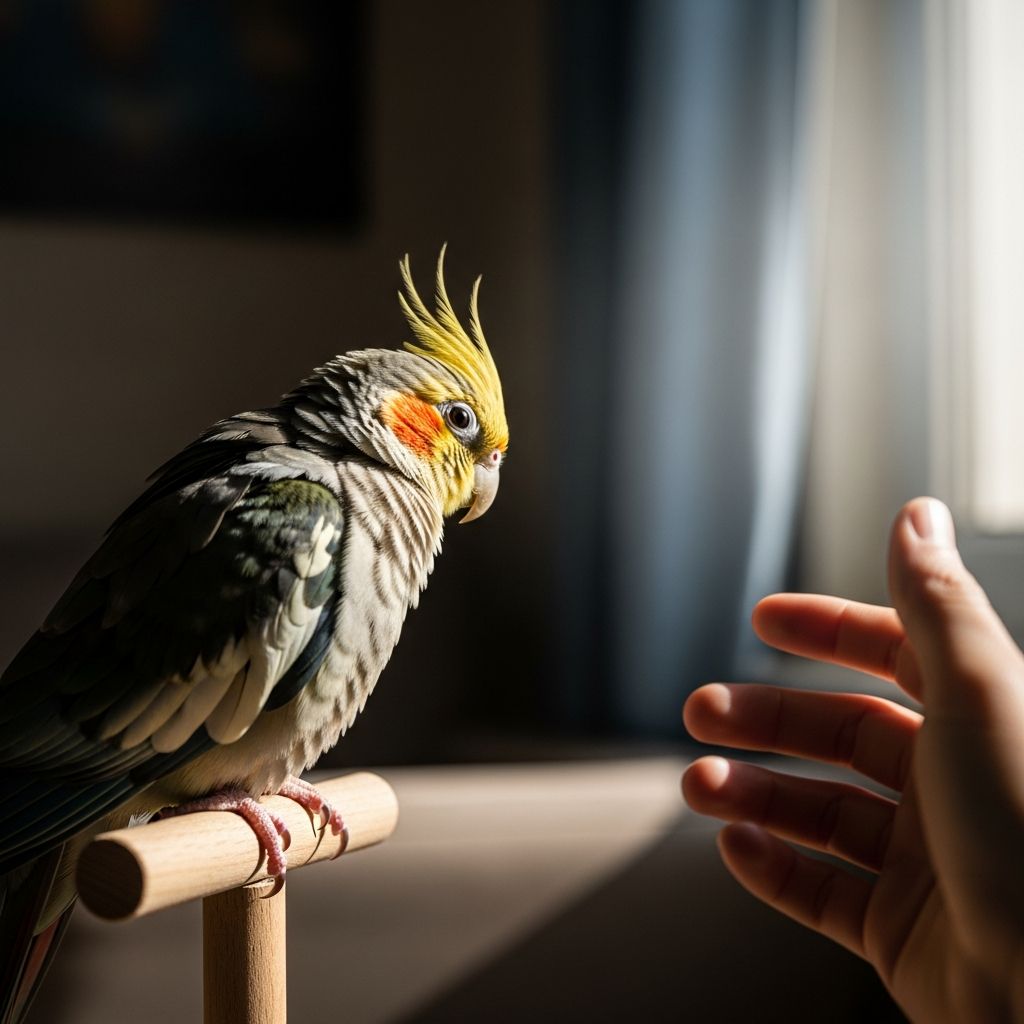
One of the most bewildering experiences for bird owners is when their previously affectionate, loving companion suddenly changes behavior—becoming fearful, aggressive, or seemingly resentful. Your once-cuddly parrot that eagerly sought your attention now refuses to be handled, flinches when you approach, or even bites. This dramatic shift can be deeply distressing, leaving owners confused about what went wrong. Understanding the reasons behind this behavioral change is the first step toward rebuilding your relationship with your feathered friend.
Understanding Bird Behavior Changes
Birds are incredibly sensitive, thinking, and feeling beings that are highly responsive to their environment and the people around them. They can detect subtle shifts in mood and energy, picking up on the “vibes” that humans emit. When a bird’s personality transforms, it’s rarely a random occurrence—there are usually underlying causes that need to be identified and addressed. These changes can stem from hormonal fluctuations, environmental stressors, past negative experiences, or unmet behavioral needs.
Hormonal Changes: A Primary Culprit
One of the most common reasons for personality changes in pet birds is hormonal development and seasonal fluctuations. When birds reach sexual maturity, their hormones can dramatically alter their behavior patterns. A bird that was once gentle and affectionate may suddenly become territorial, aggressive, or extremely possessive of their owner.
Sexual Maturity and Breeding Behaviors
When a pet bird begins to experience hormonal changes associated with sexual maturity, their entire personality can shift. Birds that are allowed to engage in breeding behaviors or are treated as mates by their owners often undergo significant behavioral transformations. The bird may become unwilling to allow you to handle them, becoming increasingly territorial and defensive around their perceived “mate” or nesting area.
During these hormonal periods, birds may exhibit behaviors such as intense bonding with one person, constant egg-laying, cavity-seeking behavior, loud vocalizations, or fierce territoriality. In some cases, these behaviors are seasonal and have minimal impact. However, when they progress from seasonal to year-round occurrences, they can seriously impact both the bird’s health and your relationship with your pet.
Managing Hormonal Behavior
If your bird’s hormonal behavior is becoming problematic—such as your bird not allowing you near their cage or biting aggressively—there are practical steps you can take to help manage it. One effective strategy is to limit the amount of light your bird receives each day to less than 12 hours, with 10 hours of light being particularly helpful for reducing hormonal responses. Light exposure is a critical trigger for reproductive behavior in birds, as it mimics the longer daylight hours associated with breeding season in the wild.
Additionally, you should remove any perceived nest sites from your bird’s environment. This might include dark, enclosed spaces, nesting materials, or areas where your bird feels safe to nest. By reducing these environmental triggers, you can help naturally diminish hormonal behavior. It’s also important to note that once autumn arrives and clocks change, hormonal behavior should begin to naturally dissipate as daylight hours decrease naturally.
Environmental and Social Factors
The Impact of Insufficient Enrichment
Birds that are confined to cages without adequate playtime and enrichment can develop unhappy, neurotic behaviors. This condition, sometimes called “cageosis,” manifests as cage pacing, head-swinging, screaming, and erratic behavior. When birds are constantly trapped in small spaces without mental stimulation or out-of-cage time, they may develop anxiety-related aggression or avoidance behaviors.
Even the smallest parrot species appreciate and benefit from time outside the cage every day. The quality of life for cage-bound birds diminishes significantly, and this stress can manifest as behavioral problems including fear-based aggression or withdrawal from human interaction. Providing adequate playtime outside the cage, enrichment toys, foraging opportunities, and mental stimulation is essential for maintaining a stable, affectionate temperament.
Social Bonding and Pair Effects
Research has demonstrated the crucial importance of social bonding and pair behavior in birds. When birds form pair bonds—whether with another bird or with their owner—they exhibit more engagement, more use of enrichment devices, greater activity levels, and less excessive vocalization. Conversely, birds that lack adequate social interaction may suppress normal behaviors and develop behavioral problems including fear-based aggression.
Fear-Based Behavioral Changes
Classical Conditioning and Negative Associations
Sometimes a bird’s apparent hatred or fear stems from classical conditioning, where the bird has learned to associate their owner with an adverse event. This could be something you didn’t even realize was distressing to the bird—perhaps a sudden loud noise that occurred when you were holding them, a trip to the veterinarian, an accidental pinching, or even a startled response to your approach. Once this negative association is formed, the bird may flinch or become aggressive whenever you approach, even if months have passed since the original incident.
Recognition of Fear-Based Signs
Fear-based behavioral changes often manifest through specific signs that indicate your bird is distressed. These include avoidance behavior, frantic movements, displacement behaviors (repetitive actions that seem purposeless), aggression, and excessive or abnormal vocalizations. Anxiety can also suppress a bird’s normal, affectionate behaviors, which can make it appear as though your bird simply dislikes you now, when in reality they’re experiencing fear or anxiety.
Health and Medical Considerations
It’s crucial to recognize that behavioral changes can sometimes indicate underlying health problems. Parrots have a natural instinct to hide signs of pain and illness, which means they may mask physical discomfort until it becomes severe. However, subtle changes in behavior, posture, and daily routines can be early indicators of health issues.
If your bird’s personality change was sudden and unexplained, scheduling a veterinary examination is essential. An avian veterinarian can rule out medical causes and provide guidance on behavioral modification. A bird that appears fearful or aggressive might actually be in pain or experiencing illness that’s affecting their temperament.
Addressing Excessive Vocalization and Screaming
Some birds develop patterns of excessive screaming as a way to get attention. Many birds quickly learn that screaming gets their owner’s attention, especially when owners run to the bird to quiet them down during stressful moments. This reinforces the behavior, creating a cycle that’s difficult to break.
Rather than responding to screaming with attention, focus on giving your bird attention during quiet moments. This gradually teaches the bird that quiet behavior, not vocalization, results in positive human interaction. While screaming patterns are challenging to break once established, they’re not impossible to modify with consistent, patient effort.
Rebuilding Trust With Your Bird
Patience and Gradual Reintroduction
Rebuilding a damaged relationship with your bird requires patience, consistency, and realistic expectations. Don’t expect immediate transformation. Instead, focus on gradual progress through positive interactions during calm moments.
Environmental Modifications
Make changes to your bird’s environment to reduce stress and anxiety. Ensure adequate sleep (birds need 10-12 hours of sleep daily), provide diverse enrichment, offer varied foods, and create a stable, predictable routine. When your bird feels secure in their environment, they’re more likely to exhibit their natural, affectionate behaviors.
Professional Guidance
For significant behavioral problems, consulting with an avian veterinarian or certified parrot behavior consultant can provide personalized strategies. These professionals can assess your specific situation and provide targeted recommendations for behavior modification.
Understanding Your Bird’s Needs
Ultimately, understanding that birds are thinking, feeling beings is key to resolving behavioral issues. Your bird isn’t trying to hurt you or express hatred—they’re responding to their hormones, their environment, their health status, or past experiences. By addressing the root cause of the behavioral change and providing enrichment, social interaction, proper sleep, and a stable environment, you can often restore your previously loving relationship.
Frequently Asked Questions
Q: Why did my affectionate bird suddenly become aggressive?
A: The most common causes include hormonal maturity, insufficient enrichment and out-of-cage time, negative conditioning or fear-based experiences, or underlying health issues. Identifying the specific cause requires observation and potentially professional evaluation.
Q: Can hormonal behavior in birds be reversed?
A: Hormonal behavior can be managed and reduced through environmental modifications like limiting light to 10-12 hours daily and removing nesting sites. These behaviors naturally diminish during seasonal changes and can be minimized with consistent management.
Q: How much time should my bird spend outside the cage daily?
A: There is no strict “rule,” but the more time you can occupy your bird outside the cage, the better their quality of life and emotional wellbeing. Many experts recommend at least several hours daily, depending on your schedule and the bird’s needs.
Q: Should I consult an avian veterinarian if my bird’s behavior changes suddenly?
A: Yes, sudden behavioral changes warrant a veterinary examination to rule out health issues. Parrots hide signs of pain and illness, so behavioral changes can indicate underlying medical problems.
Q: How can I rebuild trust with a fearful or aggressive bird?
A: Focus on providing attention during calm, quiet moments rather than when the bird is aggressive. Create a stable, enriching environment, ensure adequate sleep, and consider consulting with a certified parrot behavior consultant for personalized strategies.
Q: Is it too late to restore my relationship with my bird?
A: While breaking established behavioral patterns takes time and effort, improvement is possible with patience, consistency, and addressing the underlying causes of the behavioral change. Many owners successfully restore positive relationships with their birds through dedicated effort.
References
- Pet Bird and Parrot Behavior — Lafeber Co. Accessed November 28, 2025. https://lafeber.com/pet-birds/bird-behavior/
- Hormonal Behavior in Pet Birds – Introduction — For The Birds DVM. Accessed November 28, 2025. https://www.forthebirdsdvm.com/pages/hormonal-behavior-in-pet-birds-pt-1
- Mental Health & Well Being in Pet Birds with Dr. Anthony Pilny — Lafeber Co. Accessed November 28, 2025. https://lafeber.com/pet-birds/questions/my-bird-loved-me-but-now-seems-scared-or-hates-me/
- Pet Bird Behavior Articles – Parrots & Pet Birds — Lafeber Co. Accessed November 28, 2025. https://lafeber.com/pet-birds/category/behavior/
Similar Articles








Read full bio of Sneha Tete


