
Bird Kidney Disorders Guide: Signs, Causes, Treatments
Essential insights into recognizing, treating, and preventing kidney and urinary issues in pet birds for better avian care.
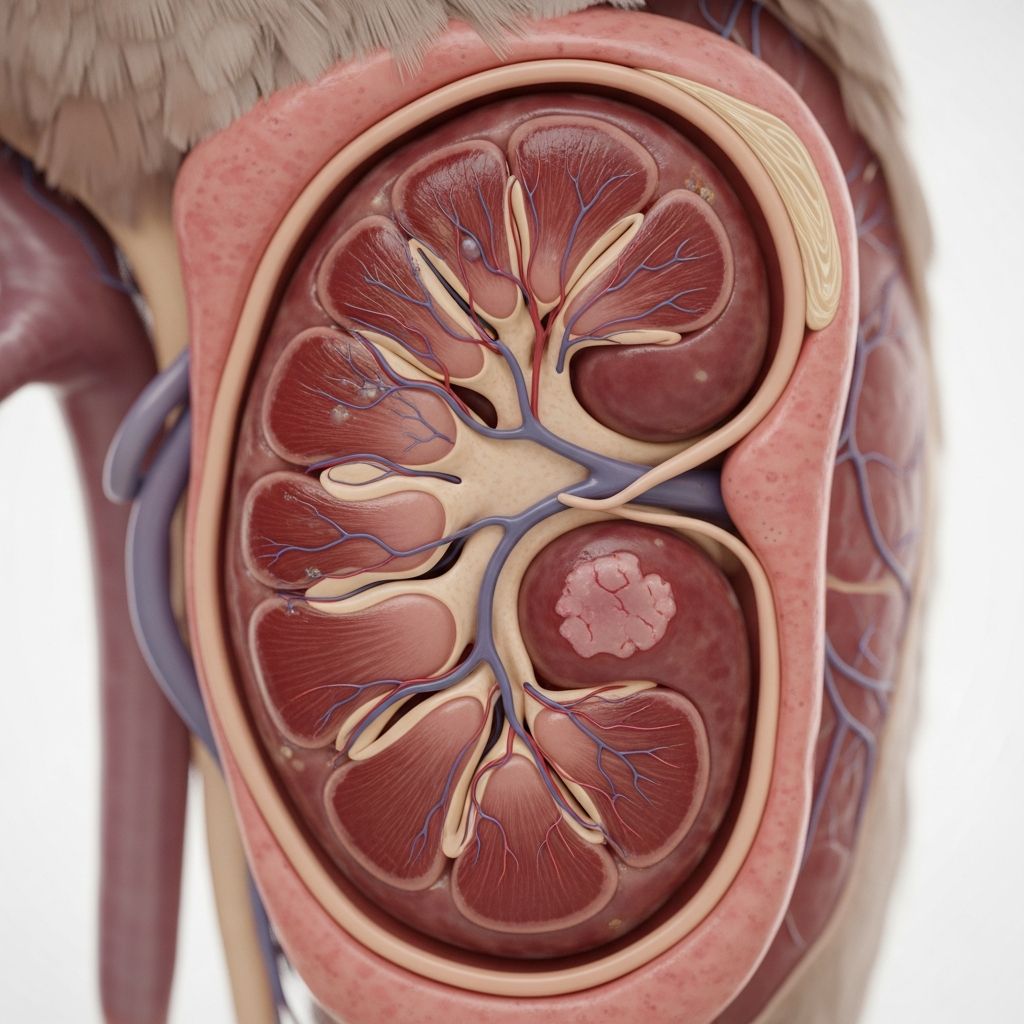
Pet birds, cherished for their vibrant colors and lively personalities, can encounter serious health challenges involving their kidneys and urinary systems. These organs play critical roles in filtering waste, maintaining fluid balance, and regulating electrolytes. When they falter, it leads to a cascade of problems that demand prompt attention from owners and veterinarians. Understanding these disorders helps bird enthusiasts spot early warning signs and pursue effective interventions.
Why Kidney Health Matters in Pet Birds
Birds possess unique renal anatomy compared to mammals. Their kidneys are positioned along the spine, and urine is semi-solid, combining with feces in a characteristic white urate component. Disruptions in this system can rapidly escalate, affecting overall vitality. Common issues stem from dietary excesses, infections, toxins, or chronic wear, often manifesting subtly before becoming severe.
Recognizing Early Warning Signs
Detecting kidney problems early can make a significant difference in outcomes. Birds often mask illness, so vigilance is key. Look for these indicators:
- Excessive wetness around the vent: Known as polyuria, this appears as unusually wet droppings due to increased urine production.
- Changes in droppings: Altered urine color, blood-tinged urates, or diluted appearance signal trouble.
- Lethargy and fluffed feathers: Birds may appear depressed, weak, or reluctant to perch or fly.
- Appetite loss and weight reduction: Refusal to eat leads to rapid emaciation.
- Increased thirst (polydipsia): More frequent drinking accompanies polyuria.
- Mobility issues: Lameness, swollen joints, or paralysis from nerve compression or gout.
- Respiratory distress or abdominal swelling: Fluid accumulation or organ pressure causes puffiness.
These symptoms overlap with other conditions, underscoring the need for professional evaluation rather than self-diagnosis.
Primary Causes of Avian Renal Issues
Kidney disorders in birds arise from diverse triggers. Identifying the root cause guides targeted therapy.
Nutritional Imbalances
Diets too high in protein (over 20-25%), calcium, vitamin D, or phosphorus overburden the kidneys, promoting crystal formation and damage. Poorly formulated seeds or pellets exacerbate this risk.
Infectious Agents
Bacterial, viral (e.g., poxvirus, psittacosis), or parasitic invasions inflame the urinary tract, leading to failure if unchecked.
Toxins and Heavy Metals
Exposure to lead, zinc, or cadmium from toys, cages, or water sources causes acute toxicity and renal shutdown.
Obstructions and Stones
Renal calculi block urine flow, causing pain, reduced output, and potential rupture.
Neoplastic Growths
Tumors, prevalent in budgerigars, compress nerves and impair filtration, often proving fatal.
Trauma and Dehydration
Injuries or insufficient water intake strain kidneys, mimicking chronic disease patterns.
| Cause Category | Examples | Common Bird Species Affected |
|---|---|---|
| Nutritional | High protein/calcium diets | Parrots, finches |
| Infectious | Psittacosis, bacterial UTIs | Cockatiels, lovebirds |
| Toxic | Heavy metals | All species |
| Neoplastic | Kidney tumors | Budgerigars |
Diagnostic Approaches for Accurate Assessment
Veterinarians employ a multi-faceted strategy to pinpoint issues. Initial exams include physical checks for vent wetness, joint swelling, or pain response. Blood tests reveal elevated uric acid (hyperuricemia), a hallmark of renal dysfunction, alongside imbalances in electrolytes or proteins. Urinalysis detects casts, cells, glucosuria, or proteinuria. Imaging like radiographs or ultrasounds visualizes stones, tumors, or enlargement. Advanced biopsies confirm chronic changes. Early staging, akin to mammalian CKD phases, predicts progression.
Comprehensive Treatment Strategies
Therapy tailors to the diagnosis, emphasizing supportive care. Acute cases prioritize stabilization.
- Fluid Therapy: Intravenous or subcutaneous hydration flushes toxins and restores balance.
- Dietary Modification: Low-protein, phosphorus-restricted formulas ease renal load.
- Medications: Allopurinol lowers uric acid; antibiotics combat infections; chelators expel metals.
- Nutritional Support: Force-feeding, vitamins, and omega fatty acids bolster recovery.
- Pain Management: Analgesics alleviate gout agony; severe cases may warrant humane euthanasia.
Chronic management focuses on slowing decline through regular monitoring and lifestyle tweaks. Dialysis remains rare in avian practice due to technical hurdles.
Gout: A Painful Complication Explained
Gout arises when kidneys fail to excrete uric acid, leading to crystal deposits. Visceral gout coats organs silently, often postmortem discovery. Articular gout swells joints, causing lameness and white urate tophi. Pain is intense; treatments include diet control and drugs, but prognosis dims without addressing the cause.
Preventive Measures for Optimal Bird Health
Proactive steps mitigate risks significantly.
- Offer balanced, species-specific pellets over seeds.
- Ensure constant fresh water; monitor intake.
- Use non-toxic cage materials and toys.
- Maintain hygiene to curb infections.
- Schedule bi-annual vet checkups, including bloodwork for seniors.
- Avoid vitamin/mineral excesses via supplements.
Annual fecal and blood screens catch subclinical issues.
Living with a Bird Managing Renal Disease
Birds with controlled kidney issues can thrive for years. Owners adapt by weighing weekly, tracking droppings, and adjusting meds per vet guidance. Stages dictate frequency: mild every 3-6 months, advanced monthly. Emotional support aids owners through this journey.
Frequently Asked Questions (FAQs)
What does wet vent in my bird mean?
It often indicates polyuria from kidney strain—seek vet care promptly.
Can diet reverse bird kidney damage?
Special renal diets manage but rarely reverse chronic changes.
Is gout curable in pet birds?
Not typically; control focuses on underlying causes and symptom relief.
How do toxins affect bird kidneys?
Heavy metals cause rapid failure; chelation therapy is vital.
When is euthanasia considered?
In intractable pain or end-stage disease for welfare.
Long-Term Outlook and Owner Responsibilities
With diligence, many birds maintain quality life despite diagnoses. Collaborate closely with avian specialists for tailored plans. Research advances, like refined chelators and diets, offer hope. Empower yourself with knowledge to safeguard your feathered companion’s well-being.
References
- Kidney Failure in Pets: Understanding Causes, Warning Signs, and Treatment Options — BBVSH. 2023. https://bbvsh.com/blog/kidney-failure-in-pets-understanding-causes-warning-signs-and-treatment-options/
- Kidney Disorders in Birds — VCA Animal Hospitals. 2024. https://vcahospitals.com/know-your-pet/kidney-disorders-in-birds
- Chronic Kidney Disease: Living with Your Pet and the Diagnosis — Michigan State University College of Veterinary Medicine. 2023. https://cvm.msu.edu/vdl/client-education/guides-for-pet-owners/chronic-kidney-disease-living-with-your-pet-and-the-diagnosis
- Kidney And Urinary Tract Disorders in Birds — PetMD. 2024. https://www.petmd.com/bird/conditions/urinary/c_bd_Kidney_and_Urinary_Tract_Disorders
- Kidney and Urinary Tract Disorders of Pet Birds — Merck Veterinary Manual. 2024. https://www.merckvetmanual.com/bird-owners/disorders-and-diseases-of-birds/kidney-and-urinary-tract-disorders-of-pet-birds
- Nephrology — Harrison’s Bird Foods. 2024. https://www.harrisonsbirdfoods.com/wp-content/uploads/2024/03/538-555-Ch21-Nephrology.pdf
Similar Articles








Read full bio of Sneha Tete


