Bird Keeping as a Hobby: Understanding Modern Aviculture
Explore the multifaceted world of bird keeping, from hobbyists to conservationists
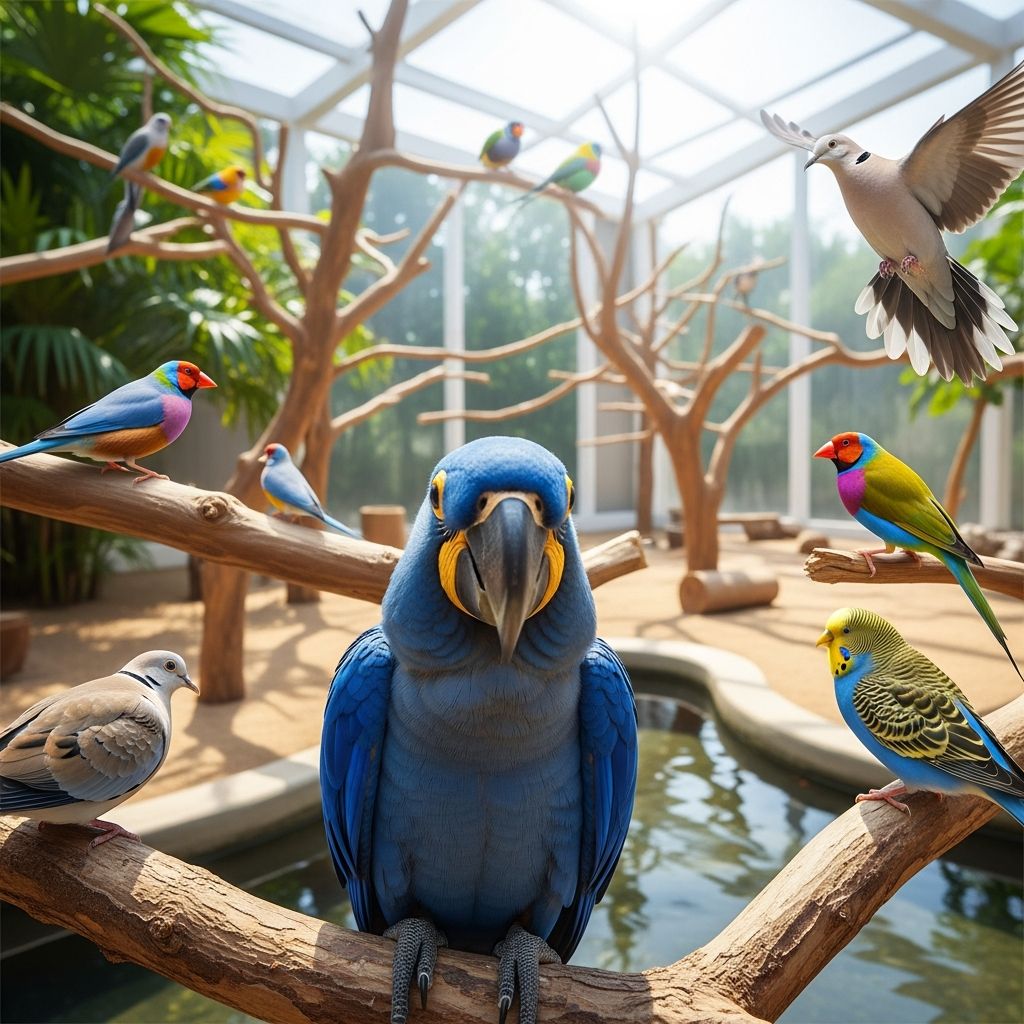
What Defines Bird Keeping in Contemporary Society
Bird keeping, scientifically termed aviculture, represents far more than simply housing a feathered companion in a cage. The practice encompasses a spectrum of activities ranging from maintaining domestic poultry to managing complex breeding programs for rare species. At its core, aviculture involves the deliberate keeping and reproduction of birds within controlled environments, whether those environments are modest home aviaries or sophisticated breeding facilities.
Modern aviculture has evolved into a comprehensive subculture that includes educational initiatives, research endeavors, and passionate communities of enthusiasts who dedicate themselves to understanding avian behavior and welfare. The term extends beyond mere pet ownership to incorporate the preservation strategies for wild bird populations and the public engagement campaigns designed to safeguard these species for future generations.
The Diverse Motivations Behind Bird Keeping
Individuals enter the world of bird keeping for remarkably varied reasons, each reflecting different priorities and lifestyle choices. Understanding these motivations provides insight into the complexity of the avicultural community:
- Recreational Enjoyment: Many bird keepers pursue the hobby simply for personal pleasure, attracted by the aesthetic appeal, vocalizations, and companionship that birds provide.
- Commercial Pursuits: Entrepreneurs in the bird industry operate breeding facilities, retail operations, and supply businesses that support the broader pet trade.
- Scientific Investigation: Researchers utilize aviculture settings to study avian behavior, physiology, genetics, and disease management.
- Species Preservation: Conservationists participate in captive breeding initiatives specifically designed to prevent the extinction of endangered bird species threatened by habitat loss and illegal wildlife trafficking.
- Educational Missions: Zoos, sanctuaries, and private collections contribute to public understanding of avian diversity and ecological importance.
Historical Development of Bird Keeping Practices
The historical trajectory of aviculture reveals humanity’s long-standing fascination with birds. Ancient civilizations recognized the value of keeping birds for multiple purposes. The ancient Egyptians maintained sacred ibis in temple settings for religious observance, while Greek societies prized birds for their melodious songs and visual beauty. Roman emperors and wealthy patricians demonstrated their status through collections of exotic birds housed in ornate cages, establishing a pattern of bird keeping as a luxury pursuit that would persist through subsequent centuries.
The transition toward more systematic and organized bird keeping occurred during the nineteenth century, marking a significant shift in how enthusiasts approached the practice. The publication of The Aviculturist in 1883 served as a pivotal moment, creating a platform for knowledge sharing and community building among practitioners scattered across different regions. This periodical facilitated the exchange of breeding techniques, care methodologies, and observations about avian species, effectively transforming bird keeping from an isolated pursuit into a coordinated movement.
Twentieth-century developments democratized bird keeping through technological and economic changes. The industrialization of cage manufacturing, feed production, and accessory distribution reduced costs substantially, making bird keeping accessible to middle-class households rather than remaining an exclusive pastime of the wealthy. Simultaneously, advances in avian medicine and veterinary science enhanced the health outcomes for captive birds, extending their lifespans and improving their quality of life in domestic settings.
The Scale and Scope of Contemporary Bird Keeping
The contemporary avicultural landscape represents a substantial component of the global pet industry. Current estimates suggest that approximately 60 million captive birds reside in homes throughout the United States alone, reflecting the tremendous expansion of the hobby over recent decades. This proliferation reflects the accessibility of bird keeping and the diverse species available through both legitimate breeders and problematic commercial channels.
Bird enthusiasts maintain extraordinary diversity in their collections. Parrot species remain particularly popular among dedicated aviculturists, yet the hobby encompasses canaries, finches, waterfowl, raptors, and numerous other avian groups. Each species category presents distinct challenges regarding housing requirements, dietary needs, social structures, and breeding behaviors, necessitating specialized knowledge among serious practitioners.
Aviculture and Conservation Initiatives
One of the most significant contemporary roles of aviculture involves contributing to species conservation efforts, particularly for threatened and endangered bird populations. Captive breeding programs managed through international cooperation have successfully maintained populations of species facing extinction in their native habitats. Organizations like the European Association of Zoos and Aquaria (EAZA) coordinate breeding initiatives through studbook management, ensuring genetic diversity and preventing inbreeding depression in captive populations.
The distinction between hobbyist aviculturists and professional conservation-focused breeders has become increasingly important. While amateur bird keepers may focus primarily on personal enjoyment or business interests, many dedicated aviculturists align themselves with formal conservation programs that maintain detailed breeding records, share genetic data through international databases, and contribute to systematic population management. These professional practitioners often participate in structured programs that establish breeding recommendations, monitor offspring placement, and conduct research on threatened species.
Private avicultural collections contribute measurably to conservation by maintaining breeding populations of rare species, gathering behavioral and morphological data, and funding research initiatives. When properly managed and integrated with official conservation networks, these private collections extend the conservation capacity beyond what governmental institutions and major zoos could accomplish independently.
Balancing Aviculture with Animal Welfare Considerations
The expansion of aviculture has generated important conversations regarding the ethical dimensions of keeping wild animals in captivity and ensuring appropriate welfare standards. Animal welfare advocates emphasize that rapid expansion of breeding activities, particularly for pet trade purposes, has created unintended consequences including population surplus and inadequate rehoming infrastructure.
Contemporary aviculturists increasingly recognize that sustainable, ethical practice requires commitment to several fundamental principles:
- Maintaining rigorous health and safety standards within aviaries and breeding facilities
- Prioritizing genetic diversity to prevent hereditary diseases and psychological problems
- Ensuring appropriate environmental enrichment that allows birds to express natural behaviors
- Establishing transparent breeding practices and responsible placement of offspring
- Supporting research that advances understanding of avian welfare requirements
- Collaborating with veterinary professionals and conservation organizations
The Global Avicultural Community and Knowledge Sharing
Modern aviculture functions as an international network of enthusiasts united by shared passion and commitment to bird care excellence. This global community transcends geographical boundaries, with aviculturists exchanging knowledge through specialized publications, online forums, conferences, and collaborative breeding initiatives. The interconnected nature of contemporary aviculture means that innovations in husbandry techniques, health management, and breeding strategies disseminate rapidly across different regions and countries.
Professional organizations dedicated to avian medicine and aviculture provide standardized guidance on best practices, establish ethical frameworks, and foster ongoing professional development. These institutional structures help elevate standards across the broader avicultural landscape, encouraging practitioners at all experience levels to continually refine their approaches and incorporate new scientific findings.
Essential Considerations for Aspiring Bird Keepers
Individuals contemplating entry into bird keeping should recognize the substantial commitment required. Bird keeping demands financial investment in appropriate housing, nutrition, veterinary care, and enrichment materials. Time commitment proves equally significant, as birds require daily interaction, feeding, and environmental maintenance. Different species present varying complexity levels, with some birds requiring relatively straightforward care while others demand specialized knowledge and resources.
Prospective aviculturists benefit from engaging with established communities, consulting experienced practitioners, and obtaining professional guidance before acquiring birds. This preparatory approach helps ensure that individuals possess adequate knowledge and resources to provide appropriate care and can determine whether bird keeping aligns with their circumstances and values.
Frequently Asked Questions About Aviculture
What distinguishes hobbyist bird keeping from professional aviculture?
Hobbyist bird keepers typically maintain small collections primarily for personal enjoyment, while professional aviculturists often participate in structured breeding programs, maintain detailed records, and may contribute to conservation initiatives or commercial operations.
Can captive breeding genuinely contribute to species conservation?
Yes, when properly managed and integrated with international conservation networks, captive breeding can maintain genetically viable populations of endangered species and provide insurance against extinction. However, effective conservation requires coordination with habitat preservation and anti-poaching efforts in native ranges.
What role do private aviculturists play in formal conservation programs?
Dedicated private aviculturists participate in studbook management, contribute genetic and behavioral data to international databases, and maintain breeding populations of threatened species under professional oversight.
How has aviculture changed over recent decades?
Aviculture has evolved from an exclusive luxury hobby into a widespread practice, accompanied by improved husbandry knowledge, better avian medicine, industrial production of supplies, and increasingly formalized conservation initiatives.
What welfare concerns does modern aviculture face?
Key concerns include ensuring appropriate housing and enrichment, maintaining genetic diversity, preventing overpopulation and unwanted birds, and establishing responsible breeding practices that prioritize bird welfare over commercial interests.
The Future Direction of Bird Keeping
Aviculture continues evolving as society develops deeper understanding of avian needs, conservation challenges, and ethical responsibilities. The integration of new knowledge regarding avian cognition, environmental requirements, and social structures informs contemporary practices and encourages continuous improvement in care standards. As climate change and habitat destruction accelerate threats to wild bird populations, the potential role of coordinated avicultural efforts in species preservation becomes increasingly significant.
The future of aviculture likely depends on the ability of the community to balance multiple objectives: maintaining the hobby’s accessibility and enjoyment for enthusiasts, supporting legitimate conservation initiatives, ensuring animal welfare standards, and resisting practices that prioritize commercial gain over species and individual bird wellbeing. Through continued education, professional collaboration, and ethical commitment, aviculture can fulfill its potential as both a rewarding personal pursuit and a meaningful conservation tool.
References
- Aviculture — Wikipedia. Accessed 2026-01-30. https://en.wikipedia.org/wiki/Aviculture
- Story & Mission — Harteman Wildfowl Aviaries. Accessed 2026-01-30. https://www.harteman.nl/Mission/
- AAV Aviculture Committee — Association of Avian Veterinarians. Accessed 2026-01-30. https://www.aav.org/page/aviccommittee
- The History of Aviculture — Paradise Aviary Exotics. Accessed 2026-01-30. https://paradiseaviaryexotics.com/blogs/blogs/the-history-of-aviculture
- Aviculture and Animal Welfare: What Is The Difference; Where Do They Stand? — Avian Welfare. Accessed 2026-01-30. https://www.avianwelfare.org/issues/articles/aviwelfare.htm
- Is Aviculture for You? — Birds.com. Accessed 2026-01-30. https://www.birds.com/blog/aviculture/
- What is Aviculture? — Association of Avian Veterinarians. Accessed 2026-01-30. https://www.aav.org/blogpost/1787676/325281/What-is-Aviculture
Similar Articles







Read full bio of medha deb