

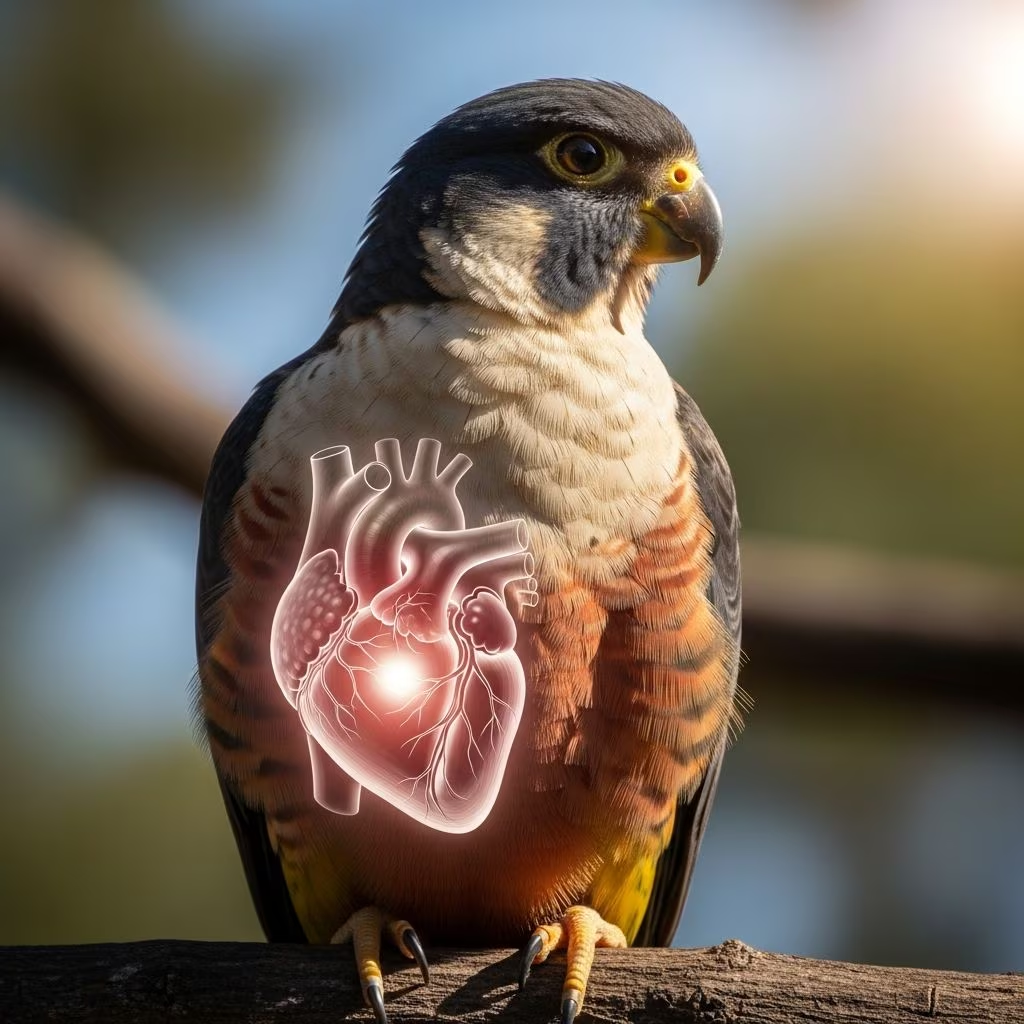
Bird Heart Health: A Comprehensive Guide to Avian Cardiac Care
The avian heart is a remarkable organ that reflects the extraordinary athletic nature of birds. Understanding how bird hearts function and recognizing potential health issues is crucial for any pet bird owner who wants to ensure their feathered companion lives a long, healthy life. Unlike mammals, birds have unique cardiovascular characteristics that make their heart health both fascinating and distinct.
The Unique Anatomy of the Avian Heart
Birds possess relatively larger hearts compared to mammals of similar size, which makes sense given their exceptional athleticism and energy requirements. The bird heart operates at a significantly faster pace than mammalian hearts, enabling the impressive cardiovascular output necessary for flight and sustained physical activity.
To illustrate just how powerful avian hearts are, consider this striking comparison: the cardiac output of a flying budgerigar (parakeet) at maximum exercise level is approximately seven times greater than that of a person or dog exercising at their peak capacity. This extraordinary performance requires birds to maintain higher blood pressure than mammals to accommodate the increased blood flow generated by their hearts.
The exceptional blood supply to the avian heart muscle itself represents an evolutionary adaptation perfectly suited to an animal that depends on flight for survival. This robust vascular network is one reason why birds can sustain intense physical activity without the cardiovascular complications that often plague sedentary mammals.
Do Birds Get Heart Attacks? Understanding Cardiac Disease in Birds
While heart disease in birds occurs less frequently than in mammals, it is still a genuine concern for pet bird owners. The question of whether birds experience heart attacks is more nuanced than a simple yes or no answer. A heart attack, medically known as myocardial infarction, occurs when blood vessels supplying the heart muscle become obstructed to the point that heart muscle cells begin to die.
The primary cause of heart attacks in both humans and birds is atherosclerosis—a condition characterized by the accumulation of plaques inside blood vessels. In the avian population, this condition appears most frequently in African grey parrots, though it can develop in any parrot species. Recent research has revealed an intriguing connection: in humans, scientists have discovered Chlamydophila organisms (primitive bacteria responsible for psittacosis) beneath some arterial plaques. While this connection has not yet been diagnosed in birds, it represents an important area warranting further investigation, particularly given the well-established link between birds and psittacosis transmission.
Common Heart Conditions in Older Birds
As birds age, they become increasingly susceptible to various cardiac conditions. The most prevalent heart disease in older birds is congestive heart failure, a condition in which the heart loses its ability to function as an effective pump. When this occurs, blood supply to the kidneys becomes compromised, leading to systemic health complications.
Types of Heart Failure and Their Effects
Congestive heart failure can manifest in several ways depending on which part of the heart is affected:
- Fluid Around the Heart: In some cases, fluid accumulates in the sac surrounding the heart (pericardium), preventing optimal pumping function.
- Ventricular Changes: The heart muscle may become excessively muscular or abnormally flabby, both conditions resulting in ineffectual pumping action.
- Right Ventricle Failure: When the right side ventricle fails, or when both ventricles are compromised, birds typically develop an enlarged liver, edema (fluid in body tissues), and excessive fluid accumulation in the body cavity.
- Left Ventricle Failure: Failure of the left ventricle usually results in excess fluid accumulating in lung tissue, potentially causing respiratory distress.
Cardiac Arrhythmias and Heart Murmurs
Many birds naturally have exceptionally fast heart rates, which can be better evaluated when the bird is under anesthesia, as the rate typically slows. Some birds develop arrhythmias, meaning their heart rhythm is irregular and may speed up or slow down based on breathing patterns or other physiological factors.
Heart murmurs represent another common cardiac finding in birds. A heart murmur indicates abnormal blood flow within the heart or through one or more of the heart valves. While a heart murmur itself doesn’t necessarily indicate a problem, birds diagnosed with this condition should undergo closer monitoring and comprehensive cardiac evaluation either before problems develop or if signs of cardiac distress become apparent.
Diagnosing Heart Disease in Birds
A thorough cardiac work-up is essential for birds showing signs of heart problems or those identified with cardiac abnormalities. This comprehensive evaluation typically includes:
- Baseline Blood Tests: Laboratory work to assess overall health and identify potential systemic issues.
- Radiographs: X-ray imaging to evaluate the heart, lungs, air sacs, liver, and other internal organs.
- Echocardiogram: Ultrasound imaging of the heart to assess structure and function.
- Electrocardiogram (ECG): Recording of the heart’s electrical activity.
- Special Dye Studies: Advanced imaging to visualize the heart and blood vessels.
- Chlamydophila Testing: Screening for this potentially cardiotoxic organism, though testing in live birds is never 100 percent accurate.
Risk Factors for Avian Heart Disease
Certain bird populations face elevated risks for developing heart disease. Older birds, overweight birds, and possibly inbred birds show higher susceptibility to cardiac conditions. Additionally, congenital or developmental heart disease, while uncommon, has been documented in some birds. The connection between obesity and heart disease in birds mirrors the relationship seen in mammals, making weight management a critical preventive strategy.
Preventing Bird Heart Disease: Practical Strategies
Exercise and Physical Activity
Maintaining an active lifestyle is fundamental to bird heart health. Creative play that encourages regular cardiac exertion helps keep your bird’s heart functioning optimally. One effective exercise technique involves practicing wing flapping by gently lowering your hand while your parrot is perched on it, allowing the bird to maintain balance while exercising its flight muscles and cardiovascular system.
However, if your bird has been sedentary, consult with an avian veterinarian before implementing a new exercise program. Sudden increases in activity can stress a subclinically ill bird, potentially causing serious complications.
Dietary Considerations for Heart Health
Diet plays a pivotal role in maintaining avian cardiovascular health. Birds fed exclusively seed-based diets without supplementation of fresh vegetables, fruits, grains, pellets, vitamins, and minerals face significantly higher risks of developing atherosclerosis and fatty liver disease—both conditions that compromise heart function. Obesity-related diseases, including cardiac disease and high cholesterol, frequently affect parakeets and other species fed high-fat diets.
Before making any dietary changes, always consult with your avian veterinarian, as even beneficial dietary modifications can stress subclinically ill birds, causing overt illness.
Nutritional Supplements for Cardiac Health
Plant-derived omega fatty acids represent an excellent supplement for supporting heart health in birds. Unlike fish-oil-based omega supplements typically recommended for humans, birds benefit from plant-based omega fatty acids. A recommended heart-healthy oil combination consists of 24 milliliters of corn oil combined with 6 milliliters of either flaxseed or safflower oil, dosed at 0.1 milliliters per 100 grams of body weight administered orally once daily.
Any supplement regimen should be discussed with your avian veterinarian to ensure it’s appropriate for your individual bird’s health status and specific needs.
Hydration and Overall Wellness
Adequate water intake is essential for maintaining proper blood volume and ensuring efficient kidney, liver, and heart function. Without sufficient water, blood volume drops, compromising the efficiency of these vital organs. Ensure your bird has constant access to clean, fresh water.
Foods to Avoid for Heart Health
Several common foods can directly harm bird cardiovascular health and should be strictly avoided:
Chocolate and Caffeine
Chocolate contains theobromine, a compound similar to caffeine that acts as a stimulant. In sufficient quantities, chocolate can cause birds to experience heart problems, depression, regurgitation, seizures, liver damage, and even death. Similarly, caffeinated beverages including coffee, tea, and cola can cause dangerous increases in heart rate and hyperactivity. Excessive caffeine consumption can trigger seizures and prove fatal.
Avocado
Avocado is dangerous for birds primarily because of its pit, which contains an oil that leaches the toxin persin into the fruit. Persin is a fatty acid-like compound with cardiotoxic effects capable of producing lethargy, loss of appetite, breathing difficulties, and sudden death in birds.
Frequently Asked Questions About Bird Heart Health
Q: How often should my bird have a cardiac evaluation?
A: Older birds, birds with known risk factors, or those with identified cardiac issues should have regular veterinary cardiac evaluations. Younger, healthy birds benefit from routine wellness exams that include cardiac assessment. Discuss appropriate screening intervals with your avian veterinarian based on your bird’s age, species, and health status.
Q: What are the signs that my bird might have heart disease?
A: Signs of potential heart disease include difficulty breathing, lethargy, reduced activity level, loss of appetite, fainting or collapse, and swollen abdomen. However, these signs can indicate other conditions as well, so veterinary evaluation is essential for accurate diagnosis.
Q: Can obesity in birds lead to heart disease?
A: Yes, obesity is a significant risk factor for heart disease in birds. Many parakeets and other species can become obese, leading to obesity-related diseases including cardiac disease, high cholesterol, joint pain, and arthritis. Maintaining a healthy weight through appropriate diet and exercise is crucial for cardiovascular health.
Q: How is avian heart disease treated?
A: Treatment depends on the specific condition diagnosed. Options may include medications to support heart function, dietary modifications, reduced activity levels during acute episodes, fluid management, and addressing underlying conditions. Your avian veterinarian will develop an individualized treatment plan based on your bird’s specific diagnosis.
Q: Are certain bird species more prone to heart disease?
A: African grey parrots appear to be more susceptible to atherosclerosis-related heart disease, though any parrot species can develop cardiac conditions. Parakeets are frequently diagnosed with fatty liver disease and obesity-related heart conditions, likely due to common dietary practices.
Q: Is heart disease preventable in pet birds?
A: While some heart conditions have genetic or developmental components, many are preventable through proper nutrition, appropriate exercise, maintaining healthy weight, avoiding toxins, and ensuring adequate hydration. Regular veterinary care helps identify potential problems early.
Conclusion
While heart disease is not the most common medical problem encountered in pet birds, it remains a significant health concern affecting the quality and length of life for affected individuals. The remarkable cardiovascular adaptations that enable birds to fly and maintain their active lifestyles should inspire bird owners to take proactive steps in supporting heart health.
By providing a balanced, nutritious diet rich in fresh vegetables and appropriate pellets, encouraging regular physical activity, maintaining healthy body weight, avoiding toxic substances, ensuring adequate hydration, and scheduling regular veterinary check-ups, you can substantially reduce your bird’s risk of developing cardiac disease. Work closely with your avian veterinarian to develop a comprehensive health maintenance plan tailored to your specific bird’s needs, species, and life stage. Your commitment to these practices demonstrates genuine care for your feathered companion’s overall wellbeing and longevity.
References
- Bird Heart Health — Chewy Editorial. N.D. https://www.chewy.com/education/bird/health-and-wellness/bird-heart-health
- Parakeet Care 101: How To Take Care of a Parakeet — Chewy Editorial. N.D. https://www.chewy.com/education/bird/parakeet/parakeet-care
- Bad Foods For Parrots — Chewy Editorial. N.D. https://www.chewy.com/education/bird/parrot/bad-foods-for-parrots
- Water And Your Pet Bird — Chewy Editorial. N.D. https://www.chewy.com/education/bird/health-and-wellness/water-and-your-pet-bird
- Bird Food Myths And Facts — Chewy Editorial. N.D. https://www.chewy.com/education/bird/food-and-nutrition/bird-food-myths-and-facts
- 16 Foods That Are Harmful or Poisonous to Pet Birds — Chewy Editorial. N.D. https://www.chewy.com/education/bird/food-and-nutrition/dont-feed-your-pet-bird-these-6-foods
- Bird Blood & Blood Loss — Chewy Editorial. N.D. https://www.chewy.com/education/bird/health-and-wellness/bird-blood-blood-loss



