Bird Health: Signs of Sick Birds & Avian Vet Care
Learn to recognize signs of illness in pet birds and find proper avian veterinary care.
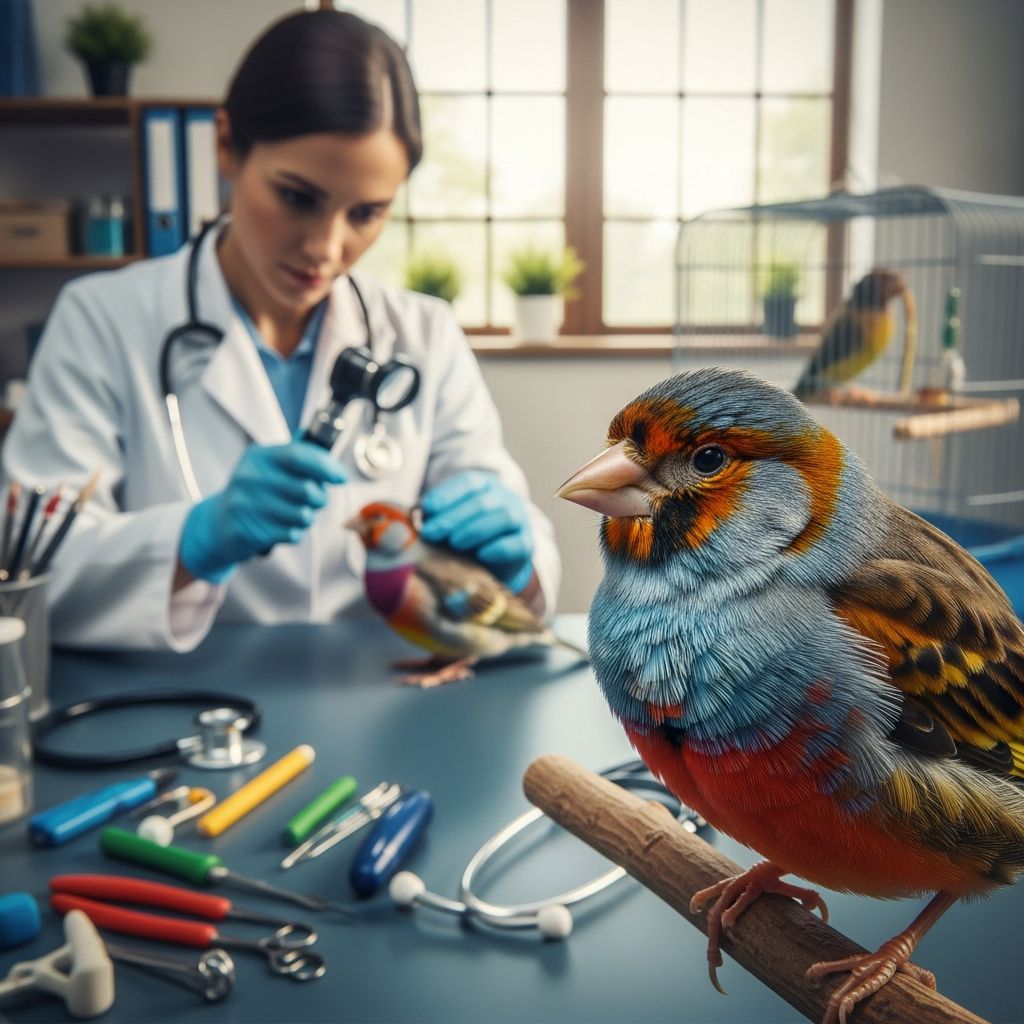
Bird Health: Signs of Sick Birds and Avian Veterinary Care
Keeping pet birds healthy requires vigilance, preventative medicine, and access to qualified avian veterinary care. Whether you own a cockatiel, budgie, macaw, or other bird species, understanding the signs of good health and recognizing symptoms of illness is essential for maintaining your feathered companion’s wellbeing. This comprehensive guide covers everything you need to know about bird health, illness detection, and finding appropriate veterinary services.
How to Identify a Healthy Bird
Before you can recognize when your bird is sick, it’s important to understand what healthy looks like. Regular observation of your bird’s appearance and behavior establishes a baseline for comparison. The following characteristics indicate a healthy bird:
- Bright, clear eyes that are fully open with no discharge or crusting
- Clean, shiny feathers that lie smoothly against the body
- Strong appetite with consistent food and water intake
- High energy levels and active movement throughout the day
- Alert posture, upright stance, and good balance on the perch
- Appropriate weight for the bird’s species
A healthy bird’s physical condition also reflects in its skeletal structure. You should be able to feel your bird’s keel (breastbone) with gentle palpation, but it should not be sharp and sunken or bulging on the sides. Additionally, healthy birds are engaged with their surroundings, showing interest in toys, people, and activities. They produce abundant droppings composed of three distinct parts: a black or dark green solid portion, a clear liquid component, and a creamy white part. Understanding your individual bird’s normal behavior and appearance is crucial, as variations can indicate potential health issues.
Recognizing Signs of Illness in Birds
Birds are naturally inclined to hide signs of sickness and weakness as a survival mechanism. By the time a bird displays obvious symptoms of illness, the condition has often progressed significantly. This makes early detection challenging but critically important. Bird owners must maintain close observation of their pets’ behavior and appearance to catch problems at the earliest stages.
Common Symptoms of Sick Birds
Watch for the following signs that may indicate your bird is unwell:
- Decline in appetite and/or water intake
- Increased aggression toward humans or cage mates
- Sleepy or lethargic appearance, reduced activity levels
- Huddling or sitting low on the perch or on the cage floor
- Fluffed feathers that remain puffed up
- Weight loss indicated by a prominent keel or breastbone
- Open-mouth breathing or difficulty with breathing
- Discharge from the eyes, nose, or other body openings
- Drooping wings held away from the body
- Inability to perch or stand properly
Changes in Droppings as Health Indicators
Droppings provide valuable insights into your bird’s health status. Monitor changes in your bird’s normal droppings, including increased or decreased amount, unusual dryness, loose construction, color changes, presence of undigested food, or alterations in the ratio of feces to urates. Since droppings are individual to each bird, establish what is normal for your specific pet and report any deviation to your veterinarian. Significant changes in dropping consistency, color, or volume often indicate underlying health problems requiring immediate attention.
Finding and Selecting an Avian Veterinarian
Because birds are unique animals with specialized care requirements, finding the right veterinarian is essential. Not all general veterinarians have adequate experience or training to treat birds effectively. Establishing a relationship with an avian veterinarian before an emergency occurs ensures you have professional support when needed.
Types of Avian Veterinarians
The best-case scenario is finding a board-certified avian veterinarian. These specialists have undergone extensive training and certification in avian medicine and surgery. If a board-certified avian veterinarian is unavailable in your area, seek out a veterinarian with substantial experience treating birds. Most veterinarians who regularly practice avian medicine are members of the Association of Avian Veterinarians, which maintains a searchable directory on their website to help you locate qualified professionals in your region.
Locating an Avian Veterinarian
If you cannot find an avian veterinarian nearby, the best approach is to locate the closest one, even if they are several hours away, and schedule a baseline examination for your bird. Once an avian veterinarian has examined your bird, they can legally advise and collaborate with other veterinarians closer to your home regarding your bird’s ongoing care. This arrangement provides you with the option for local veterinary care while maintaining guidance from a specialist. However, ensure that veterinarians in your area are willing to accept birds as patients and will work collaboratively with your long-distance avian veterinarian.
Establishing Baseline Care
Regardless of your veterinary arrangement, schedule a baseline examination with an avian veterinarian and follow their recommendations for wellness visits and diagnostic testing. Regular checkups and preventative medicine are fundamental to maintaining your bird’s health throughout its life. Your veterinarian can establish baseline measurements, identify any underlying conditions, and create a personalized health plan for your specific bird.
Bird First Aid and Emergency Preparedness
Emergencies can happen unexpectedly. Knowing how to provide basic first aid and maintain your bird’s condition until professional veterinary care is available can be lifesaving.
Immediate First Aid Measures
If you suspect your bird is ill but cannot reach a veterinarian immediately, keep the bird warm by maintaining room temperature at least 85 degrees Fahrenheit. An ordinary heating pad wrapped around the cage is an effective way to maintain this temperature. Cover the cage to reduce stress and protect it from drafts, which can worsen your bird’s condition. Minimize handling and environmental disturbances to allow your bird to conserve energy during illness.
Important Medication Precautions
Never administer medication to your bird without explicit guidance from a veterinarian. Many medications formulated for humans or other animal species are harmful or toxic to birds. Attempting self-treatment can waste valuable time and potentially cause more harm than good. Always allow your veterinarian to prescribe the most appropriate and safest treatment for your bird’s specific condition. If your bird requires medication, follow dosage instructions precisely and complete the full course of treatment as directed.
Building a Bird First Aid Kit
While formal first aid classes for birds do not currently exist, several resources provide valuable information about essential first aid supplies and basic techniques. “First Aid for Birds: An Owner’s Guide to a Happy, Healthy Pet” by Julie Rach and Gary Gallerstein, DVM, offers practical, user-friendly guidance. “The Bird Owner’s Manual” contains additional articles with helpful information for emergency situations. Building a comprehensive first aid kit with supplies such as gauze, towels, heating pads, and emergency contact information for your avian veterinarian ensures you are prepared for unexpected situations.
Key Aspects of Bird Health Monitoring
Regular Health Checks
Conduct regular health checks on your bird, ideally checking them several times weekly or at minimum once weekly. Observe activity levels and whether your bird shows interest in toys, food, and their environment. Check that your bird is alert, responsive, and actively moving. Regular weighing provides objective data about your bird’s health status, as unexpected weight loss often precedes other visible symptoms.
Physical Examination Areas
When performing health checks, systematically examine different areas of your body. Clear, bright eyes indicate good health, while discharge, crusting, or cloudiness suggest problems. For birds with visible ears, like cockatiels, check that ear canals are clear of discharge or buildup. Clear nostrils without blockage are normal, though some dust is typical. Examine the mouth for white substance that could indicate yeast infection and smell the bird’s breath for odors suggesting internal problems. Wings should be held firmly against the body without drooping, and tails should move normally without excessive bobbing. Check feet and legs for proper grip strength, injury, or grazing that could develop into serious infections like bumblefoot.
Understanding Individual Bird Variations
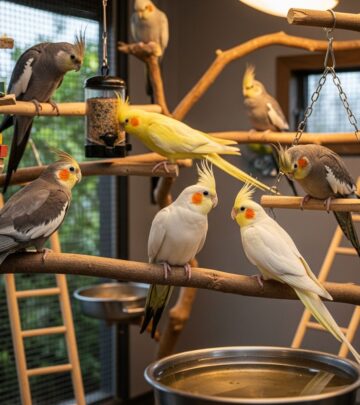
Different bird species have unique characteristics and health considerations. Cockatiels and cockatoos produce powdery down feathers, for example. Some birds display behavioral signs of illness through crest position or changes in vocalizations. Understanding your specific bird species’ normal appearance and behavior is crucial for identifying deviations that might indicate illness. Consult species-specific resources and communicate with your avian veterinarian about species-particular health considerations.
Preventative Health Strategies
Beyond recognizing illness and finding veterinary care, several preventative strategies maintain bird health. Provide species-appropriate diet with proper nutrition, ensure adequate sleep in a quiet, dark environment, maintain appropriate cage temperatures, offer regular exercise and enrichment, and minimize stress from environmental changes or loud noises. Clean cages and food/water dishes regularly to prevent bacterial growth and contamination. Handle your bird gently and respectfully, recognizing signs of stress or fear. These preventative measures reduce the likelihood of illness and support overall wellbeing.
When to Seek Veterinary Care
Seek immediate veterinary attention if your bird displays any signs of illness, regardless of how mild they appear. Do not delay hoping the symptoms will resolve on their own. Early intervention often results in better outcomes and prevents minor issues from becoming serious health crises. Emergency situations warranting immediate care include severe injury, inability to stand or perch, severe respiratory distress, bleeding, or sudden behavioral changes. Contact your avian veterinarian immediately or visit an emergency veterinary clinic if your regular veterinarian is unavailable.
Frequently Asked Questions About Bird Health
Q: How often should I take my bird to the veterinarian for checkups?
A: Follow your avian veterinarian’s recommendations for wellness visits. Generally, annual examinations are recommended for adult birds, while young birds and senior birds may require more frequent visits. Birds with existing health conditions need more frequent monitoring.
Q: What should I do if my bird is injured?
A: Keep the injured bird warm, minimize handling to reduce stress, place them in a quiet, dimly lit environment, and contact your avian veterinarian immediately. Do not attempt complex first aid procedures without veterinary guidance.
Q: Can I use human medications for my bird?
A: Never use human medications or medications intended for other animals without explicit veterinary approval. Many common medications are toxic to birds. Always consult your avian veterinarian before administering any medication.
Q: How can I keep my bird calm during veterinary visits?
A: Place your bird in a secure transport carrier, maintain quiet surroundings, avoid excessive handling before the appointment, and handle the carrier gently. Speak softly and reassuringly to your bird throughout the visit.
Q: What temperature is best for a sick bird?
A: Maintain room temperature at least 85 degrees Fahrenheit for a sick bird. Use a heating pad wrapped around the cage, but ensure the bird can move away from the heat if needed to avoid overheating.
Q: Are there signs I should never ignore in my bird?
A: Never ignore discharge from eyes or nose, difficulty breathing, inability to perch, significant appetite changes, sudden behavioral changes, weight loss, or any unusual symptoms. These warrant immediate veterinary evaluation.
References
- Bird Health: Signs of a Sick Bird, Avian Vet Care — Best Friends Animal Society. https://bestfriends.org/pet-care-resources/bird-health-signs-sick-bird-avian-vet-care
- Association of Avian Veterinarians — Professional directory and resources for certified avian veterinary specialists. https://www.aav.org
- First Aid for Birds: An Owner’s Guide to a Happy, Healthy Pet — Julie Rach and Gary Gallerstein, DVM. Howell Book House. Educational resource for emergency bird care procedures and first aid kit essentials.
Similar Articles






Read full bio of medha deb