
Bird Food Vitamins: Essential Supplements for Avian Health
Complete guide to bird vitamins: types, benefits, and proper supplementation for optimal avian health.
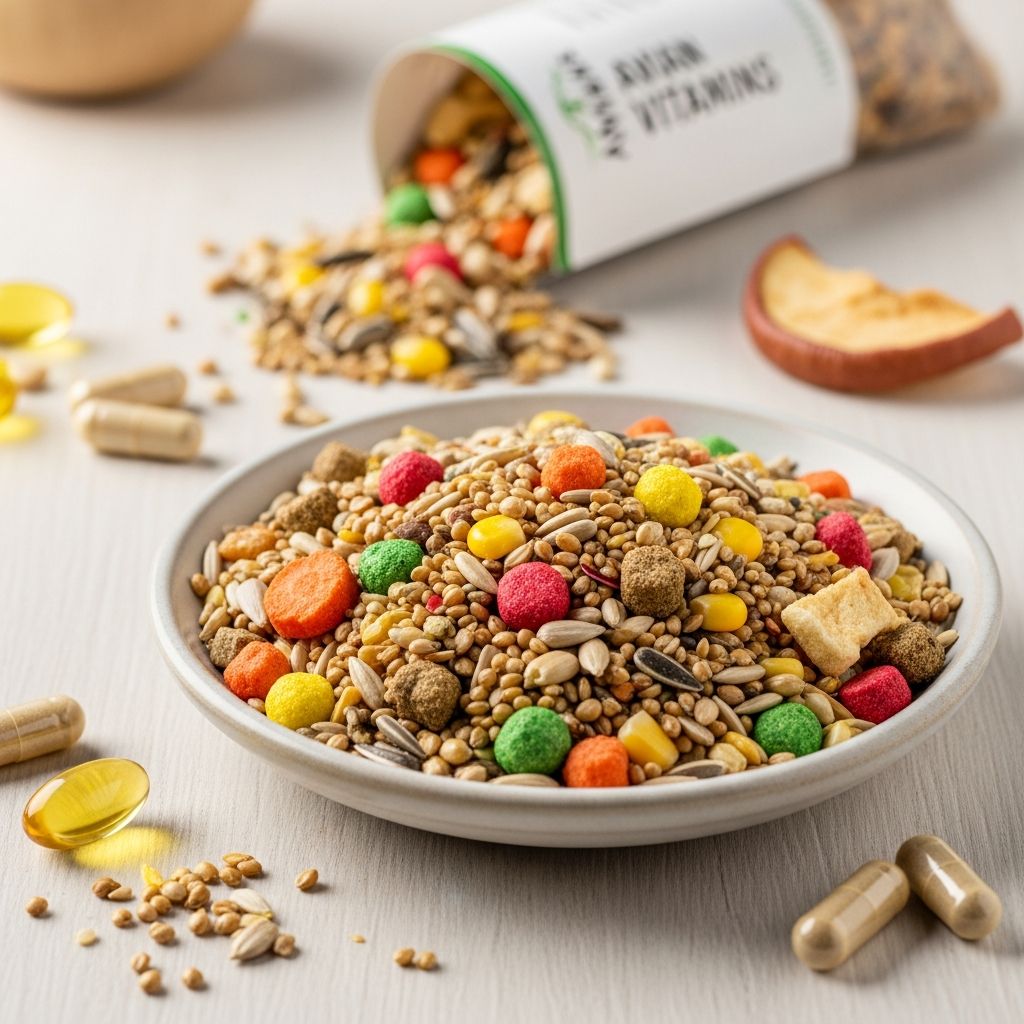
Bird Food Vitamins: Essential Supplements for Optimal Avian Health
Vitamins are organic compounds essential for the proper functioning of a bird’s body, playing critical roles in metabolism, immune function, reproduction, and overall health. Whether you’re caring for parrots, cockatiels, budgerigars, or other companion birds, understanding the role of vitamins in avian nutrition is fundamental to ensuring your feathered friend lives a long, healthy life. Unlike humans who can obtain most vitamins through varied diets, captive birds often require specialized supplementation to meet their nutritional needs. This comprehensive guide explores the importance of bird vitamins, the specific roles of different vitamin types, deficiency symptoms, and best practices for vitamin supplementation.
Understanding Fat-Soluble and Water-Soluble Vitamins
Vitamins in bird nutrition are typically classified into two main categories: fat-soluble and water-soluble vitamins. Each category has distinct characteristics that affect how birds absorb, store, and utilize them. Fat-soluble vitamins, including vitamins A, D, E, and K, are stored in the bird’s fatty tissues and liver, making their management more complex than water-soluble vitamins. Because these vitamins accumulate in body tissues, excessive supplementation can potentially lead to toxicity, requiring careful dosing and monitoring. Water-soluble vitamins, by contrast, are not stored in significant quantities and excess amounts are typically excreted through the kidneys, making overdose less likely but more frequent supplementation necessary.
Vitamin A: The Most Critical Bird Vitamin
Vitamin A stands out as the vitamin most commonly deficient in both captive and wild bird populations. The amount of vitamin A found in different foodstuffs varies considerably, making it difficult for bird owners to ensure adequate intake through diet alone. This fat-soluble vitamin plays an essential role in maintaining the health and function of the epithelial tissues that line the respiratory and gastrointestinal tracts. Inadequate vitamin A levels cause these fundamental cells to undergo morphological changes, rendering them unable to function properly and compromising the bird’s natural defense mechanisms.
Birds that are deficient in vitamin A typically exhibit several warning signs that indicate nutritional problems. These symptoms include anorexia (loss of appetite), poor physical conditioning, and increased susceptibility to infections. The compromised epithelial tissues become more vulnerable to bacterial and viral infections, creating a cascade of health problems. Seeds, which form the basis of many birds’ diets, are frequently low in vitamin A, making supplementation through pellets, fortified foods, or direct vitamin supplements crucial for maintaining optimal health. Recognizing these deficiency signs early allows bird owners to intervene quickly and prevent serious health complications.
Vitamin D: Sunlight and Supplementation
Vitamin D exists as a group of related compounds including vitamin D3 and vitamin D2, along with various metabolites that provide vitamin D activity in the body. While birds possess the natural ability to synthesize vitamin D when exposed to adequate ultraviolet light, most companion birds in captivity do not receive sufficient sunlight exposure for adequate vitamin D production. This reality makes dietary vitamin D supplementation essential for pet birds maintained indoors or in aviaries with limited natural sunlight exposure.
The hormonal actions of vitamin D make it indispensable for proper calcium and phosphorus metabolism, bone mineralization, and eggshell formation. For breeding birds, particularly females preparing for egg production, sufficient vitamin D becomes critically important. African grey parrots demonstrate particular vulnerability to hypocalcemic seizures—seizures caused by low calcium levels—a condition that becomes less prevalent when birds consume at least half their diet as pellets enriched with vitamin D3. Some African grey owners have found that their birds require greater exposure to unfiltered sunlight, highlighting the individual variation in vitamin D requirements among different species and individuals.
Vitamin E: Antioxidant Protection and Cell Health
Vitamin E comprises two groups of compounds with powerful antioxidant activity that work synergistically with enzymes to stabilize and protect cell membranes throughout the bird’s body. These protective enzymes require specific trace minerals—including zinc, manganese, selenium, and iron—to function optimally, demonstrating the interconnected nature of avian nutrition where one nutrient’s effectiveness depends upon the availability of others. When vitamin E deficiency develops, the bird’s absolute requirement for this vitamin increases, and birds become more susceptible to various health conditions.
Deficiencies of vitamin E result in multiple symptoms related to cell membrane dysfunction, with neurological signs being particularly common. Birds may exhibit tremors, loss of coordination, muscle weakness, or other neurological manifestations indicating cellular damage. The importance of vitamin E supplementation becomes even more critical during periods of stress or illness, when the bird’s antioxidant requirements increase significantly.
Vitamin K: Blood Clotting and Metabolic Function
Vitamin K, another essential fat-soluble vitamin, plays a crucial role in blood clotting and various metabolic functions throughout the bird’s body. While vitamin K deficiency is less commonly discussed than deficiencies of vitamins A and D, it remains an important consideration in comprehensive avian nutrition. Birds with inadequate vitamin K may exhibit excessive bleeding, poor wound healing, and increased susceptibility to hemorrhage, particularly after injury or during surgical procedures.
Water-Soluble Vitamins: B Complex and Vitamin C
The B-complex vitamins and vitamin C are water-soluble vitamins that serve critical functions in energy metabolism, nervous system function, and immune support. These vitamins are not stored in significant quantities within the body, requiring more regular dietary intake. B vitamins are essential for converting food into usable energy and supporting nervous system function, while vitamin C supports immune function and acts as an antioxidant. Unlike some animals, birds’ ability to synthesize vitamin C internally is limited, making dietary sources important for optimal health.
Mineral Balance and Calcium Requirements
While not technically vitamins, minerals work closely with vitamins in maintaining avian health, and their deficiency often accompanies vitamin deficiencies. Calcium is the mineral required in the largest quantity by birds. It is necessary for bone mineralization, eggshell calcification, and proper nerve conduction. Although specific calcium requirements for psittacine species have not been definitively determined, maintenance requirements for chickens are approximately 0.1% of the diet. Notably, many seeds consumed by companion birds contain less than 0.03% calcium, indicating that birds eating seed-based diets are likely deficient in this critical mineral.
Calcium deficiency occurs through multiple pathways: insufficient dietary calcium, inadequate active vitamin D (whether from lack of sunlight exposure or insufficient dietary sources), or excessive phosphorus in the diet. The calcium-to-phosphorus ratio is particularly important, with optimal ratios ranging between 1.4:1 and 4:1 when vitamin D levels are adequate. African grey parrots, as mentioned earlier, demonstrate particular vulnerability to hypocalcemic seizures, a serious neurological emergency that can be fatal if not treated promptly.
Egg Binding and Seed-Based Diet Deficiencies
One of the most serious conditions associated with inadequate calcium and vitamin D is egg binding in female birds, particularly cockatiels. Egg binding occurs when a female bird cannot expel a calcified egg, creating a potentially life-threatening emergency. The underlying cause in many cases traces directly back to nutritionally incomplete seed-based diets lacking sufficient calcium and active vitamin D. Female birds preparing for breeding require enhanced calcium and vitamin D to support eggshell formation and mineralization. Ensuring adequate supplementation during breeding season and providing pelleted foods formulated to meet complete nutritional requirements can significantly reduce the risk of this serious condition.
Comprehensive Vitamin Supplementation Strategies
Modern formulated bird foods, particularly pellets and Nutri-Berries developed by avian veterinarians and nutritionists, incorporate all necessary vitamins and minerals in appropriate ratios to prevent deficiencies. These foods contain all 40 nutrients essential to bird health, making additional supplementation unnecessary when they constitute the primary diet. Lafeber’s specialized formulations, for example, include essential omega fatty acids, chelated minerals for optimal absorption, and concentrated vitamin complexes designed to maintain immune function and overall health.
However, birds consuming primarily seed-based diets or those undergoing stress, illness, or breeding require supplemental vitamins. Concentrated vitamin powders containing all 13 essential vitamins can be mixed into soft foods, water, or sprouted seeds to ensure adequate intake. A measuring spoon included with quality vitamin supplements ensures proper dosing, preventing both deficiency and potential toxicity from overdosing fat-soluble vitamins.
Species-Specific Nutritional Considerations
Different bird species have evolved with distinct dietary preferences, which should inform supplementation strategies. Frugivore-granivores like scarlet macaws naturally consume diverse diets of fruits, nuts, bark, leaves, and roots, requiring supplementation that reflects this variety. Granivores such as budgerigars and cockatiels, adapted to seed-based diets, are particularly vulnerable to nutritional deficiencies and benefit most from pelleted supplements. Omnivorous species like sulphur-crested cockatoos, which consume seeds, grubs, and other plant matter in the wild, require varied supplementation reflecting their ecological dietary patterns. Understanding your bird’s species and natural feeding ecology allows for more targeted and effective nutritional support.
Frequently Asked Questions About Bird Vitamins
Q: Do I need to add vitamins to pelleted diets?
A: No. Quality pelleted diets formulated by avian nutritionists contain all necessary vitamins and minerals in appropriate ratios. Additional supplementation is unnecessary and potentially harmful when feeding complete pellet-based diets. However, if feeding primarily seeds or homemade foods, vitamin supplementation becomes essential.
Q: Are water-soluble vitamins more effective than fat-soluble vitamins?
A: Both types serve different purposes and are equally essential. Water-soluble vitamins require more frequent intake since excess amounts are excreted, while fat-soluble vitamins accumulate in tissues and require more careful dosing to avoid toxicity. Quality supplementation should include both types.
Q: How can I tell if my bird has a vitamin deficiency?
A: Common signs include loss of appetite, poor feather quality, lethargy, neurological symptoms like tremors or coordination loss, increased infection susceptibility, and in females, egg binding. If you notice these symptoms, consult an avian veterinarian for diagnosis and treatment.
Q: Should my bird have outdoor sun exposure for vitamin D?
A: Yes, unfiltered natural sunlight helps birds synthesize vitamin D. However, window glass blocks ultraviolet rays, so true outdoor exposure is needed. For birds unable to access outdoor time, dietary vitamin D3 supplementation becomes particularly important. Some species like African greys may require additional sunlight exposure.
Q: Can I over-supplement vitamins?
A: Yes, particularly with fat-soluble vitamins (A, D, E, K) which accumulate in tissues and can reach toxic levels with excessive supplementation. Always follow dosing guidelines provided with supplements and consult your avian veterinarian before adding supplements to complete pelleted diets.
Q: What’s the best way to administer vitamin supplements?
A: Concentrated vitamin powders can be mixed into soft foods like mashed fruits or vegetables, sprouted seeds, or water-based preparations. Adding to water alone is less effective since many birds don’t drink consistently. Direct mixing with food ensures more reliable intake of the supplement.
Conclusion: Optimizing Your Bird’s Nutritional Health
Providing optimal vitamin and mineral supplementation is fundamental to maintaining your bird’s health, supporting immune function, enabling proper growth and reproduction, and preventing serious nutritional diseases. Whether through carefully formulated commercial diets or targeted supplementation strategies, meeting your bird’s vitamin requirements should be a cornerstone of avian care. By understanding the specific roles of different vitamins, recognizing deficiency symptoms, and implementing appropriate supplementation based on your bird’s diet, species, and life stage, you can help ensure your feathered companion enjoys vibrant health and longevity.
References
- Avian Nutrition Revisited: Clinical Perspectives — Lafeber Company. Accessed 2025. https://lafeber.com/pet-birds/avian-nutrition-revisited-clinical-perspectives/
- Expert Panel on Companion Bird Nutrition — LafeberVet. Accessed 2025. https://lafeber.com/vet/expert-panel-on-companion-bird-nutrition/
- Bird Food Guide: An Insider’s Guide to The Ideal Avian Diet — Lafeber Company. Accessed 2025. https://lafeber.com/pet-birds/bird-food-guide/
- Vitamins — Lafeber Company Pet Food Products. Accessed 2025. https://lafeber.com/pet-food/bird-food/vitamins/
- Summer Diet Plan after Breeding Season — Lafeber Pet Birds. Accessed 2025. https://lafeber.com/pet-birds/questions/summer-diet-plan-after-breeding-season/
Similar Articles








Read full bio of Sneha Tete


