

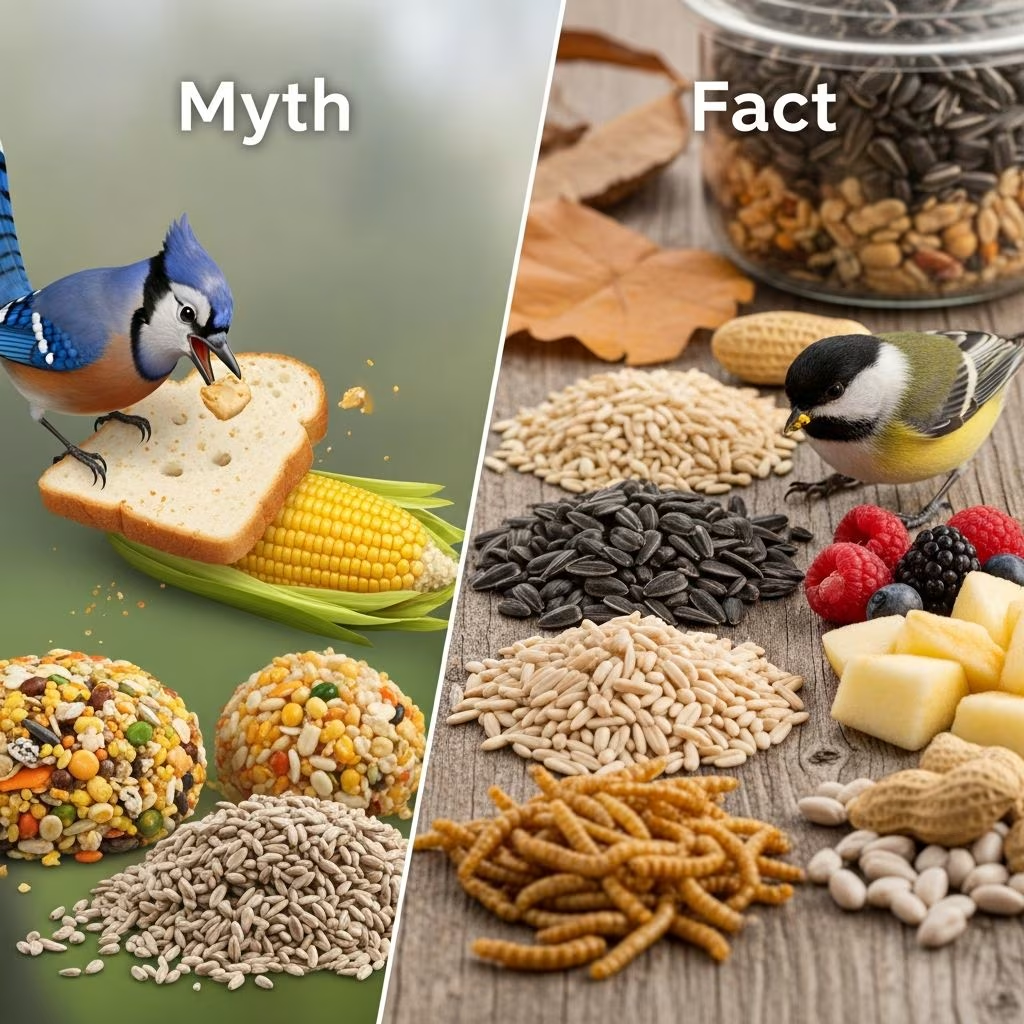
Understanding Bird Nutrition: Myths and Facts
Pet bird owners often encounter conflicting advice about what to feed their feathered companions. From well-meaning friends to outdated information circulating online, myths about bird nutrition are abundant and can potentially harm your bird’s health. Understanding the difference between myth and fact is crucial for providing your pet bird with the nutrition it needs to thrive. This comprehensive guide separates common misconceptions from evidence-based nutritional science, helping you make informed decisions about your bird’s diet.
Myth: Seeds Are a Complete Diet for Pet Birds
One of the most persistent myths in bird care is that a seed-only diet provides all the nutrition a pet bird needs. Many bird owners rely on seed mixes as their bird’s primary food source, believing that this mimics what birds eat in the wild. However, this assumption overlooks significant nutritional deficiencies.
Bird seed mixes typically contain safflower seeds, sunflower seeds, millet seed, canary seed, hemp seed, and thistle seed. While seeds are calorie-dense and provide certain nutrients, they lack the balanced nutrition required for optimal bird health. Most importantly, seeds are deficient in essential vitamins and minerals, particularly vitamin A and calcium, which are critical for bone health, immune function, and overall wellbeing.
Additionally, pet birds exhibit selective eating behavior. They instinctively pick through seed mixes and choose their favorites—usually the higher-fat seeds like sunflower and safflower seeds—while discarding others. This selective feeding pattern exacerbates nutritional imbalances, leaving birds deficient in vital nutrients they need to maintain good health.
Fact: Pellets Should Be the Foundation of Your Bird’s Diet
Bird pellets are manufactured diets specifically formulated to provide complete and balanced nutrition for pet birds. Unlike seeds, pellets are created by grinding various food items—typically grains such as corn, soybean, and oat groats—together with added vitamins, minerals, and other essential nutrients. The ingredients are thoroughly blended and formed into uniform shapes, preventing birds from selectively eating only their preferred items.
Since birds cannot pick out individual components from pellets, they consume a nutritionally complete diet with each bite. This uniform composition ensures that your bird receives proper ratios of vitamins, minerals, proteins, and other essential nutrients every single day. For most pet birds, veterinarians recommend a base diet comprised primarily of high-quality bird pellets.
The transition to a pellet-based diet requires patience, especially if your bird has been accustomed to seeds. Many birds initially resist pellets due to taste and texture preferences, but with consistent exposure and positive reinforcement, most birds eventually accept and enjoy this healthier diet option.
Myth: All Bird Foods Are Nutritionally Equivalent
Another common misconception is that all commercial bird foods provide similar nutritional value. In reality, bird food quality varies dramatically between brands and product types. Some commercially available bird foods contain excessive fillers, inadequate vitamin and mineral supplementation, or outdated formulations that don’t meet modern nutritional standards.
When selecting bird food, it’s essential to read ingredient lists carefully and choose products from reputable manufacturers. Look for pellets that have been tested for nutritional completeness and that contain appropriate levels of all essential nutrients for your specific bird species.
Fact: A Varied Diet Promotes Better Health and Enrichment
While pellets should form the foundation of your bird’s diet, variety is essential for both nutritional completeness and psychological enrichment. Birds naturally forage for diverse food sources in their native environments, and captive birds benefit from dietary variety that mimics this natural behavior.
A well-rounded bird diet should include the following components:
Fresh Vegetables and Greens
Fresh vegetables should be offered daily and should comprise approximately 20-30% of your bird’s overall diet. Safe vegetables include leafy greens, carrots, broccoli, bell peppers, and squash. Always wash vegetables thoroughly to remove pesticides, and avoid adding any dressings or seasonings. Remove uneaten fresh food after a few hours to prevent spoilage and bacterial growth.
Fruits in Moderation
Fruits can be offered occasionally as treats, but they should be limited due to their high sugar content. Safe fruits include apples (without seeds), berries, grapes, and melons. Always remove uneaten fruit promptly to prevent fermentation and bacterial contamination.
Proteins and Legumes
Proteins are essential for feather growth, muscle development, and immune function. Plant-based proteins such as broccoli, quinoa, soybeans (edamame), legumes, beans, nuts, and sprouts provide excellent nutrition. For animal-based proteins, offer well-cooked, unseasoned chicken, turkey, or fish. Unseasoned scrambled eggs are another nutritious option, and you can even include crushed eggshells for added calcium.
Nuts and Seeds as Supplements
While seeds should not form the diet’s foundation, they can be offered in moderation as supplements and enrichment. Similarly, nuts provide valuable nutrition, particularly for larger parrot species like macaws that require extra protein sources. Offer plain nuts only—never salted, honey-roasted, or flavored varieties. Good nut options include walnuts, almonds, hazelnuts, and macadamia nuts.
Myth: Chocolate and Caffeine Are Safe Treats for Birds
One of the most dangerous myths in bird nutrition is that small amounts of chocolate or caffeine-containing products are harmless treats. In reality, both chocolate and caffeine pose serious health risks to birds and should never be offered under any circumstances.
Chocolate contains a compound called theobromine, which functions as a stimulant similar to caffeine. In birds, theobromine can cause severe health consequences including heart problems, depression, regurgitation, seizures, liver damage, and even death. The thick consistency of chocolate makes it difficult for birds to eliminate from their bodies, meaning even small amounts can accumulate to toxic levels.
A bird’s body weight is dramatically lower than that of humans, so significantly smaller volumes of harmful substances cause proportionally larger effects. What might seem like a negligible amount to a human can be lethal to a bird. Additionally, chocolate candy compounds the danger through high sugar content, which is inherently unhealthy for birds.
Similarly, caffeinated beverages including coffee, tea, and energy drinks should never be shared with your pet bird. The stimulant effects can cause serious cardiovascular and neurological damage.
Myth: Avocado is Safe for All Parrot Species
Some bird owners believe that avocado—a food often suggested as healthy for humans—is safe for parrots. This is a dangerous misconception. Avocado contains a compound called persin, which is toxic to birds and can cause serious illness or death.
Avocado appears to be especially harmful to smaller bird species such as lovebirds, budgies, and cockatiels, which can become critically ill and die within one to two days of consuming avocado. However, larger parrot species are also susceptible to avocado toxicity, though they may tolerate small exposures for longer periods before showing symptoms.
To ensure your bird’s safety, completely avoid avocado in all forms, including guacamole and other avocado-containing products. This prohibition applies to all parrot species regardless of size.
Fact: Certain Foods Are Universally Dangerous for Birds
Beyond chocolate and avocado, several other foods pose significant health risks to pet birds and should be strictly avoided:
Shellfish and Contaminated Proteins
Shellfish should not be fed to birds because it can be toxic. While humans may occasionally tolerate contaminated shellfish, birds are far more sensitive to toxins and pathogens, making it prudent to avoid shellfish entirely. Similarly, uncooked, undercooked, or reheated animal proteins carry elevated risk of bacterial infection, including Salmonella and E. coli. Always offer only freshly cooked, fully cooked animal proteins to your bird.
Salty and Seasoned Foods
Birds should never be offered salty snacks, heavily seasoned foods, or any human food preparations containing salt, sugar, or artificial additives. These substances can damage birds’ delicate kidneys and digestive systems.
Toxic Plant Material
Certain plant parts are toxic to birds. Plant material from nightshade vegetables should be avoided, as these plants contain alkaloids that can cause gastrointestinal and neurological damage. Additionally, seeds and pits from rose family fruits (including apples, peaches, and apricots) contain cyanogenic compounds and should never be offered to birds.
Raw Beans and Xylitol
Uncooked beans contain phytohemagglutinin, a toxin that causes severe gastrointestinal distress. Beans must be thoroughly cooked before offering to birds. Xylitol, an artificial sweetener found in many sugar-free products, is highly toxic to birds and can cause rapid liver failure.
Myth: Store-Bought Treats Are Always Safe
While commercial bird treats can be part of enrichment and bonding experiences, not all store-bought treats are nutritionally appropriate or safe. Some treats contain excessive sugar, artificial colorants, or questionable ingredients. When selecting treats, examine ingredient labels carefully and choose products from reputable manufacturers that prioritize bird health.
Treats should be offered sparingly and should constitute no more than 10% of your bird’s daily caloric intake. Natural, whole-food treats such as small pieces of fresh fruit, vegetables, or unsalted nuts are generally safer choices than processed commercial treats.
Fact: Proper Feeding Schedules Support Optimal Health
Beyond food selection, establishing consistent feeding schedules is important for bird health. Fresh pellets should be offered daily, with uneaten portions removed after 24 hours to prevent spoilage. Fresh water should be provided continuously and changed at least daily to prevent bacterial contamination.
The quantity of food depends on your bird’s species, size, age, and activity level. Most birds should be offered approximately 1/4 to 1/2 cup of pellets daily, supplemented with fresh vegetables and occasional fruits. Consult with your avian veterinarian to determine appropriate portion sizes for your individual bird.
Myth: Birds Don’t Need Veterinary Nutritional Guidance
Some bird owners assume they can manage their bird’s nutrition without professional guidance. However, avian nutrition is complex and varies significantly based on species, age, health status, and individual metabolism. What works for one bird may be inappropriate for another.
Your avian veterinarian can assess your bird’s individual nutritional needs, evaluate whether current diet is meeting those needs, and make recommendations for dietary adjustments based on your bird’s specific circumstances. Regular veterinary check-ups provide opportunities to discuss nutrition and ensure your bird is receiving optimal care.
Frequently Asked Questions
Q: Can I give my bird table scraps?
A: Some table scraps can be offered in moderation if they’re unseasoned and free from harmful ingredients. However, most human foods contain salt, sugar, or spices that are inappropriate for birds. Stick to offering plain, unseasoned vegetables, grains, and cooked proteins to ensure safety.
Q: How quickly should I transition my bird to a pellet-based diet?
A: Transition gradually over 4-6 weeks to allow your bird to adjust to the new taste and texture. Mix increasing proportions of pellets with familiar seeds, gradually increasing the pellet percentage until your bird is eating primarily pellets supplemented with fresh foods.
Q: Are organic bird foods worth the extra cost?
A: Organic bird foods may reduce pesticide exposure, but nutritional completeness is more important than organic certification. Choose complete, balanced pellets from reputable manufacturers regardless of organic status.
Q: What should I do if my bird eats something toxic?
A: Contact your avian veterinarian or emergency veterinary clinic immediately. Provide information about what substance your bird consumed and when exposure occurred. Prompt veterinary intervention can be lifesaving in toxicity cases.
Q: Do different bird species have different nutritional requirements?
A: Yes, nutritional requirements vary among species. Large parrots like macaws require higher protein and fat, while smaller birds have different needs. Consult species-specific guidelines and your veterinarian for appropriate diet recommendations.
Q: How can I make mealtimes more enriching for my bird?
A: Offer varied foods, include novel safe vegetables and fruits, use puzzle feeders, and prepare homemade birdie bread or cooked vegetable mixes. Variety in presentation and food types enhances both nutrition and psychological wellbeing.
References
- Bad Foods For Parrots — Chewy Editorial. 2024-11-28. https://www.chewy.com/education/bird/parrot/bad-foods-for-parrots
- What Do Parrots Eat? — Chewy Editorial. 2024-11-28. https://www.chewy.com/education/bird/parrot/what-do-parrots-eat
- Seeds vs Pellets: Which Is Better for Your Pet Bird? — Chewy Editorial. 2024-11-28. https://www.chewy.com/education/bird/feed-and-nutrition/seeds-vs-pellets
- 16 Foods That Are Harmful or Poisonous to Pet Birds — Chewy Editorial. 2024-11-28. https://www.chewy.com/education/bird/food-and-nutrition/dont-feed-your-pet-bird-these-6-foods



