
Bird Flu Risks in Cats: Protection Guide
Understand H5N1 avian influenza threats to cats, spot early signs, and implement proven prevention strategies for your feline companions.
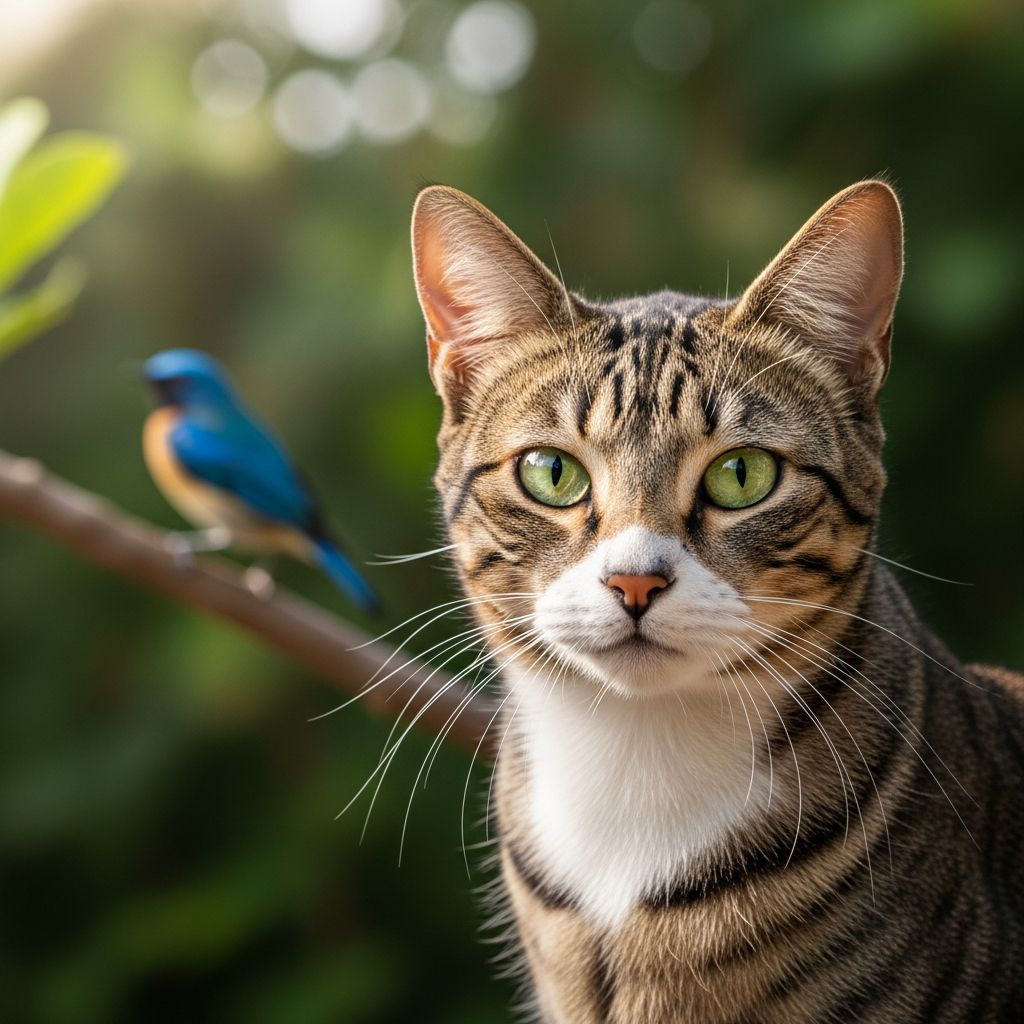
Avian influenza A(H5N1), commonly known as bird flu, poses a serious threat to cats, with recent surges in cases linked to the highly pathogenic clade 2.3.4.4b. Cats exhibit heightened susceptibility, often facing fatal outcomes from infections acquired through contact with infected birds or contaminated materials. This guide explores the virus’s impact on felines, drawing from authoritative veterinary and health sources to equip pet owners with actionable knowledge.
The Nature of H5N1 and Its Spread to Mammals
Bird flu primarily circulates among wild birds and poultry, but the H5N1 strain has adapted to infect mammals, including domestic cats. A systematic review of cases from 2004 to 2024 documented 607 infections across 12 feline species in 18 countries, with 71.3% of confirmed cases proving fatal. Half occurred in Asia, followed by Europe and North America, showing a sharp rise in 2023-2024 tied to clade 2.3.4.4b’s emergence.
Cats become infected mainly by hunting or scavenging dead birds like pigeons or chickens, or consuming raw poultry products. Indoor cats face risks too, as seen in Colorado cases with no obvious exposure, hinting at unknown routes such as contaminated raw milk from infected cattle. The virus spreads via respiratory droplets, direct contact, or fomites (contaminated surfaces), mirroring human flu transmission patterns.
Recognizing Symptoms in Infected Cats
Early detection is vital, as H5N1 progresses rapidly in cats. Initial signs mimic common illnesses: loss of appetite, lethargy, and fever. Progression brings severe indicators, including:
- Neurological issues like ataxia (uncoordinated movement), circling, tremors, seizures, or blindness.
- Respiratory distress: rapid or labored breathing, sneezing, coughing, nasal/ocular discharge.
- Severe depression, jaundice, dyspnea (breathing difficulty), and enteric signs.
Some cats develop eye inflammation (chorioretinitis) from raw milk exposure, while others show subclinical infection. Mortality is high, with neurologic and respiratory failure common. Misdiagnosis as rabies occurs due to encephalitis-like symptoms.
Transmission Pathways: From Birds to Cats and Beyond
| Transmission Route | Description | Risk Level for Cats |
|---|---|---|
| Bird Contact | Hunting/scavenging infected wild birds or poultry | High |
| Raw Food | Consuming raw chicken, milk, or colostrum from infected sources | High |
| Cat-to-Cat | Direct contact, shared litter, or droplets | Possible, unconfirmed for H5N1 |
| Human-to-Cat | Via contaminated clothing or close contact with infected people | Low but emerging evidence |
| Fomite/Airborne | Surfaces or respiratory droplets | Moderate |
Settings like farms, zoos, shelters, and rural areas report most cases, with 62.6% involving domestic cats. While cat-to-human risk remains low, prolonged exposure elevates it, especially for veterinarians. No sustained human-to-human spread exists, but surveillance is urged.
Prevention Strategies for Cat Owners
Simple measures drastically reduce risk. Keep cats indoors to block bird hunting. Avoid raw diets; opt for commercially cooked or heat-treated foods. Do not feed unpasteurized milk or raw poultry.
- Supervise Outdoor Time: Prevent access to dead wildlife.
- Hygiene Protocols: Wash hands, change clothes after farm/poultry contact before petting cats.
- Vet Checkups: Monitor for symptoms; seek immediate care for illness.
- Shelter/Farm Precautions: Use PPE when handling suspect animals.
Vaccination against H5N1 for cats is unavailable, so behavioral controls are key.
Recent Outbreaks and Global Trends
The 2023-2024 spike correlates with H5N1’s mammal adaptation, affecting cats in the US, Europe, Asia, and South America. US cases include dairy-linked indoor cats, while Europe reports zoo and wild felines. Underreporting is likely due to post-mortem testing and rabies confusion. Experts call for enhanced surveillance in high-risk groups like barn cats.
Veterinary Response and Diagnosis
Suspect cases require PCR confirmation. Vets note rapid deterioration, urging prompt isolation. Treatment is supportive—fluids, oxygen, anti-inflammatories—but prognosis is poor. Report cases to authorities like USDA or local health departments.
FAQs on Bird Flu in Cats
Can indoor cats get bird flu?
Yes, though rare, via contaminated raw food, human contact, or fomites.
Is bird flu from cats contagious to humans?
Extremely low risk, but possible with close, unprotected exposure.
What if my cat hunts birds?
High risk—keep indoors and monitor closely.
Are there vaccines for cats?
No specific H5N1 vaccine; prevention is behavioral.
How quickly do symptoms appear?
Within days of exposure, progressing fast.
Protecting Multi-Pet Households
In homes with multiple cats, isolate suspects immediately. Disinfect surfaces with EPA-approved virucides. Monitor all pets for shared symptoms, as cat-to-cat spread is plausible.
Bird flu underscores evolving zoonotic threats. By staying vigilant, owners can shield cats from this peril.
References
- Avian influenza A (H5N1) in cats — AVMA. 2024. https://www.avma.org/resources-tools/animal-health-and-welfare/animal-health/avian-influenza/avian-influenza-h5n1-cats
- Spike in avian flu cases in cats triggers worry about human spillover — CIDRAP, University of Minnesota. 2024-10-09. https://www.cidrap.umn.edu/avian-influenza-bird-flu/spike-avian-flu-cases-cats-triggers-worry-about-human-spillover
- Avian influenza in cats — World Organisation for Animal Health (WOAH). 2023-07. https://www.woah.org/app/uploads/2023/07/qa-avian-influenza-in-cats.pdf
- About Cat Flu | Influenza in Animals — CDC. Accessed 2026. https://www.cdc.gov/flu-in-animals/about/cat-flu.html
- Bird Flu in Pets and Other Animals — CDC. Accessed 2026. https://www.cdc.gov/bird-flu/risk-factors/bird-flu-in-pets.html
Similar Articles








Read full bio of medha deb




