

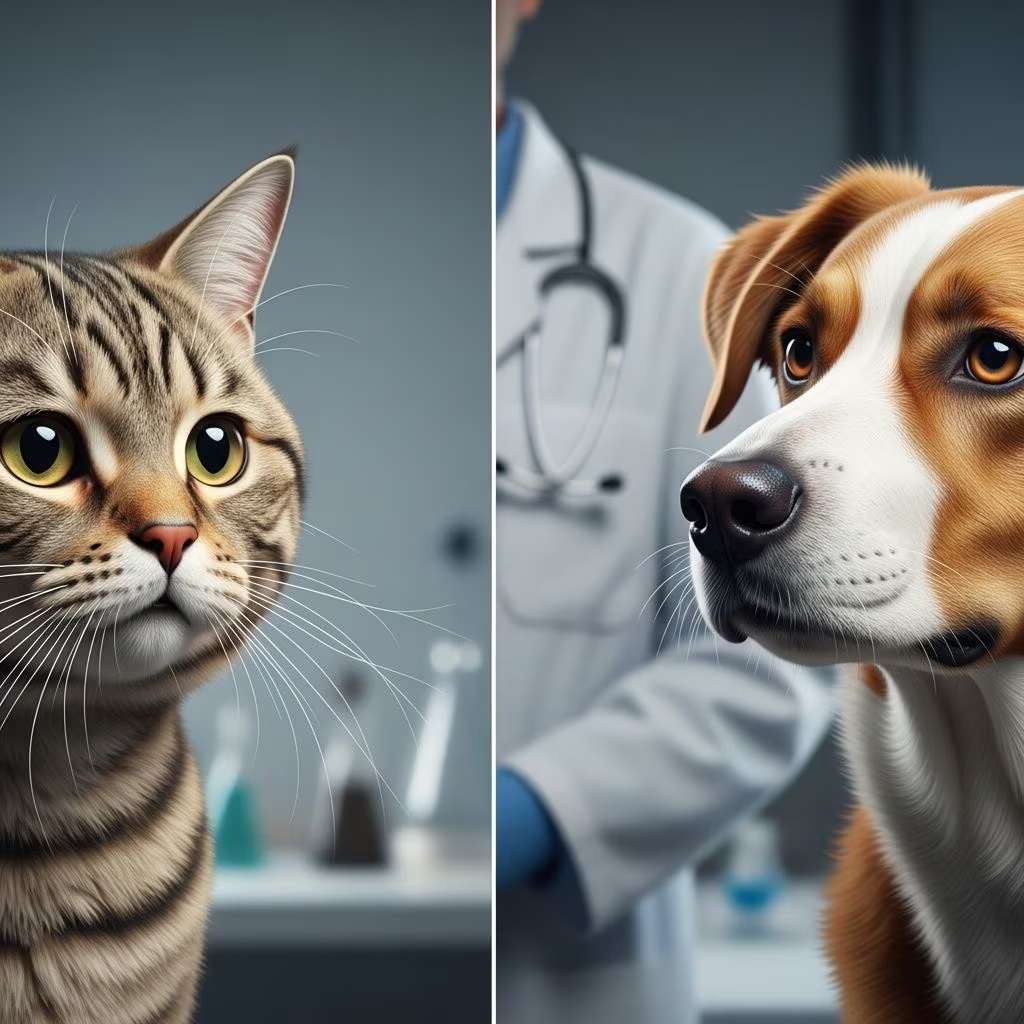
Highly pathogenic avian influenza, commonly known as **bird flu** or H5N1, primarily affects birds but can infect mammals including cats and dogs. Since 2024, dozens of cases have emerged in U.S. pets, especially cats exposed to infected wild birds or raw milk, posing a low but serious risk requiring immediate action.
What Is Bird Flu?
Bird flu refers to influenza A viruses like H5N1 that cause severe disease in poultry and wild birds. These viruses have spilled over to mammals, including cats, dogs, dairy cows, and humans in rare instances. In pets, infection often leads to rapid, life-threatening illness with high fatality rates due to the virus’s high pathogenicity.
The current outbreak strain, clade 2.3.4.4b, has circulated globally since 2020, infecting wild birds and leading to detections in U.S. cats since March 2024. Cats are particularly susceptible as hunters, while dogs face lower risk.
How Does Bird Flu Spread to Cats and Dogs?
Bird flu spreads to pets primarily through direct contact with infected birds, their saliva, feces, or contaminated environments. Key transmission routes include:
- Consuming infected birds: Cats hunting and eating wild birds like geese or gulls.
- Raw milk or food: Unpasteurized milk from infected cows or raw poultry in pet diets.
- Contaminated surfaces: Exposure to droppings near bird feeders or water sources.
- Other animals: Contact with infected farm animals or sick/dead wildlife.
Dogs are less prone but can contract it similarly, though cases remain rare. No evidence shows pet-to-pet or pet-to-human transmission under normal conditions, but isolation is advised during outbreaks.
Symptoms of Bird Flu in Cats and Dogs
Symptoms appear rapidly, often within days of exposure, and can progress to severe respiratory or neurological issues. Common signs in both cats and dogs include:
- **Fever** and **lethargy**: Elevated temperature and extreme tiredness.
- **Loss of appetite**: Refusal to eat or drink.
- **Eye issues**: Reddened eyes, conjunctivitis, copious discharge.
- **Respiratory distress**: Coughing, sneezing, nasal discharge, trouble breathing.
- **Neurological signs**: Tremors, seizures, incoordination, circling, sudden blindness (more common in cats).
Cats often show oculonasal discharge and breathing difficulties first, while dogs may exhibit milder or similar nonspecific signs. Any combination, especially with exposure history, signals a veterinary emergency.
| Symptom | Cats | Dogs |
|---|---|---|
| Fever/Lethargy | Common | Common (rarer overall) |
| Eye/Nasal Discharge | Copious, severe | Mild to moderate |
| Breathing Issues | Frequent | Possible |
| Neurologic Signs | Frequent (blindness, seizures) | Rare |
Source: Synthesized from veterinary reports.
Diagnosis of Bird Flu in Cats and Dogs
Diagnosing bird flu is challenging due to overlapping symptoms with other illnesses. Vets start with:
- History and exposure check: Questions about raw milk, dead birds, or wild bird contact.
- Physical exam: Assessing fever, discharge, breathing, and neurological status.
- Lab tests: PCR swabs from nose/eyes/throat, blood tests, or tissue samples postmortem. Confirmed via state labs or CDC.
Isolation protocols apply during testing to prevent spread. Early detection improves supportive care chances.
Treatment for Bird Flu in Cats and Dogs
No specific antiviral cure exists for bird flu in pets. Treatment is supportive to manage symptoms and complications:
- Isolation: Quarantine to limit spread.
- Fluids and nutrition: IV hydration, feeding tubes if needed.
- Oxygen therapy: For respiratory distress.
- Antibiotics: Prevent secondary bacterial infections.
- Symptom relief: Anti-inflammatories, anticonvulsants for neuro signs.
Prognosis is poor; many cats do not survive due to rapid progression. Hospitalization is standard for severe cases.
Prevention: How to Protect Your Cats and Dogs from Bird Flu
Prevention focuses on minimizing exposure:
- Keep cats indoors: Prevent hunting wild birds, especially during outbreaks.
- Supervise dogs: Leash walks, avoid bird-heavy areas.
- Avoid raw products: No raw milk, poultry, or unprocessed pet food.
- Clean environments: Disinfect surfaces, wash hands after outdoor time.
- Monitor advisories: Check CDC/USDA for local risks; vaccinate poultry if applicable.
- Bird feeders: Clean regularly or remove to deter wild birds.
Farm or outdoor pets face higher risks; use PPE for vets handling suspects.
Risk to Humans from Pet Bird Flu
Human risk from pets is extremely low. No confirmed pet-to-human transmissions reported. Focus remains on direct wild bird/poultry exposure. Monitor for flu-like symptoms if handling sick pets and seek medical care.
Frequently Asked Questions (FAQs)
Q: Can my indoor cat get bird flu?
A: Risk is very low for strictly indoor cats not fed raw products, but possible via contaminated items. Keep them inside.
Q: Is raw pet food safe amid bird flu outbreaks?
Q: A: No—avoid raw poultry or milk; switch to cooked/commercial kibble.
Q: What if my pet ate a dead bird?
A: Monitor closely for symptoms 1-5 days; contact vet immediately if signs appear. Isolate if possible.
Q: Are there vaccines for pets?
A: No approved vaccines for cats/dogs yet; prevention is behavioral.
Q: How fatal is bird flu in cats?
A: Highly fatal—many cases result in death despite care. Early intervention key.
Q: Should I worry about my dog?
A: Less than cats, but supervise outdoors and avoid raw foods.
This comprehensive guide equips pet owners to recognize and mitigate bird flu risks. Stay vigilant with credible updates from authorities.
References
- Bird Flu in Cats: What It Is and How To Protect Your Cat — PetMD. 2024. https://www.petmd.com/cat/conditions/respiratory/bird-flu-in-cats
- Avian Flu and Your Pets — VCA Animal Hospitals. 2025. https://vcahospitals.com/know-your-pet/avian-flu-and-your-pets
- Bird Flu in Pets — Live Oak Animal Hospital. 2024. https://www.liveoaklubbock.com/cats/bird-flu-in-cats/
- Understanding Avian Flu: What Pet Owners Should Know — ZippiVet. 2024. https://zippivetkyle.com/news/understanding-avian-flu
- Cats and Dogs | Highly Pathogenic Avian Influenza (Bird Flu) Resource Center — Cornell University College of Veterinary Medicine. 2025-09-09. https://www.vet.cornell.edu/highly-pathogenic-avian-influenza-bird-flu-resource-center/cats-and-dogs
- Bird Flu in Pets — CDC. 2025. https://www.cdc.gov/bird-flu/risk-factors/bird-flu-in-pets.html



