

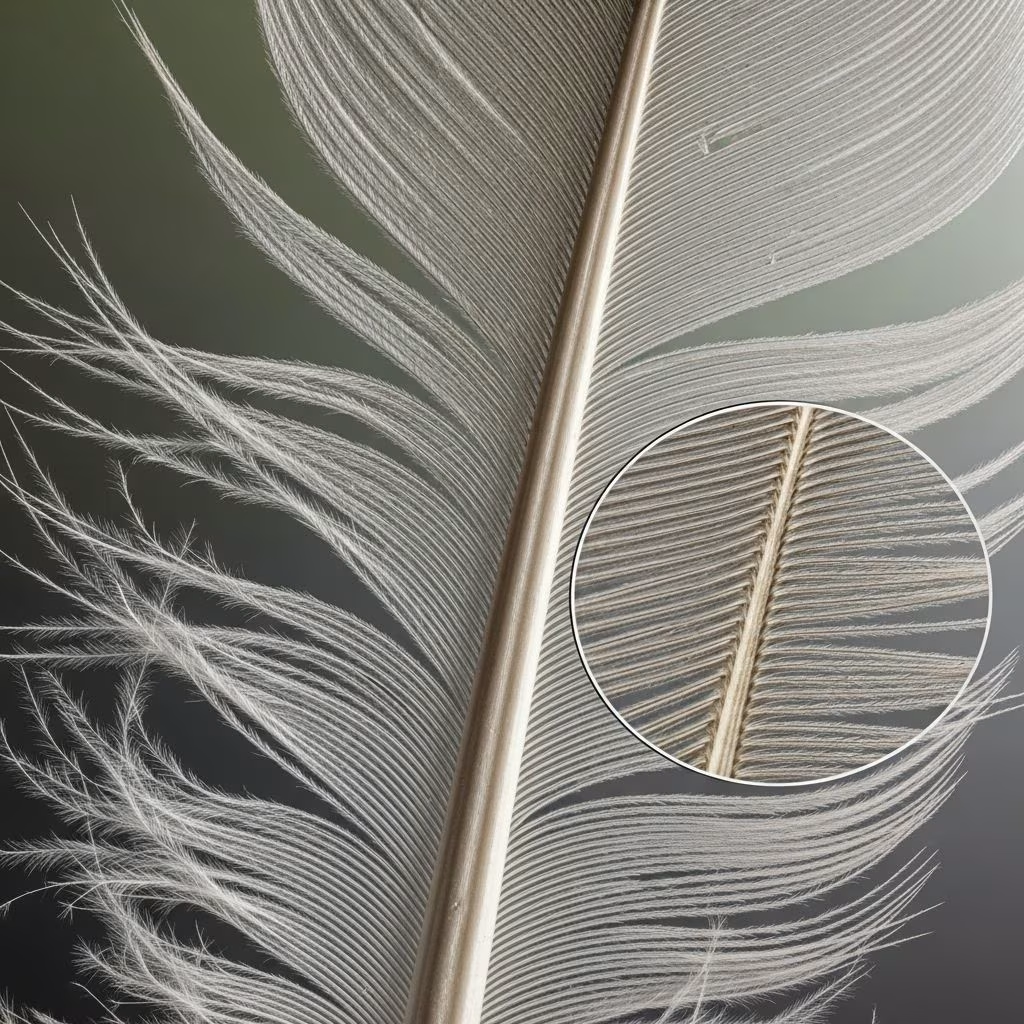
Understanding Bird Feather Anatomy
Bird feathers are remarkable biological structures that serve multiple critical functions for avian survival and well-being. From enabling flight to providing insulation and facilitating communication, feathers are among the most sophisticated adaptations found in the animal kingdom. Whether you’re a bird enthusiast or a pet bird owner, understanding feather anatomy is essential for appreciating these incredible creatures and ensuring their proper care.
Feathers are composed of specialized protein structures that work together in perfect harmony. Each feather, no matter its type or size, follows a consistent anatomical design that has evolved over millions of years to meet specific biological needs. The complexity of feather structure reflects the diverse roles these features play in a bird’s daily life.
The Basic Structure of a Feather
A typical feather consists of several interconnected components that work together to create a functional and often beautiful structure. Understanding these basic parts provides the foundation for comprehending how different feather types serve distinct purposes.
The shaft forms the central support system of the feather. The upper portion of the shaft is called the rachis, which is a solid structure that supports the flat vanes on either side. The lower portion, called the calamus, is hollow and anchors the feather into a follicle beneath the bird’s skin. This anchor point is crucial for feather attachment and stability.
The vane refers to the entire flat area of the feather on either side of the rachis. This visible portion creates the distinctive feather shape we recognize. The vane is constructed from smaller strands called barbs, which branch off from the central rachis like branches from a tree trunk.
Even smaller structures called barbules branch off from each barb. These microscopic strands often feature tiny hooks at their ends that interlock with neighboring barbules, creating a smooth, sealed surface. This interlocking mechanism is what gives many feathers their sleek appearance and aerodynamic properties. When barbules don’t interlock, they create a soft, downy texture instead.
Feathers with smooth, flat, interlocked structures are classified as pennaceous feathers, while those with free-form, downy characteristics are called plumulaceous feathers. This distinction is important for understanding how different feather types function.
Types of Bird Feathers
Birds possess five main types of feathers, each specifically adapted for particular functions. These different feather categories work together to enable flight, provide protection, maintain body temperature, and facilitate communication among birds. Understanding each type helps explain how birds accomplish their remarkable abilities.
1. Contour Feathers
Contour feathers form the visible outer plumage that creates a bird’s characteristic appearance and shape. These feathers are arranged in an overlapping pattern similar to roof shingles, creating a streamlined exterior that reduces air turbulence and provides aerodynamic efficiency.
Contour feathers include the wing feathers and tail feathers that give birds their distinctive silhouette. They encompass primary feathers, secondary feathers, tertials, and various covert feathers that cover and protect the underlying structures. The wing flight feathers are also known as remiges, while tail flight feathers are called rectrices.
The visible portion of contour feathers can be colorful, patterned, or plain, serving functions ranging from camouflage to species and sex recognition. The hidden basal portion provides additional insulation and structural support.
2. Semiplume Feathers
Semiplume feathers occupy a middle ground between contour and down feathers in terms of structure and function. Located between contour feathers, these intermediate feathers provide an essential insulating layer while also contributing to the bird’s overall body contour and smooth appearance.
Semiplumes combine characteristics of both contour and down feathers, with a firmer visible portion and a softer base. This dual nature makes them particularly valuable for maintaining body temperature while preserving the streamlined shape necessary for flight. They’re especially important for birds living in cold climates or those that spend significant time in water.
3. Filoplume Feathers
Filoplume feathers function as specialized sensory organs for birds, earning them the nickname “feelers.” These hairlike structures feature a long, thin shaft with only a few barbs clustered at the tip, giving them an appearance quite different from other feather types.
Distributed randomly among contour feathers throughout the bird’s body, filoplumes provide critical proprioceptive feedback. They constantly monitor feather movement and placement, allowing birds to maintain precise feather positioning for optimal flight performance. This sensory information is particularly concentrated near mechanically active areas like the flight feathers, where eight to twelve filoplumes may associate with a single flight feather’s calamus.
4. Down Feathers
Down feathers are short, exceptionally soft structures composed primarily of the calamus with only loosely arranged barbs that lack the interlocking barbules found in other feather types. These plumulaceous feathers create an incredibly insulating layer by trapping air close to the bird’s skin.
Typically hidden beneath contour feathers, down feathers are critical for thermoregulation, especially in young birds and those inhabiting cold environments. Their fluffy, unstructured appearance reflects their primary function of creating warm air pockets rather than contributing to aerodynamics or visible appearance. Water birds, in particular, rely heavily on down feathers for waterproofing and insulation in aquatic environments.
5. Bristle Feathers
Bristle feathers represent the simplest feather type, consisting primarily of a stiff, tapered rachis with minimal barbing. These specialized feathers are typically found around sensitive facial areas, including the eyes, nostrils, and mouth regions.
Bristles serve dual protective and sensory functions. The sensory corpuscles located at their base detect fine tactile information, helping birds navigate through dense vegetation and locate small prey items. This makes bristles particularly important for raptors and other predatory birds. Additionally, their simplified structure and strategic positioning help protect delicate facial features from damage and contamination.
The Feather Growth Cycle
Understanding how feathers grow and develop is essential for comprehending feather health and maintenance in pet birds. The feather growth process is a fascinating biological phenomenon that involves multiple stages and protective mechanisms.
Feathers originate from specialized skin follicles located across the bird’s body. During initial growth, developing feathers are encased in a protective cylinder called the feather sheath. This crucial structure shields the delicate developing feather tissues from dirt, bacteria, and physical damage during the formation process.
As the feather develops internally, a biochemical process called keratinization occurs, gradually hardening and strengthening the feather protein structures. This process must balance creating sufficient strength for flight and protection while maintaining the lightness necessary for aerial maneuverability.
Once the feather reaches full development, the protective sheath disintegrates naturally or is preened away by the bird, revealing the completed feather in all its functional glory. This transition from protected growth to exposed functionality represents a critical stage in feather maturation.
Molting and Feather Replacement
All birds undergo periodic molting, a natural process where old, worn feathers are shed and replaced with new growth. This cyclical renewal is essential for maintaining healthy plumage and optimal flight performance. Molting patterns vary significantly among bird species, with some species molting continuously throughout the year while others have distinct seasonal molting periods.
During molting, birds may appear bedraggled or incomplete as patches of new feather growth emerge. This is a normal and healthy process, though it requires special attention to nutrition and cleanliness to ensure optimal feather development. Pet bird owners should provide enhanced nutrition during molting periods to support the energy demands of feather regrowth.
Feather Functions and Purposes
The multiple functions served by feathers reflect millions of years of evolutionary refinement. Each feather type and structure directly supports one or more critical biological functions that contribute to survival and reproductive success.
Flight
The primary flight feathers generate lift and thrust necessary for sustained flight, while secondary feathers provide stability and control. The specialized structure of flight feathers, with their rigid pennaceous design, creates aerodynamic surfaces that respond to air movement with precision and efficiency. The overlapping arrangement of covert feathers reduces turbulence and drag, enhancing overall flight performance.
Insulation and Temperature Regulation
Down feathers and the basal portions of contour feathers create multiple insulating layers that trap warm air close to the bird’s body. This insulation is particularly critical for maintaining the high body temperatures that birds require for survival. Different bird species have varying quantities of insulating feathers based on their environmental habitat and climate requirements.
Protection
The overlapping arrangement of feathers provides a protective barrier against physical damage, moisture, and ultraviolet radiation. Bristle feathers protect sensitive facial areas, while the overall plumage structure shields the underlying skin and tissues from environmental hazards.
Communication and Courtship
Feather coloration, patterns, and the ability to display feathers in specific arrangements serve critical communication functions. Males often use elaborate feather displays during courtship rituals to attract mates. Specialized feathers may produce sounds through friction, as seen in some owl and dove species. Overall plumage appearance communicates species identity, individual health status, and social dominance among flock members.
Maintaining Healthy Bird Feathers
Proper feather health requires attention to multiple factors, with nutrition and cleanliness being paramount. Pet bird owners play an active role in supporting optimal feather development and maintenance through thoughtful husbandry practices.
Nutritional Requirements for Feather Health
High-quality protein intake is absolutely essential for feather growth and maintenance. Feathers are primarily composed of keratin, a protein that requires adequate dietary protein sources for synthesis. Birds should receive a balanced diet rich in essential amino acids, vitamins, and minerals that support feather development.
Key nutritional elements include:
- Protein from diverse sources for complete amino acid profiles
- B vitamins, particularly biotin and B12, which support keratin production
- Zinc and copper, essential minerals for feather pigmentation and strength
- Omega-3 and omega-6 fatty acids for feather luster and skin health
- Vitamin A for skin and feather condition
Cleanliness and Grooming
Providing opportunities for regular bathing and preening is crucial for feather maintenance. Birds naturally engage in preening behavior to clean, organize, and maintain their feathers. Bathing removes dust, debris, and parasites while helping birds maintain optimal feather condition.
Pet bird owners should provide regular misting or shallow water bowls for bathing. Some birds prefer gentle misting, while others enjoy splashing in shallow water dishes. The frequency and method should be adjusted based on individual bird preferences and environmental humidity levels.
Environmental Conditions
Maintaining appropriate humidity levels supports healthy skin and feather condition. Overly dry environments can lead to brittle, dull feathers and skin irritation. Conversely, excessive humidity may promote fungal growth or feather mites. Moderate humidity levels between 40-60% are generally ideal for most pet birds.
Adequate lighting, including access to natural or full-spectrum artificial light, supports healthy feather coloration and overall bird health. Temperature stability also contributes to optimal feather condition and reduced stress-related feather problems.
Common Feather Problems and Solutions
Understanding common feather issues helps pet bird owners identify and address problems early. Several conditions can compromise feather health, including nutritional deficiencies, parasites, infections, and behavioral issues.
Feather plucking or self-mutilation often indicates underlying stress, boredom, anxiety, or medical issues. Providing environmental enrichment, social interaction, and veterinary attention can help address these behavioral problems. Dull, brittle, or discolored feathers may indicate nutritional deficiencies or health concerns requiring dietary adjustments or professional veterinary evaluation.
Frequently Asked Questions
Q: How often do birds molt?
A: Molting frequency varies by species. Many temperate birds molt once or twice yearly, typically in response to seasonal changes. Tropical birds may molt more gradually throughout the year. The exact timing depends on species, age, and environmental factors.
Q: Can feather color change during a bird’s lifetime?
A: Yes, feather color can change significantly during molting cycles. Young birds often develop their adult plumage through successive molts, and some species show dramatic seasonal plumage changes. Nutritional status and hormonal changes can also influence feather coloration during regrowth.
Q: What should I do if my pet bird has damaged feathers?
A: Damaged feathers will naturally be replaced during the next molting cycle. In the meantime, ensure optimal nutrition and environmental conditions to support overall health. Avoid attempting to remove damaged feathers, as this can cause bleeding and stress. If feather damage results from injury or disease, consult an avian veterinarian.
Q: How can I tell if my bird has feather mites?
A: Signs of feather mite infestation include excessive scratching, feather loss, dull appearance, and behavioral changes. You may observe tiny moving specks on the feathers or skin. A veterinary examination, including feather samples, can confirm mite infestation and guide appropriate treatment.
Q: Is it normal for birds to lose feathers year-round?
A: While most birds have defined molting seasons, some feather loss year-round is normal as birds replace worn or damaged feathers. However, excessive feather loss outside typical molting periods may indicate health problems, nutritional deficiencies, or behavioral issues requiring veterinary attention.
References
- Bird Feather Anatomy — Chewy Education. 2024. https://www.chewy.com/education/bird/health-and-wellness/bird-feathers-guide
- Everything You Need To Know About Feathers — Cornell Lab of Ornithology Bird Academy. 2024. https://academy.allaboutbirds.org/feathers-article/
- The Feather Atlas: Flight Feathers of North American Birds — U.S. Fish and Wildlife Service. 2024. https://www.fws.gov/lab/featheratlas/
- Feather Function and the Evolution of Birds — Wiley Online Library. 2023. https://onlinelibrary.wiley.com/doi/10.1111/brv.12918
- Evo-Devo of Feathers and Scales: Building Complex Epithelial Structures — National Institutes of Health. 2014. https://pmc.ncbi.nlm.nih.gov/articles/PMC4386666/



