
Understanding Vision Problems in Companion Birds
A comprehensive guide to recognizing, treating, and preventing ocular conditions in pet birds.
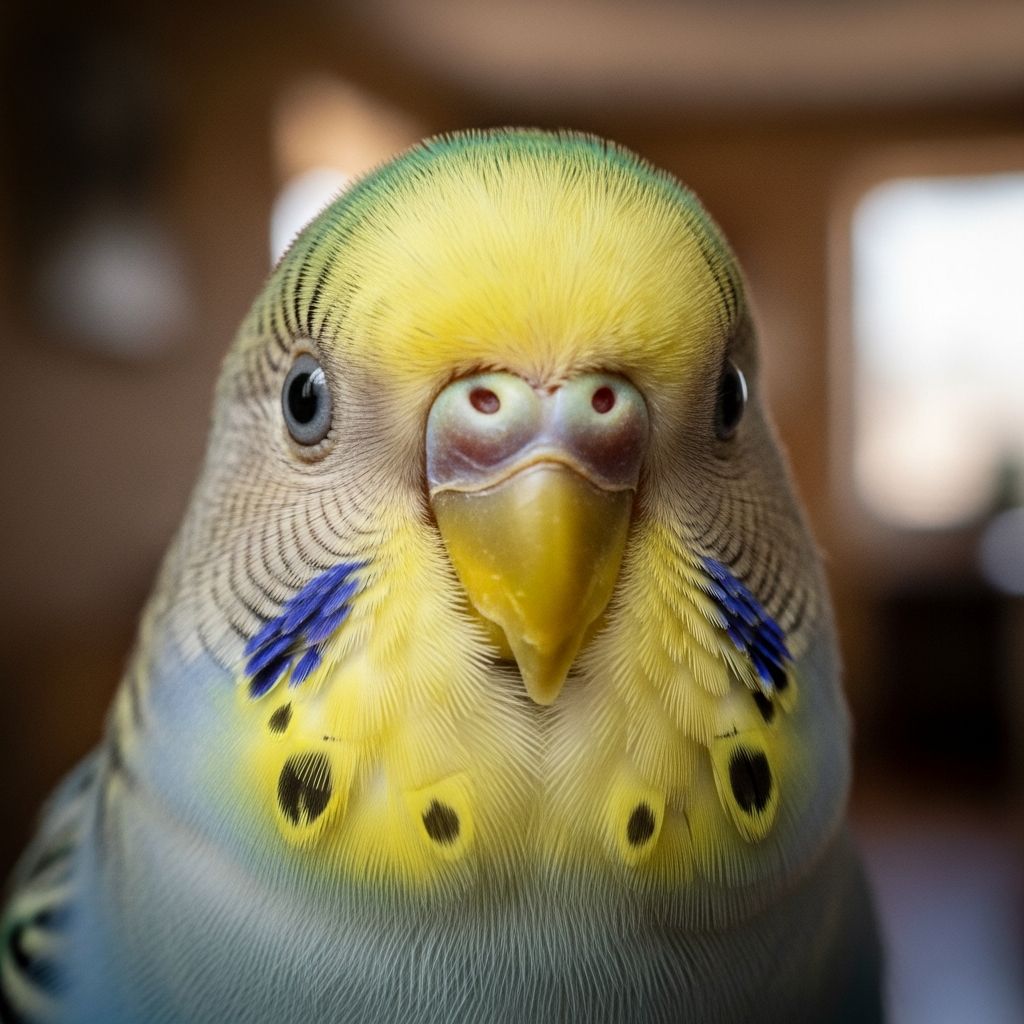
Pet birds rely heavily on their vision for navigation, feeding, social interaction, and overall quality of life. The avian eye is remarkably sophisticated, with specialized structures that differ significantly from mammalian eyes. Because of these unique characteristics, eye conditions in birds require specialized knowledge and prompt veterinary intervention. Many avian eye disorders progress rapidly and can lead to permanent vision loss if not addressed quickly. This guide explores the various ocular conditions that affect companion birds, helps you recognize warning signs, and explains how veterinarians approach diagnosis and treatment.
The Anatomy and Function of Avian Eyes
Understanding basic avian eye anatomy helps explain why birds are susceptible to certain conditions and why rapid treatment is essential. Birds possess exceptional visual acuity, with many species capable of detecting movement at great distances. The avian eye includes a protective membrane called the nictitating membrane or third eyelid, which differs from the eyelid structure found in mammals.
The cornea, lens, and retina work together to provide birds with their characteristic visual capabilities. The tear film, produced by the lacrimal gland, keeps the eye moist and healthy. Any disruption to these structures or the protective mechanisms surrounding the eye can lead to inflammation, infection, or vision loss. The sensitive nature of avian ocular tissues means that even minor irritants can cause significant discomfort and complications.
Recognizing the Early Warning Signs
Early detection of eye problems dramatically improves outcomes for affected birds. Since birds instinctively hide signs of illness, observant owners who notice subtle changes in behavior have a significant advantage in ensuring timely treatment. The following signs warrant immediate veterinary evaluation:
- Redness or discoloration of the eye area or surrounding tissues
- Discharge from the eye, nostril, or periocular region
- Swelling of eyelids or facial structures
- Excessive squinting or reluctance to open one or both eyes
- Cloudiness, haziness, or changes in the appearance of the eye surface
- Sensitivity to light or avoidance of bright areas
- Behavioral changes such as reduced activity, perching in unusual positions, or difficulty locating food
- Rubbing, scratching, or pawing at the eye region
- Crust formation around the eyelids or eye margins
Birds showing multiple symptoms or any combination of these signs require prompt evaluation by an avian veterinarian. The presence of additional systemic symptoms such as loss of appetite, lethargy, nasal discharge, coughing, or respiratory difficulty suggests a more serious underlying condition and makes immediate care even more critical.
Common Ocular Conditions in Pet Birds
Bacterial and Fungal Infections of the Conjunctiva
Conjunctivitis, commonly known as pink eye, ranks among the most frequently observed eye conditions in companion birds. This inflammation of the conjunctiva—the mucous membrane covering the surface of the eyeball and lining the inner eyelids—can result from various infectious agents, primarily bacteria and fungi. Bacterial conjunctivitis often develops following exposure to contaminated water, poor cage hygiene, or compromised immune function. Fungal infections may occur in birds with nutritional deficiencies or those kept in excessively humid environments.
Clinical presentation typically includes conjunctival redness, swelling of the eyelids, and varying amounts of discharge ranging from clear to purulent. Secondary bacterial infection can occur if the initial fungal infection is inadequately treated. The affected bird may demonstrate significant discomfort, keeping the affected eye closed for extended periods and showing reluctance to eat if vision is compromised.
Mycoplasmal Infections
A particularly significant ocular disease affecting birds is mycoplasmal conjunctivitis, which commonly affects house finches and other songbird species. This bacterial infection causes red, swollen eyelids with clear to mucopurulent discharge. As the disease progresses, crusts develop along the eyelid margins, and severe cases may result in eyes becoming so swollen that they close completely, leading to vision loss. The infection can spread rapidly through flocks, particularly at congregating points such as feeders and water sources.
Affected birds may become reluctant fliers, unable to navigate effectively to food and water sources. This inability to feed oneself, combined with exposure to predators and environmental stressors, can result in mortality even when the ocular infection itself might be manageable. Mycoplasmal infections often persist even after treatment courses are completed, making prevention through hygiene and biosecurity paramount.
Viral Infections
Various viral pathogens can affect avian eyes, including poxviruses and other species-specific viruses. Poxviral lesions may appear on the eyelids and surrounding tissues, causing significant inflammation. When these viral lesions become secondarily infected with bacteria or fungi, the severity escalates substantially. Viral conjunctivitis typically causes marked inflammation, discharge, and discomfort, though the discharge may be clear rather than purulent initially.
Nutritional Deficiencies
Vitamin A deficiency represents a preventable yet serious cause of eye problems in companion birds. This fat-soluble vitamin plays crucial roles in maintaining epithelial tissues, including the thin membrane covering the eye’s surface. Birds consuming inadequate vitamin A develop weakened ocular membranes, leading to secondary bacterial conjunctivitis. The condition often manifests as redness, swelling, discharge, and progressive inflammation.
Birds maintained on seed-only diets or those that refuse varied foods are at highest risk. Unlike wild birds that forage for nutritionally complete diets, captive birds depend entirely on owners to provide balanced nutrition. Incorporating dark leafy greens, orange vegetables, and high-quality pellets ensures adequate vitamin A and other essential nutrients.
Parasitic Infections
Parasitic organisms, particularly certain nematode species, can infect the eye and periocular tissues. Infected birds present with conjunctival discharge and may prefer keeping their eyes shut due to discomfort. Physical removal of visible parasites combined with topical and systemic antiparasitic medications forms the treatment approach. These infections require specific diagnosis through microscopic examination of discharge samples or direct observation.
Traumatic Injuries
Ocular trauma results from contact with cage furniture, toys with sharp edges, aggressive interactions with cage mates, or environmental hazards. Even minor-appearing scratches to the cornea can become complicated by secondary infection. Traumatized eyes become inflamed and prone to infection, requiring prompt evaluation and often topical antibiotic therapy to prevent vision-threatening complications.
Corneal Opacity and Cataracts
Cloudiness of the cornea may result from inflammation, infection, trauma, or dystrophic changes. Cataracts, characterized by lens opacity, develop from various causes including advanced age, genetic predisposition, infection, traumatic injury, and metabolic disorders such as diabetes. Progressive lens opacity reduces light transmission to the retina, resulting in gradual vision loss. Some cataracts progress slowly, while others develop rapidly.
Diagnostic Approach and Examination
Avian veterinarians employ specialized examination techniques to evaluate ocular conditions. Initial assessment begins with distant observation of the bird’s behavior, noting whether it fixates on moving objects and whether both pupils respond normally to light. Closer examination involves careful inspection of eyelid margins, conjunctival surfaces, and the anterior chamber of the eye.
Diagnostic procedures may include collection of conjunctival swabs or discharge samples for bacterial culture and sensitivity testing, fungal identification, and microscopic examination for parasites. These samples guide antibiotic selection, ensuring that prescribed medications target the specific organism involved rather than relying on broad-spectrum therapy. Blood samples may be collected to assess overall health and detect systemic infections contributing to ocular disease.
Treatment Strategies and Management
Topical Therapies
Antibiotic eye drops or ointments form the foundation of treating bacterial conjunctivitis. These topical medications deliver high concentrations of antimicrobial agents directly to the affected tissues. Terramycin and other broad-spectrum ophthalmic preparations are commonly prescribed. Application frequency typically ranges from three to four times daily, with duration depending on the severity and response to treatment.
Anti-inflammatory medications reduce ocular inflammation and associated discomfort. These agents help preserve vision by minimizing tissue damage from the inflammatory response itself. Saline irrigation gently flushes away discharge and debris, providing comfort and supporting healing. When administering topical medications, use sterile technique and avoid touching the corneal surface if possible.
Oral Medications
Systemic antibiotics address infections that involve deeper ocular structures or that have spread systemically. Oral antimicrobial medications also support treatment of superficial infections, particularly when topical application is challenging or insufficient. Antifungal medications target fungal infections, which may require prolonged therapy. Anti-inflammatory medications administered orally help manage ocular inflammation when topical agents alone are insufficient.
Supportive Care During Treatment
Birds receiving treatment for eye conditions benefit from specialized housing. A hospital cage with soft perches, clean bedding, and appropriate lighting—avoiding direct bright light that may cause discomfort—facilitates recovery. Good ventilation prevents buildup of dust and moisture that could complicate healing. Isolation from cage mates prevents transmission of infectious agents to other birds in the household.
Gentle cleansing of the eye area with soft, damp cloths removes crusted discharge and debris. Use sterile saline or clean water only; avoid commercial cleaning solutions that may irritate sensitive tissues. Some birds allow saline flushing with a dropper or syringe, which provides additional cleansing and comfort.
Prevention and Long-Term Health
Environmental and Nutritional Measures
| Prevention Strategy | Implementation | Benefit |
|---|---|---|
| Daily Water Changes | Replace drinking and bathing water daily | Eliminates bacterial growth in stagnant water |
| Balanced Nutrition | Provide varied diet including pellets, greens, and vegetables | Ensures adequate vitamin A and other nutrients |
| Cage Cleanliness | Remove soiled bedding and debris daily, thorough cleaning weekly | Reduces pathogen exposure and respiratory irritants |
| Environmental Control | Avoid smoke, strong cleaning chemicals, and excessive dust | Minimizes ocular irritation and inflammation |
| Toy and Perch Inspection | Regular examination for sharp edges, wear, or damage | Prevents traumatic injuries |
Regular Veterinary Monitoring
Routine avian veterinary examinations allow early detection of subtle ocular changes before they progress to serious conditions. Many bird owners only seek veterinary care when obvious signs develop, missing opportunities for preventive intervention. Annual wellness examinations provide opportunities to discuss preventive strategies tailored to individual birds and household circumstances.
Behavioral Observation
Attentive owners who spend time observing their birds develop the ability to recognize subtle changes in appearance and behavior. Regular eye inspection as part of routine handling and socialization helps establish a baseline, making deviations more apparent. Noticing that a bird avoids a particular area of the cage, prefers to keep one eye closed, or appears less active than usual prompts investigation before conditions deteriorate.
When to Seek Emergency Veterinary Care
While not all eye conditions constitute true emergencies, avian eye problems warrant rapid assessment. Many ocular conditions progress from manageable to vision-threatening within hours or days. Contact an avian veterinarian immediately if your bird displays any of the following:
- Sudden onset of eye closure or inability to open an eye
- Severe swelling that appears to be closing the eye
- Eye discharge accompanied by facial swelling or breathing difficulty
- Evidence of trauma with visible wounds or bleeding
- Cloudiness appearing suddenly or progressing rapidly
- Any eye symptoms accompanied by loss of appetite or lethargy
- Symptoms affecting both eyes simultaneously
Many avian veterinarians offer same-day or emergency appointments for eye-related concerns. Delaying treatment increases the likelihood of permanent vision loss and may allow infections to spread systemically.
Summary and Key Takeaways
Eye disorders in companion birds represent common yet serious health concerns requiring prompt professional attention. The unique anatomy of avian eyes and their importance for bird welfare necessitate rapid response to any signs of ocular disease. Bacterial and fungal infections, nutritional deficiencies, parasitic infestations, and traumatic injuries all affect avian eyes, each requiring specific diagnostic and therapeutic approaches.
Prevention through proper nutrition, environmental management, and routine veterinary care significantly reduces the likelihood of serious eye problems. Observant owners who recognize early warning signs and seek immediate veterinary evaluation provide their birds with the best opportunity for successful treatment and preservation of vision. By understanding the causes, clinical signs, and appropriate responses to avian eye conditions, bird owners can maintain the ocular health essential for their companions’ quality of life and overall well-being.
References
- Avian Medicine: Principles and Application — Harrison’s Bird Foods. 2024. https://www.harrisonsbirdfoods.com/wp-content/uploads/2024/03/673-694-Ch26-Opthamology.pdf
- Mycoplasmal Conjunctivitis in Wild Birds — Cornell Wildlife Health Lab. https://cwhl.vet.cornell.edu/resource/mycoplasmal-conjunctivitis
- Bird Eye Exams and Ocular Conditions — Veterinary Vision Center. https://veterinaryvisioncenter.com/bird-eye-exams/
- How to Apply Eye Drops to Pet Birds — PetMD. https://www.petmd.com/bird/how-apply-eye-drops-pet-birds
- House Finch Eye Disease Overview — Project FeederWatch. https://feederwatch.org/house-finch-eye-disease/
- Bird Eye Problems: Signs, Causes and Treatments — Chewy Education. https://www.chewy.com/education/bird/health-and-wellness/eye-injuries-in-birds
Similar Articles








Read full bio of medha deb


