

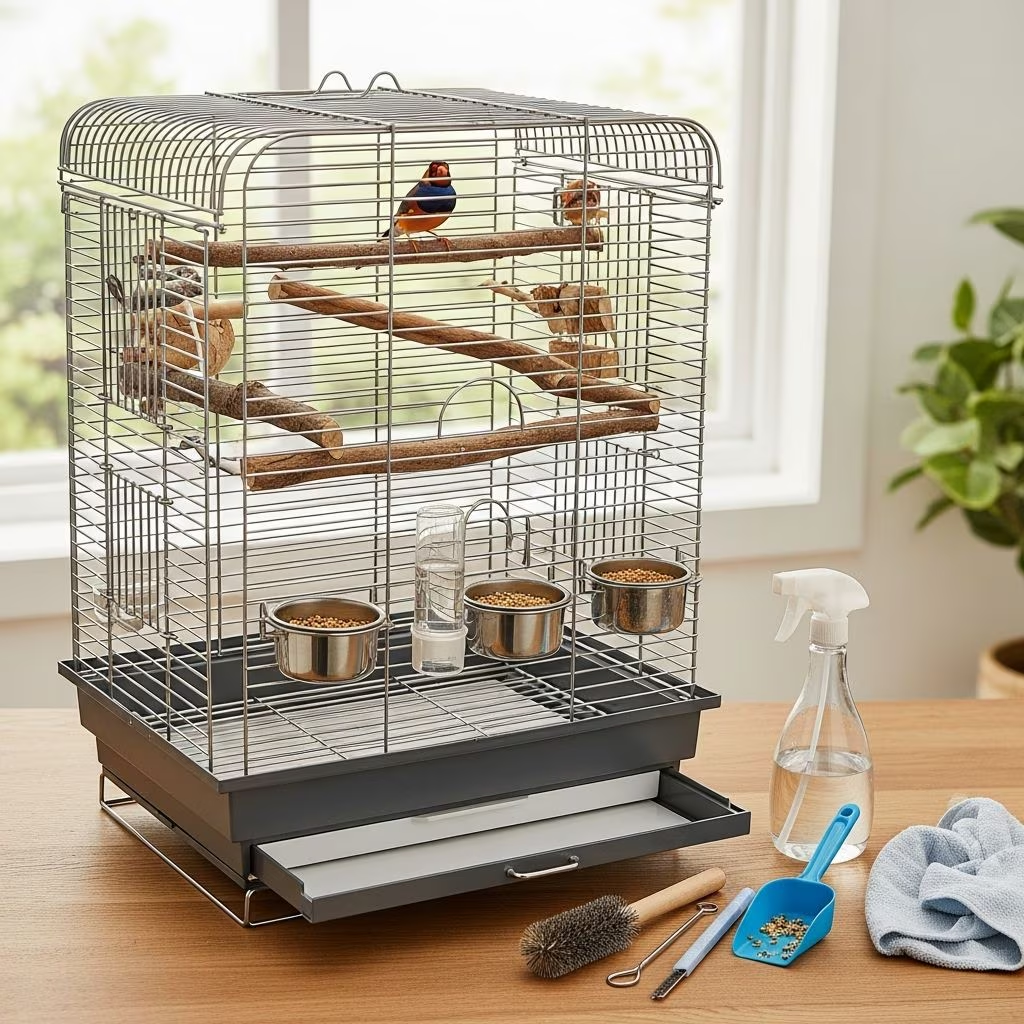
A clean living environment is fundamental to your bird’s health, happiness, and longevity. Just as humans need sanitary spaces to thrive, birds depend on regular cage maintenance to prevent illness, control odors, and maintain their physical and mental well-being. Unlike many pet care tasks that can occasionally be postponed, cage cleanliness directly impacts your bird’s respiratory system, immune function, and overall quality of life. Understanding the specific cleaning requirements across different timeframes—daily, weekly, and monthly—allows you to develop sustainable routines that keep your bird’s habitat fresh without overwhelming your schedule.
Understanding the Foundation: Why Regular Cage Maintenance Matters
Bird droppings, shed feathers, food debris, and moisture create an environment where harmful bacteria thrive rapidly. Birds possess highly sensitive respiratory systems, making them particularly vulnerable to bacterial infections, fungal growth, and airborne pathogens that accumulate in unclean cages. Regular cleaning prevents the buildup of these hazards and maintains air quality within the cage. Additionally, birds are instinctively drawn to cleanliness; a well-maintained habitat reduces stress and encourages natural behaviors such as preening, playing, and exploring. Consistency in your cleaning schedule also helps you notice changes in your bird’s health early, such as unusual droppings or appetite shifts, since you’ll be inspecting the cage regularly.
Establishing Your Daily Care Routine
Daily maintenance is the cornerstone of effective cage management. These quick tasks prevent problems from escalating and ensure your bird always has access to fresh food and water. Dedicating just 10–15 minutes each day to these essential duties maintains baseline hygiene without requiring major effort.
Essential Daily Tasks
- Replace water and food dishes: Drain old water completely and refill with fresh, clean water. Even if food appears untouched, remove it and provide new portions. Bacteria colonies can develop in standing water or exposed food within hours, particularly in warm environments.
- Remove visible waste: Scan the cage floor, perches, and accessories for droppings and uneaten food. Use a damp cloth or paper towel to wipe away any stuck-on debris from bars and perches. This prevents bacterial multiplication and reduces odors.
- Spot-clean the cage liner: Depending on your bird’s size and the liner type, remove heavily soiled sections or the entire liner if it’s noticeably dirty. Birds walking through their own waste creates unsanitary conditions and respiratory irritants.
- Quick surface wipe-down: Using a slightly damp cloth, wipe accessible surfaces including food bowls, water dishes, and frequently touched perches. Dry these items immediately to prevent moisture-related bacterial growth.
Weekly Deep Cleaning: Preventing Bacterial Buildup
Once weekly, dedicate 30–45 minutes to a more thorough cleaning that targets areas daily maintenance doesn’t address. This level of cleaning removes accumulated bacteria from surfaces where droppings have dried, prevents mold formation, and rotates accessories to maintain your bird’s mental engagement.
Comprehensive Weekly Steps
- Remove and sanitize all removable items: Take out toys, perches, bowls, and grates. Soak these items in warm, soapy water using bird-safe cleaner for 10–15 minutes. Use a soft brush or sponge to scrub away mineral deposits, dried food, and buildup. Perches especially warrant attention since they accumulate bacteria from constant contact with your bird’s feet.
- Scrub the cage structure: With removable items set aside, you can access every surface. Use warm, soapy water and a soft-bristled brush to clean all bars, joints, and corners. Pay particular attention to intersections where bars meet, as debris accumulates in these tight spaces.
- Clean the grate and bottom tray: The cage grate collects dried droppings that accumulate throughout the week. Scrub it thoroughly with a brush and soapy water. The bottom tray should also be scrubbed and sanitized since it holds the most concentrated waste. Ensure it’s completely dry before adding fresh liner.
- Rinse completely: Remove all soap residue by rinsing thoroughly with clean water. Any remaining soap can irritate your bird’s respiratory system. If using an indoor location, a detachable showerhead provides better control.
- Apply bird-safe disinfectant: Spray a bird-safe disinfectant or a 1:2 vinegar-to-water solution across all surfaces. Allow it to sit for 5–10 minutes for effective sanitization, then rinse thoroughly.
- Dry completely: Wipe down the entire cage with clean towels. Ensure 100% dryness before returning items or your bird, as even small damp spots can promote mold growth.
- Rotate and refresh accessories: If you have backup toys or perches, rotate them with those removed for cleaning. This keeps your bird mentally stimulated and prevents boredom.
Monthly Intensive Maintenance: The Complete Overhaul
Once monthly, perform a comprehensive cleaning that reaches areas inaccessible during weekly routines. This deep clean removes accumulated mineral deposits, prevents rust formation, and eliminates any stubborn odors or bacterial colonies.
Step-by-Step Monthly Cleaning Process
- Remove your bird to a safe location: Transfer your bird to a temporary safe space such as a smaller travel cage or enclosed room where it cannot escape or access household hazards.
- Remove all cage contents: Strip the cage completely—all perches, toys, bowls, grates, liners, and accessories. Place removable items in a soaking tub with warm water and bird-safe soap.
- Pre-treat stubborn debris: If dried droppings or food have hardened, lightly spray them with warm water to soften before scraping. This prevents damaging the cage coating.
- Wash the entire cage structure: Using a soft brush and warm, soapy water, scrub every bar, corner, joint, and the entire base. Pay special attention to cracks and crevices where debris hides. For indoor cleaning, use a bathtub and showerhead; outdoor cleaning with a hose offers easier debris removal.
- Address mineral stains: Hard water deposits or stubborn stains may require a vinegar soak lasting 10 minutes before scrubbing.
- Rinse thoroughly and multiple times: Rinse the entire cage with clean water, checking corners and joints to ensure no soap remains. Incomplete rinsing can irritate your bird’s respiratory system.
- Deep disinfect: Apply a bird-safe disinfectant and allow proper contact time (typically 5–10 minutes) for maximum effectiveness against bacteria and fungi.
- Final rinse: Remove all disinfectant residue with a final thorough rinse.
- Dry thoroughly: Wipe down with clean towels and allow air drying in a well-ventilated area or sunlight. Complete dryness prevents mold and rust formation.
- Clean all accessories intensively: Scrub toys, perches, and bowls thoroughly. Replace any damaged items showing cracks, wear, or missing pieces that could harbor bacteria.
- Reassemble and add fresh materials: Return the completely dry cage to its location and reinstall all accessories. Add fresh liner and prepare food and water with your bird’s preferred items.
Maintenance Schedule Based on Bird Type and Cage Size
| Bird Type | Cage Size | Recommended Schedule |
|---|---|---|
| Small birds (finches, canaries) | Small | Daily spot cleaning; weekly deep clean; monthly complete overhaul |
| Medium birds (conures, budgies) | Medium to Large | Daily spot cleaning; weekly deep clean every 4–6 days; monthly complete overhaul |
| Large birds (African greys, amazons) | Large | Daily spot cleaning; weekly deep clean every 3–5 days; monthly complete overhaul |
| Multiple birds | Any | Daily spot cleaning twice; deep clean every 3–4 days; monthly complete overhaul |
Larger birds and multiple-bird households produce more waste, requiring more frequent deep cleaning. Adjust these schedules based on your specific observations of cleanliness levels.
Tools and Products for Effective Cleaning
Having the right supplies streamlines maintenance and ensures effective sanitation. Essential items include microfiber cloths for wiping surfaces, soft-bristled brushes for scrubbing, spray bottles for applying solutions, bucket or basin for soaking items, paper towels for quick drying, trash bags for waste disposal, bird-safe soap or cleaner, and fresh cage liners or paper. Many bird owners benefit from maintaining a dedicated soaking tub exclusively for cage accessories, allowing items to soak while other tasks proceed.
Troubleshooting Common Cage Maintenance Issues
| Problem | Likely Cause | Solution |
|---|---|---|
| Persistent odors | Moisture trapped in corners, incomplete rinsing, bacterial growth | Perform deep clean with complete drying; ensure thorough rinsing; check for mold in hidden areas |
| Mineral stains | Hard water deposits | Soak affected areas in vinegar for 10 minutes before scrubbing |
| Mold in corners | High humidity, incomplete drying | Scrub with vinegar solution; dry in sunlight; improve cage ventilation |
| Rust spots | Moisture exposure, scratched coating | Light rust: sand and repaint with bird-safe coating; severe: replace cage |
Best Practices for Sustainable Cleaning Routines
Consistency matters more than intensity when maintaining a bird cage. Rather than sporadically doing marathon cleaning sessions, daily and weekly routines prevent problems from developing. Creating a cleaning checklist helps ensure you don’t miss important tasks, particularly during busy weeks. Many bird owners find that scheduling cleaning on specific days (for example, every Sunday for weekly cleaning) creates a sustainable habit. Maintaining backup accessories—extra perches, toys, or food bowls—allows continuous rotation without delaying your bird’s return to the cage while items dry.
Bird-safe cleaning products are non-negotiable since birds’ respiratory systems are extremely sensitive. Avoid products containing ammonia, bleach, phenol, or strong fragrances, as these can damage delicate avian airways. Vinegar-and-water solutions (1 part vinegar to 2 parts water) provide effective, economical, natural disinfection. Always rinse thoroughly regardless of cleaning product used, and ensure complete drying before your bird returns to the cage.
How a Clean Cage Improves Your Bird’s Health and Behavior
The investment in regular cage maintenance pays dividends through improved bird health and behavior. Clean environments significantly reduce respiratory infections, parasites, and bacterial illnesses that frequently affect birds in unsanitary conditions. Behaviorally, clean, well-maintained cages reduce stress levels, encouraging more playful and social interactions. Birds living in hygienic environments display better feather condition, more vibrant coloring, and greater overall vitality. Additionally, a consistently clean cage allows you to monitor your bird’s health through daily observations of droppings, appetite, and activity levels—early detection enables prompt veterinary intervention if issues arise.
Creating a Sustainable Cleaning Schedule That Works for You
The key to maintaining excellent cage hygiene is developing routines that fit your lifestyle. If you travel frequently or have limited time, consider simplified schedules with more frequent professional assistance or professional cage cleaning services. If you work from home, you might expand daily maintenance to include additional spot-cleaning throughout the day. Some bird owners create shared responsibility systems with family members, each person handling specific tasks. Whatever approach you choose, consistency ensures your bird always lives in a healthy, clean environment that supports longevity, happiness, and vibrant health.
References
- Tips for Maintaining a Cleaner Bird Cage — MidWest Homes for Pets. https://www.midwesthomes4pets.com/resources/tips-for-maintaining-a-cleaner-bird-cage/
- How to Clean a Bird Cage: Essential Care Insights for a Healthier Bird — AOSOM. https://www.aosom.com/blog-how-to-clean-a-bird-cage-essential-care-insights-for-a-healthier-bird.html



